Can You Sealcoat in Early Spring? Pros and Cons
As the frost begins to thaw and the snow retreats from our driveways and commercial lots, a common question arises among property managers: Is it time to sealcoat?
For property owners in Burlington, the transition from winter to spring is a period of intense scrutiny for asphalt surfaces. The harsh Ontario winters, characterized by freeze-thaw cycles, can leave your pavement looking weathered, cracked, and gray. While the urge to restore your lot's appearance is strong, timing is everything when it comes to sealcoating. At Capital Parking Lot Line Painting, we understand that making the right decision now can save you significant repair costs in the future.
Understanding the Importance of Timing
Sealcoating is not just about aesthetics; it is a protective barrier that prevents water, oil, and UV rays from penetrating the asphalt binder. If applied under the wrong conditions, the sealant may fail to cure properly, leading to peeling or premature degradation. In a top 30 city like Burlington, where weather patterns can be unpredictable, understanding the nuances of early spring application is crucial.
The Pros of Early Spring Sealcoating
There are several advantages to getting ahead of the seasonal curve. By scheduling your maintenance early, you can secure your spot on the calendar before the peak summer rush.
- Early Protection: Applying sealant early protects the asphalt from the intense UV radiation that arrives with the summer sun.
- Pre-emptive Repair: It allows time to address cracks and potholes before the heavy traffic of the warmer months begins.
- Scheduling Flexibility: Professional crews like Capital Parking Lot Line Painting often have more availability in the early spring than in the height of July.
- Visual Improvement: A freshly sealed lot provides an immediate boost to curb appeal for businesses.
The Cons and Risks of Early Spring Application
While the benefits are tempting, the risks of "rushing the season" should not be ignored. Asphalt maintenance is a science that relies heavily on ambient temperature and moisture levels.
1. Moisture and Humidity Issues
Early spring in Ontario is notoriously damp. If the asphalt substrate is still holding moisture from melting snow or recent rain, the sealant cannot bond effectively. This can result in a "cloudy" appearance or a surface that feels tacky for an extended period.
2. Temperature Constraints
Most high-quality sealants require the pavement temperature to be consistently above a certain threshold (usually around 10°C to 15°C) to cure. If temperatures drop significantly overnight, the curing process can be interrupted, compromising the structural integrity of the layer.
3. The Risk of Improper Curing
When sealant doesn't cure correctly due to cold or dampness, it can lead to premature stripping. This means you might find yourself needing to redo the job much sooner than expected, wasting both time and resources.
The Perfect Synergy: Sealcoating and Line Marking
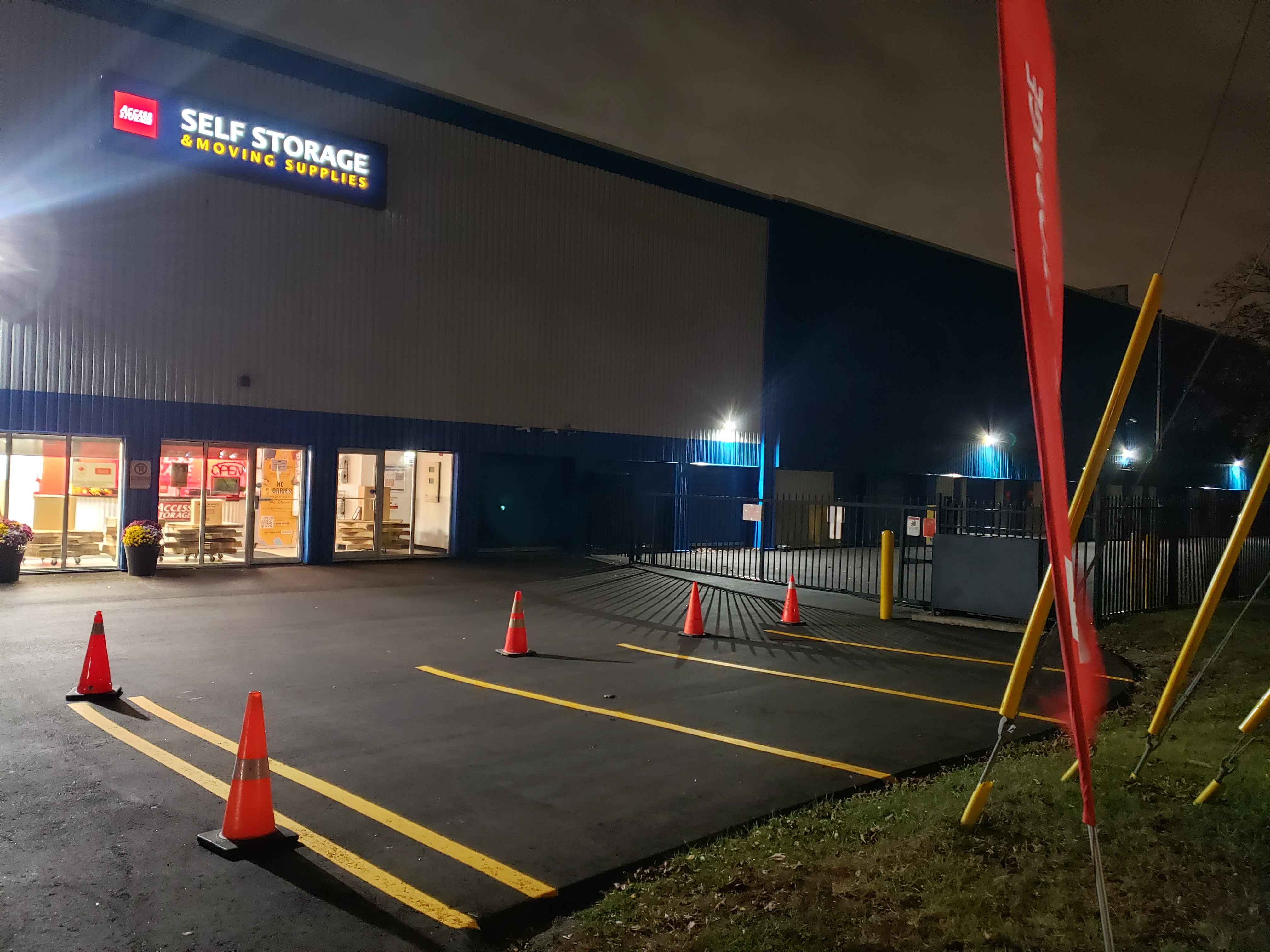
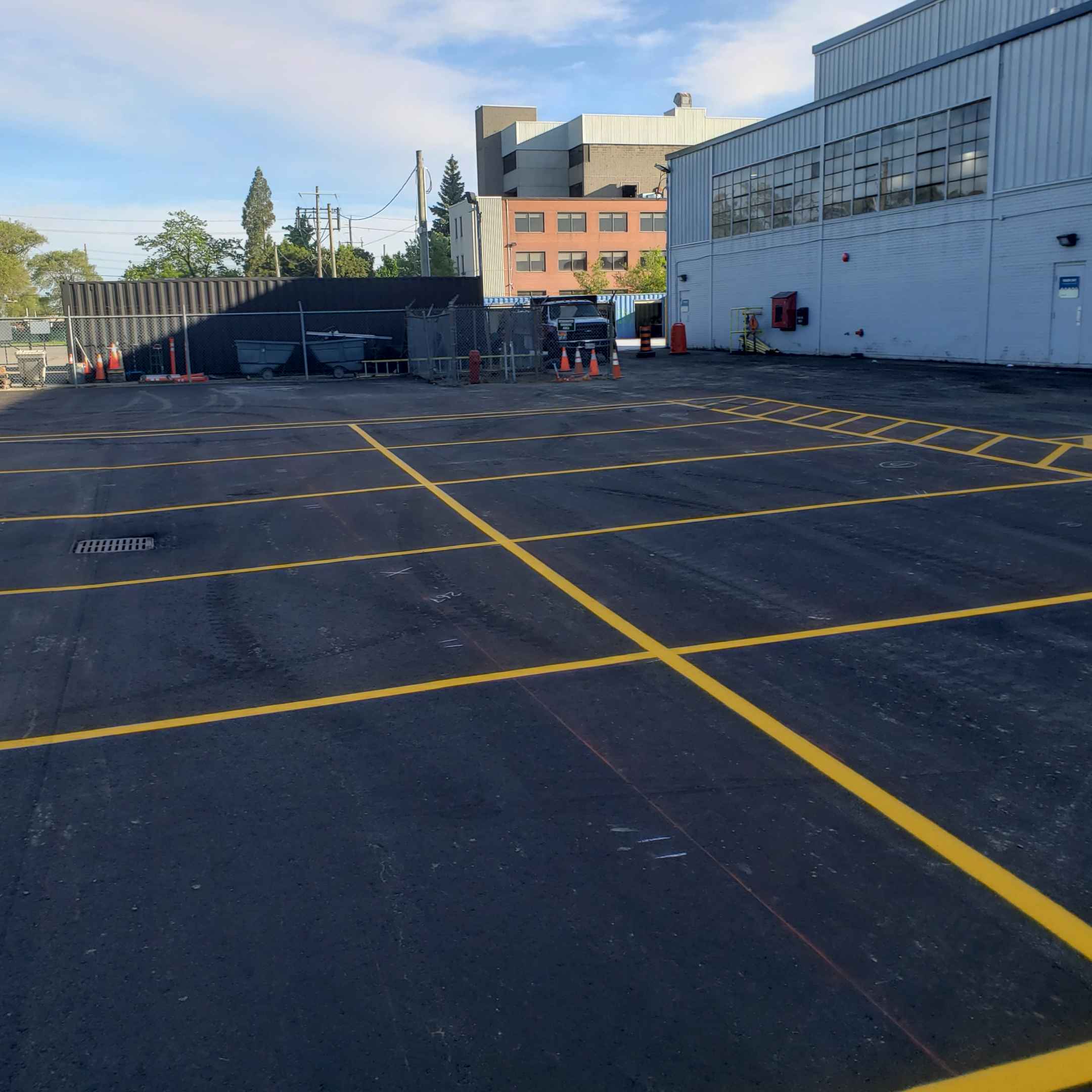
Once your sealcoating project is successfully completed and cured, the next step in professional lot management is refreshing your markings. Many property owners forget that a dark, fresh sealcoat provides the perfect high-contrast background for new Line Marking. At Capital Parking Lot Line Painting, we recommend waiting until the sealant is fully hardened before beginning any Line Painting work to ensure the lines adhere perfectly and remain vibrant for years to come.
Checklist for Successful Spring Maintenance
Before you call a contractor, ensure your property meets these basic requirements for a successful application:
- The asphalt surface is completely dry and free of standing water.
- The ambient temperature is forecasted to remain stable for at least 24-48 hours.
- All debris, dirt, and vegetation have been cleared from the surface.
- Any necessary crack filling has been completed prior to the sealcoat application.
Final Verdict
Can you sealcoat in early spring? The answer is yes, but only if the weather cooperates. It is a calculated risk that requires professional expertise to manage. Rather than guessing based on the calendar, it is always best to consult with experts who monitor local weather patterns daily.
Quick Preview
Don't let the spring thaw catch you unprepared. Plan your maintenance with the pros.