Can You Sealcoat in Early Spring? Pros and Cons
Understanding the timing of asphalt maintenance is crucial for long-term durability and curb appeal.
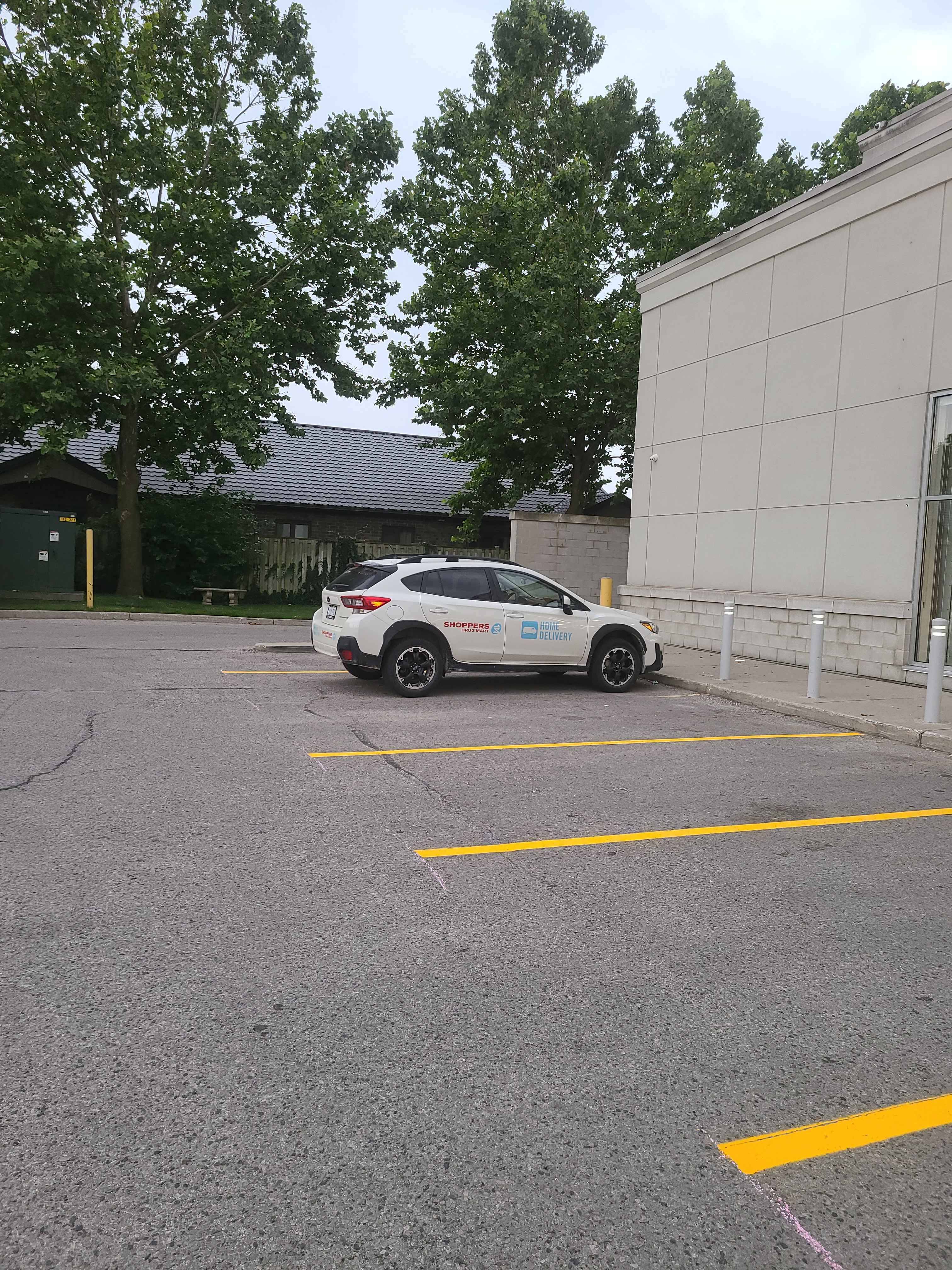
As the winter frost begins to thaw and the snow disappears from the streets of St. Catharines, property managers and business owners often find themselves looking at their asphalt surfaces with a sense of urgency. The harsh Ontario winters can be brutal on pavement, leaving behind cracks, potholes, and faded surfaces. Naturally, the first question on many minds is: "Can I start sealcoating right now?"
While the urge to jumpstart your maintenance schedule is understandable, sealcoating is a science that relies heavily on environmental conditions. At Capital Parking Lot Line Painting, we believe that informed decisions lead to better results. In this guide, we will dive into the nuances of early spring application, weighing the benefits against the potential risks.
The Importance of Temperature and Moisture
Sealcoating isn't just about applying a black liquid to a dark surface; it is about creating a chemical bond that protects the aggregate within your asphalt. For this bond to form correctly, the environment must meet specific criteria. In a top 30 Ontario city like St. Catharines, the weather can be unpredictable, shifting from sunny warmth to sudden rain or frost within hours.
The Ideal Conditions
For a successful application, the asphalt surface needs to be dry, clean, and, most importantly, at a consistent temperature. Ideally, the ambient temperature should remain above 10°C (50°F) for several consecutive days. If the ground is too cold, the sealant will not cure properly, leading to a tacky, uneven finish that can easily be damaged by vehicle traffic.
Pros and Cons of Early Spring Sealcoating
The Pros
- Early Protection: You shield your asphalt from UV rays and spring rain sooner.
- Beat the Summer Rush: Scheduling early avoids the peak demand of late spring and summer.
- Prepares for High Traffic: Getting the job done early ensures your lot is ready for the busy season.
The Cons
- Moisture Risk: High humidity or unexpected rain can ruin a fresh coat.
- Temperature Fluctuations: Frost can settle in the pores of the asphalt, preventing adhesion.
- Incomplete Curing: Cold nights can stall the drying process, leaving the surface vulnerable.
Beyond the Sealant: Comprehensive Maintenance
Sealcoating is only one piece of the puzzle when it comes to professional pavement management. A truly rejuvenated parking lot requires a holistic approach. At Capital Parking Lot Line Painting, we recommend assessing your entire lot before applying any protective coatings.
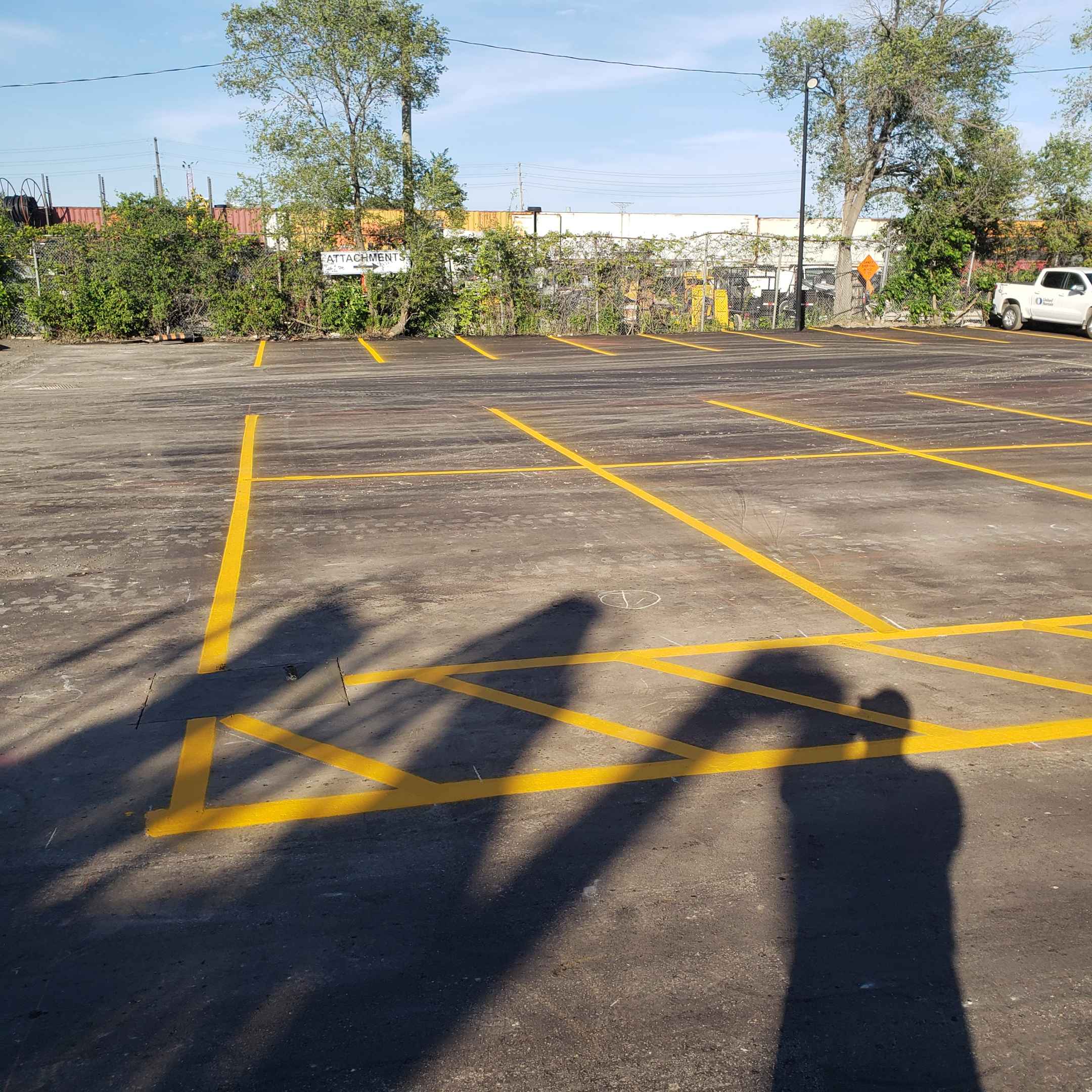
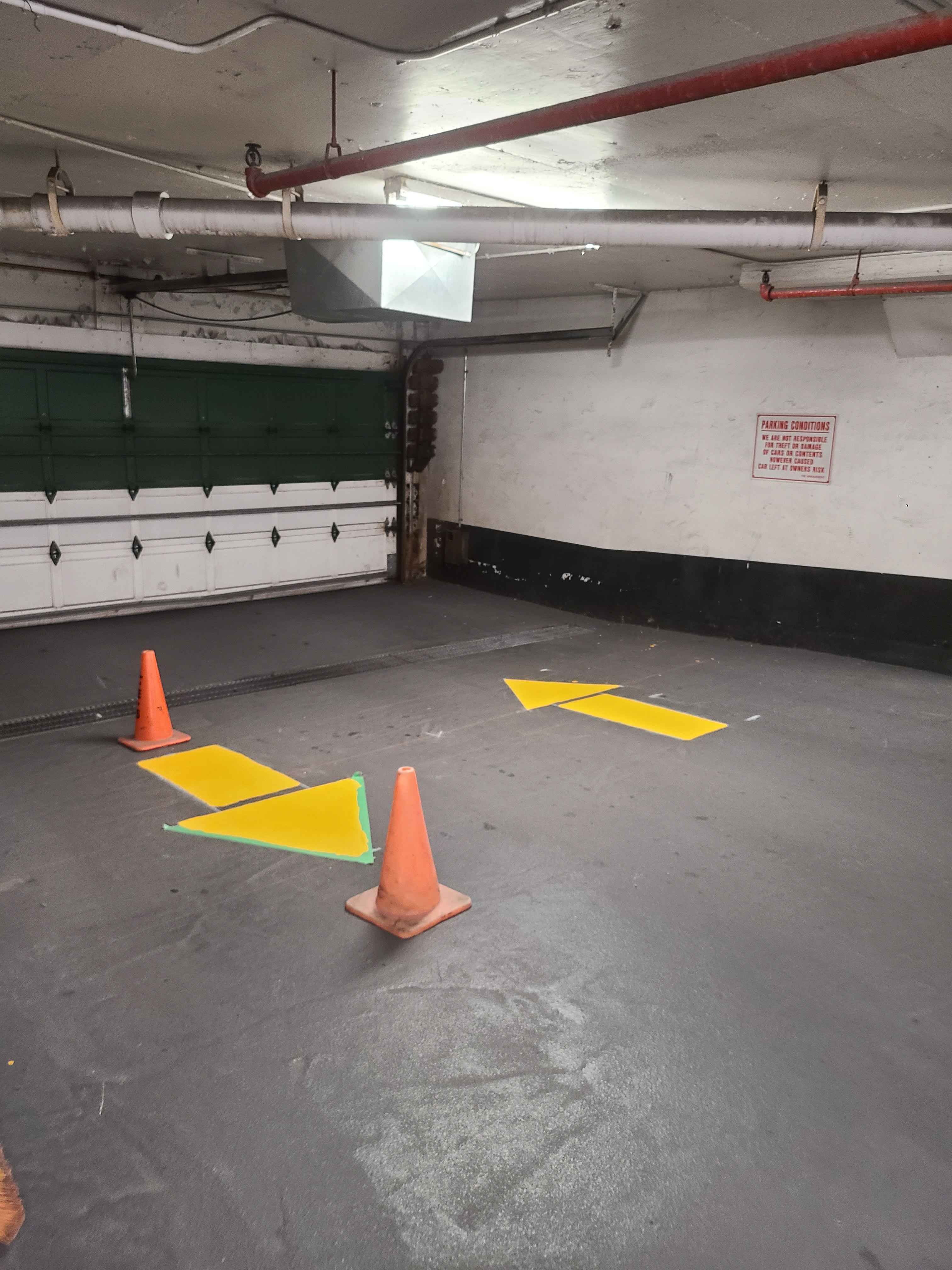
Often, after a long winter, your lot may require more than just a fresh layer of sealer. You might notice that your directional arrows, parking stalls, and handicap symbols have faded significantly. This is where professional Line Marking becomes essential. Fresh Line Painting not only improves the aesthetic of your property but also ensures safety and compliance with local regulations.
Combining sealcoating with high-quality Line Marking provides a "like-new" appearance that significantly boosts curb appeal and property value. It tells your customers that you take pride in your facility and care about their safety.
Common Mistakes to Avoid
When attempting to manage your own asphalt maintenance or hiring an inexperienced crew, avoid these frequent pitfalls:
- Applying over wet asphalt: This is the fastest way to ensure your sealant peels off within weeks.
- Ignoring cracks: Sealcoating over large cracks is like putting a bandage over a wound; you must fill the cracks first.
- Rushing the process: Skipping the cleaning phase means the sealer is bonding to dirt rather than the asphalt.
- Neglecting Line Painting: Applying sealer over old, faded lines can make them unreadable. Always coordinate your Line Painting with your sealcoating schedule.
Ready to Refresh Your Asphalt?
Trust the experts at Capital Parking Lot Line Painting to evaluate your property and provide a customized maintenance plan that fits the local climate.