Can You Sealcoat in Humid or Damp Conditions?
Understanding the critical relationship between weather patterns and asphalt preservation.
Maintaining an asphalt parking lot is a balancing act between timing and technique. One of the most frequent questions we receive at Capital Parking Lot Line Painting involves the impact of the weather—specifically, whether it is safe to apply a protective sealcoat when the air is heavy with humidity or the ground feels damp. While it might be tempting to squeeze in a maintenance session during a humid stretch of summer, the short answer is: caution is required.
In a top 30 Ontario city like Burlington, weather patterns can shift rapidly. One moment the sun is beating down, and the next, a heavy mist or high humidity settles over the pavement. For property managers and business owners, knowing how these environmental factors affect your investment is vital for long-term success.
The Science of Sealcoating and Moisture
Sealcoating is designed to create a barrier between your asphalt and the elements. This barrier protects against UV rays, water penetration, and chemical spills. However, the application process relies heavily on evaporation and chemical bonding.
Why Humidity Matters
When humidity levels are excessively high, the rate of evaporation slows down significantly. Sealcoat is a liquid emulsion that needs to dry and cure to form a hard, protective shell. If the air is saturated with moisture, the sealcoat remains "wet" for much longer than intended. This extended drying time can lead to several issues, including tracking (where vehicle tires pull the wet material up) and uneven texture.
The Danger of Damp Asphalt
Applying sealcoat to a damp surface is even more problematic than high humidity. If moisture is trapped beneath the sealcoat layer, it can prevent the product from adhering to the asphalt granules. This leads to premature peeling, flaking, and a complete failure of the protective layer. At Capital Parking Lot Line Painting, we always emphasize that the substrate must be bone-dry before any application begins.
Common Risks of Poor Weather Timing
Attempting to rush a sealcoating project during suboptimal weather can lead to costly mistakes. Here are the primary risks to watch out for:
- Poor Adhesion: The sealcoat fails to bond with the asphalt, leading to a surface that peels away in sheets.
- Clouding: High moisture can cause a white or cloudy appearance on the finished surface, ruining the aesthetic.
- Extended Cure Times: What should take a few hours might take days, preventing you from reopening your lot to traffic.
- Surface Texture Issues: Moisture can cause the sealant to settle unevenly, creating a bumpy or inconsistent finish.
Best Practices for Success
To ensure your parking lot looks its best and lasts for years, follow these industry best practices. If you are located in Burlington, you know how unpredictable the Ontario weather can be, so planning is your best friend.
1. Monitor the Dew Point
It isn't just about rain; it's about the dew point. If the dew point is too high, moisture will condense on the asphalt surface overnight, even if it doesn't rain. This can ruin a job that was applied the previous evening.
2. Check the Forecast for 48 Hours
A successful sealcoating project requires a window of dry weather. You need time for the application, the initial set, and the final cure. We recommend looking for a window of at least 24 to 48 hours of clear, dry weather.
3. Professional Assessment
Expertise matters. Professionals like the team at Capital Parking Lot Line Painting use specialized equipment and knowledge to judge exactly when the conditions are optimal. We don't just look at the sky; we look at the temperature, the humidity levels, and the moisture content of the pavement itself.
The Importance of Line Marking After Sealcoating
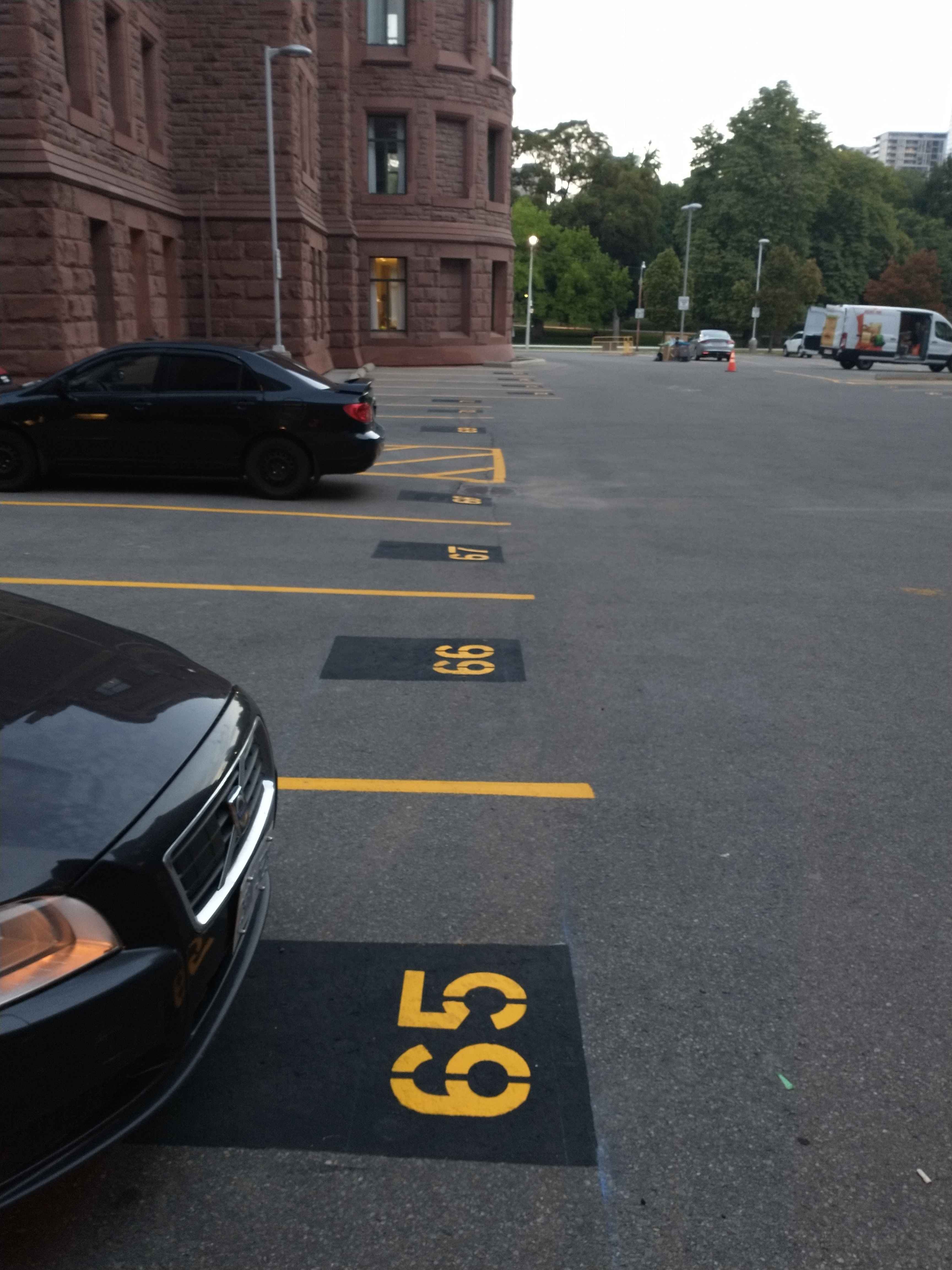
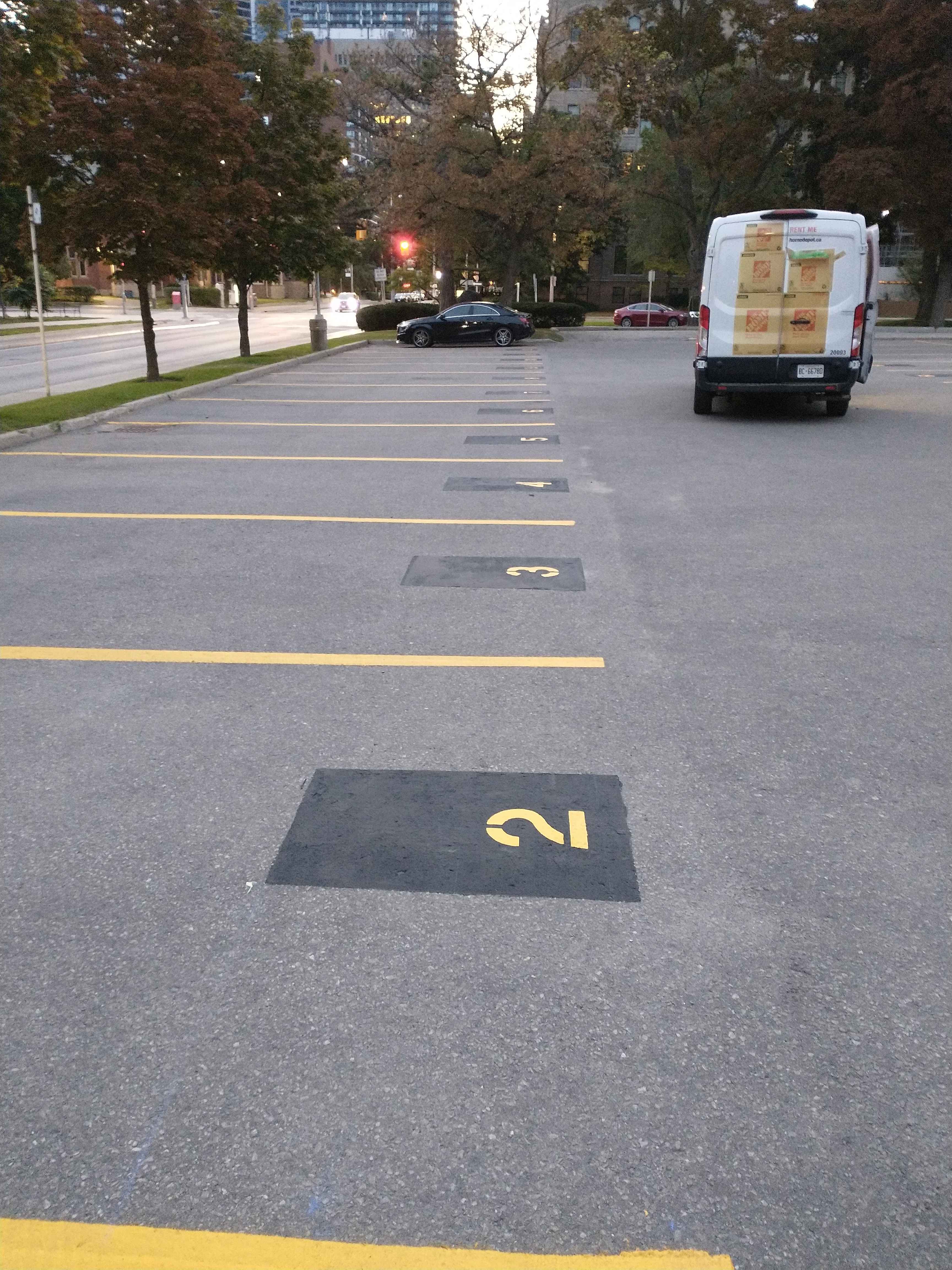
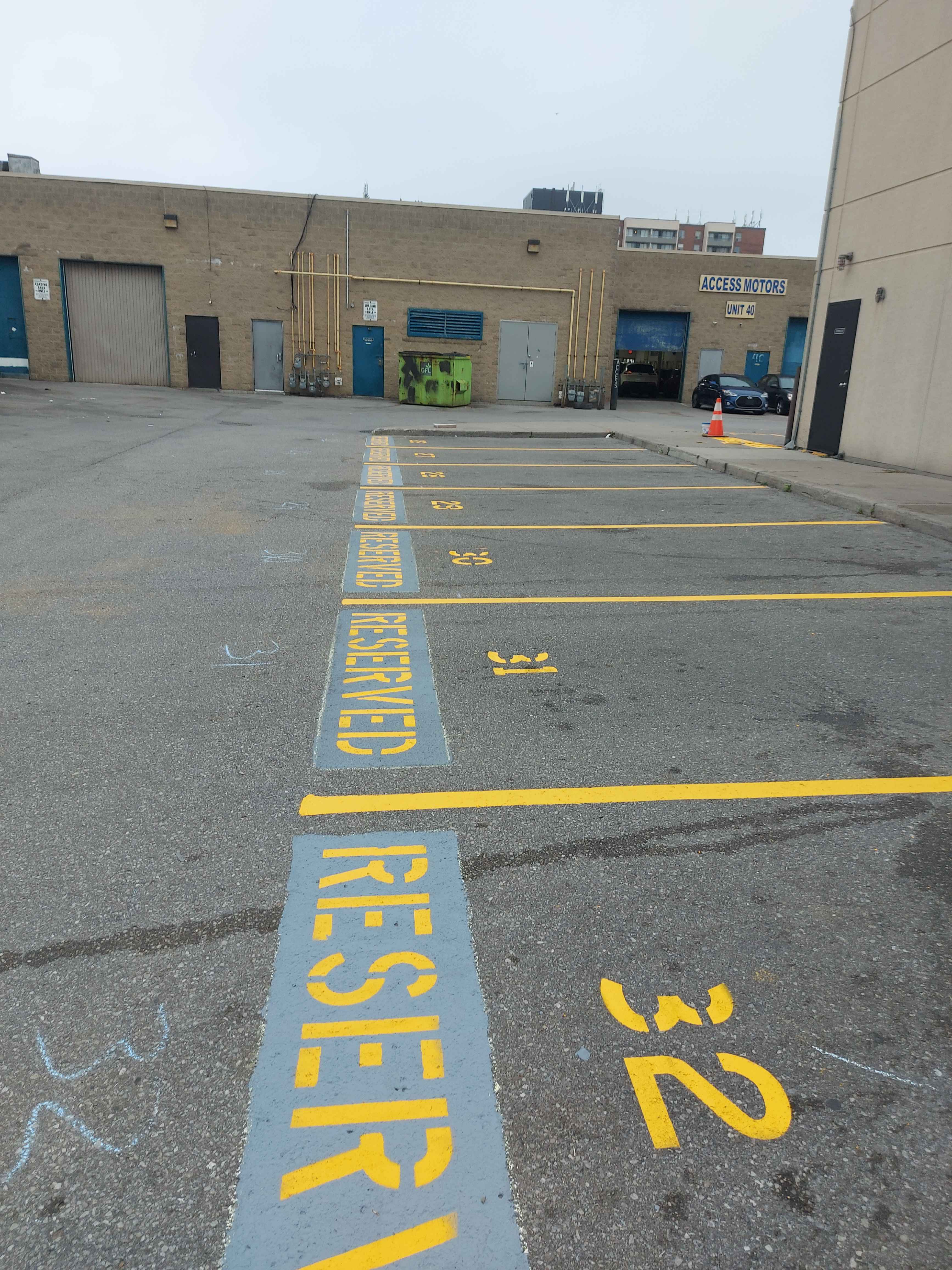
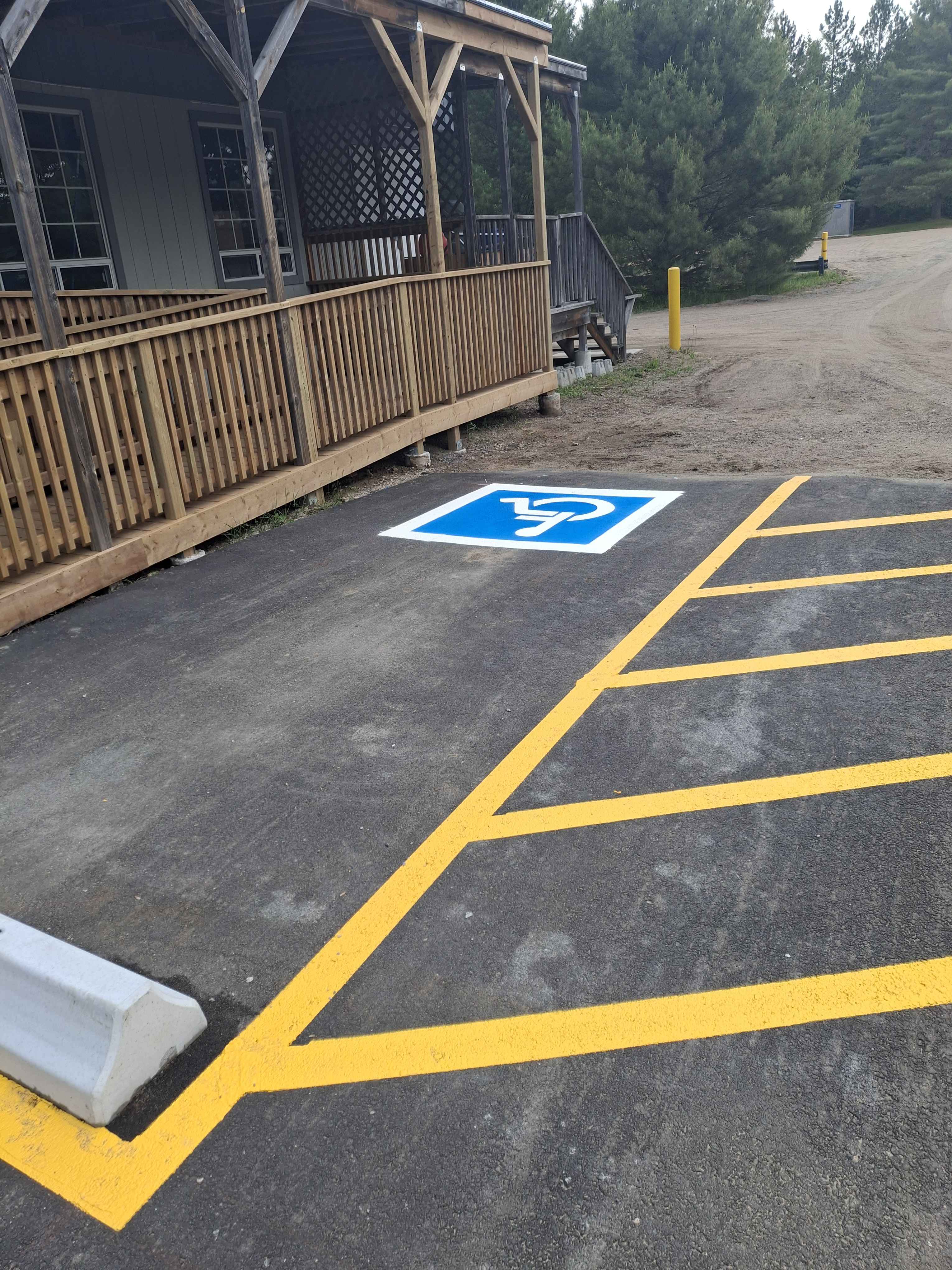
Once your sealcoating is successfully completed and fully cured, the next step in professional lot maintenance is often Line Marking. Freshly sealed asphalt provides a dark, beautiful backdrop that makes your new lines pop. Whether you are defining parking stalls, handicap zones, or directional arrows, high-quality line painting ensures safety and compliance. Waiting for the sealcoat to cure completely is essential before starting any line marking to prevent the paint from bleeding into the sealant.
Ready to Protect Your Asphalt?
Don't let the weather dictate the quality of your parking lot. Trust the experts who understand the local climate and the science of asphalt maintenance. Contact us today to schedule a consultation.