Is Sealcoating Suitable for Older Asphalt Surfaces?
As asphalt ages, it begins to show the wear and tear of weather, heavy traffic, and UV exposure. Many property owners in Mississauga wonder if a simple sealcoating application can breathe new life into an old parking lot or if the damage is too far gone.
Understanding the Aging Process of Asphalt
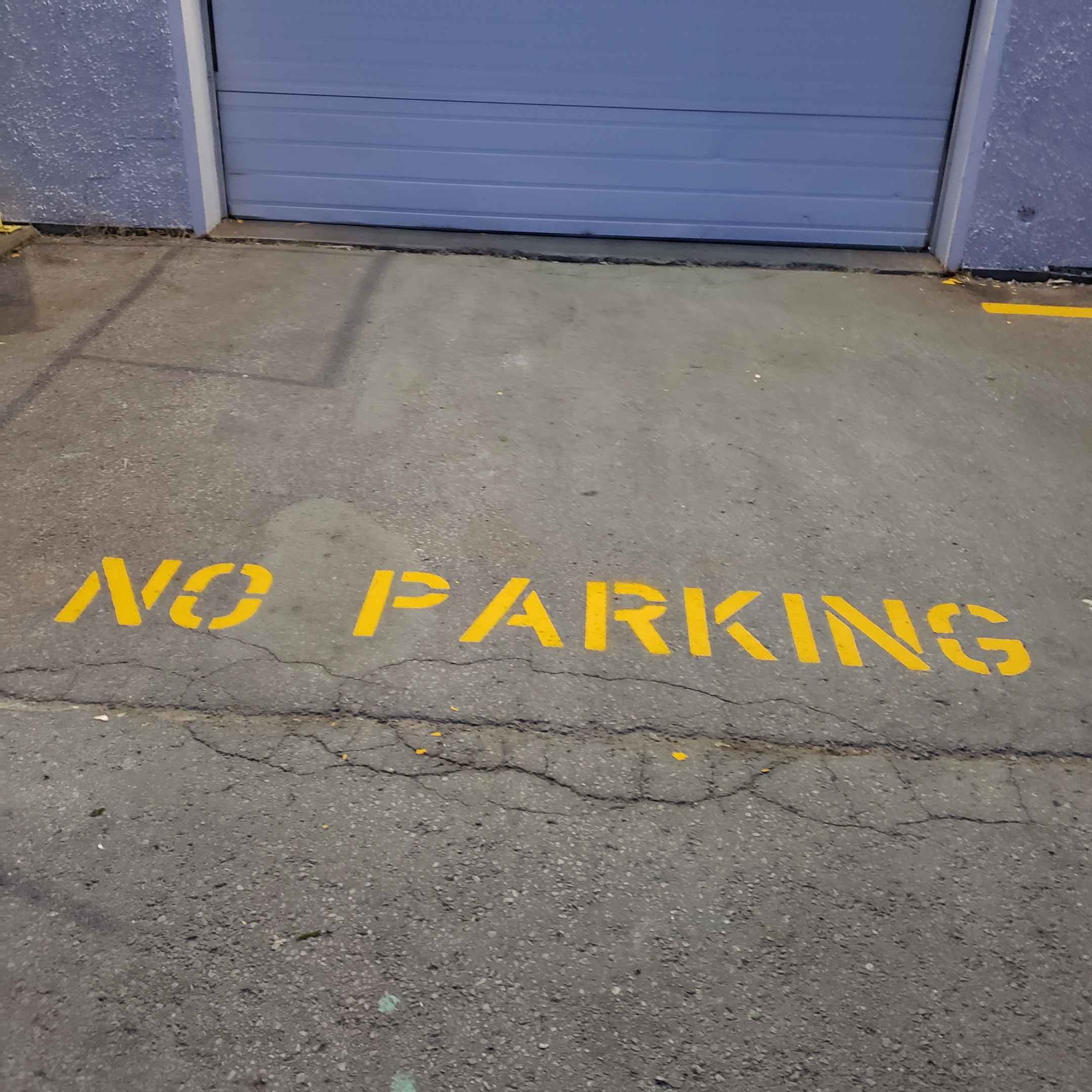
Asphalt is a flexible pavement, but it is not invincible. Over time, the oils that keep the bitumen binder flexible begin to evaporate due to oxidation. This process is accelerated by the harsh seasonal changes we experience in Ontario. As the asphalt loses its elasticity, it becomes brittle, leading to common issues like raveling, discoloration, and small surface cracks.
When considering whether to sealcoat an older surface, it is vital to distinguish between cosmetic aging and structural failure. Capital Parking Lot Line Painting recommends a thorough inspection before applying any protective coatings to ensure the foundation is still sound.
When Sealcoating is the Right Choice
Sealcoating is a preventative maintenance tool. It acts as a sacrificial layer that protects the asphalt from water penetration and UV rays. For older surfaces that are still structurally intact, sealcoating can provide several benefits:
- Waterproofing: Prevents moisture from seeping into the sub-base, which is critical for preventing freeze-thaw damage.
- UV Protection: Blocks harmful solar radiation that causes asphalt to turn gray and brittle.
- Enhanced Aesthetics: Restores a deep, rich black appearance, making the property look well-maintained.
- Improved Visibility: Provides a dark, uniform background that makes Line Marking much more effective and visible.
The Red Flags: When Sealcoating Isn't Enough
If your asphalt surface has progressed beyond simple oxidation, sealcoating alone may be a waste of resources. If you notice the following signs, you likely need structural repairs before any coating can be applied:
1. Alligator Cracking
This refers to a pattern of interconnected cracks that resemble the skin of an alligator. This is a sign of base failure. Applying sealer over alligator cracks will not fix the underlying structural issue; the cracks will simply reappear through the new sealcoat within months.
2. Deep Potholes and Depressions
Large holes or areas where the pavement has sunken indicate that the sub-grade has failed. Capital Parking Lot Line Painting advises that these areas must be patched or filled with hot mix asphalt before moving forward with maintenance.
3. Severe Raveling
Raveling occurs when the aggregate (the stones in the asphalt) begins to come loose from the binder. If the surface feels very coarse and stones are easily dislodged, the asphalt may be too far gone for a standard sealcoat.
Expert Assessment Matters
Don't guess when it comes to your pavement. A professional evaluation can save you from unnecessary expenses. In Mississauga, property managers often rely on experts to determine if a surface needs a simple refresh or a major overhaul.
The Perfect Synergy: Sealcoating and Line Painting
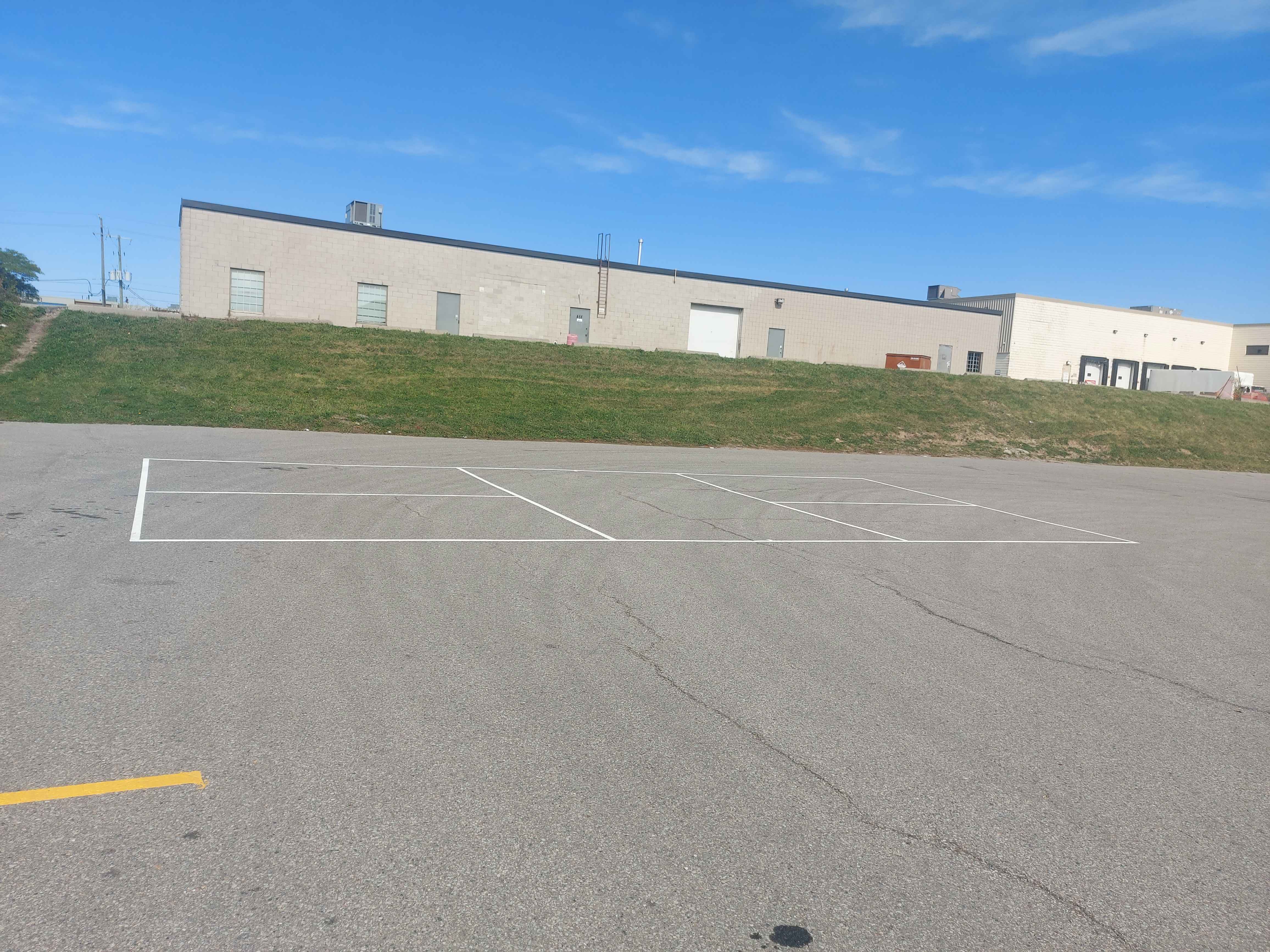
One of the greatest advantages of refreshing an older asphalt surface is the immediate impact on safety and organization. Once the sealcoating process is complete and cured, it provides the perfect canvas for fresh Line Painting.
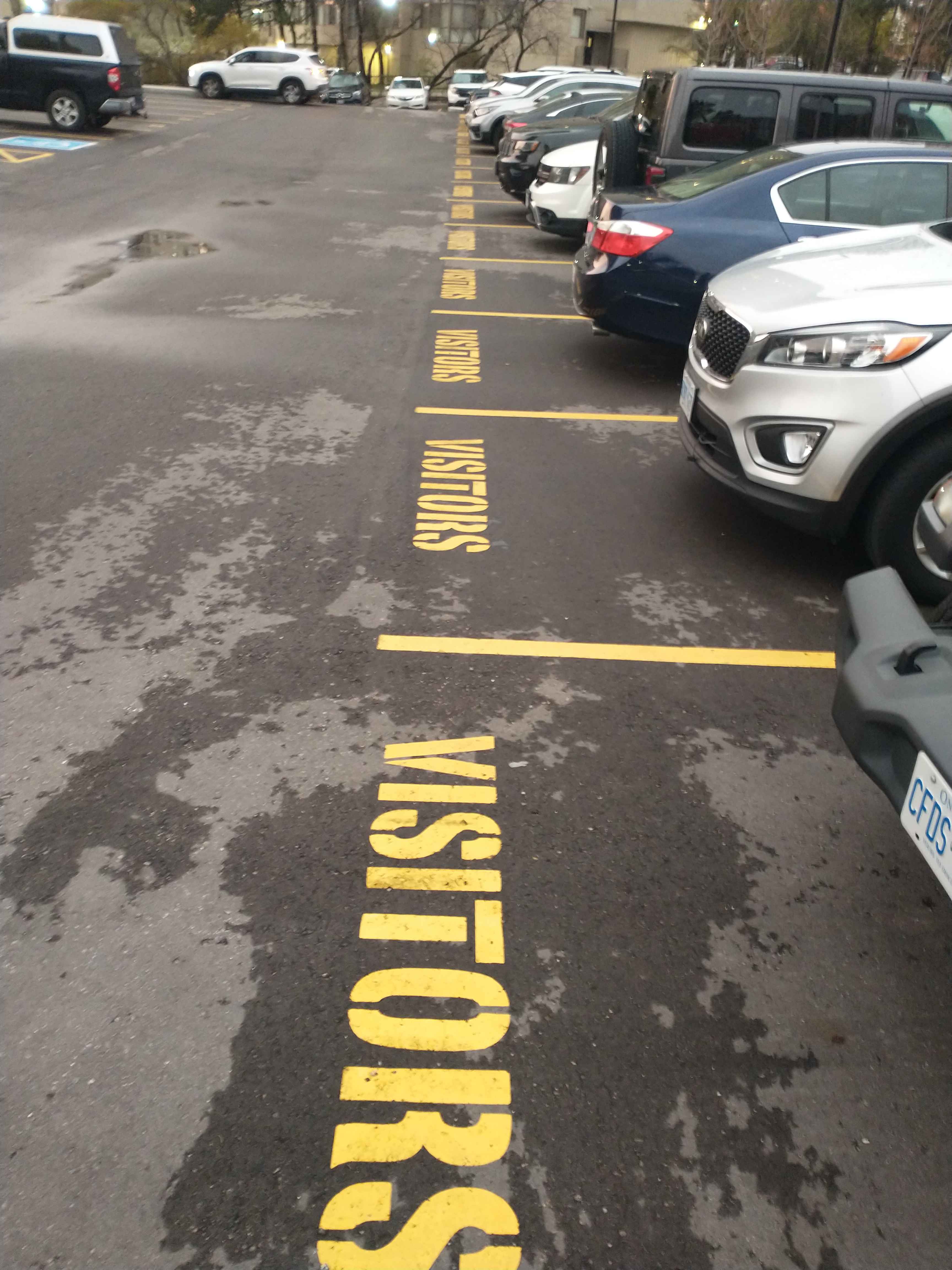
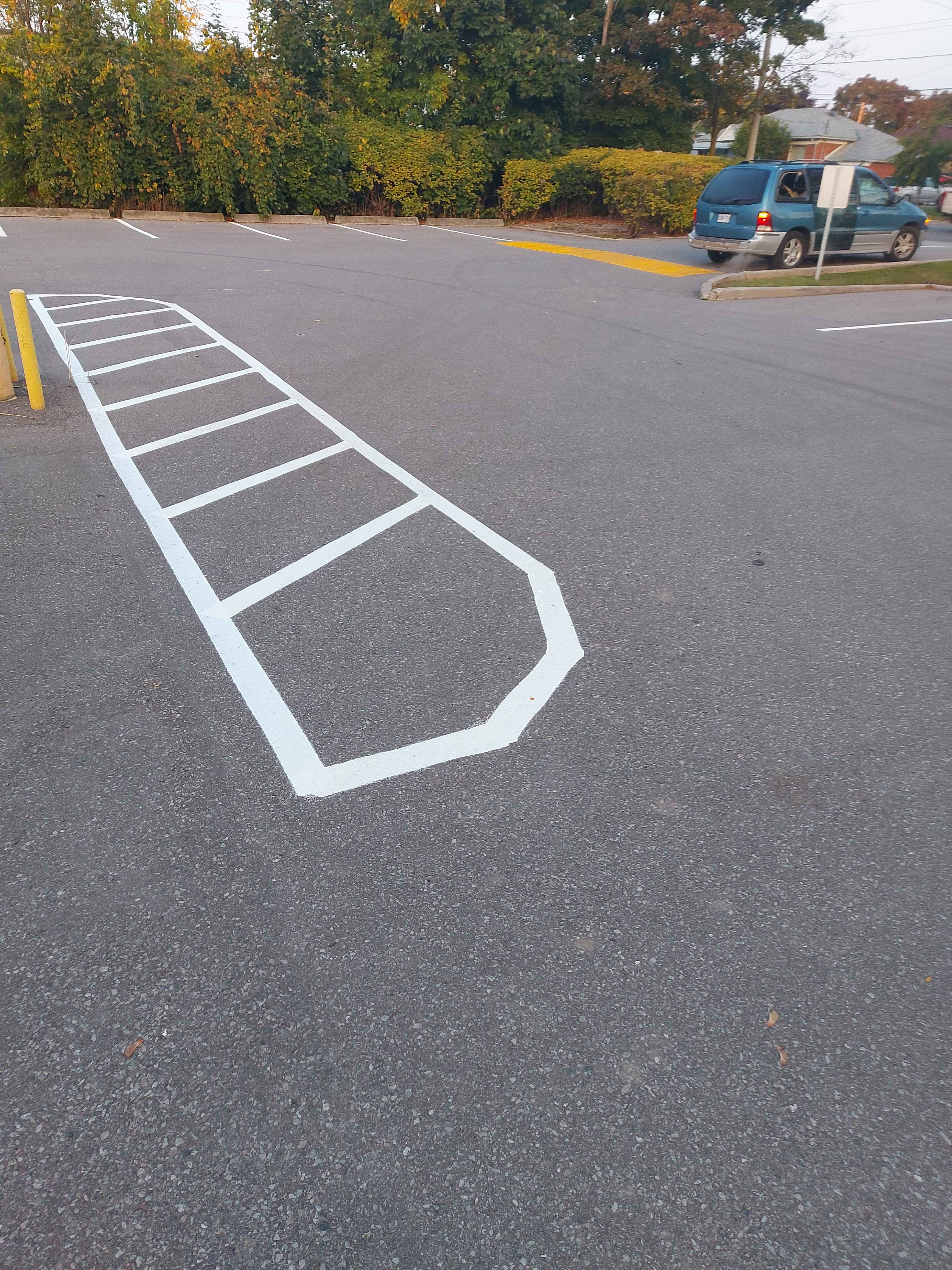
Old, faded lines can be a liability for commercial properties. By combining sealcoating with professional Line Marking, you ensure that parking stalls, fire lanes, and pedestrian walkways are clearly defined, significantly improving traffic flow and safety for your visitors and tenants.
Maintenance Best Practices
To maximize the life of your asphalt, even after a successful sealcoating job, consider these steps:
- Schedule regular inspections at least once a year.
- Address small cracks immediately before they expand.
- Ensure proper drainage to prevent standing water.
- Work with a trusted professional like Capital Parking Lot Line Painting to maintain a consistent maintenance schedule.
Final Thoughts
Is sealcoating suitable for older asphalt? The answer is a qualified "yes," provided the structural integrity of the pavement remains intact. If your lot is merely faded and showing minor surface wear, sealcoating is an excellent investment to prevent costly future repairs. However, if the damage is deep, repair must come first.