How Sealcoating Protects Against Salt and De-Icing Chemicals
Understanding the chemical warfare between winter maintenance and your asphalt pavement.
As winter approaches in Ontario, property managers and business owners face a recurring dilemma: how to keep walkways and parking lots safe from ice without destroying the very surface they are trying to protect. In a major hub like Ottawa, where heavy snowfall and freezing temperatures are a seasonal reality, the use of salt and various de-icing chemicals is non-negotiable for safety. However, these substances are incredibly aggressive toward asphalt.
At Capital Parking Lot Line Painting, we have seen firsthand how neglected pavement can crumble under the weight of chemical exposure. This is where professional sealcoating becomes your first line of defense. It is not merely an aesthetic upgrade; it is a vital preventative maintenance step that shields your investment from the corrosive elements of winter.
The Science of Asphalt Degradation
To understand why sealcoating is necessary, one must understand the composition of asphalt. Asphalt is a petroleum-based product consisting of aggregate (stones and sand) held together by a bitumen binder. While incredibly strong under compression, this binder is susceptible to chemical reactions and oxidation.
How Salt Attacks the Surface
When salt (sodium chloride) or calcium chloride is spread on a parking lot, it works by lowering the freezing point of water. However, these salts are highly hygroscopic, meaning they attract moisture. This creates a brine that penetrates the microscopic pores and cracks in your asphalt. Once inside, the salt begins to break down the chemical bonds of the bitumen binder, leading to a process known as "stripping," where the aggregate begins to separate from the binder.
The Freeze-Thaw Cycle Aggravation
In a top 30 city like Ottawa, the freeze-thaw cycle is particularly brutal. When salt-laden water enters the pores of your asphalt and subsequently freezes, it expands. This expansion exerts immense internal pressure, widening existing micro-cracks and creating new ones. Without a protective seal, this cycle accelerates the formation of potholes and surface raveling.
Key Benefits of Professional Sealcoating
- Chemical Barrier: Creates a non-porous layer that prevents salt brine from penetrating the asphalt structure.
- Oxidation Resistance: Protects the bitumen from UV rays, which prevents the asphalt from becoming brittle.
- Waterproofing: Reduces the amount of moisture that can seep into the sub-base, preventing structural failure.
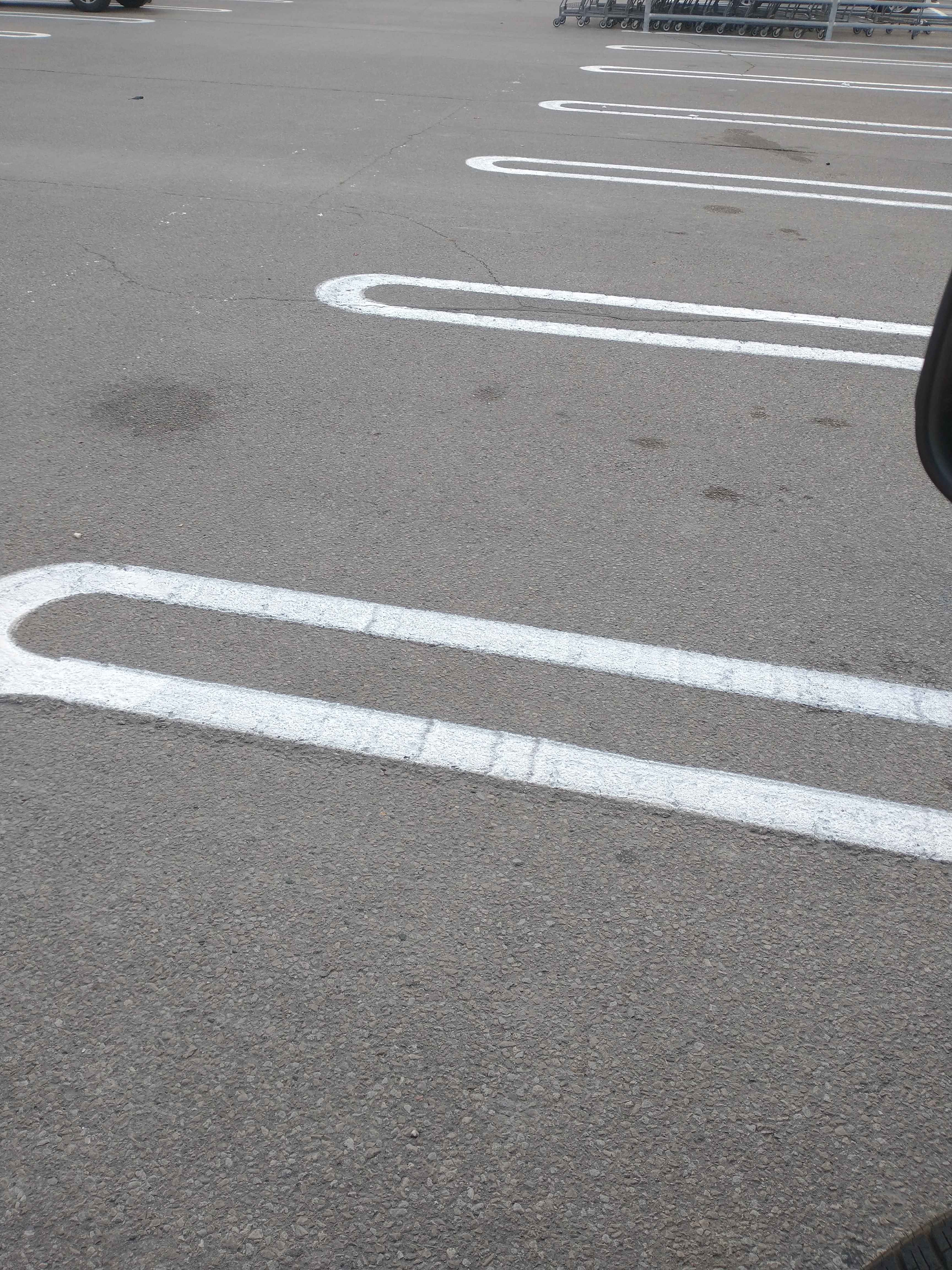
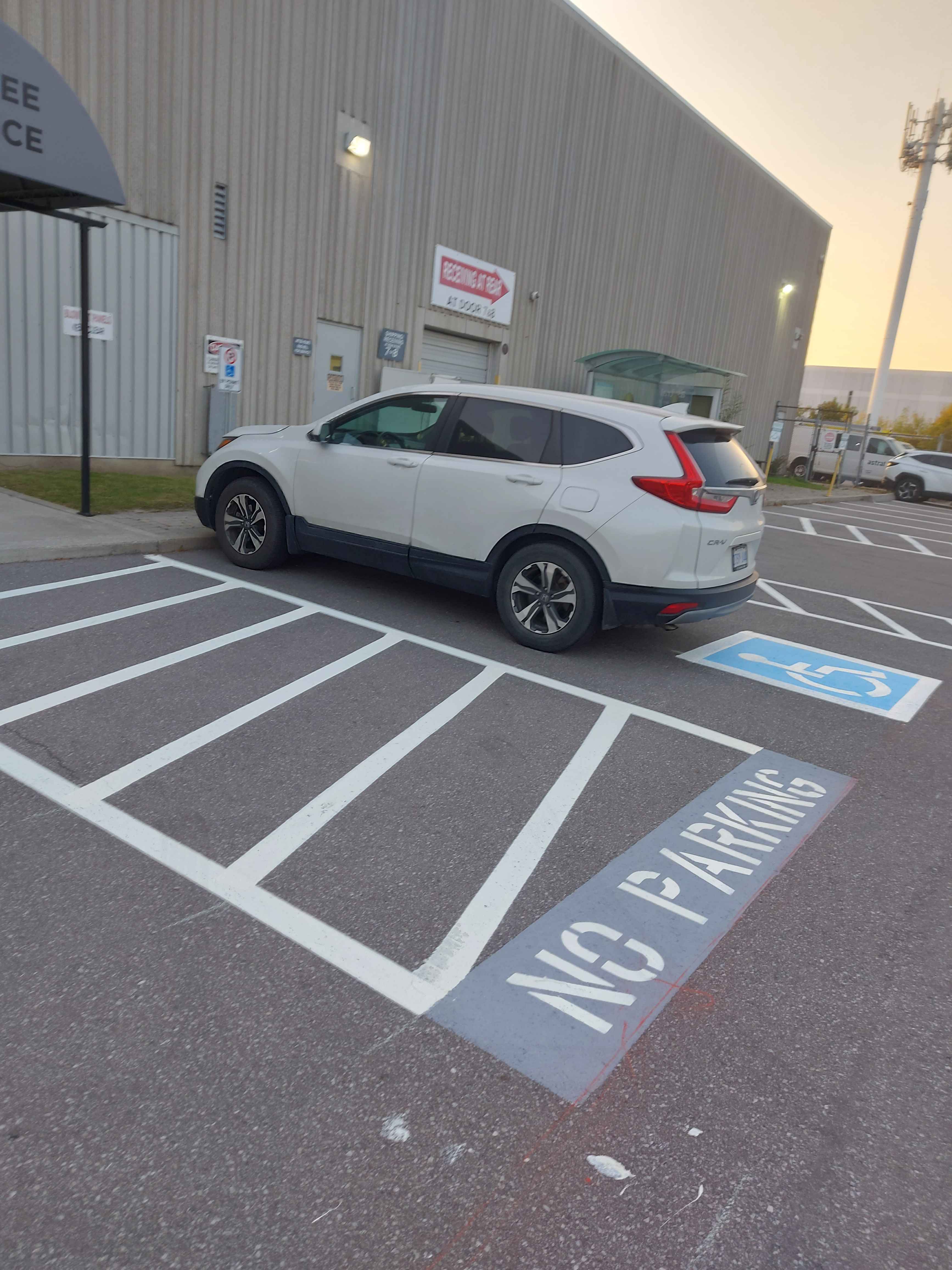
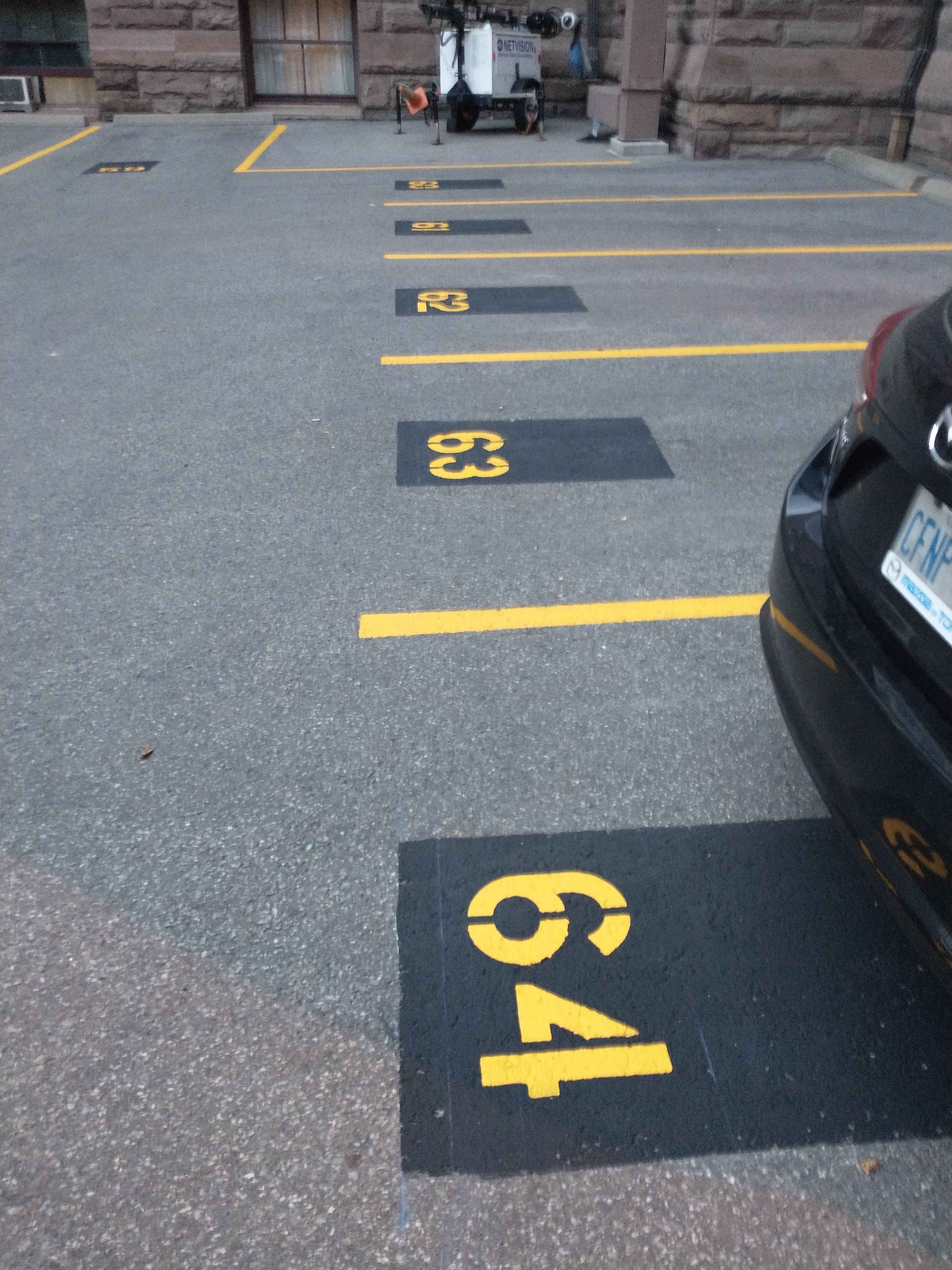
- Enhanced Visibility: Provides a dark, uniform background that makes Line Marking much more visible and effective for safety.
- Cost-Efficiency: Extends the overall lifespan of the pavement, delaying the need for expensive repaving.
The Role of Maintenance in Longevity
Many property owners wait until they see large cracks or potholes before calling for service. By then, the damage is often structural and much harder to remediate. Capital Parking Lot Line Painting recommends a proactive approach. By applying a high-quality sealant, you are essentially "shrink-wrapping" your parking lot against the elements.
Integrating Line Marking and Sealcoating
A common mistake is performing Line Marking or Line Painting on an old, weathered surface. For the best results, sealcoating should be performed first to create a smooth, dark surface. This ensures that your traffic control markings are crisp, vibrant, and highly visible to drivers, which is essential for liability reduction and traffic flow.
Common Mistakes to Avoid
When managing your pavement maintenance, keep these pitfalls in mind:
- Applying Sealant Over Dirty Surfaces: If the asphalt isn't cleaned thoroughly, the sealant won't bond, and salt will eventually find its way underneath.
- Ignoring Small Cracks: Sealcoating is a surface treatment. If you have deep cracks, they must be repaired before the sealant is applied.
- Using Low-Quality Materials: Not all sealants are created equal. Professional-grade emulsions are required to withstand the harsh Canadian climate.
Trusting experts like Capital Parking Lot Line Painting ensures that the right materials are used for your specific environmental challenges.
Ready to Protect Your Pavement?
Don't wait for the first snowstorm to realize your asphalt is vulnerable. Protect your property from the damaging effects of salt and chemicals with professional sealcoating services.