Signs That Your Parking Lot Needs Emergency Crack Repair
Don't wait for a total pavement failure. Learn how to identify the warning signs of asphalt deterioration before they become costly disasters.
The Hidden Danger of Neglected Asphalt
For property managers and business owners in Cambridge, the parking lot is more than just a place to park cars; it is the first impression your facility makes on every client, employee, and visitor. However, many owners overlook the subtle signs of asphalt degradation until it is too late. Asphalt is a flexible pavement, but it is not invincible. It is constantly battling environmental stressors, heavy vehicle loads, and the harsh Canadian weather cycles.
When cracks begin to appear, they are not just aesthetic issues. They are structural warnings. At Capital Parking Lot Line Painting, we have seen firsthand how a small, hairline fracture can evolve into a massive pothole in a single season. Ignoring these early indicators can lead to a complete breakdown of the pavement surface, necessitating a full repaving rather than a simple, cost-effective repair.
Critical Warning Signs to Watch For
Understanding the different types of cracks can help you determine the urgency of your maintenance needs. Not all cracks are created equal, and knowing the difference can save you significant downtime.
1. Hairline Cracks (Crazing)
These are tiny, web-like cracks that appear on the surface. While they may seem insignificant, they are often the first sign of oxidation. When the oils in the asphalt evaporate, the surface becomes brittle, allowing water to seep in. This is the ideal time to call Capital Parking Lot Line Painting for preventative maintenance.
2. Longitudinal and Transverse Cracks
Longitudinal cracks run parallel to the direction of travel, while transverse cracks run perpendicular to it. These are often caused by temperature fluctuations or poor subgrade preparation. In a top 30 city like Cambridge, where freeze-thaw cycles are aggressive, these cracks can expand rapidly as water enters the gap, freezes, and expands, forcing the asphalt apart.
3. Alligator Cracking
This is perhaps the most serious sign. Alligator cracking looks like the scales on a reptile's skin. It indicates a structural failure of the base layer beneath the asphalt. If you see this, you are no longer looking at a simple crack; you are looking at an emergency that requires professional intervention immediately to prevent total structural collapse.
The High Cost of Delaying Repairs
Many property owners delay crack sealing to save time or avoid disruption. However, procrastination in pavement maintenance often leads to a domino effect of issues:
- Water Infiltration: Water is the greatest enemy of asphalt. Once it reaches the subgrade, it softens the foundation.
- Pothole Formation: As the base weakens, heavy vehicles will eventually crush the surface, creating dangerous potholes.
- Liability Risks: Uneven surfaces and potholes can lead to trips, falls, or vehicle damage, creating legal headaches.
- Reduced Curb Appeal: A cracked lot suggests a neglected business, which can drive customers to competitors.
Comprehensive Maintenance Solutions
Effective pavement management involves more than just filling holes. It requires a holistic approach to surface integrity. At Capital Parking Lot Line Painting, we recommend a multi-step approach to keep your lot in peak condition.
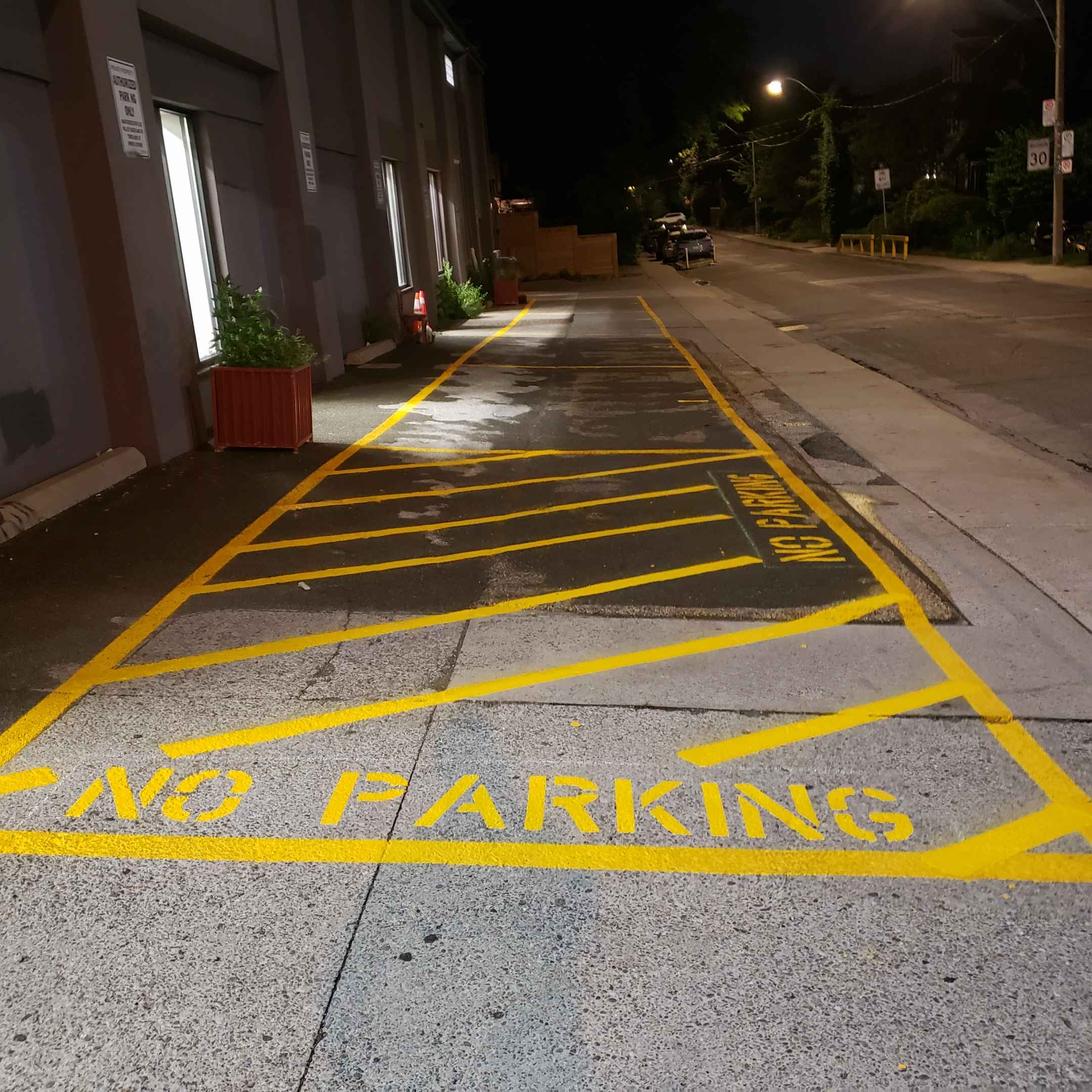
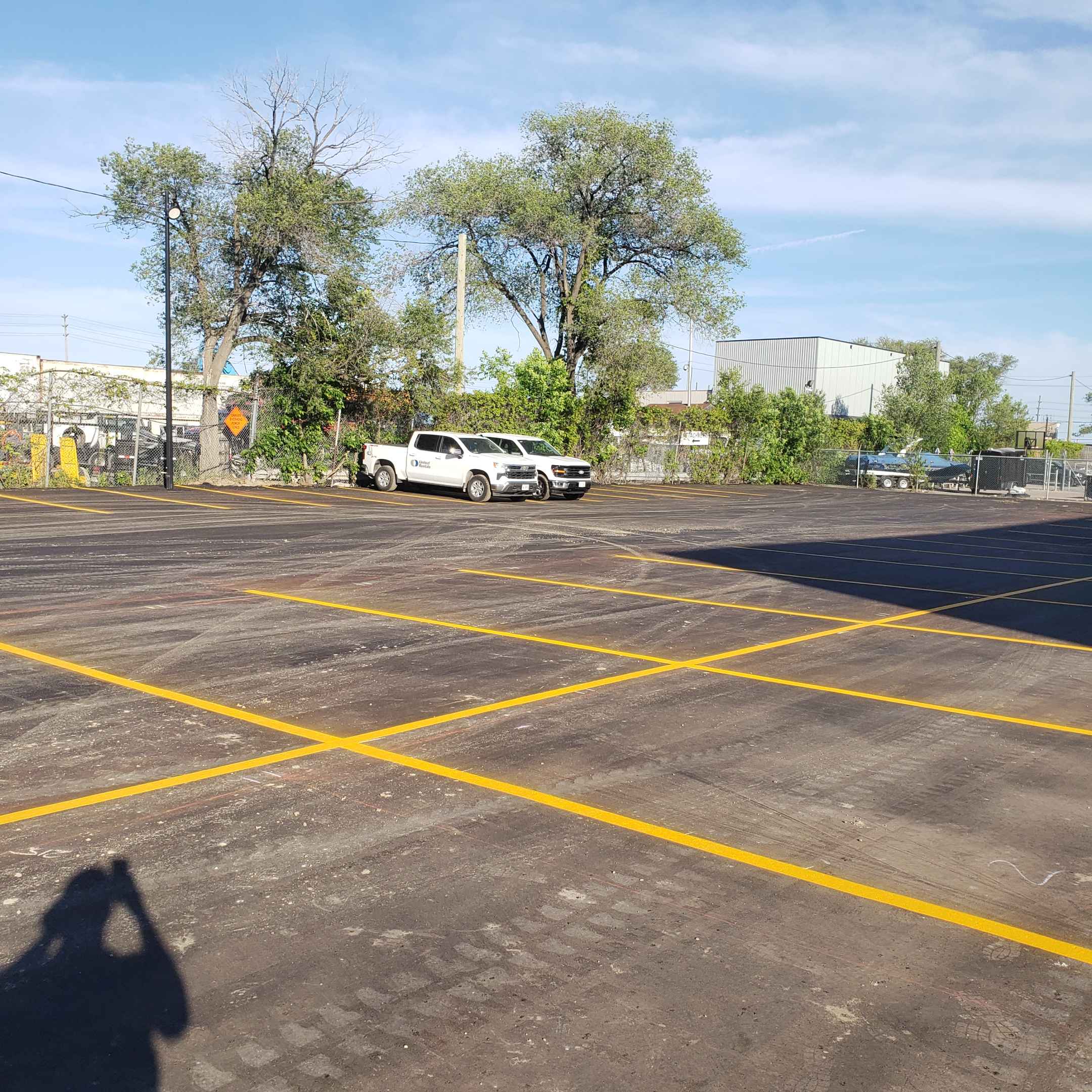
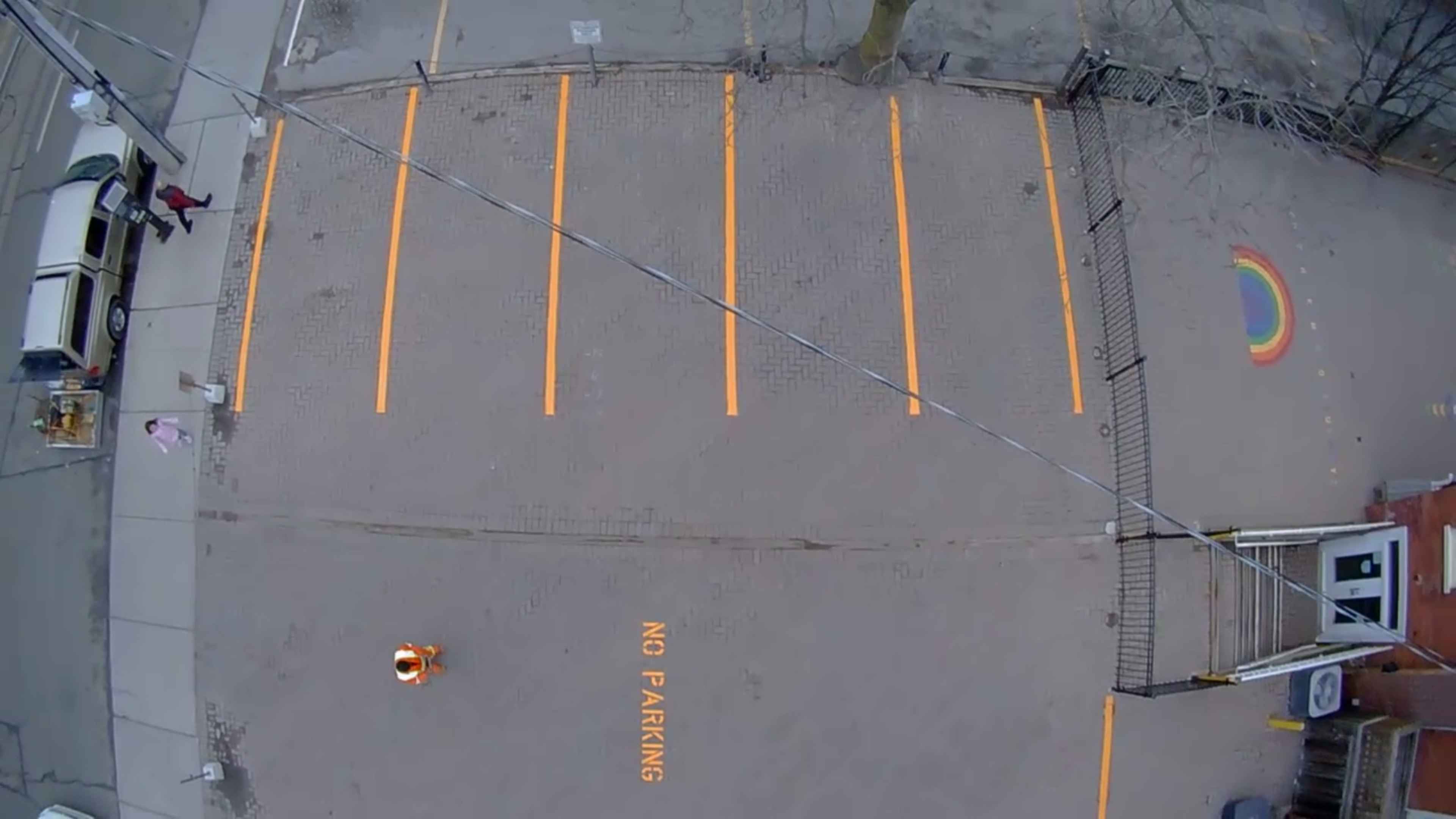
Beyond crack repair, maintaining the visual clarity of your lot is essential for safety and organization. This includes regular Line Marking to ensure parking stalls, fire lanes, and pedestrian walkways are clearly defined. Proper Line Painting ensures that traffic flows smoothly and that your facility remains compliant with local safety regulations.
Don't Wait for the Potholes
Proactive crack sealing is the most effective way to extend the lifespan of your asphalt. By sealing cracks early, you prevent water from reaching the base, thereby avoiding the need for expensive full-depth repairs. Contact the experts today to schedule an inspection.