Signs That Your Parking Lot Needs Emergency Crack Repair
As a property owner or facility manager, your parking lot is the first thing customers see. It is more than just a slab of asphalt; it is a critical component of your property's infrastructure and safety profile.
Maintaining a commercial parking lot is a continuous battle against the elements. In regions like Richmond Hill, where seasonal temperature fluctuations can be extreme, asphalt undergoes significant stress. When water penetrates even the smallest fissure, the freeze-thaw cycle begins to expand that gap, leading to rapid deterioration. If you ignore these early warning signs, a simple maintenance task can quickly escalate into a full-scale reconstruction project.
At Capital Parking Lot Line Painting, we have seen firsthand how delayed maintenance can compromise the structural integrity of an entire lot. Understanding the difference between cosmetic wear and structural emergency is key to protecting your investment.
Critical Warning Signs to Watch For
Not all cracks are created equal. Some are minor surface issues, while others indicate that the sub-base of your parking lot is failing. Here are the primary indicators that you need to call for professional assistance immediately.
1. Alligator Cracking (Fatigue Cracking)
Perhaps the most serious sign of distress is "alligator cracking." This pattern looks like the scales on an alligator's back—a series of interconnected cracks forming small, irregular polygons. This is not just a surface issue; it indicates that the base layer beneath the asphalt has failed or that the asphalt is too thin to support the traffic load. This requires immediate intervention from Capital Parking Lot Line Painting to prevent total collapse.
2. Longitudinal and Transverse Cracks
Longitudinal cracks run parallel to the direction of travel, while transverse cracks run perpendicular to it. While these can sometimes be managed through routine sealing, if they are widening rapidly, they allow water to seep into the foundation. In a top 30 Ontario city like Richmond Hill, the winter frost can turn these cracks into massive potholes in a matter of weeks.
3. Potholes and Depressions
If you notice areas where the asphalt has actually crumbled away or where the surface has begun to sink, you are dealing with an emergency. Potholes are a major liability risk, potentially causing damage to customer vehicles and creating trip hazards for pedestrians.
The Dangers of Neglecting Crack Repair
Ignoring small cracks might seem like a way to save time, but it almost always leads to higher long-term consequences. Here is why immediate action is necessary:
- Increased Liability: Unrepaired cracks and potholes can lead to slip-and-fall accidents or vehicle damage, leaving you legally vulnerable.
- Water Infiltration: Water is the enemy of asphalt. Once it reaches the sub-grade, it weakens the soil, leading to massive sinkholes.
- Rapid Deterioration: Small cracks act as funnels, directing moisture and salt deeper into the pavement.
- Decreased Curb Appeal: A cracked, messy parking lot sends a signal to customers that your business may be neglected.
A Holistic Approach to Lot Maintenance
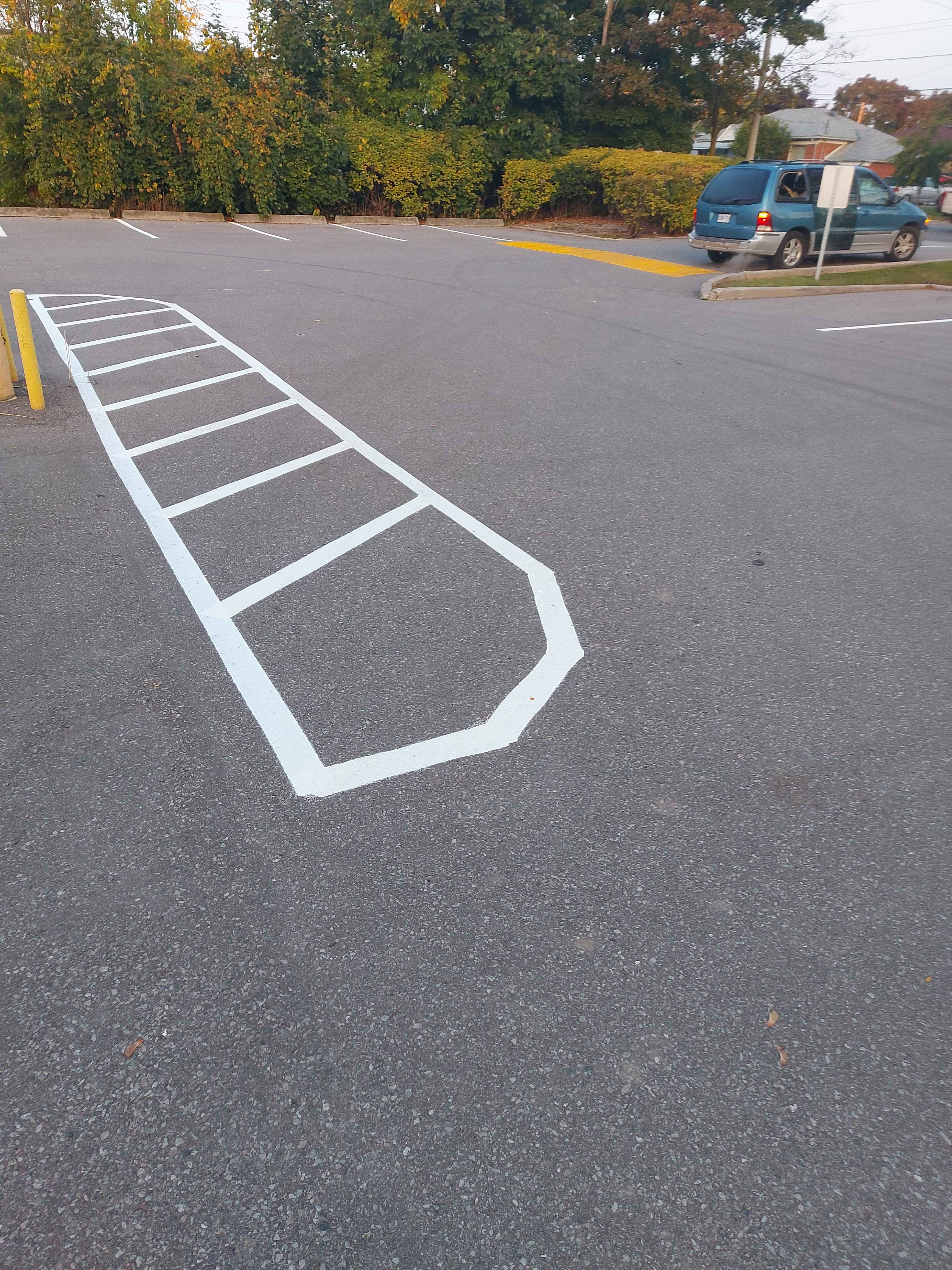
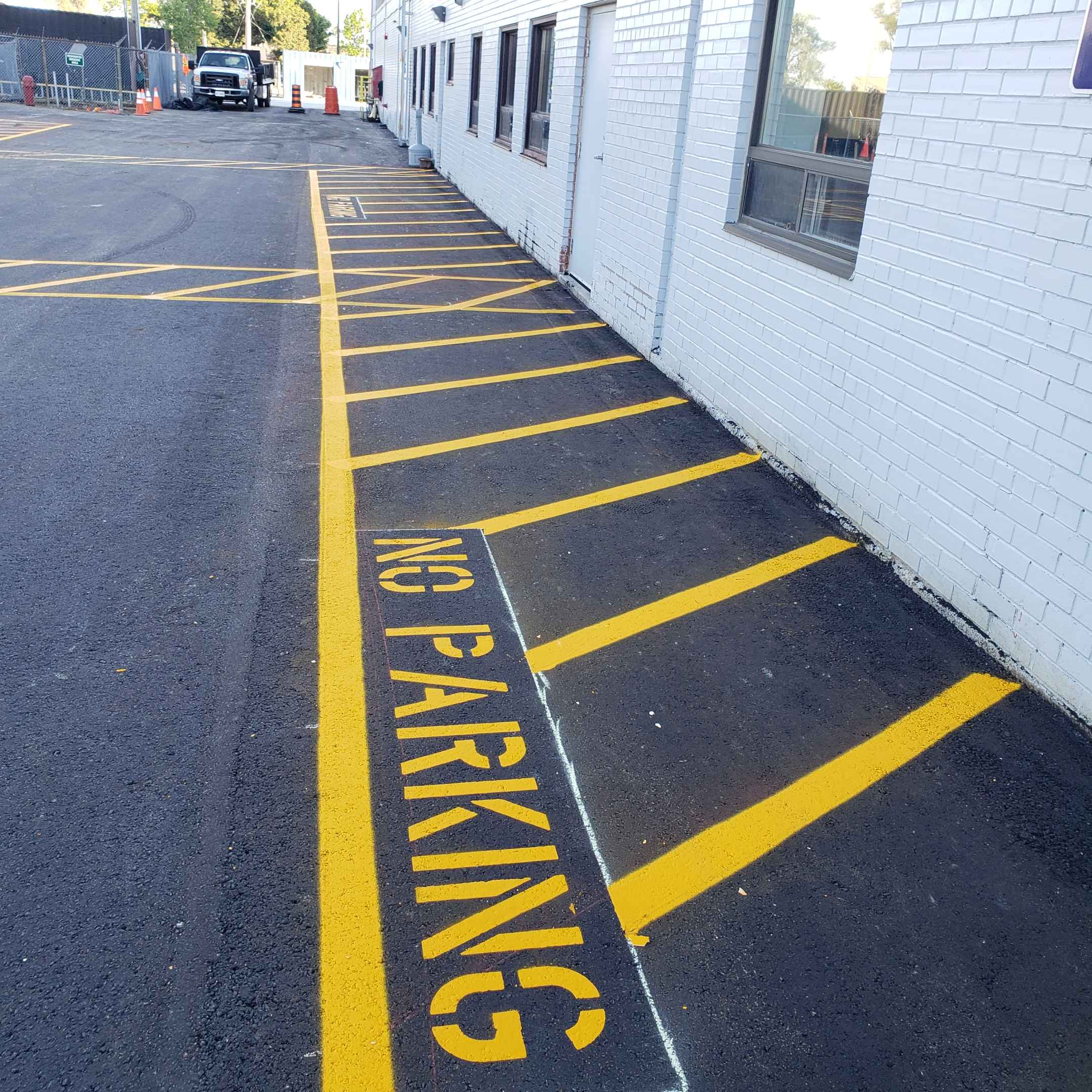
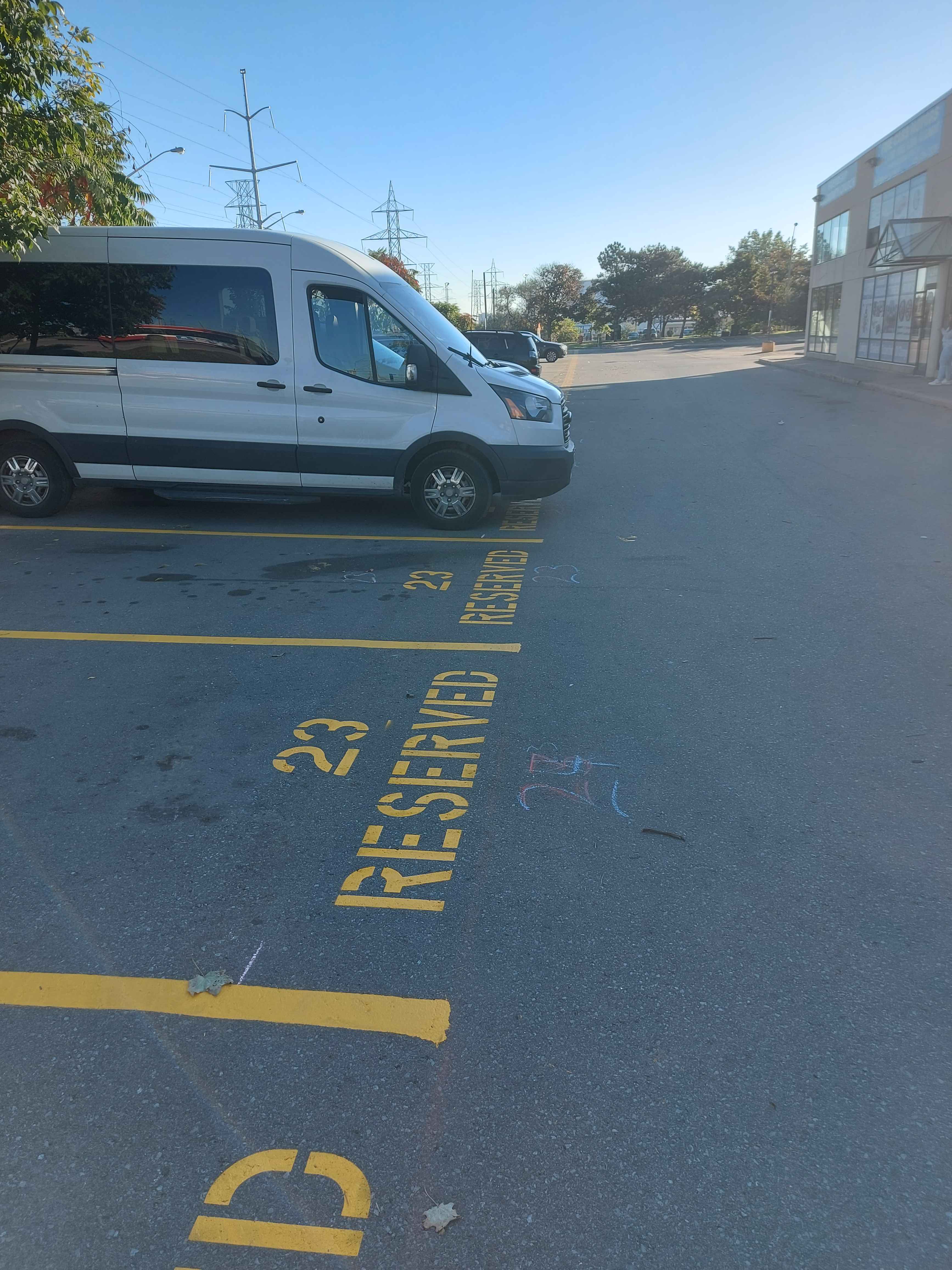
Effective parking lot management involves more than just fixing holes. It is a combination of structural repair and visual clarity. Once your cracks are professionally sealed and the surface is stabilized, the next step is ensuring your lot is navigable and compliant with local regulations.
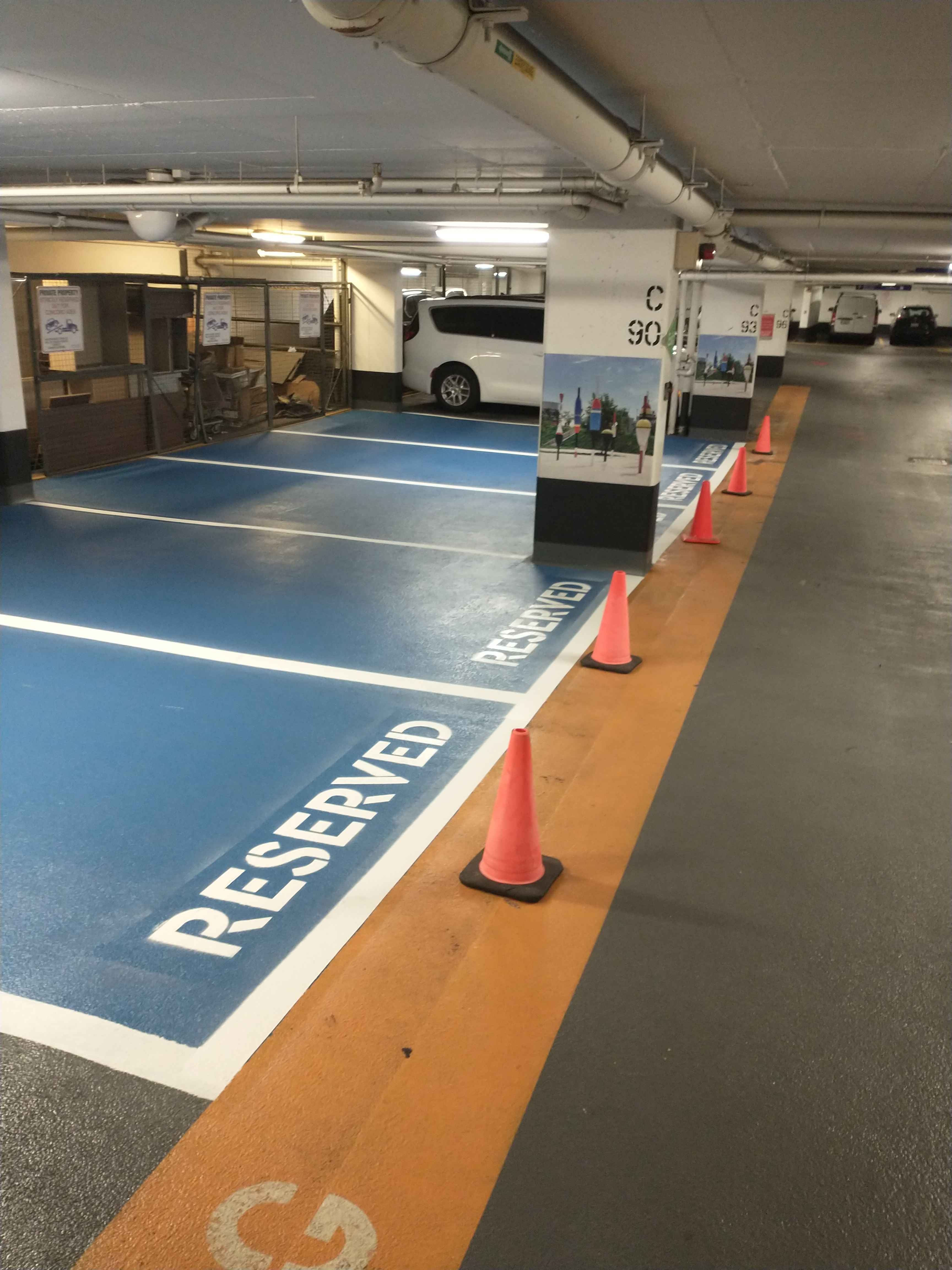
This is where Line Marking becomes essential. Clear, bright lines guide traffic, designate handicap spaces, and ensure that your lot operates efficiently. When you combine high-quality crack repair with professional Line Painting, you extend the life of your asphalt by years.
Don't Wait for Total Failure
The most cost-effective way to manage your asphalt is through proactive maintenance. By addressing cracks when they first appear, you prevent the need for expensive resurfacing or complete repaving. Capital Parking Lot Line Painting specializes in identifying these issues before they become catastrophes.