What Happens If You Skip Sealcoating for Several Years?
Asphalt is the backbone of commercial property accessibility, but it is far from indestructible. Understanding the lifecycle of your pavement is key to long-term savings.

For many property managers and business owners, asphalt maintenance often falls to the bottom of the "to-do" list. It is easy to look at a relatively smooth parking lot and assume it is fine. However, asphalt is a living, breathing material that is constantly under siege from UV rays, water, oil, and heavy traffic. When you skip sealcoating for several years, you aren't just delaying a maintenance task; you are actively allowing the structural integrity of your pavement to degrade.
At Capital Parking Lot Line Painting, we see the aftermath of deferred maintenance every single season. What could have been a simple protective coating application often turns into a massive reconstruction project due to neglect.
The Science of Asphalt Decay
To understand why skipping sealcoating is dangerous, you first have to understand what sealcoating actually does. Sealcoating acts as a sacrificial barrier. It is a layer of protective material designed to take the brunt of environmental damage so the asphalt underneath doesn't have to.
1. Oxidation and UV Damage
Sunlight is one of the most aggressive enemies of asphalt. UV radiation causes a process called oxidation, which dries out the bitumen (the "glue" that holds the rocks together). As the bitumen loses its flexibility, the asphalt turns from deep black to a light gray. This graying is the first sign that your pavement is becoming brittle. Once it is brittle, it can no longer expand and contract with temperature changes, leading to cracks.
2. Water Infiltration
In a top 30 city like Kitchener, our weather patterns can be brutal. We experience freeze-thaw cycles that are devastating to unsealed asphalt. When small cracks form due to oxidation, water seeps into the sub-base. When that water freezes, it expands, widening the cracks from the inside out. This is how minor surface issues transform into deep potholes.
3. Chemical and Oil Erosion
Parking lots are high-traffic areas for vehicles. Oil, gasoline, and hydraulic fluids are common in any lot. Without a sealcoat, these chemicals act as solvents, dissolving the bitumen and creating soft spots that eventually collapse under the weight of a vehicle.
The Progression of Neglect
If you choose to skip your maintenance schedule, your parking lot will likely follow this predictable, and expensive, trajectory:
- Year 1-2: Fading color (graying) and loss of surface texture.
- Year 3-4: Hairline cracks appear and surface raveling (loss of aggregate) begins.
- Year 5+: Deep cracks, potholes, and base failure occur.
- The Final Stage: Full-depth reclamation or complete asphalt replacement is required.
The Domino Effect: Safety and Visibility
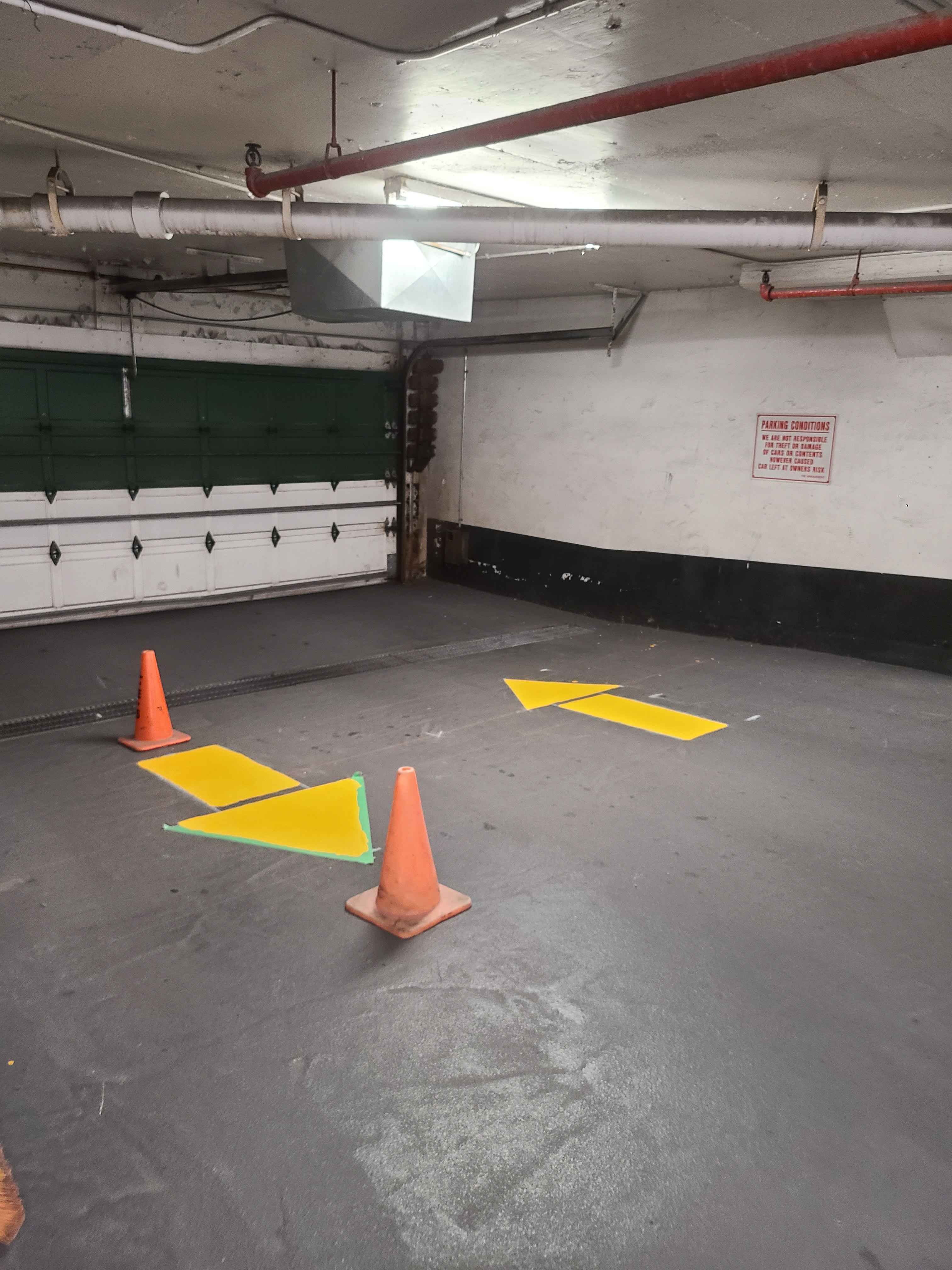
It isn't just about the pavement itself; it's about the functionality of the entire lot. As the surface degrades, the visual cues that guide drivers become lost. This is where Capital Parking Lot Line Painting plays a crucial role in your property's safety profile.
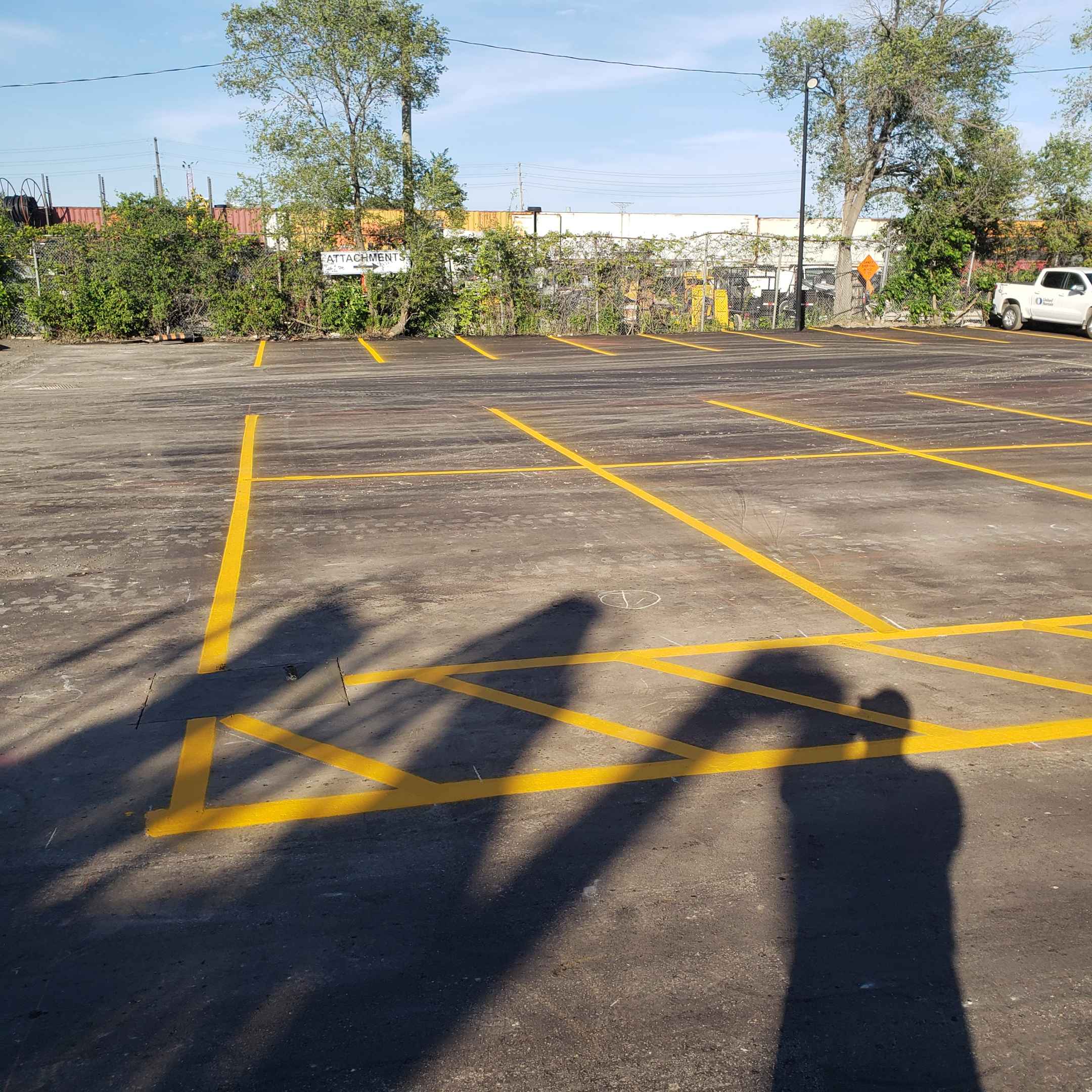
When asphalt becomes weathered and gray, the contrast between the pavement and your Line Marking disappears. Faded lines lead to confused drivers, improper parking, and increased risk of collisions within your property. Furthermore, as potholes form, they become significant trip hazards for pedestrians, creating massive liability concerns for property owners in Kitchener.
Combining regular sealcoating with fresh Line Painting ensures that your lot remains both structurally sound and visually navigable.
How to Avoid the "Repair Trap"
The best way to manage a parking lot is to be proactive rather than reactive. If you wait until the damage is visible to the naked eye, you have likely already missed the window for cost-effective maintenance. Capital Parking Lot Line Painting recommends a strict maintenance schedule to keep your costs low and your curb appeal high.
Proactive Maintenance Checklist:
- Perform annual inspections for cracks or oil spots.
- Sealcoat every 2 to 4 years depending on traffic volume.
- Schedule Line Marking updates alongside sealcoating to maximize efficiency.
- Clean debris and prevent organic growth (weeds) in cracks immediately.
Visualizing the Difference
A well-maintained, sealed lot looks like this.
Conclusion
Skipping sealcoating for several years is a gamble that the house rarely wins. The money saved in the short term is almost always eclipsed by the massive costs of asphalt replacement and the potential liabilities of a damaged lot. Protect your investment, ensure driver safety with professional Line Painting, and keep your property looking its best by staying ahead of the wear and tear.
If you are unsure about the current state of your asphalt, contact Capital Parking Lot Line Painting today for a professional assessment.