How Often Should Temporary Construction Zones Be Repainted?
Navigating a construction site requires precision, clarity, and, most importantly, highly visible guidance. When roadwork or site development begins, the standard rules of the road are often rewritten, making temporary line marking a critical component of site safety.
The Critical Role of Temporary Line Marking
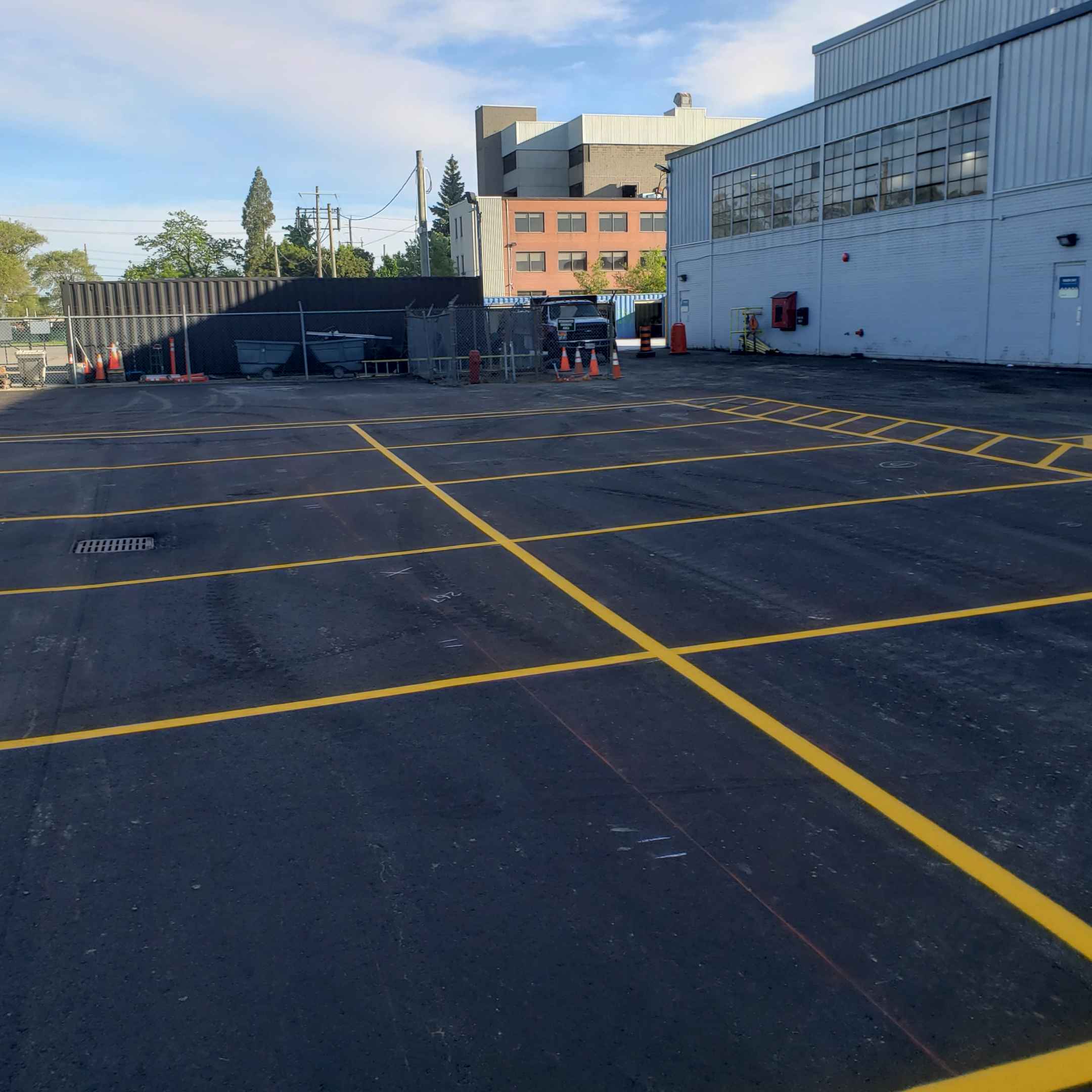
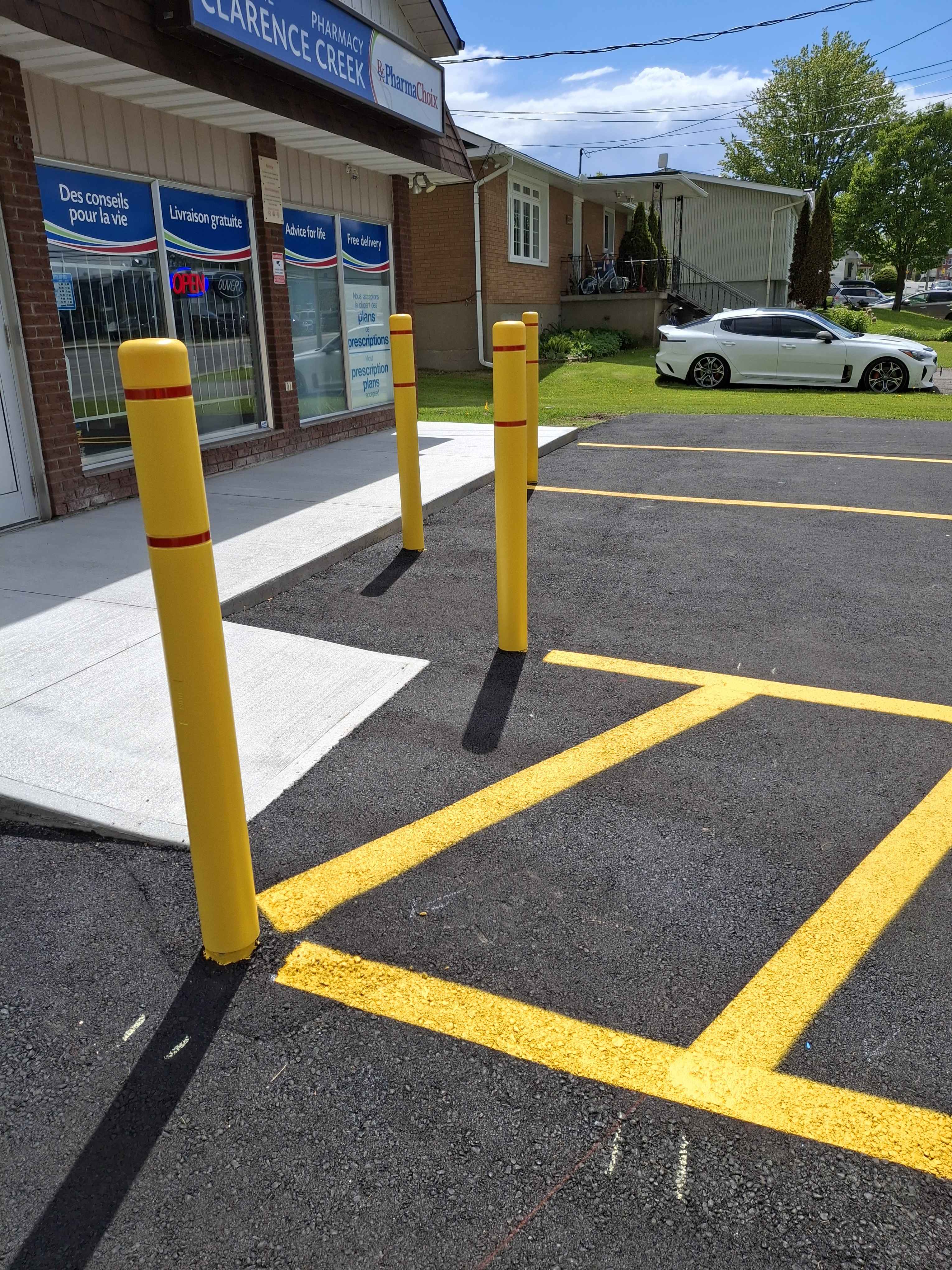
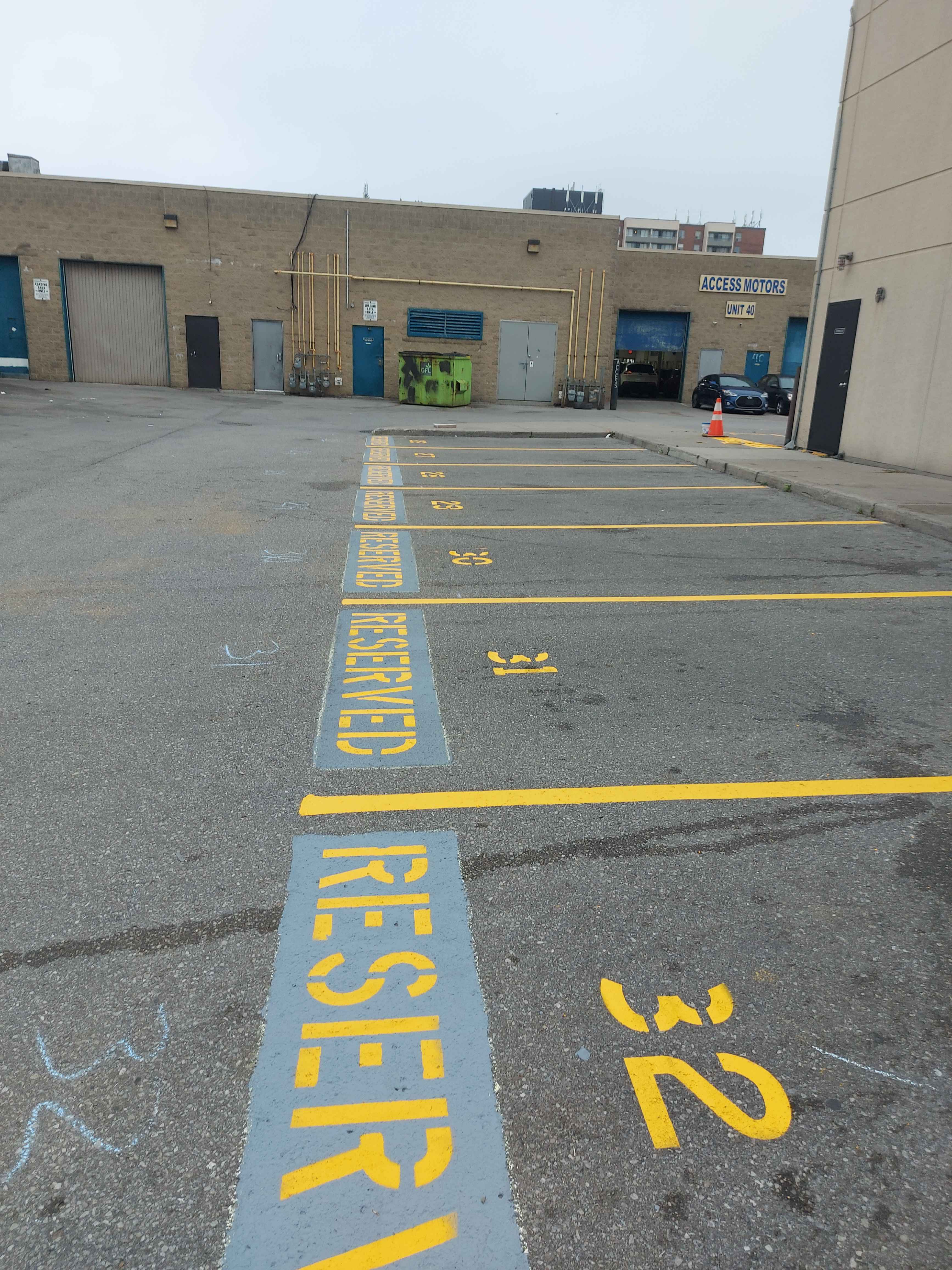
In any active development project, the landscape is constantly shifting. What was a straight thoroughfare yesterday might be a complex series of diversions today. This is where professional line painting becomes more than just an aesthetic choice; it becomes a safety necessity. Temporary markings guide drivers, cyclists, and pedestrians through altered paths, preventing confusion and reducing the likelihood of accidents.
For municipalities and private developers in a growing hub like Cambridge, maintaining these markings is a legal and ethical responsibility. When lines fade or become obscured by dust and debris, the risk of vehicle incursions into work zones increases exponentially. This is why partnering with experts like Capital Parking Lot Line Painting is essential to ensure that temporary markings meet rigorous safety standards.
Determining the Repainting Frequency
There is no "one size fits all" answer to how often temporary zones should be repainted. The frequency depends on several variables that can drastically alter the lifespan of the paint. However, most project managers should look for signs of degradation rather than sticking to a rigid calendar.
Key Factors Influencing Durability
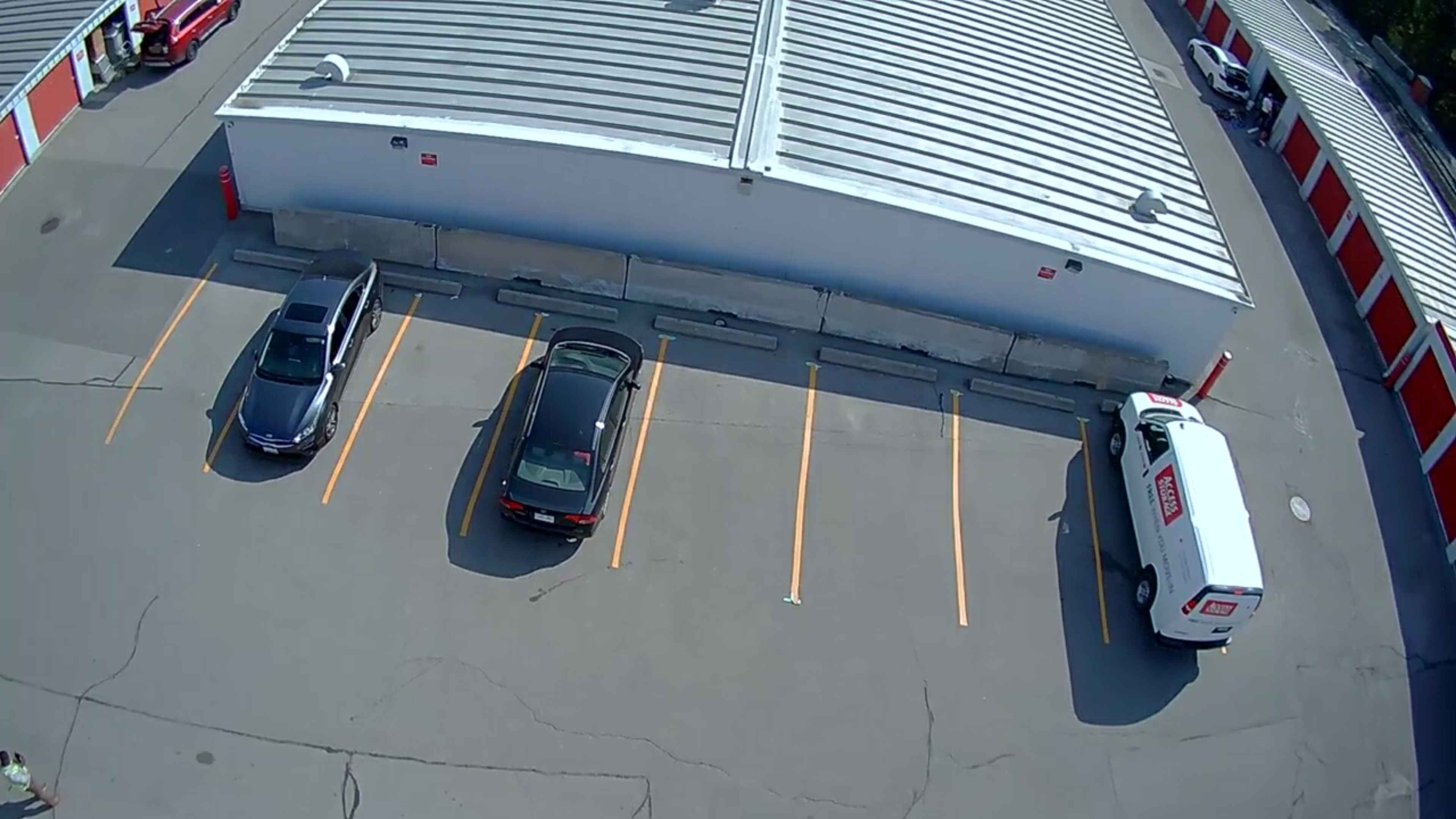
- Traffic Volume: High-density areas with heavy truck traffic will wear down line marking much faster than residential side streets.
- Weather Conditions: In Ontario, the cycle of extreme heat, heavy rain, and freeze-thaw cycles can cause paint to crack or peel prematurely.
- Surface Type: New asphalt is often more porous and can absorb certain types of line marking, requiring more frequent touch-ups.
- Environmental Debris: Construction sites are inherently dusty. Dirt, gravel, and mud can coat the lines, making them invisible even if the paint is technically intact.
- Material Quality: Using high-grade, heavy-duty materials provided by professionals like Capital Parking Lot Line Painting ensures longer-lasting results.
Common Signs You Need Immediate Line Painting
Waiting for a line to disappear completely is a dangerous strategy. Instead, project supervisors should conduct weekly inspections. If you notice any of the following, it is time to call in the experts:
- Fading: When the color loses its vibrancy and begins to blend into the pavement.
- Chipping: Small fragments of paint breaking away from the surface.
- Obscuration: When dust, oil spills, or debris cover the markings.
- Inconsistency: When the width or pattern of the lines becomes uneven due to wear.
Expert Solutions for Complex Sites
Whether you are managing a large-scale infrastructure project in Cambridge or a small commercial renovation, Capital Parking Lot Line Painting provides the precision needed to keep your site compliant and safe.
The Risks of Neglecting Temporary Markings
Neglecting the upkeep of line marking in construction zones can lead to significant liabilities. Beyond the immediate physical danger to workers and commuters, there is the risk of project delays. If a safety inspector deems the site markings insufficient, work may be halted until the issue is rectified. Furthermore, the reputational damage to a construction firm due to a preventable accident can be irreparable.
By implementing a proactive maintenance schedule, you ensure that the flow of traffic remains uninterrupted and that your site remains a model of professional safety standards.
Conclusion
While the exact frequency of repainting varies, the rule of thumb is to prioritize visibility. In high-traffic or harsh-weather environments, a monthly inspection is highly recommended. Don't wait for an accident to occur before you realize your markings have faded. Invest in high-quality line marking services to protect your crew, your clients, and the public.