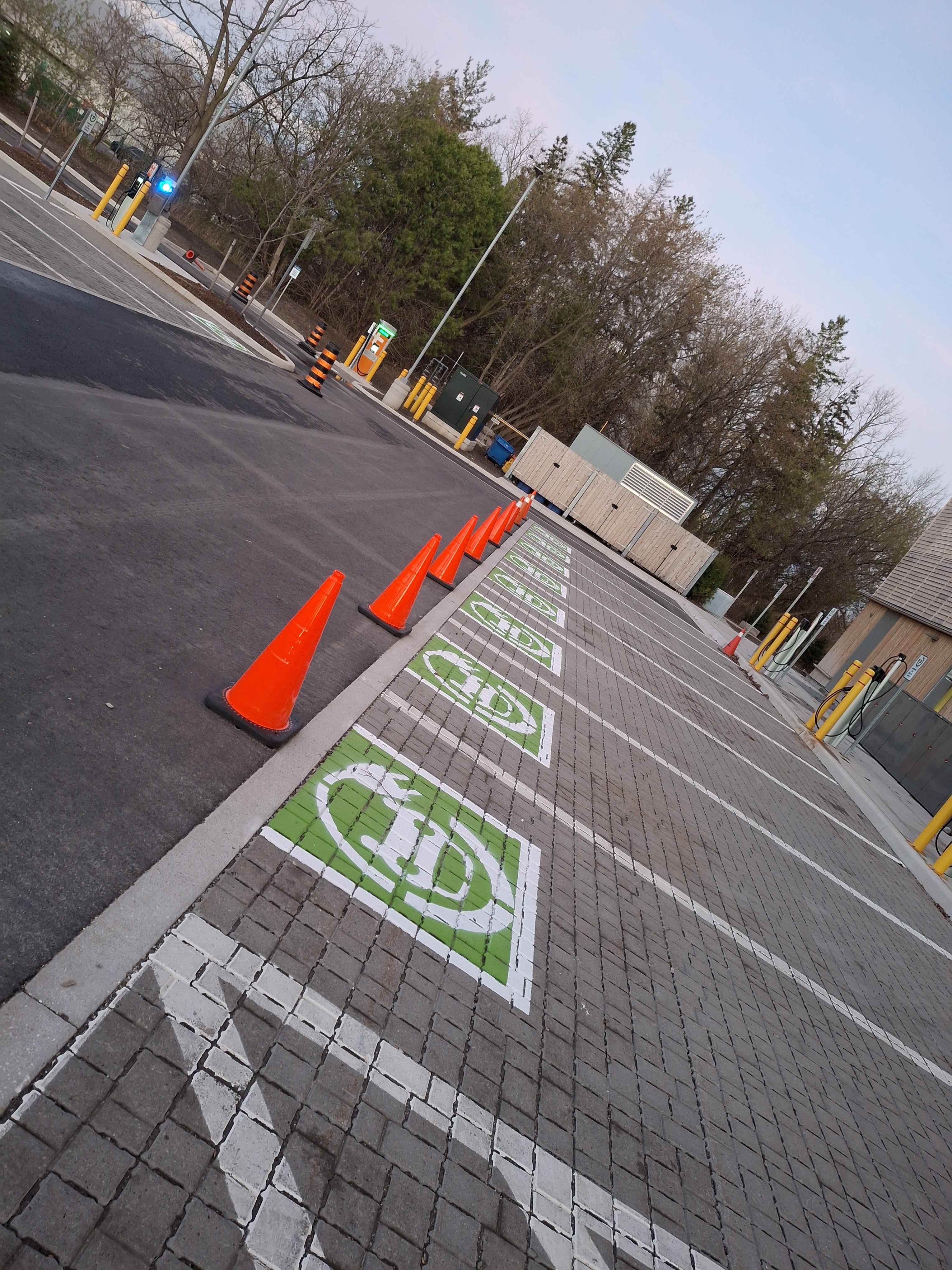
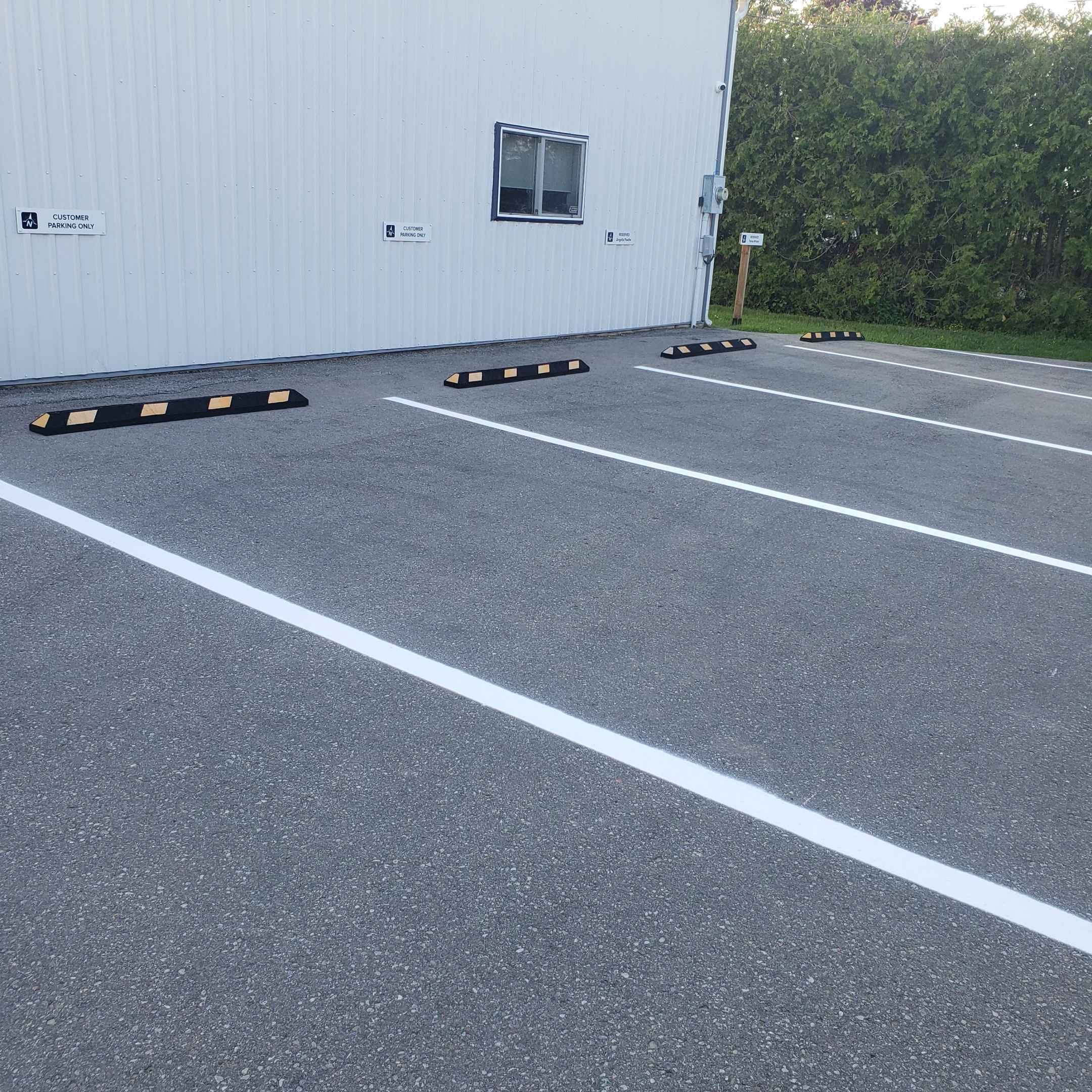
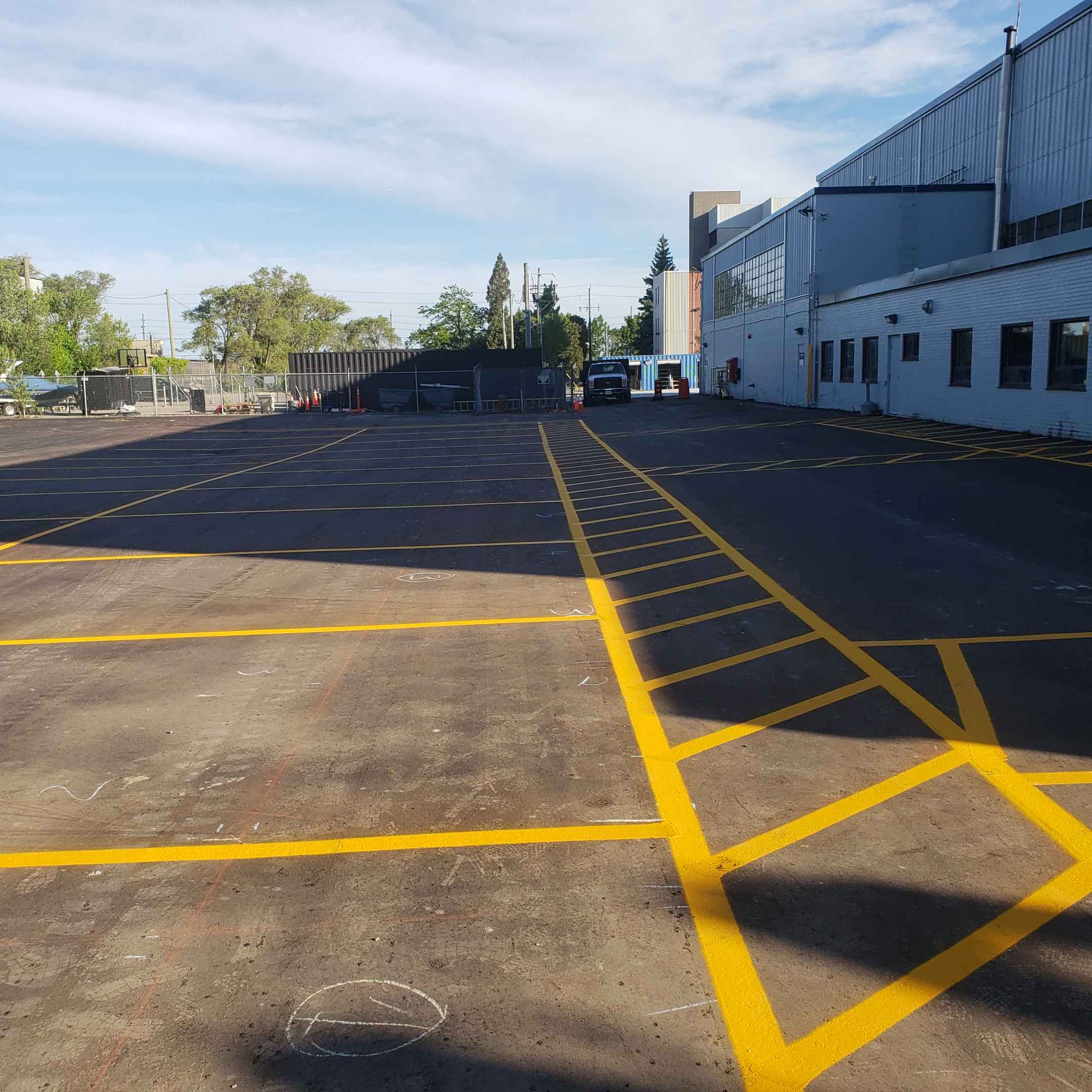
What Facility Managers Should Know About Thermoplastic Marking
Ensuring safety, compliance, and longevity in high-traffic environments requires more than just standard maintenance; it requires the right materials.
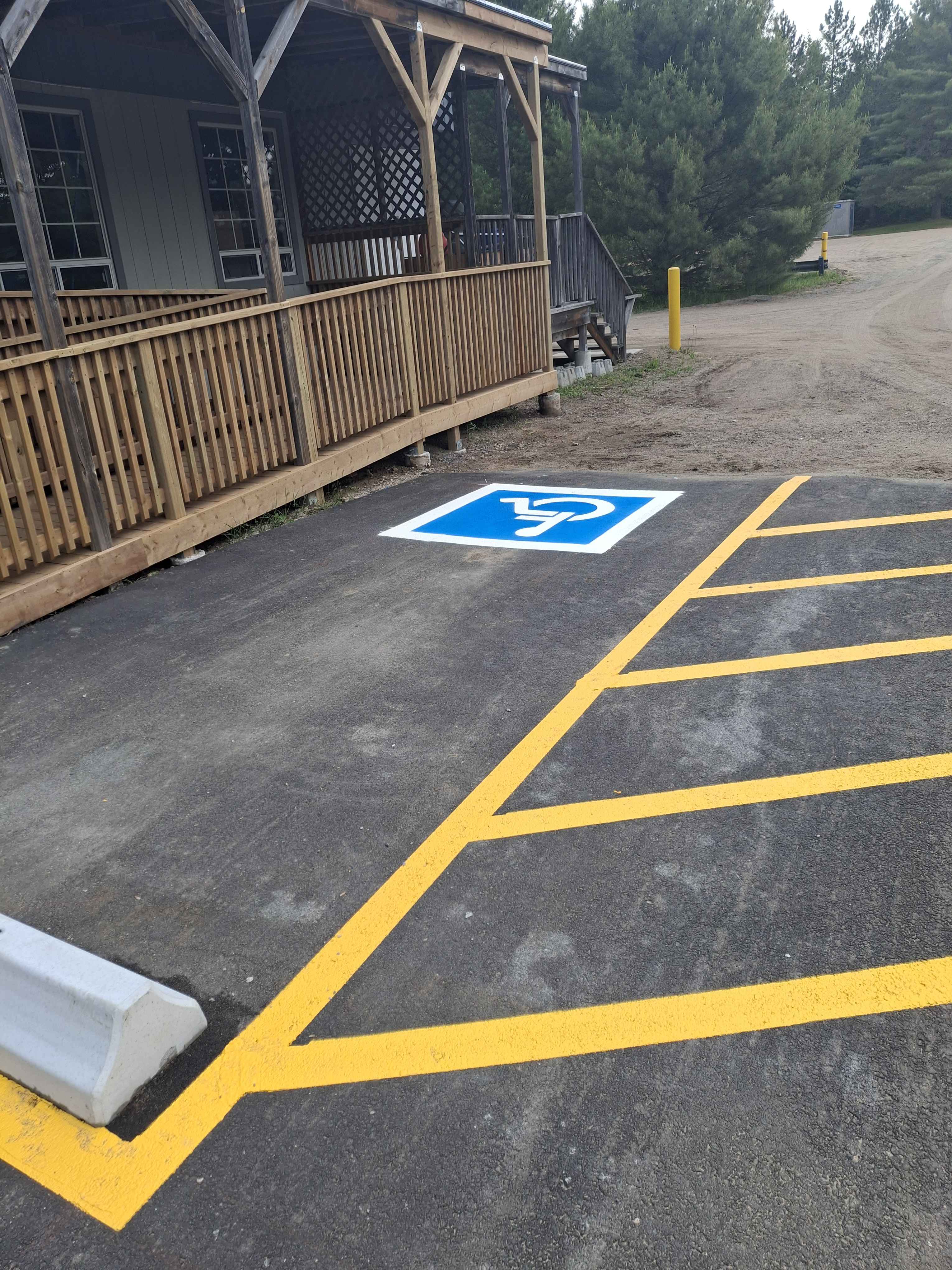
For facility managers overseeing large industrial complexes, shopping centers, or municipal parking lots, the challenge of maintaining clear, visible, and durable pavement markings is constant. Standard paint often fails to withstand the heavy friction of vehicle tires and the harsh weather conditions found in Ontario. This is where thermoplastic marking becomes a game-changer.
At Capital Parking Lot Line Painting, we understand that facility managers aren't just looking for a quick fix; they are looking for long-term asset management solutions. Choosing the right material can mean the difference between repainting every season and enjoying years of high-visibility performance.
What is Thermoplastic Marking?
Unlike traditional liquid-based line painting, thermoplastic is a specialized material that is applied in a heated, molten state. It consists of a blend of resins, pigments, and glass beads. When applied to the pavement, it cools rapidly and bonds aggressively to the surface, creating a thick, durable layer that sits on top of the asphalt or concrete rather than just soaking into it.
In a bustling city like Burlington, where weather transitions can be extreme, having a marking system that can withstand freeze-thaw cycles and heavy salt usage is critical for maintaining safety standards.
Key Benefits for High-Traffic Facilities
Why should a facility manager opt for thermoplastic over traditional methods? The advantages extend far beyond simple aesthetics. When you partner with professionals like Capital Parking Lot Line Painting, you are investing in several key performance areas:
- Extreme Durability: The high-melt application creates a robust bond that resists abrasion from heavy vehicle traffic.
- Superior Reflectivity: The integration of glass beads ensures that lines remain highly visible even in low-light or nighttime conditions.
- Rapid Curing: Once applied, thermoplastic hardens almost instantly, allowing for minimal downtime in busy parking areas.
- Color Retention: The pigments used in thermoplastic are highly resistant to UV degradation, preventing the fading common with standard line painting.
- Enhanced Safety: High-contrast, bright markings reduce the risk of accidents in pedestrian zones and loading docks.
Strategic Implementation: When to Choose Thermoplastic
Not every marking project requires the heavy-duty nature of thermoplastic. However, facility managers should prioritize this method for specific high-impact zones. If you are managing properties in Burlington, consider thermoplastic for the following areas:
1. High-Volume Intersection Markings
Areas where vehicles frequently turn or brake sharply experience intense friction. Thermoplastic provides the necessary resistance to prevent the markings from wearing away prematurely.
2. Pedestrian Crosswalks
Safety is paramount in zones where foot traffic meets vehicle traffic. The high reflectivity of thermoplastic ensures that pedestrians are visible and drivers are alerted to crossings.
3. Loading Docks and Industrial Zones
In industrial settings, heavy machinery and freight trucks put immense stress on pavement markings. Using a professional service like Capital Parking Lot Line Painting ensures these critical zones stay compliant and safe.
Ready to Upgrade Your Facility?
Don't wait for your current markings to fade into obscurity. Proactive maintenance with high-quality thermoplastic marking can save your facility significant time and operational headaches in the long run.
Common Mistakes to Avoid
Even with superior materials, the success of your line marking project depends on execution. Facility managers should be wary of the following:
- Ignoring Surface Preparation: Thermoplastic requires a clean, dry surface to bond effectively.
- Incorrect Temperature Control: If the material isn't heated to the exact specification, it won't bond correctly.
- Choosing the Wrong Application Method: Standard line painting equipment cannot be used for thermoplastic; specialized machinery is required.