Top Misconceptions About Sealcoating in Commercial Lots
Don't let common myths compromise the longevity and safety of your commercial asphalt investment.
Maintaining a commercial parking lot is a significant responsibility for property managers and business owners. In a bustling economic hub like Markham, where traffic volume and weather fluctuations can be intense, the integrity of your asphalt is paramount. However, many decision-makers fall victim to common myths regarding sealcoating—a process that is often misunderstood or undervalued.
At Capital Parking Lot Line Painting, we see firsthand how these misconceptions lead to premature pavement failure and unnecessary repair costs. Understanding the reality of sealcoating can help you make informed decisions that protect your property's curb appeal and structural health.
Misconception #1: Sealcoating is Just for Aesthetics
One of the most prevalent myths is that sealcoating is merely a "cosmetic fix" designed to make an old, gray parking lot look black and new again. While a fresh coat of sealer certainly enhances the visual appeal of a commercial property, its primary function is protective.
Asphalt is a petroleum-based product. Over time, exposure to UV rays, water penetration, and chemical spills (like oil and gasoline) causes the bitumen to oxidize and harden. Once the binder becomes brittle, the asphalt begins to crack. Sealcoating acts as a sacrificial barrier, absorbing these environmental stressors so the underlying asphalt doesn't have to. Without it, you aren't just dealing with an ugly lot; you are dealing with a crumbling one.
Misconception #2: "It's a Permanent Solution"
Many property owners believe that once they sealcoat their lot, they are set for a decade. This is a dangerous assumption. Sealcoating is a preventative maintenance tool, not a permanent shield. The lifespan of a sealcoat depends heavily on traffic volume, local weather patterns in regions like Markham, and the quality of the application.
To maintain maximum protection, a regular maintenance schedule is required. Skipping even one maintenance cycle can allow small cracks to expand into potholes, which are far more expensive to repair than a standard sealcoating application. Capital Parking Lot Line Painting recommends regular inspections to ensure your protective layer is still performing its job effectively.
Misconception #3: You Can Skip Line Marking After Sealing
There is a common misunderstanding regarding the sequence of maintenance. Some believe that because they are sealcoating, they don't need to worry about their line marking or line painting for several years. In reality, the two services are symbiotic.
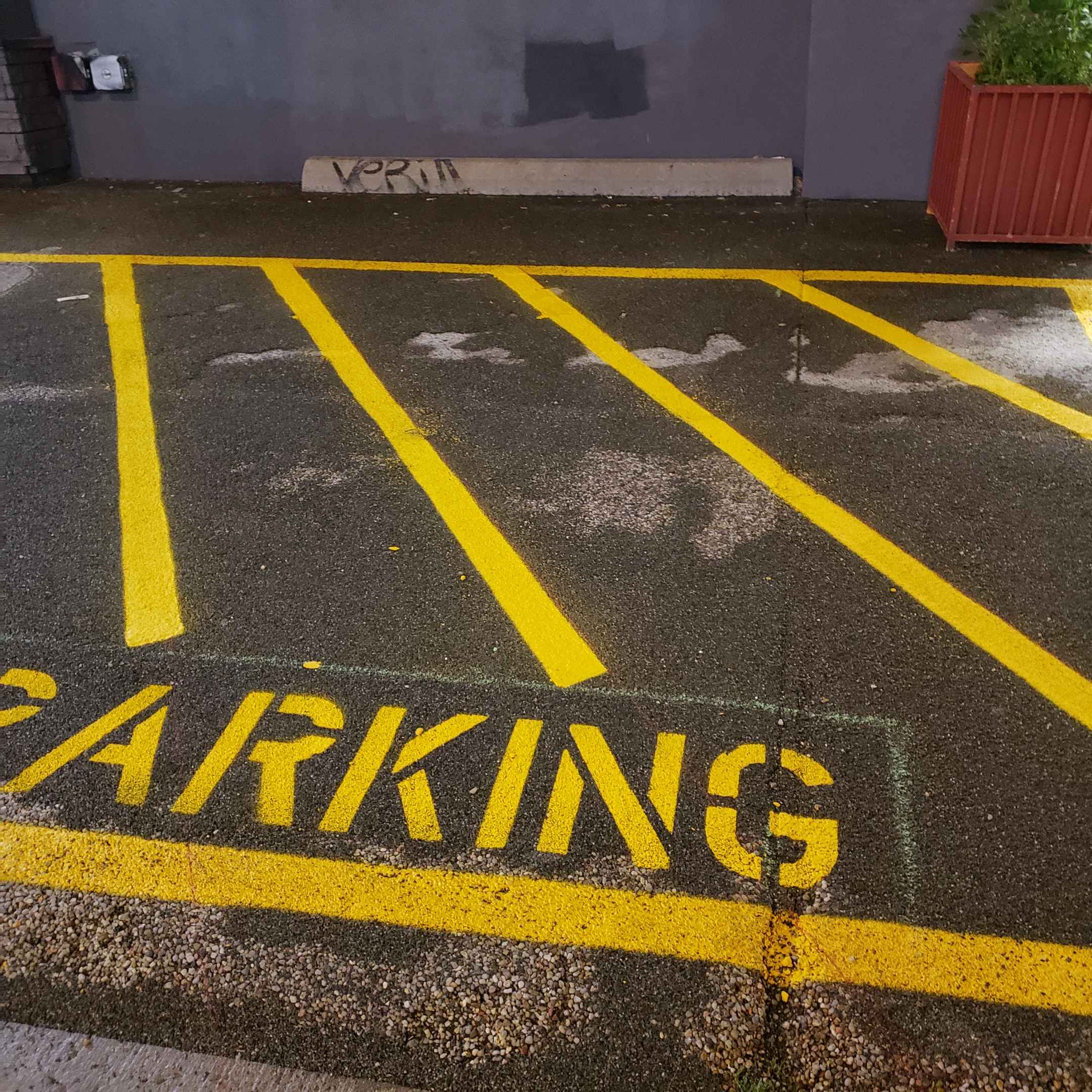
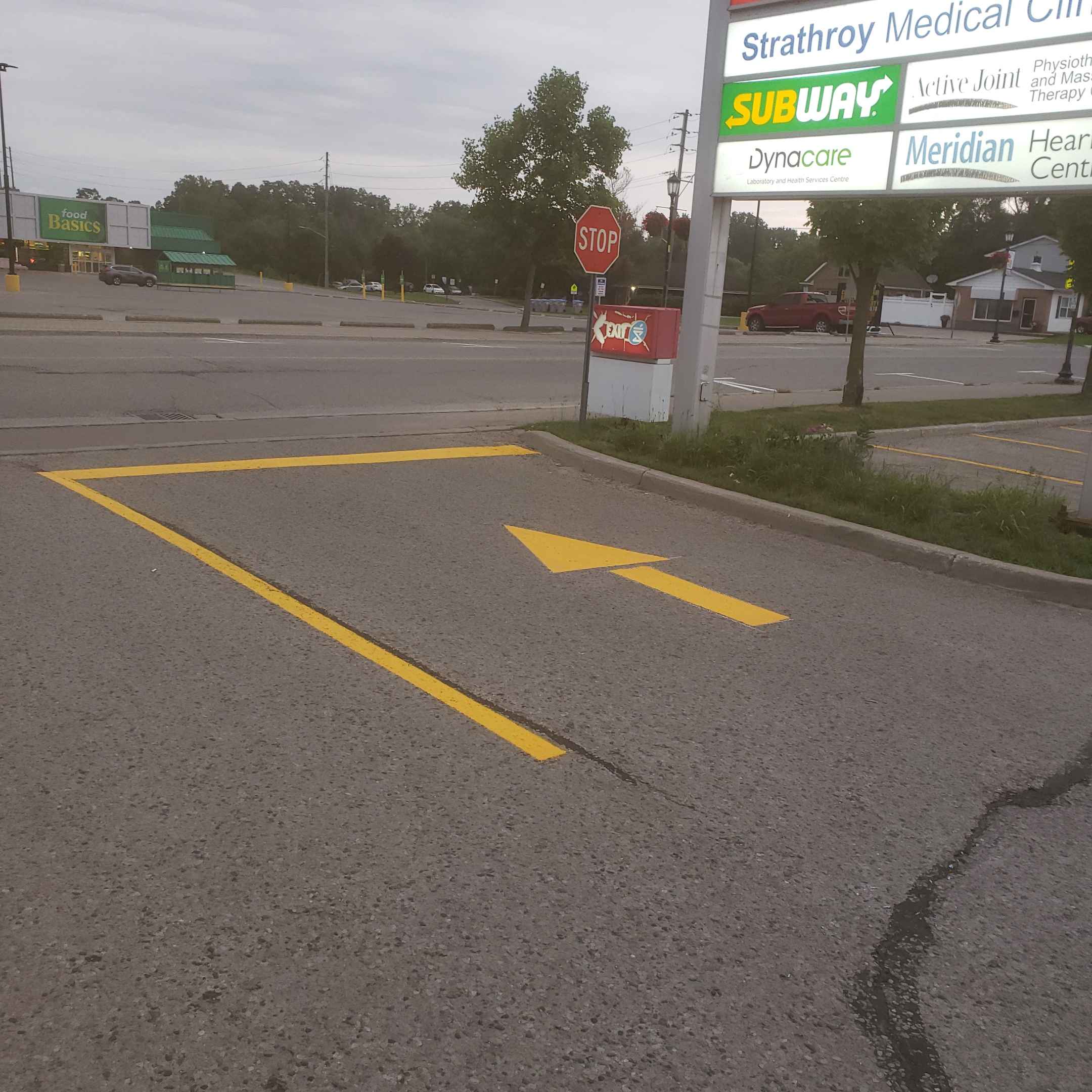
Applying high-quality line marking over a freshly sealcoated surface ensures that your parking stalls, handicap symbols, and directional arrows are crisp, highly visible, and safe for drivers. If your line painting is faded, the entire lot looks neglected, regardless of how black the asphalt is. Integrating professional line painting with your sealcoating routine provides a cohesive, professional look that screams "well-managed property."
The Real Benefits of Professional Sealcoating
- UV Protection: Blocks harmful solar radiation from oxidizing the asphalt binder.
- Waterproofing: Seals small cracks to prevent water from seeping into the sub-base.
- Chemical Resistance: Provides a barrier against oil, gas, and salt damage.
- Extended Lifespan: Significantly delays the need for costly asphalt resurfacing.
- Enhanced Safety: Provides a darker, high-contrast background for better line marking visibility.
Misconception #4: Any Sealant Will Do
In an attempt to save resources, some managers opt for "DIY" solutions or low-grade sealants found at big-box retailers. Commercial-grade asphalt requires heavy-duty, industrial-strength sealants that can withstand the weight of delivery trucks, heavy SUVs, and constant tire friction.
Professional crews like Capital Parking Lot Line Painting use specialized equipment and high-solids sealants designed specifically for the rigors of commercial use. A thin, watery application will peel and flake within months, leaving you in a worse position than before you started.
Summary of Best Practices
To avoid the pitfalls of these misconceptions, follow these professional guidelines:
- Schedule sealcoating every 2–4 years depending on usage.
- Always pair sealcoating with fresh line painting for maximum safety and aesthetics.
- Clean the surface thoroughly before application to ensure proper adhesion.
- Hire professionals who understand the specific climate needs of Ontario.
Quick Preview
Don't let myths dictate your maintenance budget. Learn why sealcoating is a structural necessity, not just a cosmetic upgrade, and how to properly time your line marking for the best results.