Top Misconceptions About Sealcoating in Commercial Lots
Don't let myths compromise your asphalt's longevity. Learn the truth about protecting your commercial investment.

For property managers and business owners in Brampton, maintaining a professional appearance is about more than just a clean storefront. It is about the very ground your customers walk and drive on. Asphalt is a massive investment, yet many decision-makers approach maintenance based on outdated information or common myths. At Capital Parking Lot Line Painting, we see these misconceptions play out frequently, often leading to neglected surfaces or improper maintenance schedules.
Sealcoating is often viewed as a purely aesthetic upgrade—a way to make a lot look "new" again. While a fresh coat certainly provides a striking, jet-black finish, its primary function is structural protection. Understanding the difference between cosmetic upkeep and preventative maintenance is the first step in effective asset management.
Misconception #1: Sealcoating is Only for Aesthetics
The most prevalent myth is that sealcoating is merely "black paint" for your driveway or parking lot. In reality, sealcoating acts as a sacrificial barrier. Your asphalt is constantly under attack from UV rays, water penetration, oil spills, and chemical runoff. Without a sealant, these elements penetrate the bitumen, causing the asphalt to become brittle and crack.
By employing professional services from Capital Parking Lot Line Painting, you aren't just buying a visual upgrade; you are purchasing time. A well-applied sealcoat prevents oxidation, which is the process that turns asphalt from deep black to a faded grey. Once oxidation sets in, the pavement loses its flexibility, leading to costly structural failures.
Misconception #2: You Can Wait Until You See Cracks to Act
Many property owners in Brampton—a top 30 city in Ontario with significant seasonal weather shifts—wait until they see visible cracks before calling in a professional. This is a reactive approach rather than a proactive one. By the time cracks are wide enough to be a tripping hazard or a vehicle concern, the damage has often reached the sub-base of the lot.
Sealcoating is a preventative measure designed to stop cracks before they start. When maintenance is performed on a regular cycle, you avoid the massive expense of full-scale asphalt replacement. Think of it like changing the oil in your vehicle; you don't wait for the engine to seize before you service it.
The Real Benefits of Regular Sealcoating
To clarify why this maintenance is essential, let's look at the core advantages of a professional application:
- Waterproofing: Prevents moisture from seeping into the base layers, which is critical during Ontario's freeze-thaw cycles.
- Chemical Resistance: Protects the surface from automotive fluids like oil, gasoline, and antifreeze.
- UV Protection: Shields the asphalt binder from solar degradation.
- Enhanced Visibility: Provides a high-contrast background for professional Line Marking and Line Painting.
- Increased Property Value: Maintains the curb appeal and structural integrity of the commercial asset.
Misconception #3: Sealcoating and Line Marking are the Same Thing
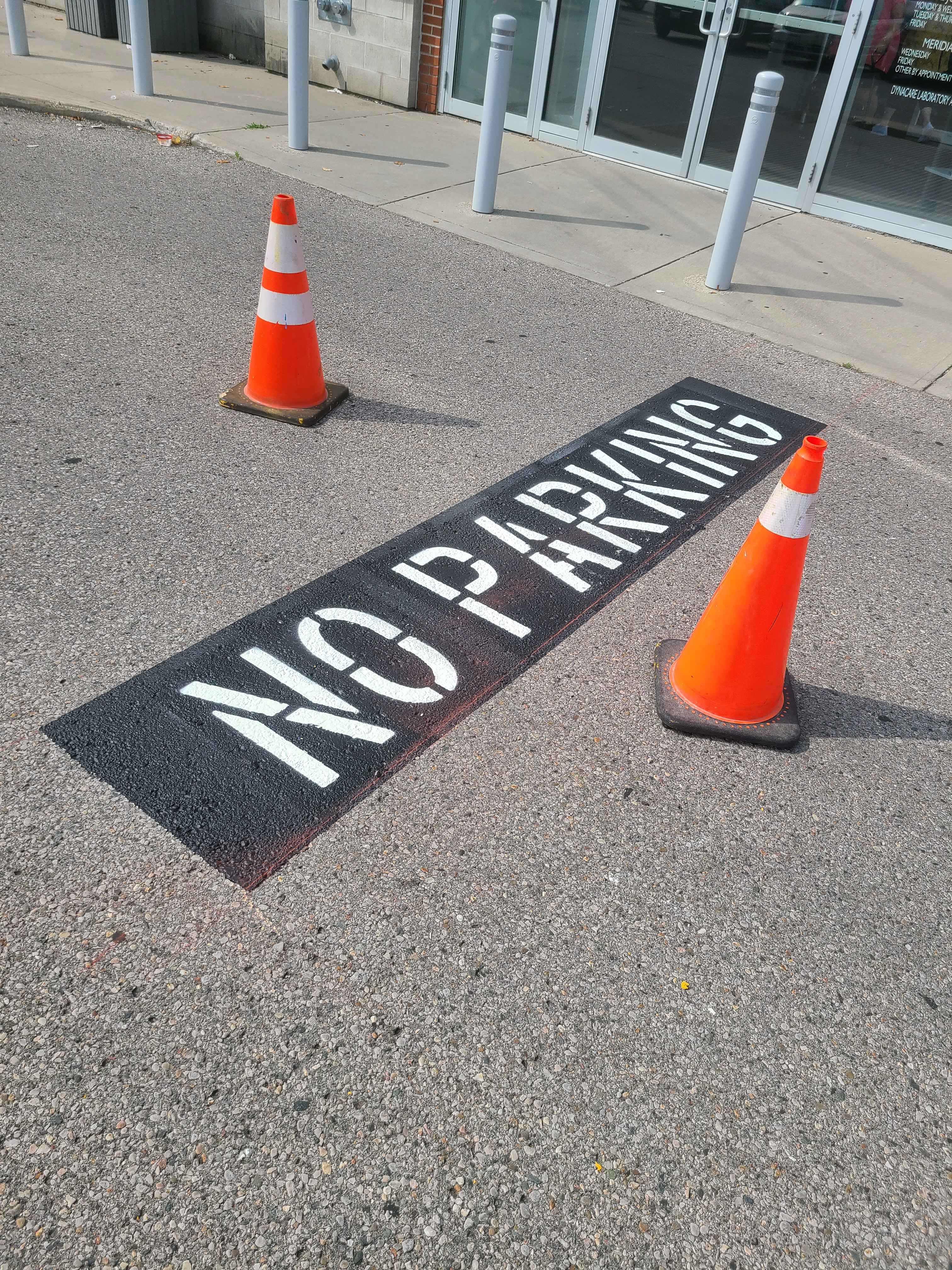
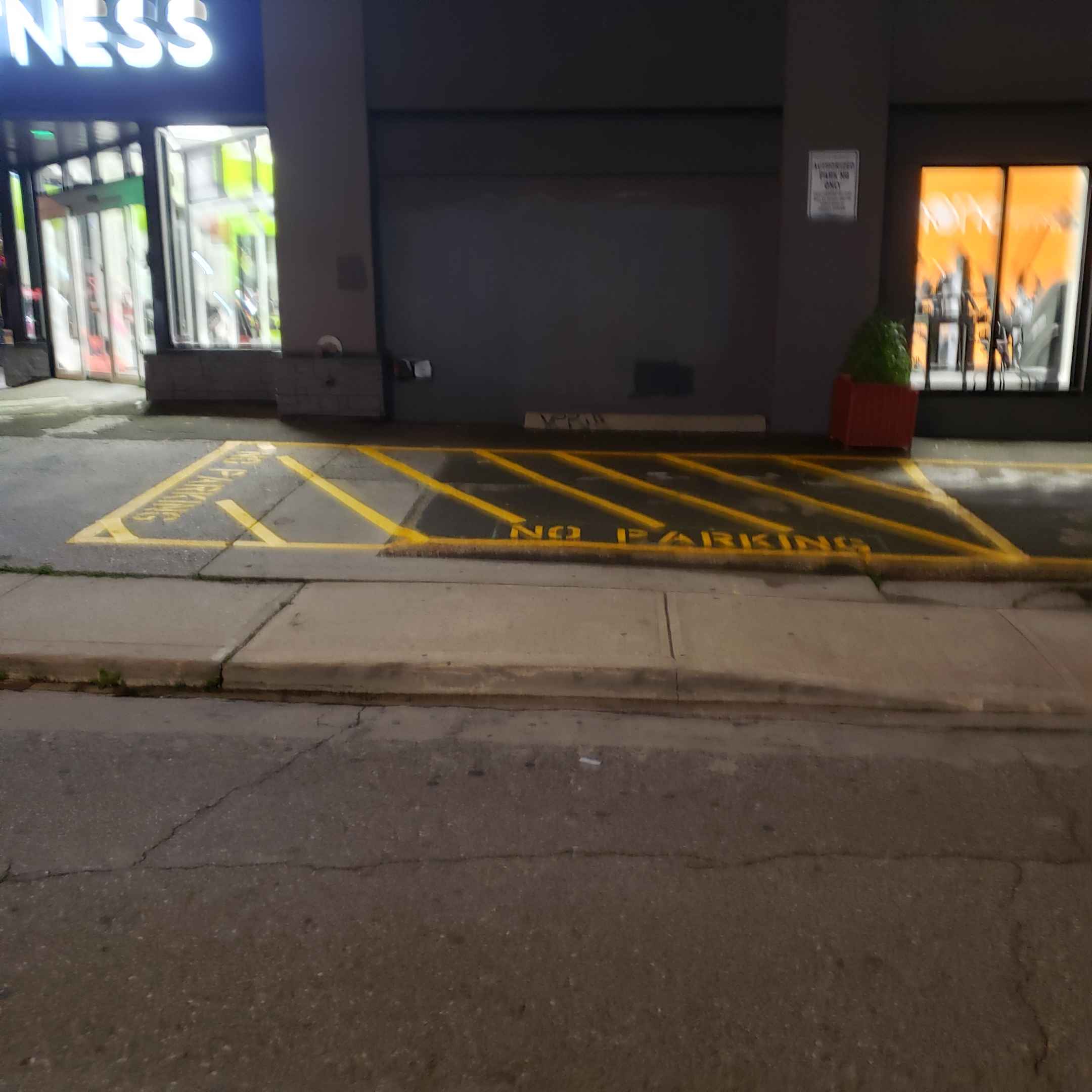
This is a common point of confusion for those new to facility management. Sealcoating is the protective layer applied to the entire surface. Line Marking, on the other hand, is the precision application of paint to designate parking stalls, fire lanes, and pedestrian walkways.
It is vital to coordinate these services. If you perform Line Painting on an old, weathered surface, the paint won't adhere properly. Conversely, if you sealcoat without planning for your Line Marking, you may end up with faded or obscured traffic patterns. Capital Parking Lot Line Painting specializes in integrating these two services to ensure a seamless, professional finish that meets safety standards.
Misconception #4: "DIY" Sealcoating is a Viable Option
With various products available at big-box hardware stores, some owners believe they can save resources by doing the job themselves. However, commercial-grade sealants are significantly different from residential DIY products. Commercial sealants are designed for heavy traffic loads and require specific application techniques to ensure uniform thickness and durability.
An uneven application can lead to "puddling," where water collects in low spots, accelerating asphalt decay. Professional crews use specialized equipment to ensure the sealant is applied at the correct mil thickness to withstand the heavy vehicles found in commercial environments.
Ready to Protect Your Lot?
Don't wait for the cracks to appear. Ensure your commercial property in Brampton remains safe, compliant, and visually appealing with expert maintenance.