Top Mistakes Facility Managers Make When Overlooking Cracks
Maintaining a pristine parking lot is more than just an aesthetic choice; it is a fundamental aspect of risk management and asset preservation.
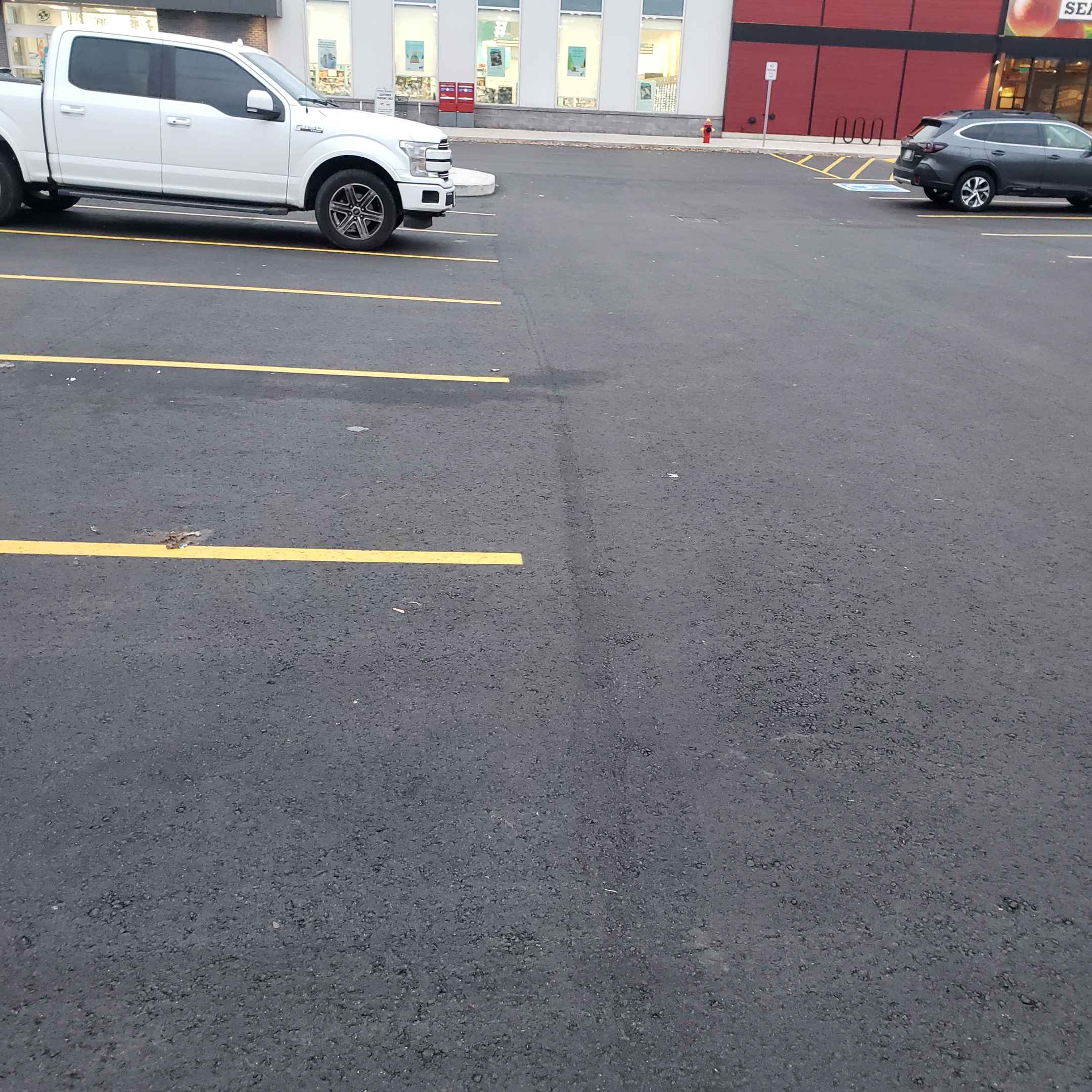
For facility managers, the daily grind involves a thousand small decisions. Often, the most critical decisions are the ones you *don't* make—specifically, the decision to ignore a small hairline crack in the asphalt. While a minor fissure might seem inconsequential today, it is often the precursor to a catastrophic failure tomorrow. In growing regions like Ajax, where weather fluctuations can be extreme, ignoring these signs is a gamble that rarely pays off.
At Capital Parking Lot Line Painting, we have seen firsthand how neglected surfaces evolve from minor nuisances into massive structural liabilities. Understanding where maintenance protocols fail is the first step toward effective property management.
1. The "Wait and See" Approach
The most common mistake is treating crack repair as a reactive task rather than a proactive one. Many managers adopt a "wait and see" mentality, believing that if a crack isn't causing a trip hazard yet, it doesn't require attention. This is a fundamental misunderstanding of how asphalt works.
Asphalt is a flexible pavement, but it is not invincible. Once a crack forms, water begins to seep into the sub-base. In a top 30 Ontario city like Ajax, the freeze-thaw cycle is relentless. Water enters the crack, freezes, expands, and widens the gap. By the time the crack is large enough to be "obvious," the underlying foundation is likely already compromised.
2. Confusing Cosmetic Fixes with Structural Integrity
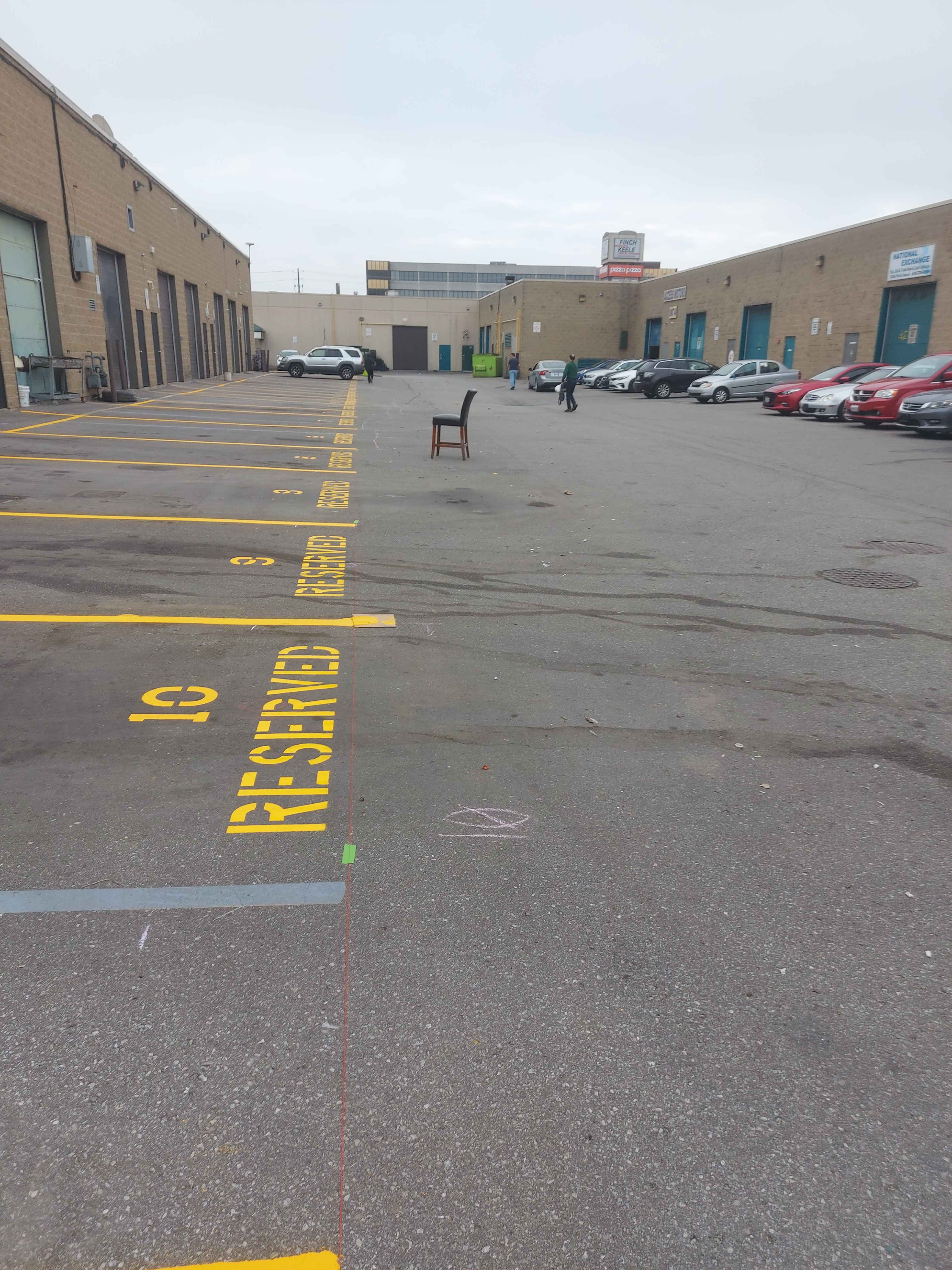
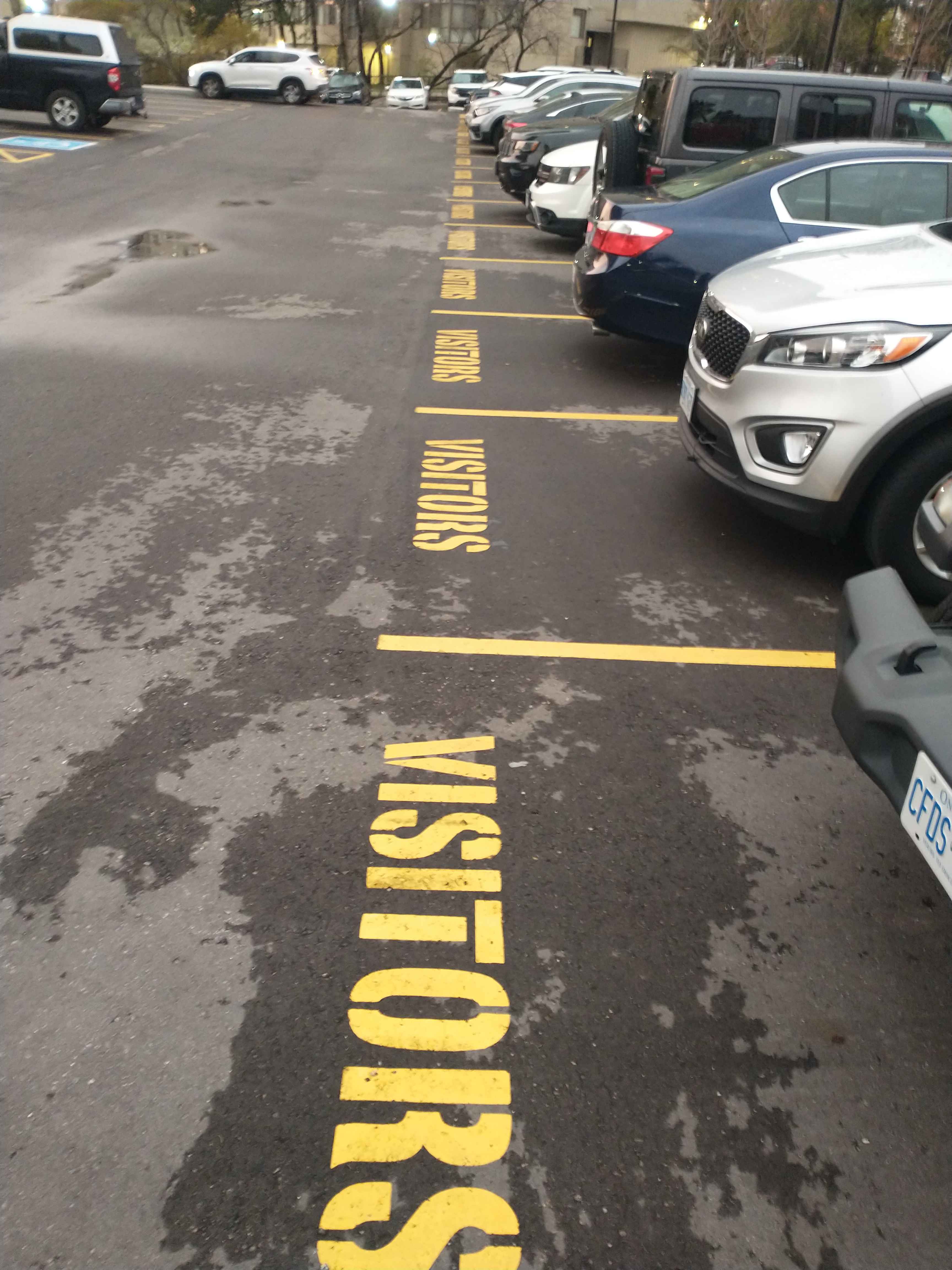
Another significant error is attempting to hide cracks with superficial treatments. Some managers attempt to use cheap fillers or simply paint over the cracks to make the lot look better for visitors. While Line Marking is essential for safety and organization, using it to mask structural damage is a recipe for disaster.
The Danger of Masking Damage
When you use Line Painting to cover a crack without properly sealing it, you are essentially creating a false sense of security. The moisture continues to penetrate beneath the new paint, accelerating the deterioration of the asphalt beneath the surface. Professional services like Capital Parking Lot Line Painting emphasize that sealing and marking are two distinct but equally important processes.
3. Neglecting the Synergy Between Sealing and Line Marking
A well-maintained lot requires a holistic approach. Many managers treat crack sealing, sealcoating, and Line Marking as isolated events. However, they are deeply interconnected. If you perform high-quality Line Painting on a surface that hasn't been properly repaired and sealed, the paint will peel and flake much sooner than expected.
To avoid these pitfalls, consider these essential maintenance steps:
- Regularly inspect the lot for hairline fractures and spiderweb cracking.
- Schedule professional crack filling before the winter freeze-thaw cycle begins.
- Ensure Line Marking is updated to maintain traffic flow and safety compliance.
- Coordinate sealcoating with crack repairs to ensure a uniform, long-lasting finish.
- Document all repairs to track the lifecycle of your pavement.
4. Underestimating Liability and Safety Risks
Beyond the physical damage to the asphalt, overlooking cracks introduces significant legal risks. A small crack that evolves into a pothole or a jagged edge becomes a trip-and-fall hazard. For a facility manager, this means potential lawsuits and increased insurance premiums.
Maintaining a smooth, well-marked surface is a primary defense against liability. By partnering with experts like Capital Parking Lot Line Painting, you ensure that your facility meets the highest standards of safety and professionalism.
Don't Let Small Cracks Become Big Problems
Proactive maintenance is the most cost-effective way to manage your parking assets. Start your inspection today and ensure your facility remains safe, accessible, and professional.