Top Mistakes Facility Managers Make When Overlooking Cracks
Small fissures today can become massive potholes tomorrow. Understanding the lifecycle of pavement is key to long-term facility success.
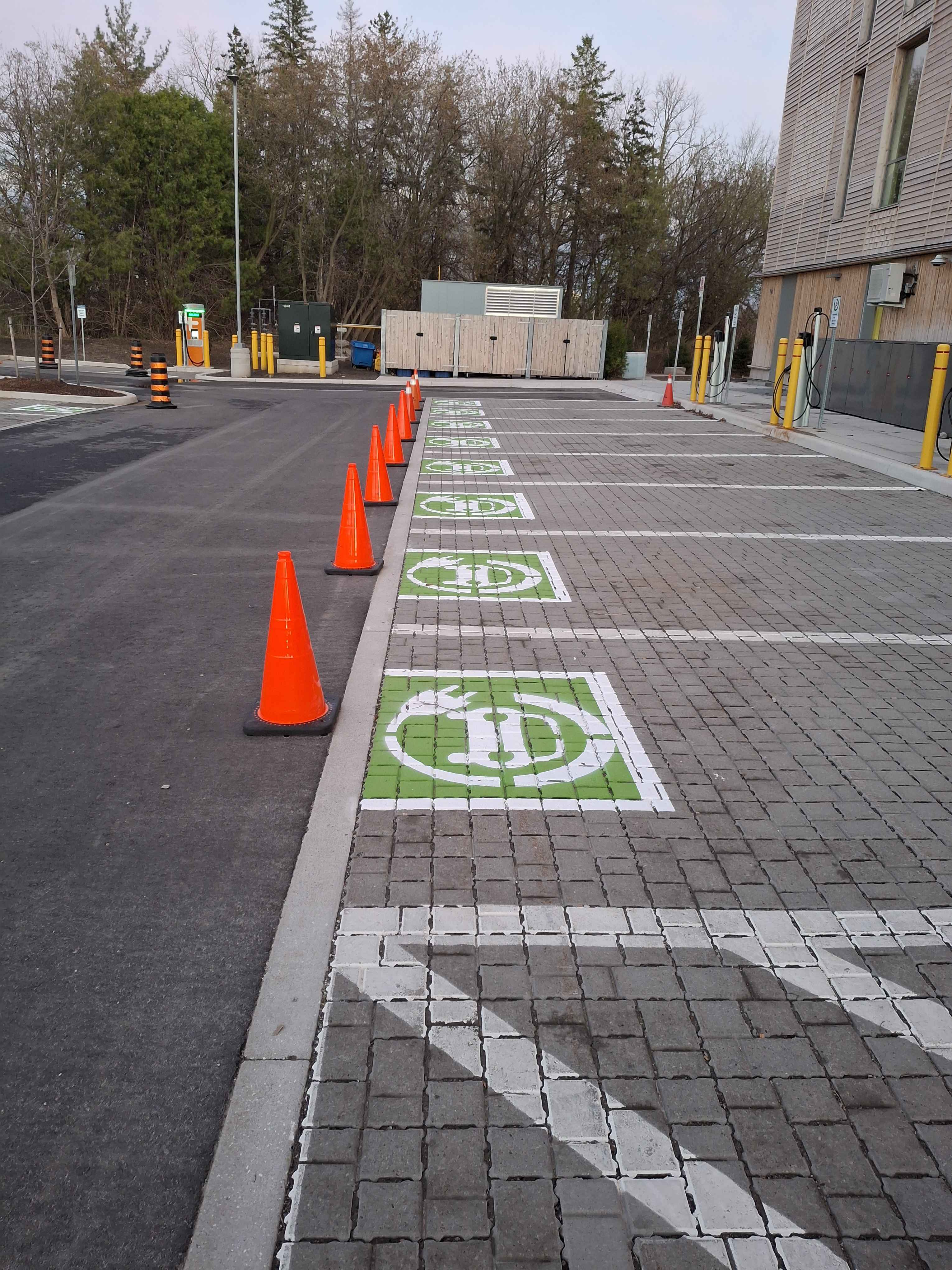
For facility managers overseeing large commercial properties, the parking lot is often the first thing a visitor sees. It serves as the gateway to your business, the first impression of your professionalism, and a critical piece of your property's infrastructure. However, in the hustle of daily operations, it is easy to let minor details slip through the cracks—literally.
In bustling areas like Burlington, where weather fluctuations can be extreme, pavement undergoes significant stress. Ignoring small cracks might seem like a way to manage immediate concerns, but it is a strategy that almost always backfires. At Capital Parking Lot Line Painting, we see firsthand how neglected maintenance leads to exponentially higher repair costs down the road.
1. The "Wait and See" Approach
The most common mistake is adopting a reactive rather than a proactive mindset. Many managers wait until a crack has expanded into a significant pothole or until the asphalt begins to crumble before calling in a professional. This "wait and see" attitude is dangerous because pavement degradation is a progressive disease.
Once water penetrates a small crack, it begins to erode the sub-base of your parking lot. In a top 30 city like Burlington, the freeze-thaw cycles of Ontario winters accelerate this process. When water freezes inside a crack, it expands, widening the gap and destroying the structural integrity of the surface. By the time you notice the problem, a simple seal coating job may no longer be sufficient.
2. Misidentifying Crack Types
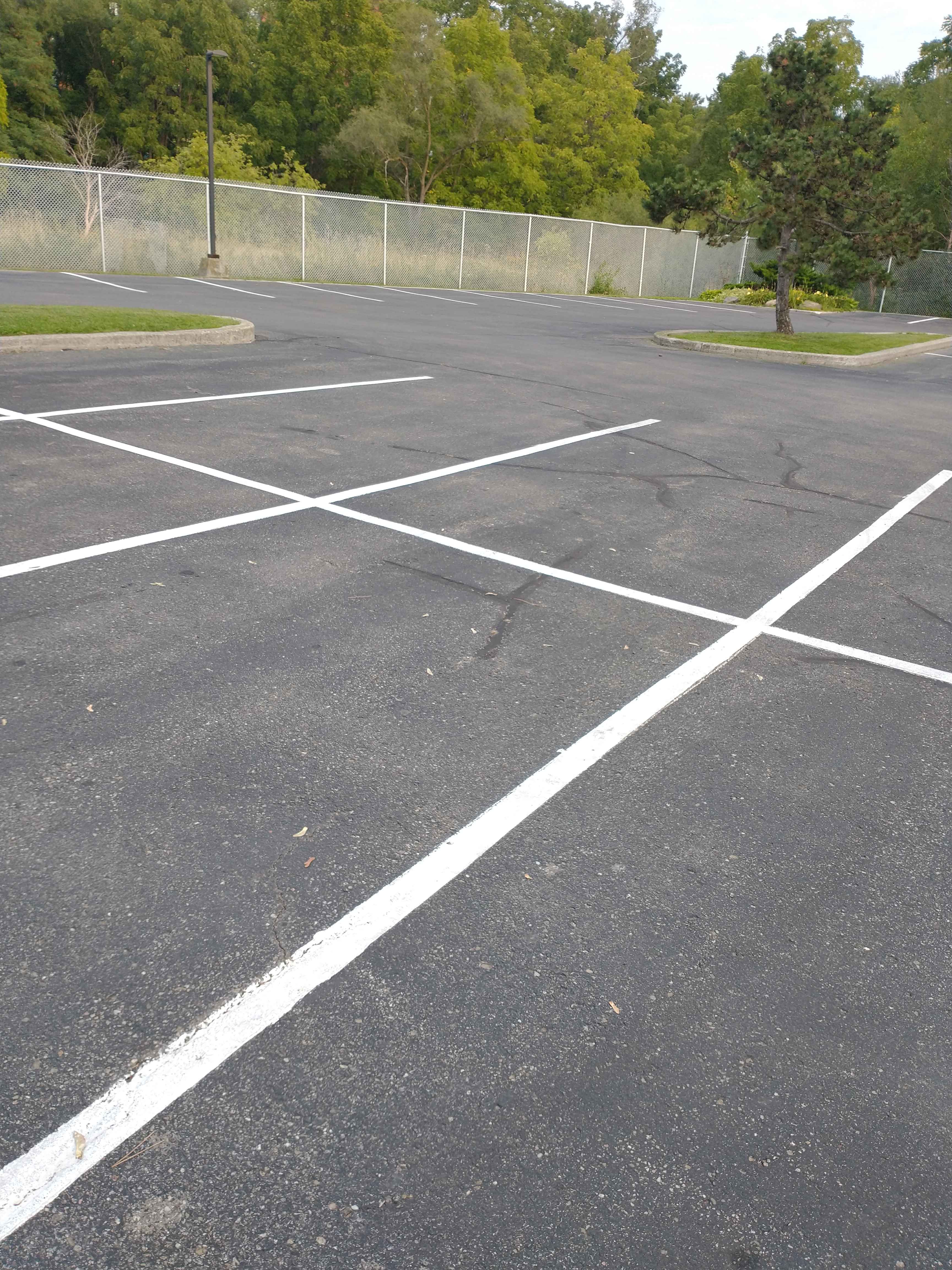
Not all cracks are created equal. Facility managers often make the mistake of treating all fissures with a "one size fits all" solution. Understanding the difference between alligator cracking, longitudinal cracks, and transverse cracks is vital for proper remediation.
Common Crack Classifications:
- Transverse Cracks: These run perpendicular to the direction of travel and are often caused by temperature changes.
- Longitudinal Cracks: These run parallel to the direction of travel and can indicate issues with the sub-base or joint placement.
- Alligator Cracking: This is a series of interconnected cracks that resemble the skin of an alligator. This is a sign of deep structural failure and requires immediate attention from Capital Parking Lot Line Painting.
3. Neglecting the Intersection of Cracks and Line Marking
A major oversight is treating pavement repair and visual safety as two separate silos. When cracks are ignored, the surface becomes uneven, making line marking difficult and ineffective. If the surface is crumbling, your freshly painted lines will peel and fade much faster than they should.
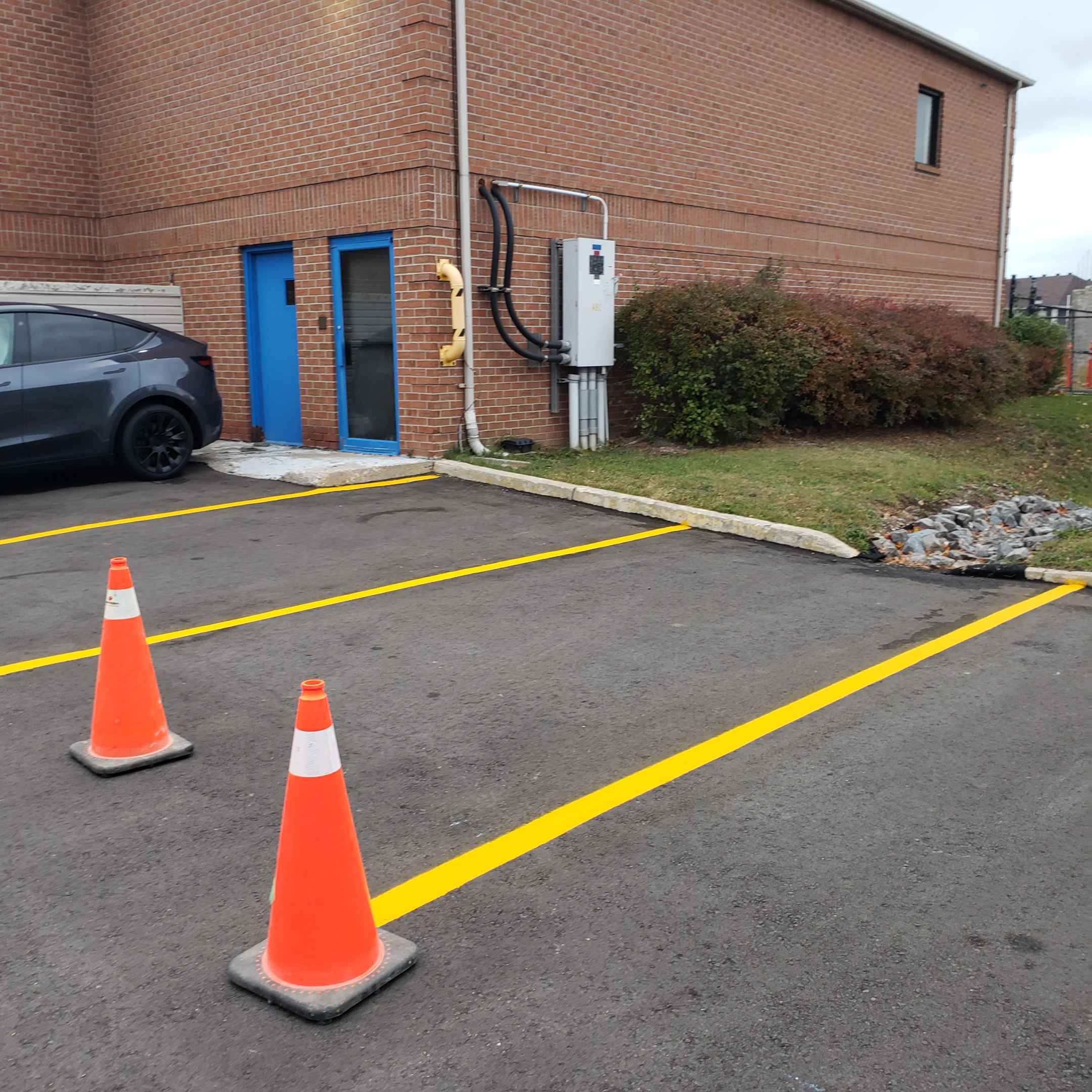
Effective facility management requires an integrated approach. When you repair the cracks and smooth the surface, you create the perfect canvas for high-quality line painting. This ensures that parking stalls, pedestrian walkways, and fire lanes remain clearly visible, reducing liability and improving traffic flow.
Proactive Maintenance is Key
Don't wait for a liability claim to occur. Regular inspections and timely crack filling can extend the life of your asphalt by years. Trust the experts at Capital Parking Lot Line Painting to keep your surfaces safe and professional.
4. Using Substandard Repair Materials
In an attempt to save time or resources, some managers opt for DIY patches or low-grade fillers found at local hardware stores. These materials often lack the elasticity required to withstand the expansion and contraction of asphalt. As soon as the seasons change, these "quick fixes" pop out, leaving the crack wider than it was before.
Professional grade crack fillers are designed to bond deeply with the existing asphalt and remain flexible. This flexibility is what prevents the crack from reopening, providing a long-term solution rather than a temporary bandage.
Conclusion: Protecting Your Investment
A parking lot is a significant capital asset. By avoiding the common pitfalls of procrastination, misdiagnosis, and poor material choice, you can protect that investment and ensure the safety of everyone on your property. Whether you need structural repairs or fresh line marking to revitalize your lot, staying ahead of the damage is the smartest move a facility manager can make.