Top Mistakes Facility Managers Make When Overlooking Cracks
Small fissures today can lead to massive structural failures tomorrow. Learn how to protect your pavement assets.
For facility managers, the daily checklist is endless. Between HVAC maintenance, lighting, and security, the physical condition of the asphalt or concrete parking lot often falls to the bottom of the priority list. However, ignoring small cracks is one of the most expensive errors a manager can make. In growing urban centers like Kingston, where weather fluctuations can be extreme, pavement integrity is paramount.
When cracks are ignored, they act as gateways for water, salt, and debris to penetrate the sub-base. Once the foundation is compromised, the surface begins to heave and buckle. At Capital Parking Lot Line Painting, we see the consequences of this neglect every single season. Understanding these mistakes is the first step toward proactive asset management.
1. The 'Wait and See' Approach
The most common mistake is treating cracks as purely aesthetic issues. Many managers believe that if a crack isn't a tripping hazard, it doesn't require immediate attention. This "wait and see" mentality is a recipe for financial disaster.
In a top 30 Ontario city like Kingston, the freeze-thaw cycle is relentless. Water enters a tiny crack, freezes, expands, and widens the gap. By the time the crack is large enough to warrant a "major repair," you are no longer looking at simple crack sealing; you are looking at a full asphalt overlay or complete reconstruction.
2. Using Improper Sealants or DIY Methods
When facility managers finally decide to act, they sometimes attempt to use off-the-shelf products or unverified methods to patch the damage. Not all sealants are created equal. Using a product that doesn't bond correctly with the existing asphalt will lead to the patch popping out within months.
Professional services like Capital Parking Lot Line Painting use industrial-grade hot-pour rubberized sealants designed to move with the pavement. This flexibility is crucial for longevity. When you use the wrong material, you aren't fixing the problem; you are merely masking it temporarily while wasting resources.
3. Neglecting the Relationship Between Cracks and Line Marking
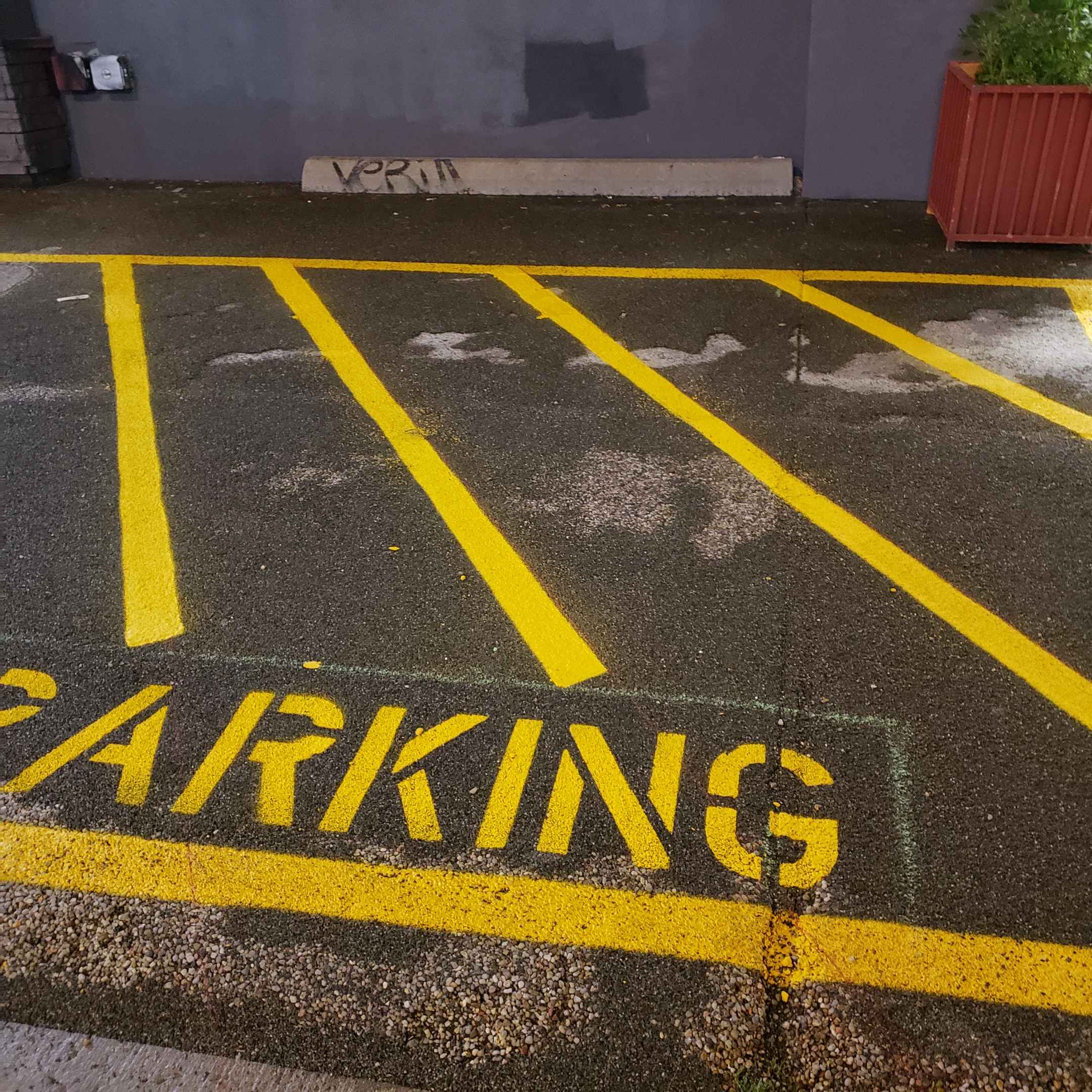
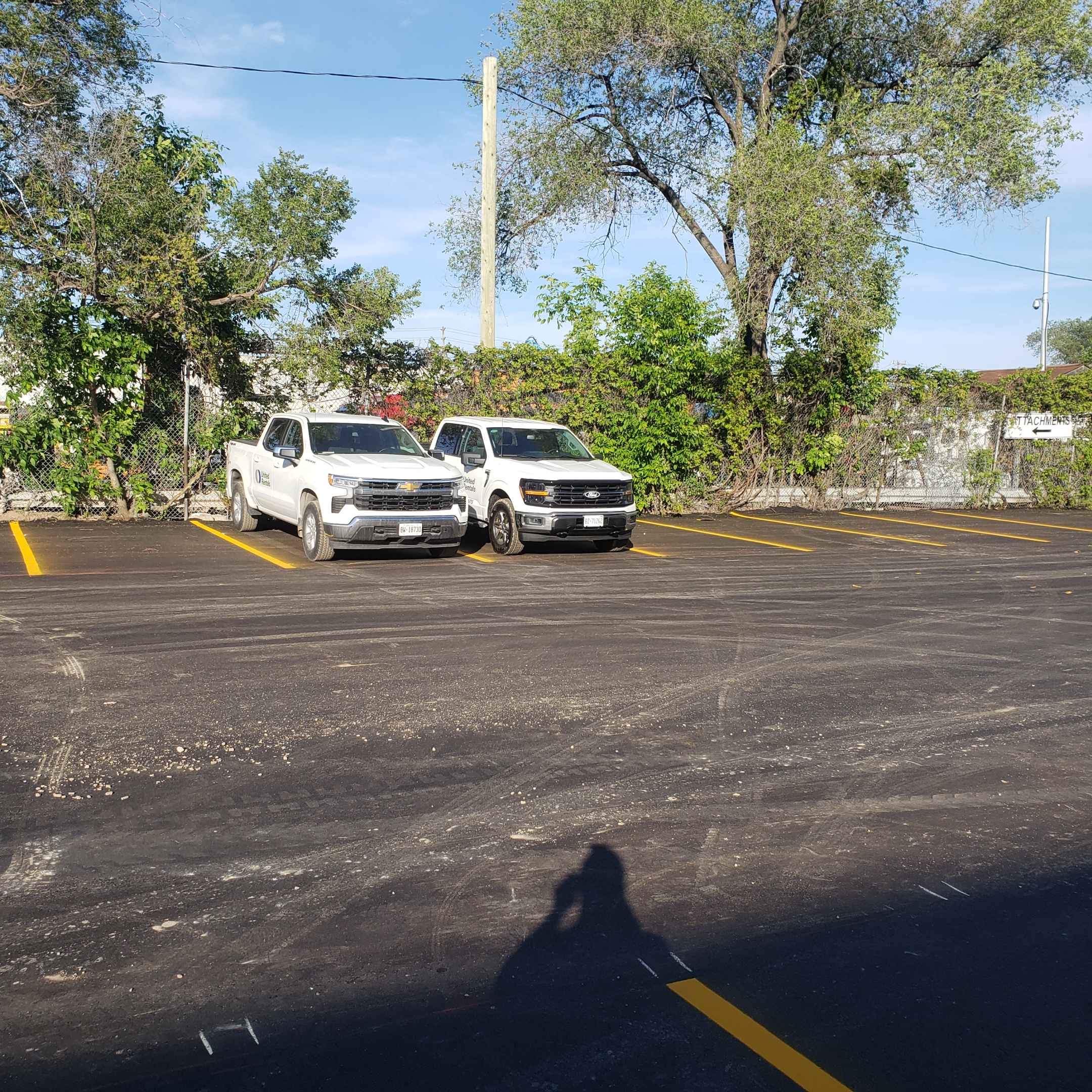
There is a psychological component to facility management. A parking lot with clear, crisp line marking looks well-maintained, even if there are minor surface imperfections. However, many managers make the mistake of performing new line painting over cracked, unsealed surfaces.
If you apply fresh line marking over a surface that is actively deteriorating, the paint will crack and peel along with the asphalt. Proper maintenance requires a two-step approach: first, stabilize the surface through crack sealing, and then refresh the visual guidance through professional line painting.
Common Signs You Are Overlooking Critical Damage
Keep a close eye on these indicators to avoid the mistakes mentioned above:
- Hairline Fissures: Often ignored, but these are the precursors to major structural cracks.
- Alligator Cracking: This pattern looks like reptile skin and indicates a failure in the sub-base.
- Edge Cracking: Cracks that run along the perimeter of the lot, often caused by poor drainage.
- Pothole Formation: The final stage of neglected cracking and water infiltration.
- Faded Markings: When line marking disappears, it often coincides with surface wear that hides underlying cracks.
4. Failing to Plan for Seasonal Transitions
Maintenance is not a one-time event; it is a cycle. A major mistake is failing to schedule repairs before the heavy snow and salt seasons hit. Once the salt is applied to a lot with open cracks, the chemical reaction accelerates the degradation of the asphalt binder.
By partnering with experts like Capital Parking Lot Line Painting, facility managers can create a preventative maintenance schedule that aligns with the local climate, ensuring the lot is sealed and the line marking is visible before the harshest months arrive.
Summary of Best Practices
To avoid these pitfalls, facility managers should adopt a proactive stance. Instead of reacting to emergencies, aim for a preventative strategy that includes regular inspections, timely crack sealing, and periodic line painting to maintain both safety and curb appeal.
Ready to Protect Your Pavement?
Don't let small cracks turn into massive liabilities. Contact the professionals at Capital Parking Lot Line Painting to schedule an inspection and keep your facility looking its best.