Top Mistakes Facility Managers Make When Overlooking Cracks
Understanding the silent progression of pavement deterioration before it becomes a structural catastrophe.
For facility managers, the daily grind involves balancing budgets, managing staff, and ensuring safety. However, one of the most significant threats to a property’s longevity is often the one that seems the least urgent: small cracks in the asphalt. What begins as a hairline fracture can quickly evolve into a pothole that disrupts traffic and poses liability risks.
In bustling areas like Niagara Falls, where weather fluctuations can be extreme, the integrity of your pavement is under constant assault. At Capital Parking Lot Line Painting, we see firsthand how minor oversights lead to major headaches. This article explores the critical mistakes facility managers make when neglecting crack management.
1. Treating Cracks as Aesthetic Issues Only
The most common mistake is viewing a crack merely as an eyesore. While a cracked lot does look unprofessional, the real danger is structural. Cracks act as conduits for water to seep into the sub-base of your parking lot. Once water reaches the foundation, it weakens the ground, leading to sinking and large-scale pavement failure.
When you ignore these fissures, you aren't just dealing with a visual problem; you are inviting the elements to dismantle your infrastructure from the inside out. Professional intervention from Capital Parking Lot Line Painting can identify whether a crack is superficial or indicative of deeper foundational shifts.
2. The "Wait and See" Approach
Many managers adopt a reactive rather than proactive maintenance strategy. They wait until a pothole forms or until the asphalt is completely crumbling before calling for help. This "wait and see" approach is one of the costliest mistakes a manager can make.
By the time a crack requires a full repaving, the damage has likely spread to the surrounding area. Proactive crack sealing is a fraction of the effort required for complete resurfacing. In a top 30 Ontario city like Niagara Falls, where seasonal freeze-thaw cycles are aggressive, waiting even one season too long can double your eventual repair needs.
3. Neglecting the Synergy Between Cracks and Line Marking
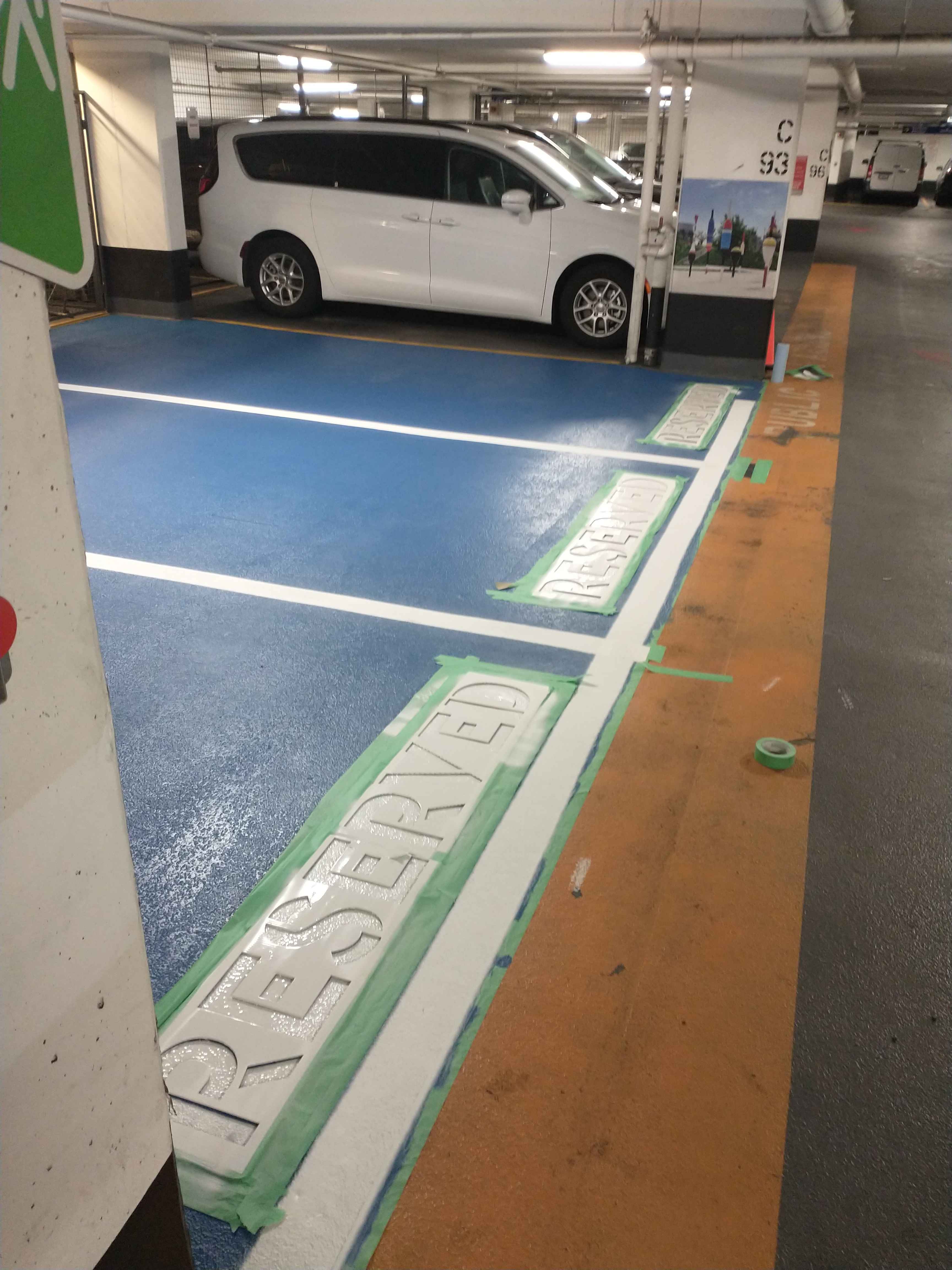
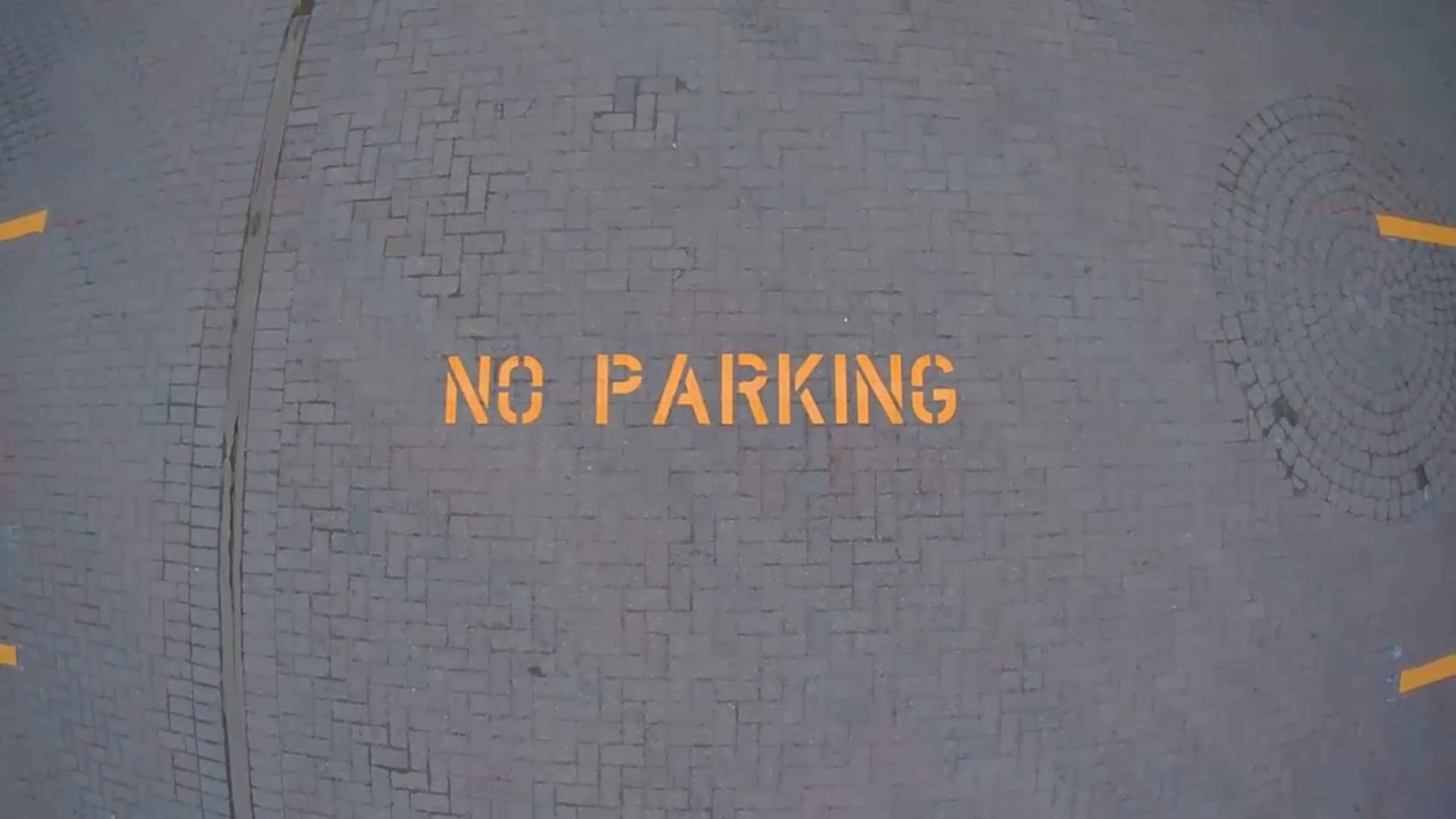
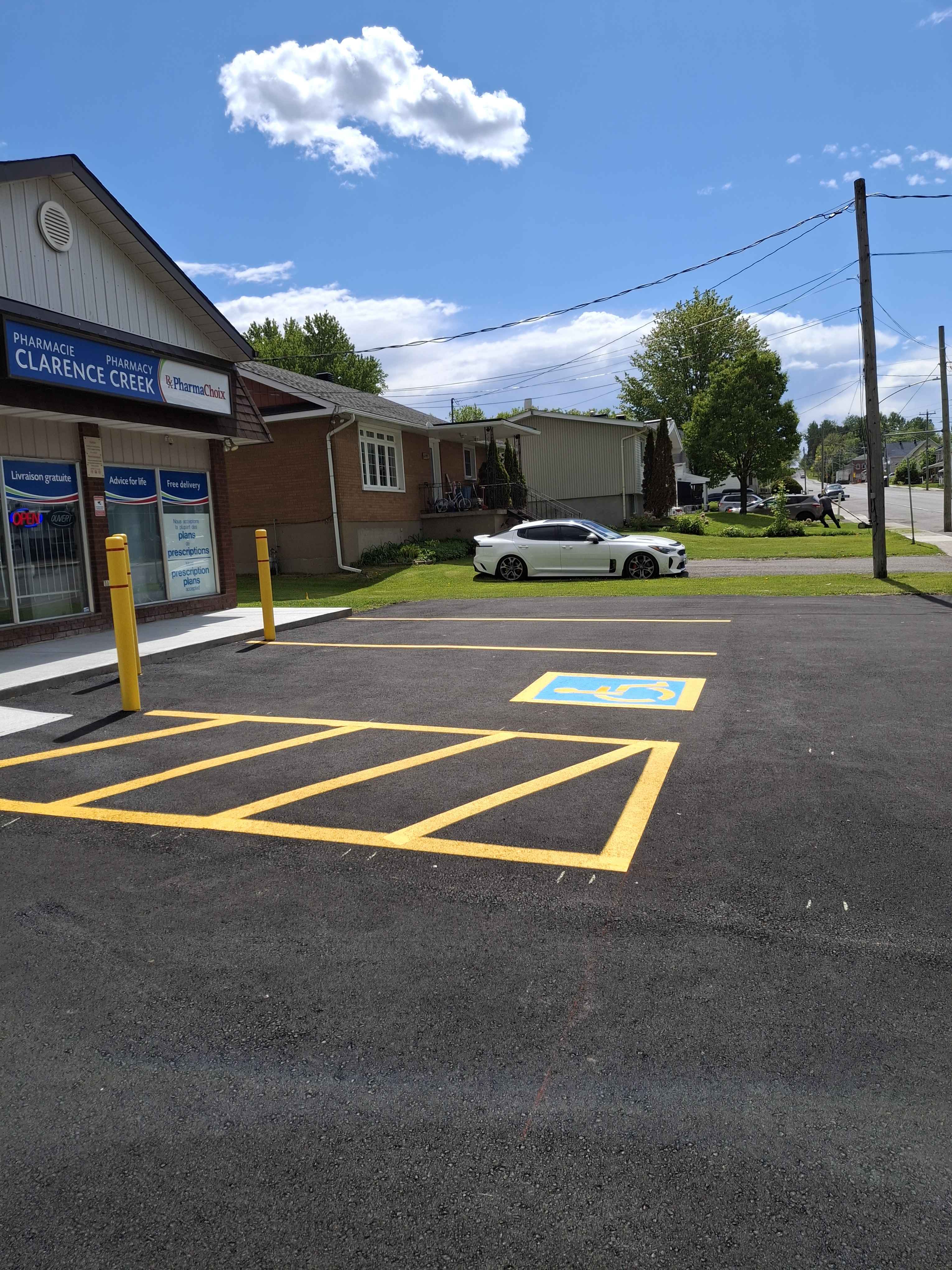
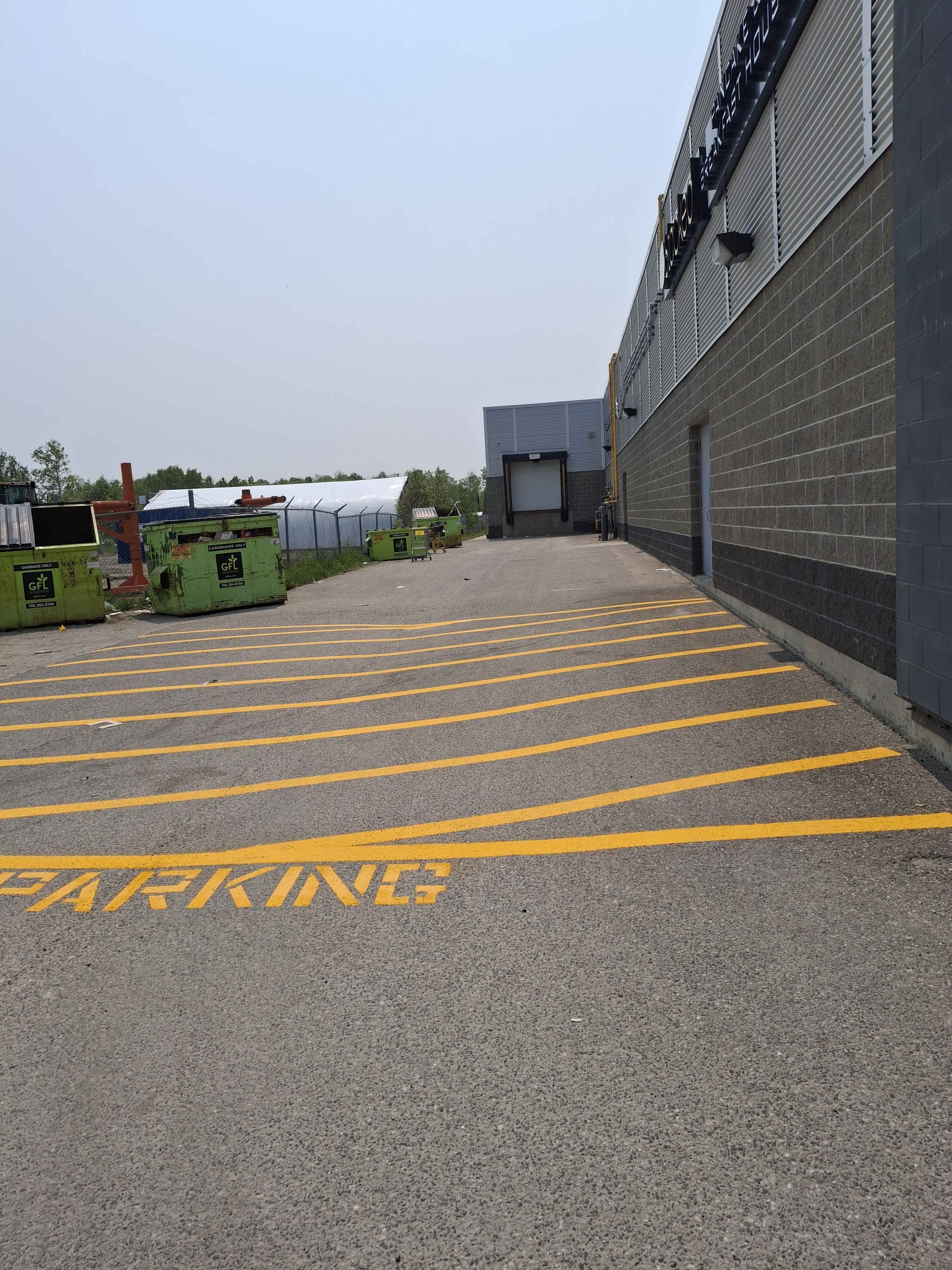
A common oversight is treating pavement repair and Line Marking as two entirely separate worlds. A well-maintained lot requires both structural integrity and clear visual guidance. If you repair cracks but leave faded, illegible lines, you haven't fully addressed the safety of the lot.
Conversely, applying new Line Painting over unsealed cracks is a recipe for disaster. The movement in the asphalt will cause the new paint to crack and peel almost immediately. A holistic approach ensures that the surface is stable before the aesthetic and safety elements are applied.
Common Signs You Are Overlooking Critical Damage
- Hairline Fractures: Often ignored, these are the early warning signs of thermal expansion.
- Alligator Cracking: A pattern resembling reptile skin, indicating severe structural failure.
- Edge Cracking: Cracks occurring at the perimeter, often due to poor drainage or soil erosion.
- Vegetation Growth: If weeds are growing through the cracks, the sub-base is already compromised.
4. Inadequate Drainage Management
Cracks and drainage are inextricably linked. Many facility managers fail to realize that cracks often form because water is pooling in specific areas of the lot. If the grading is off, water sits on the surface, seeps into existing cracks, and expands when it freezes.
Capital Parking Lot Line Painting recommends a thorough inspection of your lot's drainage patterns during your crack assessment. Fixing the cracks without addressing where the water is coming from is a temporary fix at best.
Summary of Best Practices
To avoid these pitfalls, consider the following checklist for your next maintenance cycle:
- Schedule annual inspections to catch hairline cracks early.
- Coordinate crack sealing with your Line Painting schedules.
- Prioritize areas with high water accumulation.
- Maintain a log of pavement conditions to track deterioration rates.
Quick View
Don't Wait for Failure
Protect your investment by addressing pavement issues before they become liabilities. Whether you need structural repairs or fresh Line Marking, professional expertise is essential for long-term results.