Top Mistakes Facility Managers Make When Overlooking Cracks
Understanding the hidden dangers of pavement degradation and how to protect your investment.
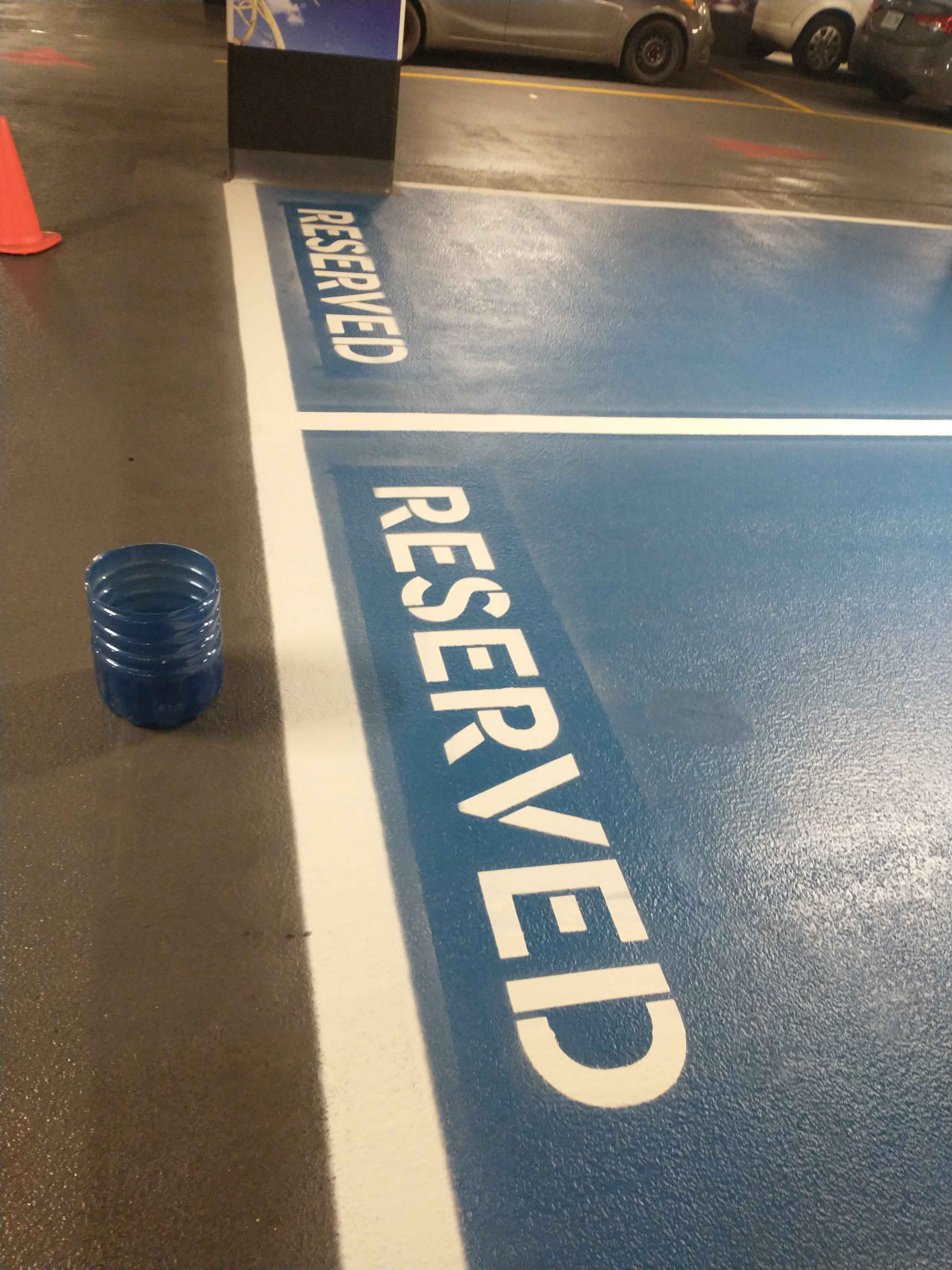
For facility managers, a parking lot is more than just a place to park cars; it is the first impression of a business and a critical piece of infrastructure. However, many managers fall into the trap of treating pavement maintenance as a "reactive" task rather than a "proactive" one. When cracks begin to appear, they are often dismissed as cosmetic issues, but this oversight can lead to catastrophic structural failure.
In high-traffic areas, such as those found in a top 30 city like Vaughan, the environmental stressors and heavy vehicle loads accelerate the aging process of asphalt. Ignoring these signs doesn't just hurt the aesthetics; it invites water, salt, and debris into the sub-base, leading to potholes and total resurfacing needs. At Capital Parking Lot Line Painting, we see firsthand how small oversights turn into massive headaches.
1. The "Wait and See" Approach
The most common mistake is waiting until a crack becomes a pothole before taking action. This is known as reactive maintenance. While it might seem like a way to save resources in the short term, it is actually the most expensive way to manage a facility.
When a crack forms, it acts as a gateway. Rainwater enters the crack, seeps into the soil underneath, and as temperatures fluctuate, that water expands and contracts, destabilizing the foundation. By the time a manager decides to act, the damage is no longer surface-level. Professional services like Capital Parking Lot Line Painting emphasize that early crack sealing is the most cost-effective way to extend the life of your asphalt.
2. Misidentifying Crack Types
Not all cracks are created equal. Facility managers often make the mistake of applying a "one size fits all" solution to every fissure they see. Understanding the difference between thermal cracks, fatigue cracks, and settlement cracks is vital for choosing the right repair method.
Common Crack Categories:
- Thermal Cracking: Caused by the expansion and contraction of asphalt due to temperature changes.
- Fatigue (Alligator) Cracking: Small, interconnected cracks that resemble reptile skin, indicating structural failure.
- Longitudinal/Transverse Cracks: Cracks that run parallel or perpendicular to the pavement edge, often caused by temperature or subgrade issues.
- Settlement Cracks: Caused by the shifting of the soil beneath the asphalt.
Applying a simple sealant to alligator cracking is a temporary fix that will fail almost immediately. It requires deep structural intervention rather than just surface work.
3. Neglecting the Synergy Between Sealing and Line Marking
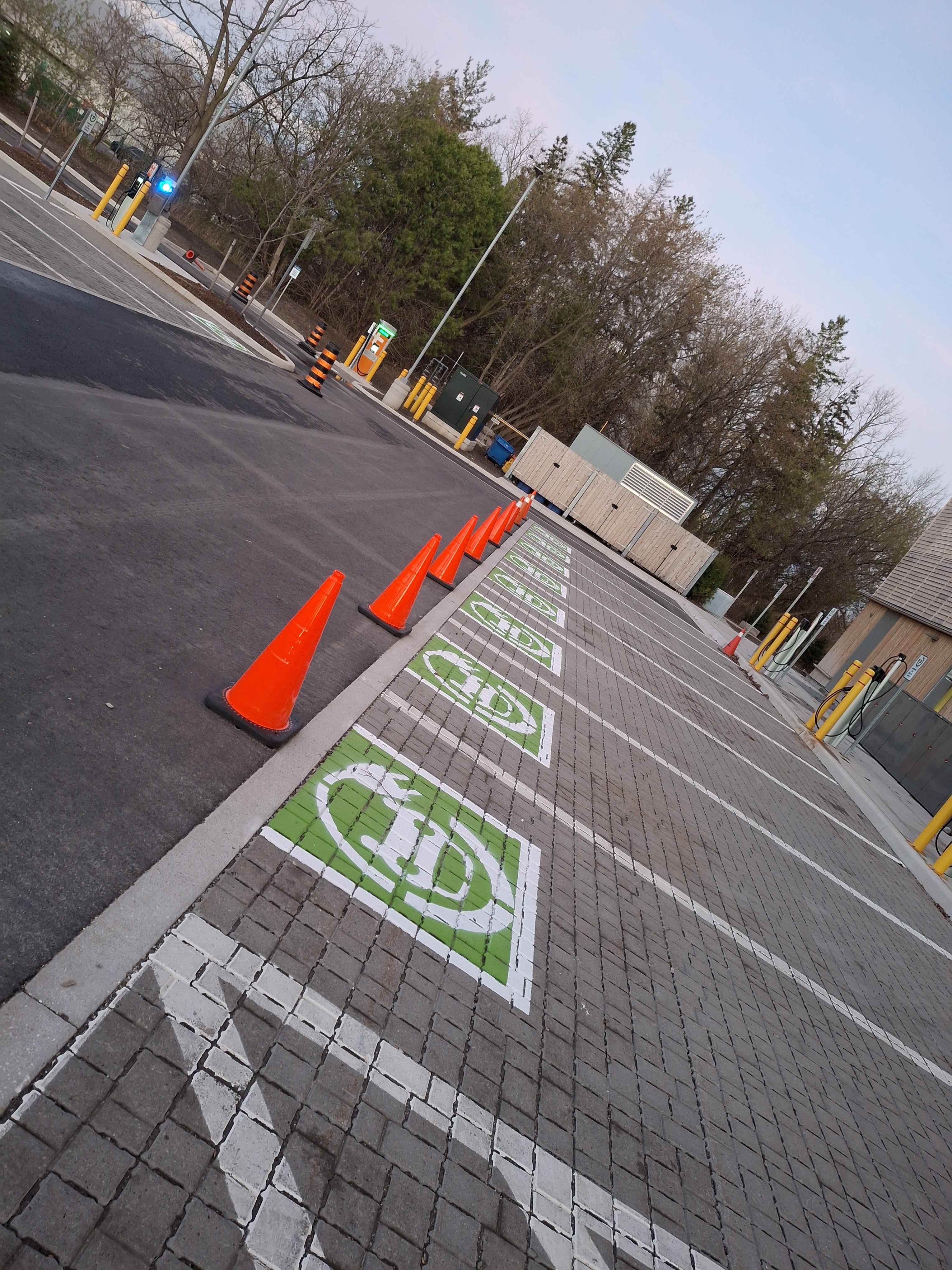
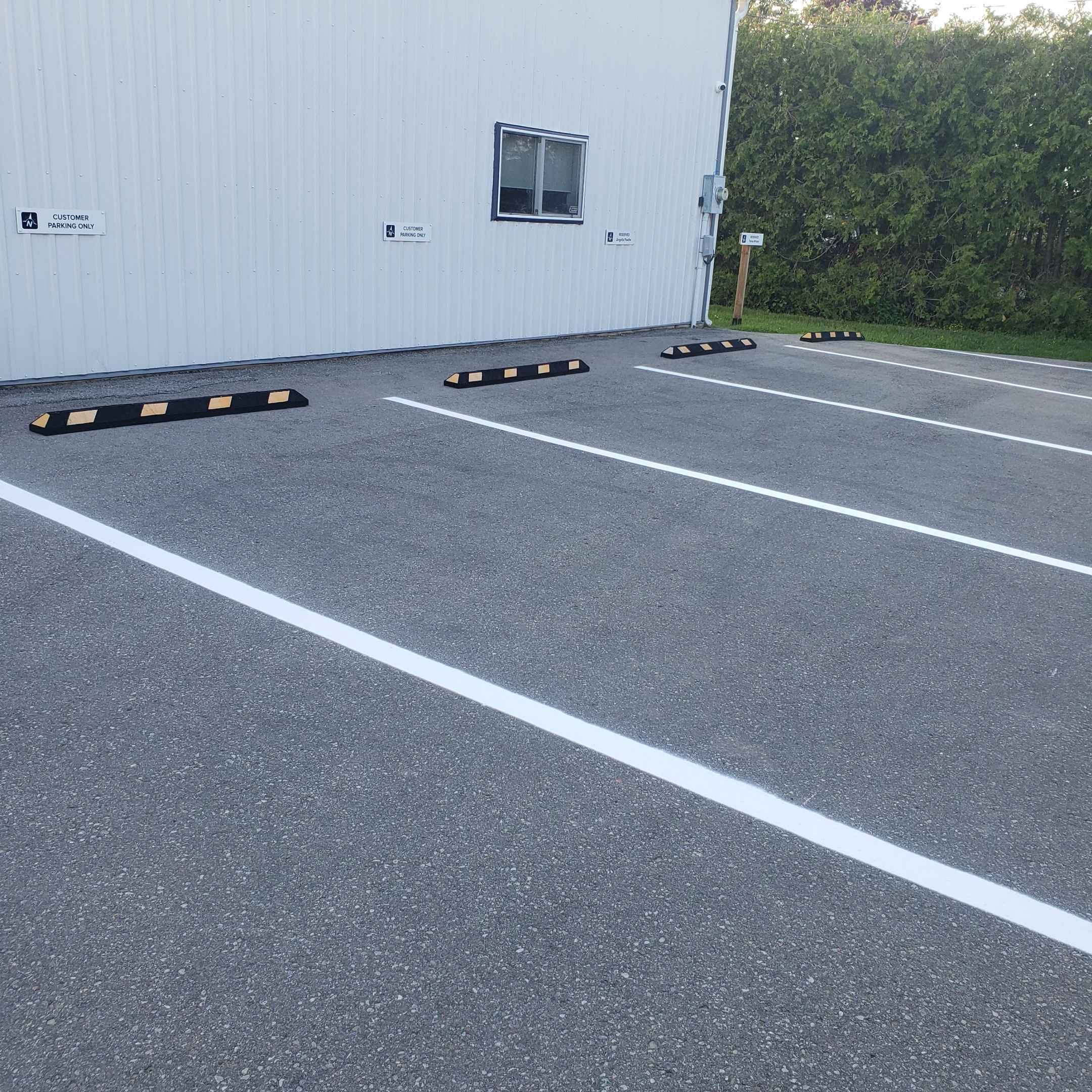
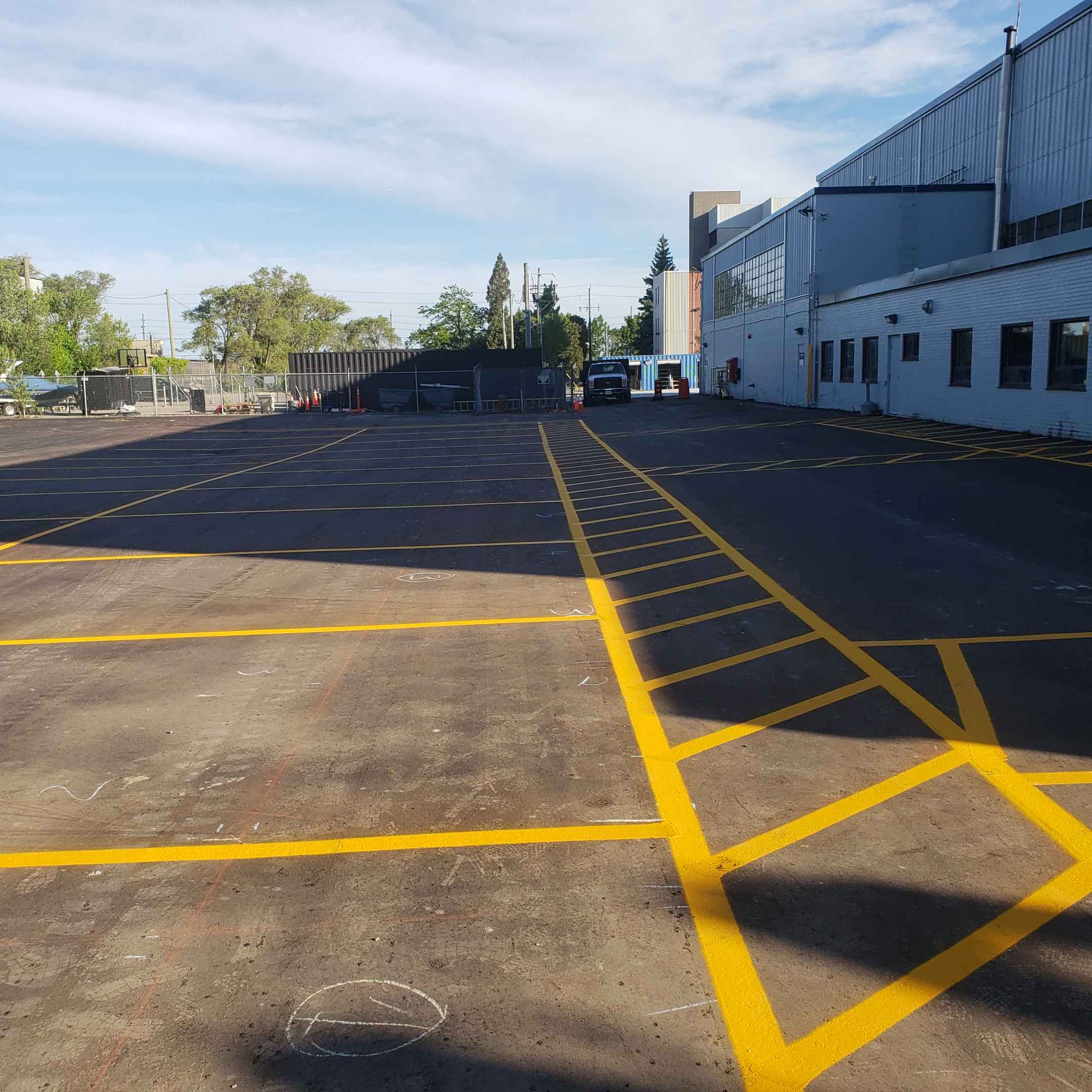
Another frequent error is treating crack repair and Line Marking as entirely separate silos. A well-maintained parking lot requires a holistic approach. If you seal cracks but allow your Line Painting to fade into obscurity, the lot still looks neglected. Conversely, if you have fresh, bright Line Painting over a cracked, crumbling surface, the lack of professional finish will be immediately apparent to visitors.
In bustling municipalities like Vaughan, where property standards are high, the visual cohesion of your pavement is essential for safety and compliance. Ensuring that your crack sealing is followed by professional Line Marking creates a polished, safe environment for drivers and pedestrians alike.
Don't Let Small Cracks Become Big Problems
Consistent inspections and professional maintenance are the keys to longevity. Trust the experts at Capital Parking Lot Line Painting to keep your surfaces in peak condition.
4. Improper DIY or Low-Quality Repairs
In an attempt to cut costs, some facility managers opt for DIY sealant kits or uncertified contractors. This often results in poor adhesion, where the sealant fails to bond with the asphalt, allowing water to enter just as easily as before. Furthermore, using the wrong material for the specific type of crack can actually accelerate the degradation of the surrounding asphalt.
Professional contractors bring industrial-grade equipment and materials designed to withstand the harsh Canadian climate. This expertise ensures that the repair is not just a patch, but a long-term solution.
Summary Checklist for Facility Managers
To avoid these common pitfalls, implement the following routine:
- Conduct quarterly visual inspections of all asphalt surfaces.
- Prioritize crack sealing as soon as fissures appear (before they widen).
- Coordinate Line Painting with pavement repairs to maintain a professional look.
- Consult with specialists like Capital Parking Lot Line Painting to identify structural vs. cosmetic issues.
- Document all maintenance to track the lifecycle of your pavement.
Connect With Us: