Understanding the Lifecycle of Asphalt Cracks
Every asphalt surface tells a story of environmental stress, heavy loads, and the inevitable passage of time. Understanding this story is the first step toward effective pavement management.
For property owners in Barrie, maintaining a pristine parking lot is more than just an aesthetic choice; it is a matter of safety and long-term asset preservation. Asphalt is a flexible pavement, meaning it is designed to move slightly under pressure. However, this flexibility comes with a lifecycle of inevitable wear and tear. At Capital Parking Lot Line Painting, we have seen firsthand how small, overlooked issues can escalate into major structural headaches.
Cracks are not merely cosmetic flaws. They are the primary entry points for water, salt, and debris, which act as catalysts for rapid deterioration. By understanding the lifecycle of these cracks, you can transition from reactive repairs to proactive maintenance.
The Stages of Asphalt Deterioration
Stage 1: Hairline Fractures (The Warning Phase)
The lifecycle begins with hairline cracks. These are often barely visible to the untrained eye and may appear as thin, spiderweb-like lines across the surface. These cracks are typically caused by thermal expansion and contraction—a common occurrence in a top 30 city in Ontario like Barrie, where seasonal temperature swings are extreme. At this stage, the asphalt binder is beginning to oxidize and lose its elasticity.
Stage 2: Longitudinal and Transverse Cracking
As the oxidation continues, the cracks widen and become more defined. Longitudinal cracks run parallel to the direction of travel, while transverse cracks run perpendicular to it. These are often the result of poor subgrade preparation or heavy traffic loads. Once these cracks reach this stage, the integrity of the surface layer is compromised, and moisture begins to penetrate the deeper layers of the pavement.
Stage 3: Alligator Cracking (The Structural Phase)
Perhaps the most serious sign of distress is "alligator cracking." This pattern resembles the scales of an alligator and is a clear indicator of structural failure. This occurs when the base or subgrade beneath the asphalt can no longer support the weight of vehicles. If you notice this pattern, Capital Parking Lot Line Painting recommends immediate intervention to prevent the complete disintegration of the surface.
Common Causes of Pavement Failure
Understanding why cracks form is essential for preventing their recurrence. The most common culprits include:
- Moisture Infiltration: Water seeping into the base layer weakens the foundation.
- Freeze-Thaw Cycles: Water expands as it freezes, pushing the asphalt apart.
- Oxidation: UV rays from the sun break down the chemical bonds in the asphalt binder.
- Heavy Load Stress: Repeated heavy vehicle traffic over weak spots.
- Poor Drainage: Standing water creates soft spots in the subgrade.
The Importance of Integrated Maintenance
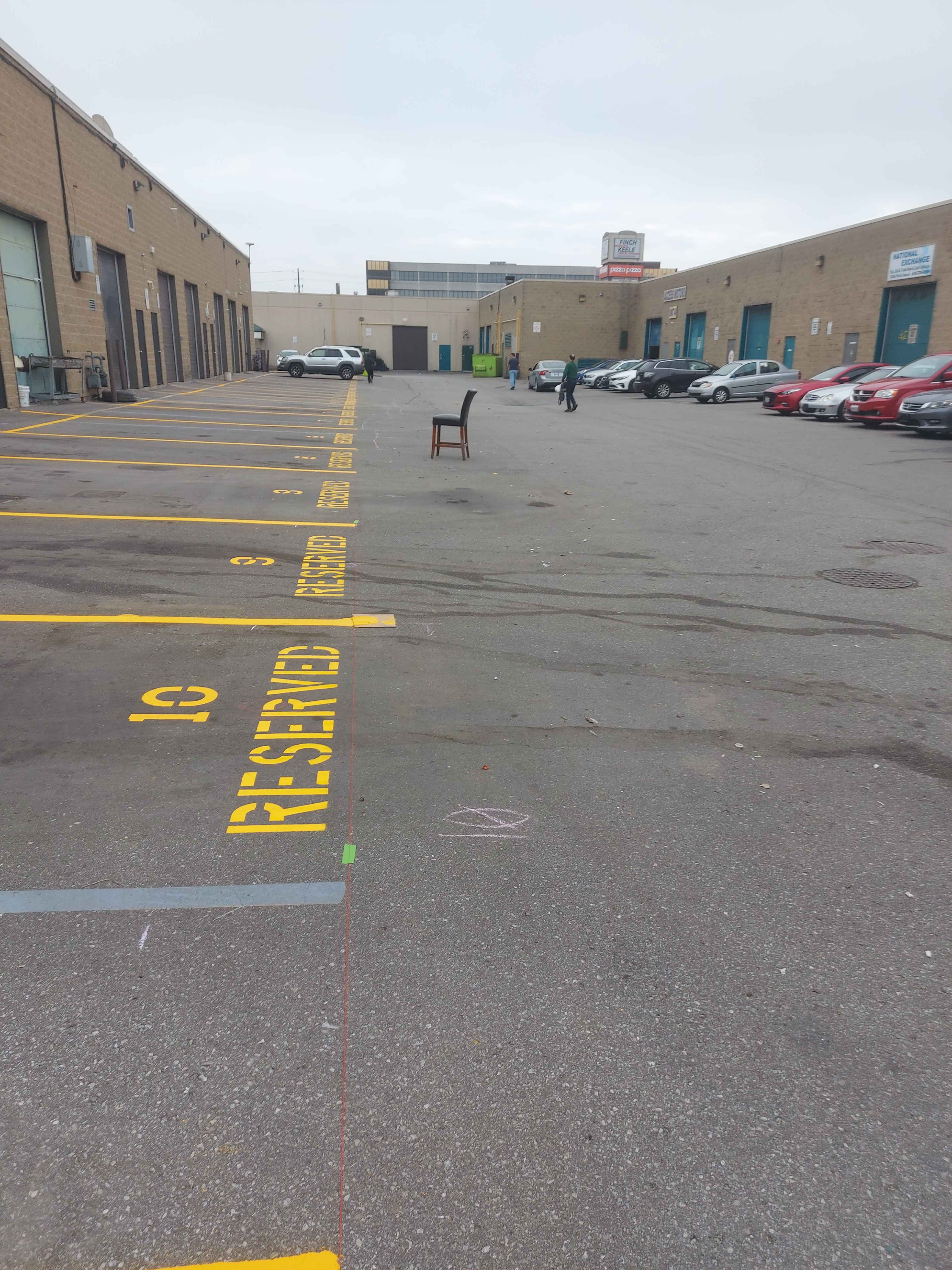
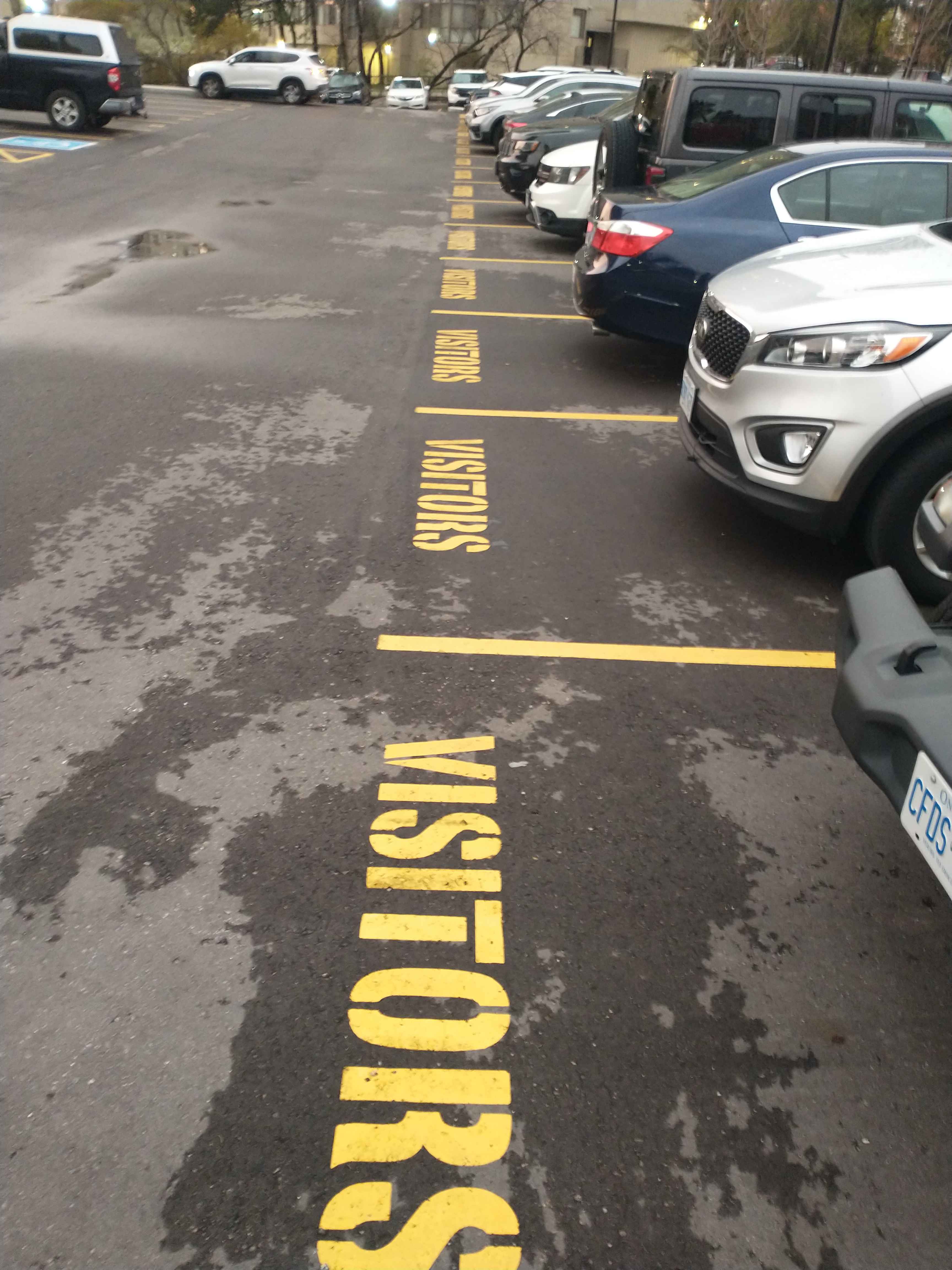
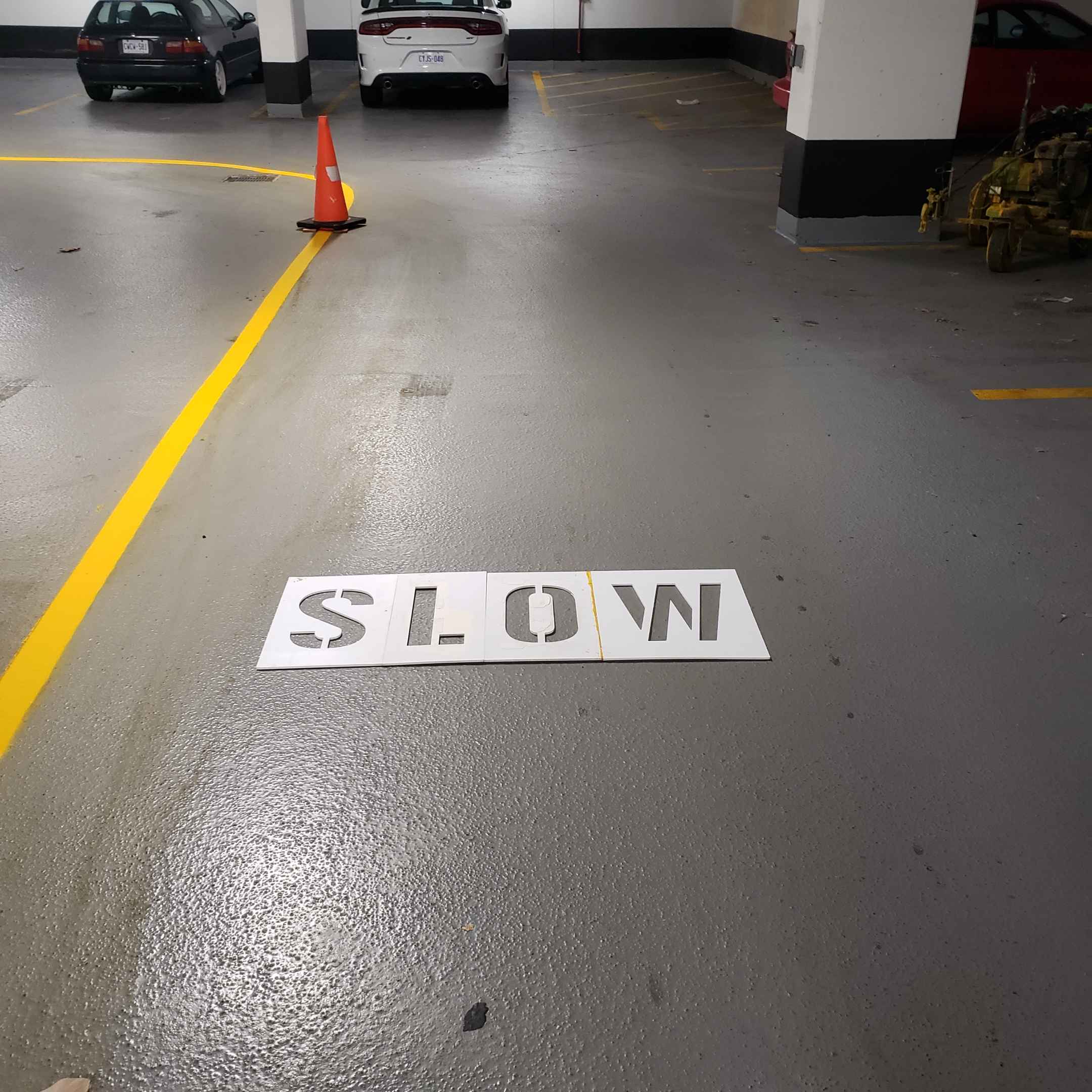
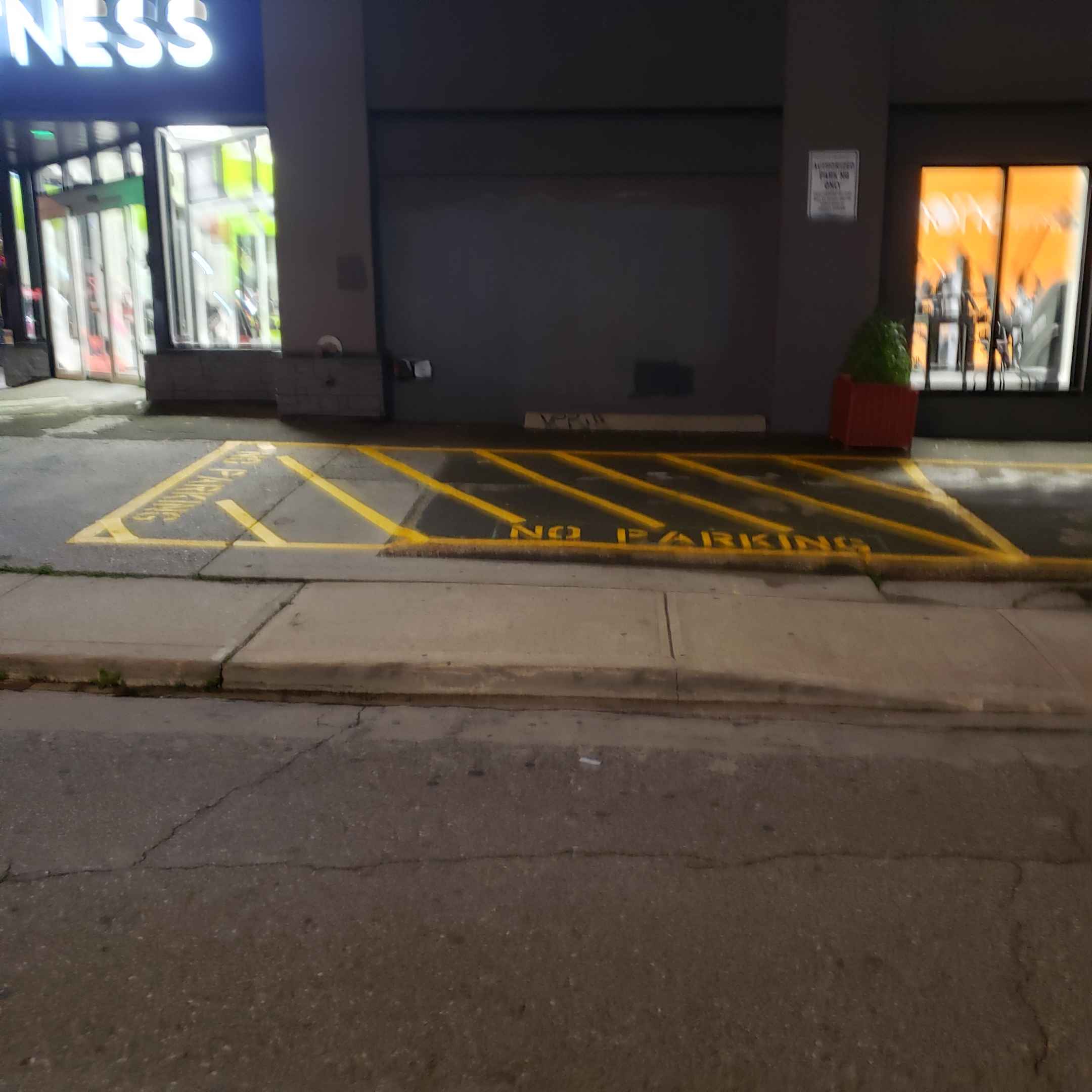
Maintaining a parking lot is a holistic process. While crack sealing addresses the structural integrity of the pavement, the visual cues that guide drivers are equally important. This is where professional Line Marking plays a vital role. A well-maintained lot isn't just about the blacktop; it's about the clarity of the paths, stalls, and safety zones.
When you combine crack repair with fresh Line Painting, you create a professional environment that ensures driver safety and improves property value. Capital Parking Lot Line Painting specializes in these integrated services to ensure your facility looks its best from the ground up.
Preventative Maintenance Checklist
To stay ahead of the lifecycle of cracks, consider these regular maintenance steps:
- Annual visual inspections for new hairline fractures.
- Professional crack sealing before the winter freeze.
- Cleaning debris from drainage areas to prevent standing water.
- Refreshing Line Marking to maintain visibility and compliance.
- Applying sealcoating to protect against UV oxidation.
Don't Wait for Total Failure
By the time you see large potholes, the damage is already deep within your subgrade. Addressing cracks during their early stages is the most cost-effective way to manage your property. Contact the experts to ensure your pavement remains durable for years to come.