Understanding the Lifecycle of Asphalt Cracks
A comprehensive guide to identifying, managing, and preventing asphalt deterioration to protect your investment.
Every parking lot undergoes a predictable journey of wear and tear. For property managers and business owners in Kitchener, understanding this journey is the difference between a minor maintenance task and a full-scale reconstruction. Asphalt is a flexible pavement, meaning it is designed to move slightly under load and temperature changes. However, when that movement exceeds its design limits, cracks begin to form.
At Capital Parking Lot Line Painting, we see firsthand how different stages of cracking impact the safety and aesthetics of a commercial property. Recognizing which stage your pavement is in can save you significant time and effort in the long run.
The Four Stages of Asphalt Degradation
Stage 1: Hairline Fractures (The Warning Sign)
The lifecycle begins with microscopic fissures. These are often barely visible to the naked eye and appear as thin, silver-colored lines. These cracks are usually caused by the natural oxidation of the asphalt binder or minor thermal contraction. While they don't pose an immediate trip hazard, they are the most critical stage for intervention. If left untreated, water will begin to seep into these tiny gaps.
Stage 2: Longitudinal and Transverse Cracking
As water enters the hairline fractures, it begins to weaken the sub-base. This leads to more defined cracks that run either parallel to the direction of traffic (longitudinal) or perpendicular to it (transverse). In a city like Kitchener, where seasonal freeze-thaw cycles are intense, this stage can progress rapidly. Once cracks reach this width, they become conduits for moisture to reach the gravel foundation below.
Stage 3: Alligator Cracking (Structural Failure)
This is the most dangerous stage of the lifecycle. Alligator cracking—so named because it resembles the scales of a reptile—indicates that the base layer of your pavement has failed. This is no longer just a surface issue; the structural integrity of the asphalt is compromised. At this point, Capital Parking Lot Line Painting typically recommends more intensive structural repairs rather than simple crack sealing.
Stage 4: Potholes and Total Breakdown
The final stage occurs when chunks of asphalt break away entirely, creating potholes. This creates significant liability for property owners and can cause damage to vehicles. Once a parking lot reaches this stage, the cost of repair increases exponentially, often requiring a complete mill and overlay.
Why Proactive Maintenance Matters
Waiting for a pothole to appear before taking action is a common mistake. By implementing a regular maintenance schedule, you can reset the lifecycle clock. Effective maintenance involves more than just fixing holes; it involves holistic care for the entire surface.
- Preventative Crack Sealing: Filling cracks in Stage 1 and 2 to prevent water infiltration.
- Surface Rejuvenation: Applying sealants to restore the oils lost to oxidation.
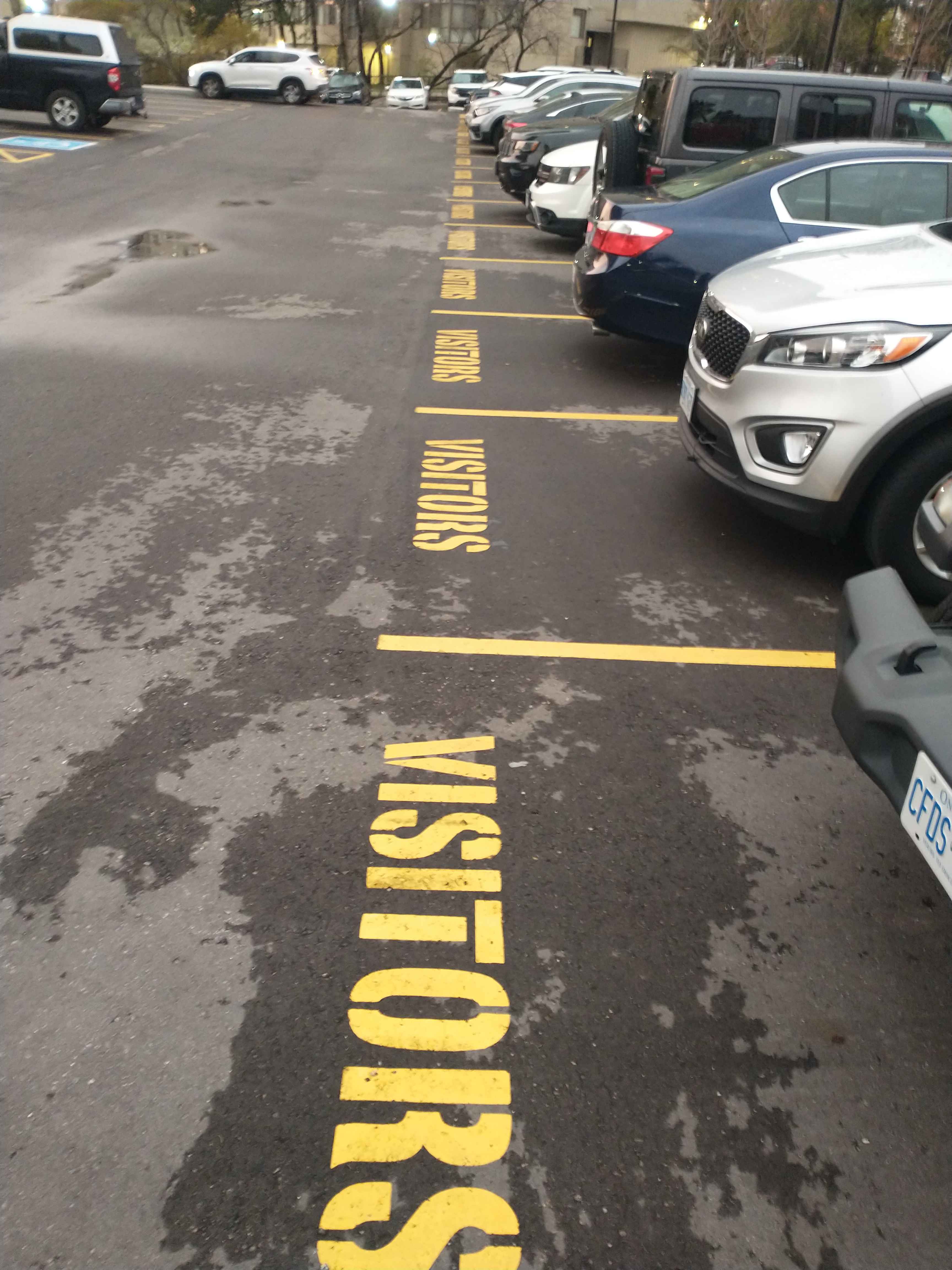
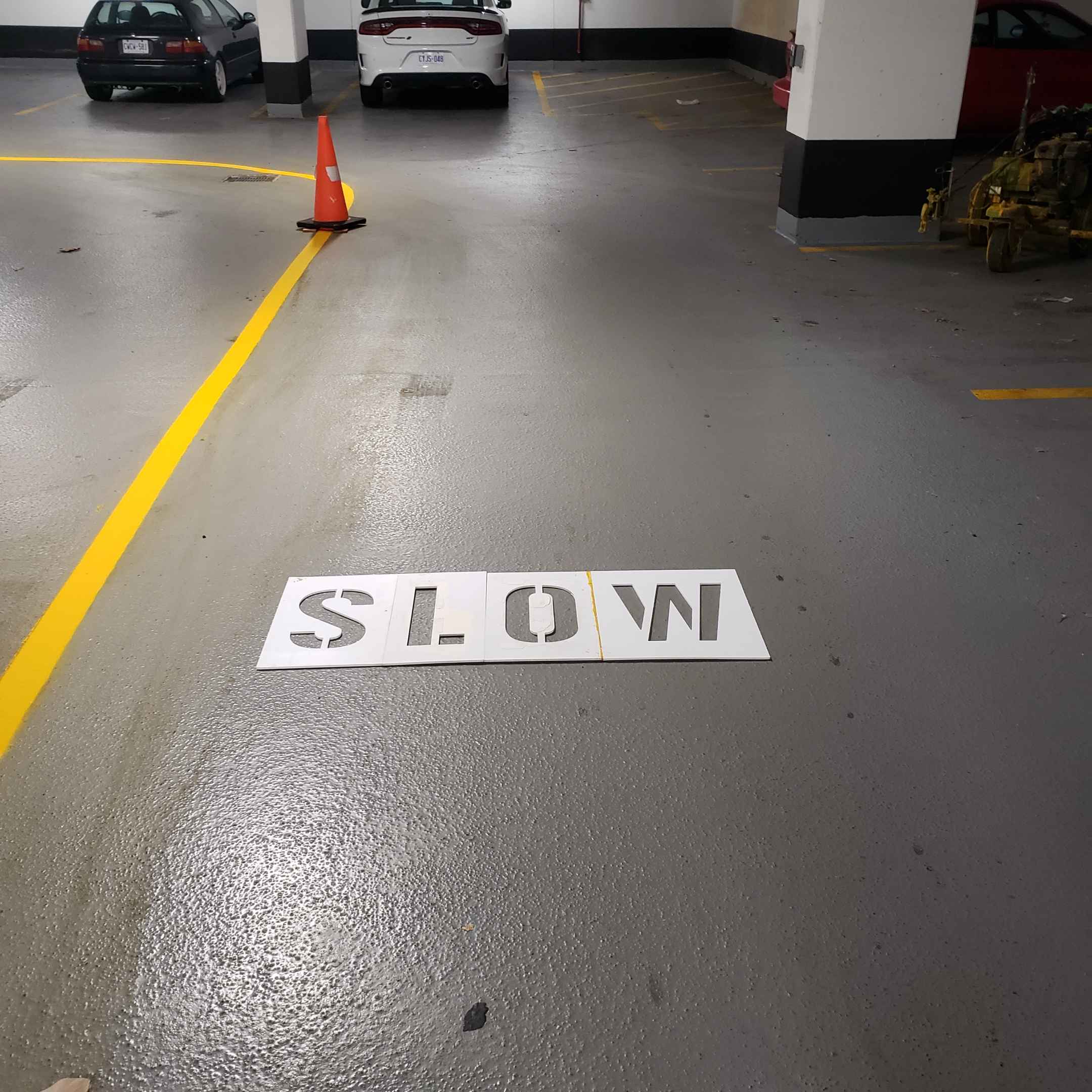
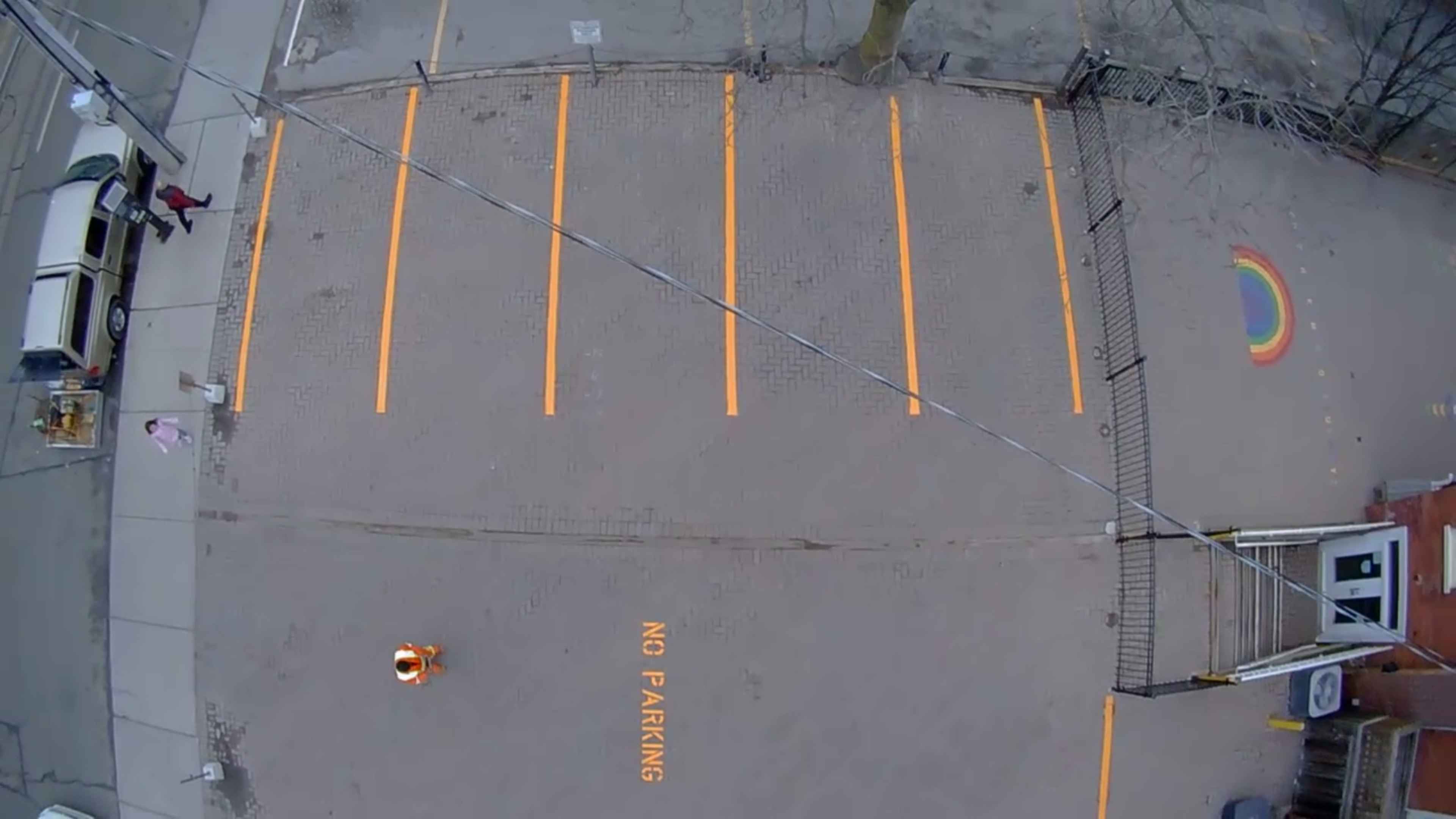
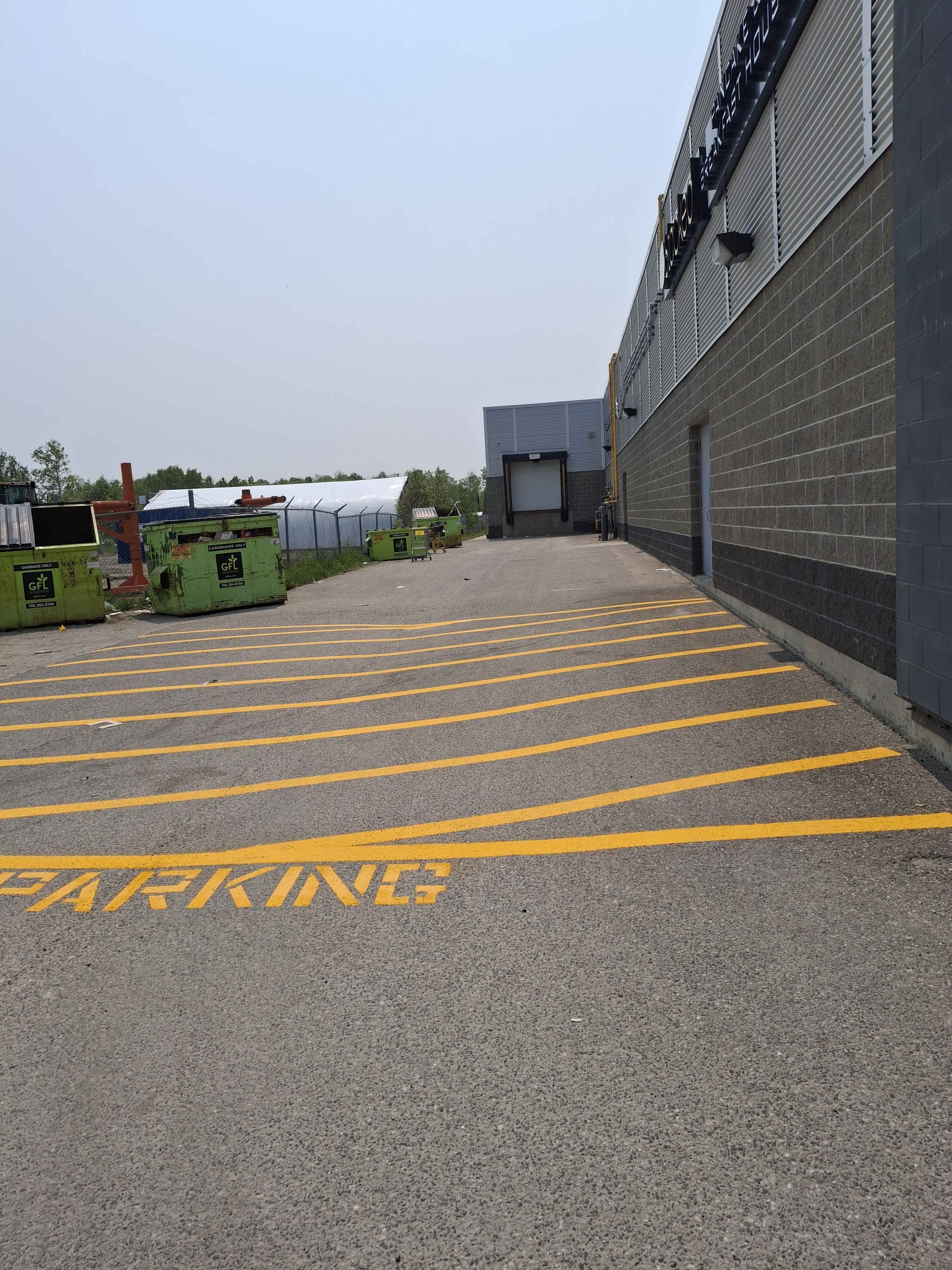
- Line Marking: Ensuring clear visibility of traffic lanes and parking stalls to improve safety.
- Regular Inspections: Identifying new cracks before they expand into structural issues.
The Role of Visibility and Safety
As asphalt ages and cracks develop, the surface texture changes. This can affect how light reflects off the ground, making it harder for drivers to navigate. This is where professional Line Marking becomes essential. Even if your asphalt has some minor cosmetic cracking, crisp, high-contrast lines can make a property look well-maintained and professional.
Capital Parking Lot Line Painting specializes in ensuring that your parking lot is not only structurally sound but also safe and easy to navigate. Clear markings prevent accidents and ensure that your customers can find their way easily through your facility.
Ready to Protect Your Pavement?
Don't wait for the freeze-thaw cycle to turn small cracks into major liabilities. Regular maintenance is the most cost-effective way to manage the asphalt lifecycle and keep your property looking its best.