Understanding the Lifecycle of Asphalt Cracks
A deep dive into how pavement ages and why early intervention is the key to long-term durability.
For property owners in Mississauga, a well-maintained parking lot is more than just a convenience; it is a reflection of professional standards and a critical component of asset management. However, asphalt is a living, breathing material that reacts to its environment. One of the most common challenges facing commercial properties is the inevitable appearance of cracks. While they may seem like minor cosmetic issues at first, understanding the lifecycle of asphalt cracks is essential for preventing costly structural failures.
At Capital Parking Lot Line Painting, we have seen firsthand how a small fracture can evolve into a major excavation project if left unaddressed. By understanding the stages of deterioration, you can move from reactive repairs to proactive preservation.
Stage 1: The Emergence of Hairline Fractures
The lifecycle of a crack typically begins with hairline fractures. These are thin, often barely visible lines that appear on the surface of the asphalt. These cracks are frequently caused by thermal expansion and contraction—a process intensified by the seasonal temperature swings common in Mississauga.
During the hot summer months, the asphalt expands; as the temperature drops in the winter, it contracts. This constant movement creates microscopic stresses in the bitumen binder. While these cracks don't immediately compromise the structural integrity of your lot, they serve as the "warning shot" for the stages to come.
Stage 2: Oxidation and Surface Weathering
As the asphalt ages, it undergoes a process called oxidation. This occurs when the oils (bitumen) that keep the asphalt flexible are exposed to UV rays and oxygen. As the binder loses its elasticity, the surface becomes brittle. This brittleness accelerates the growth of those initial hairline fractures, turning them into visible cracks.
During this stage, you might also notice the color of your pavement changing from a deep black to a light grey. This is a sign that the protective qualities of the asphalt are waning. It is during this phase that Capital Parking Lot Line Painting recommends professional assessment to ensure that sealing treatments can still be effectively applied.
Stage 3: Alligator Cracking and Structural Failure
If cracks are ignored through the oxidation stage, they eventually evolve into "alligator cracking." This pattern resembles the scales on an alligator's back and is a sign of serious structural distress. Unlike simple thermal cracks, alligator cracking is usually caused by the failure of the base layers beneath the asphalt due to water infiltration or excessive load weight.
Once water enters these interconnected cracks, it reaches the sub-base. In a city like Mississauga, where freeze-thaw cycles are frequent, that trapped water expands as it turns to ice, pushing the asphalt upward and creating voids. This is the precursor to potholes, which can lead to vehicle damage and significant liability concerns for property owners.
The Importance of Proactive Maintenance
Waiting until your parking lot is full of potholes is the most expensive way to manage your property. Implementing a regular maintenance schedule offers several key advantages:
- Extended Asset Lifespan: Regular crack sealing prevents water from reaching the sub-base, significantly delaying the need for total repaving.
- Enhanced Safety: Smooth surfaces reduce tripping hazards and prevent damage to customer vehicles.
- Improved Curb Appeal: Clean, well-marked lots with fresh Line Marking create a positive first impression for clients.
- Cost Predictability: Small, scheduled repairs are far more manageable than emergency structural reconstructions.
Integrating Line Marking and Surface Care
A truly professional parking lot requires more than just crack repair; it requires visual clarity. As part of a holistic maintenance approach, Capital Parking Lot Line Painting suggests coordinating crack sealing with fresh Line Painting. When the surface is repaired and the lines are crisp and bright, the entire property undergoes a transformation.
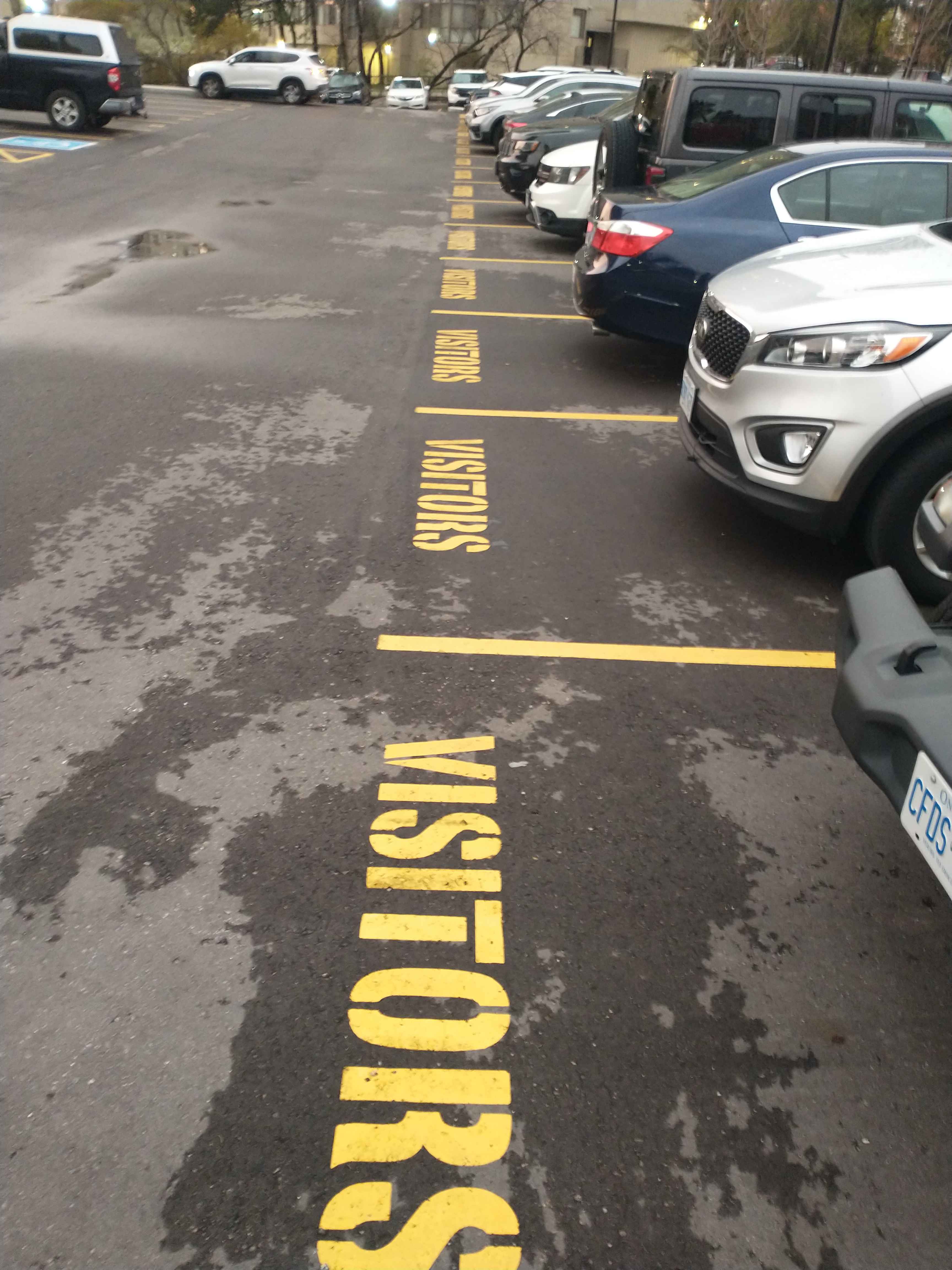
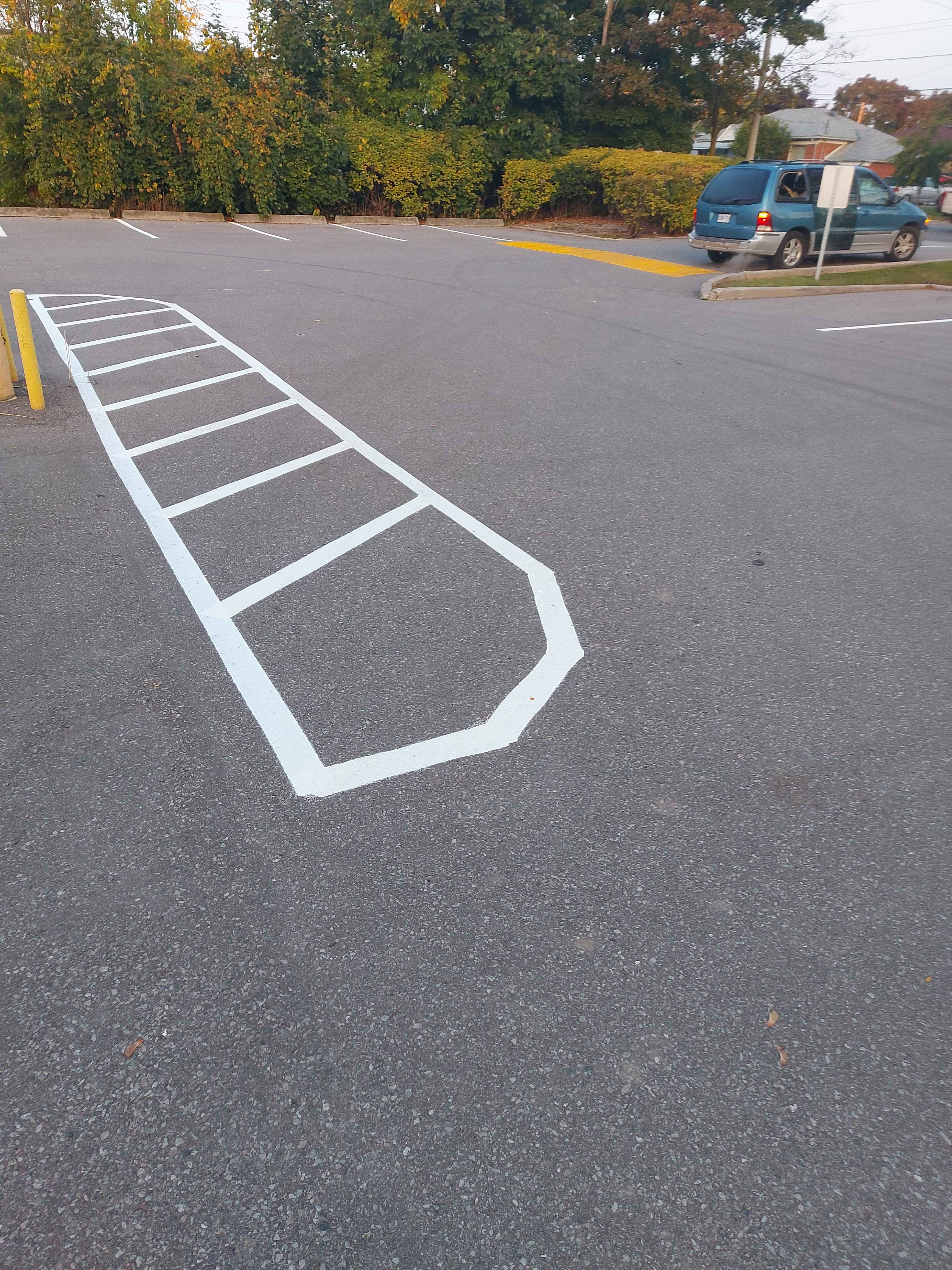
Proper Line Marking ensures that traffic flows logically, parking stalls are clearly defined, and ADA-compliant spaces are easily identifiable. This combination of structural integrity and visual organization is the gold standard for commercial property management.
Ready to Protect Your Investment?
Don't wait for the cracks to become craters. Contact the experts at Capital Parking Lot Line Painting today to schedule a professional inspection and ensure your pavement remains in peak condition for years to come.