Understanding the Lifecycle of Asphalt Cracks
A comprehensive guide to identifying, managing, and preventing pavement deterioration.
Every asphalt surface, whether it is a commercial parking lot or a residential driveway, is subject to the relentless forces of nature and usage. For property owners in Thunder Bay, a top 30 city in Ontario, the extreme seasonal shifts—from freezing winters to humid summers—accelerate the aging process of pavement. Understanding the lifecycle of asphalt cracks is not just a matter of aesthetics; it is a critical component of asset management and safety.
When cracks are ignored, they evolve from minor cosmetic issues into structural failures that can compromise the entire integrity of your lot. By partnering with professionals like Capital Parking Lot Line Painting, you can intercept this lifecycle at the most cost-effective stages.
The Stages of Asphalt Deterioration
Asphalt does not fail overnight. Instead, it undergoes a predictable series of transitions. Recognizing which stage your pavement is currently in can help you determine the necessary course of action.
Stage 1: Hairline Fissures and Oxidation
The lifecycle begins with oxidation. As the sun's UV rays hit the asphalt, the oils that keep the surface flexible begin to evaporate. This results in a slight change in color—from deep black to a lighter grey—and the appearance of tiny, hairline cracks. At this stage, the pavement is still structurally sound, but the protective seal is beginning to fail.
Stage 2: Alligator Cracking (Fatigue Cracking)
As the oxidation progresses and the base layers begin to experience stress, "alligator cracking" occurs. This pattern resembles the scales of a reptile. It is a sign that the asphalt is no longer able to distribute loads effectively. This is a critical juncture where Capital Parking Lot Line Painting recommends immediate intervention to prevent water from seeping into the sub-base.
Stage 3: Structural Failure and Potholes
If moisture penetrates the cracks and reaches the base material, the foundation begins to shift. In a climate like Thunder Bay, the freeze-thaw cycle expands this moisture, creating voids. Eventually, the surface collapses, resulting in potholes. At this stage, simple crack filling is no longer sufficient, and more intensive rehabilitation is required.
Why Proactive Maintenance Matters
Many property managers wait until a pothole forms to call for service. However, a proactive approach offers several long-term advantages for your facility:
- Extended Pavement Life: Regular sealing and crack repair can double the lifespan of your asphalt.
- Enhanced Safety: Preventing uneven surfaces and potholes reduces trip hazards and vehicle damage.
- Improved Curb Appeal: Freshly maintained surfaces and professional Line Marking make your business look professional.
- Cost Avoidance: Addressing cracks in Stage 1 is significantly more efficient than replacing a failed lot in Stage 3.
The Role of Line Marking in Safety
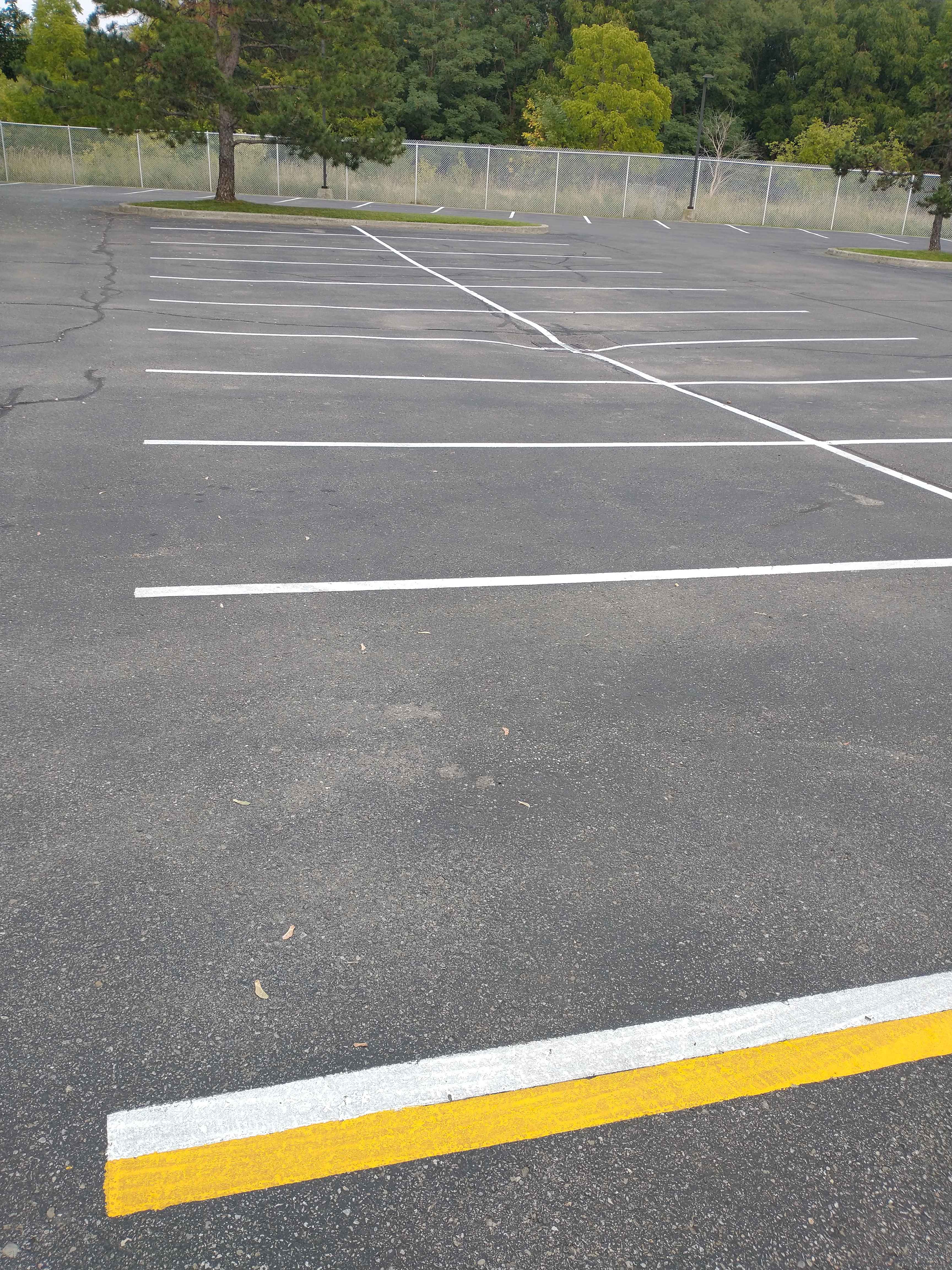
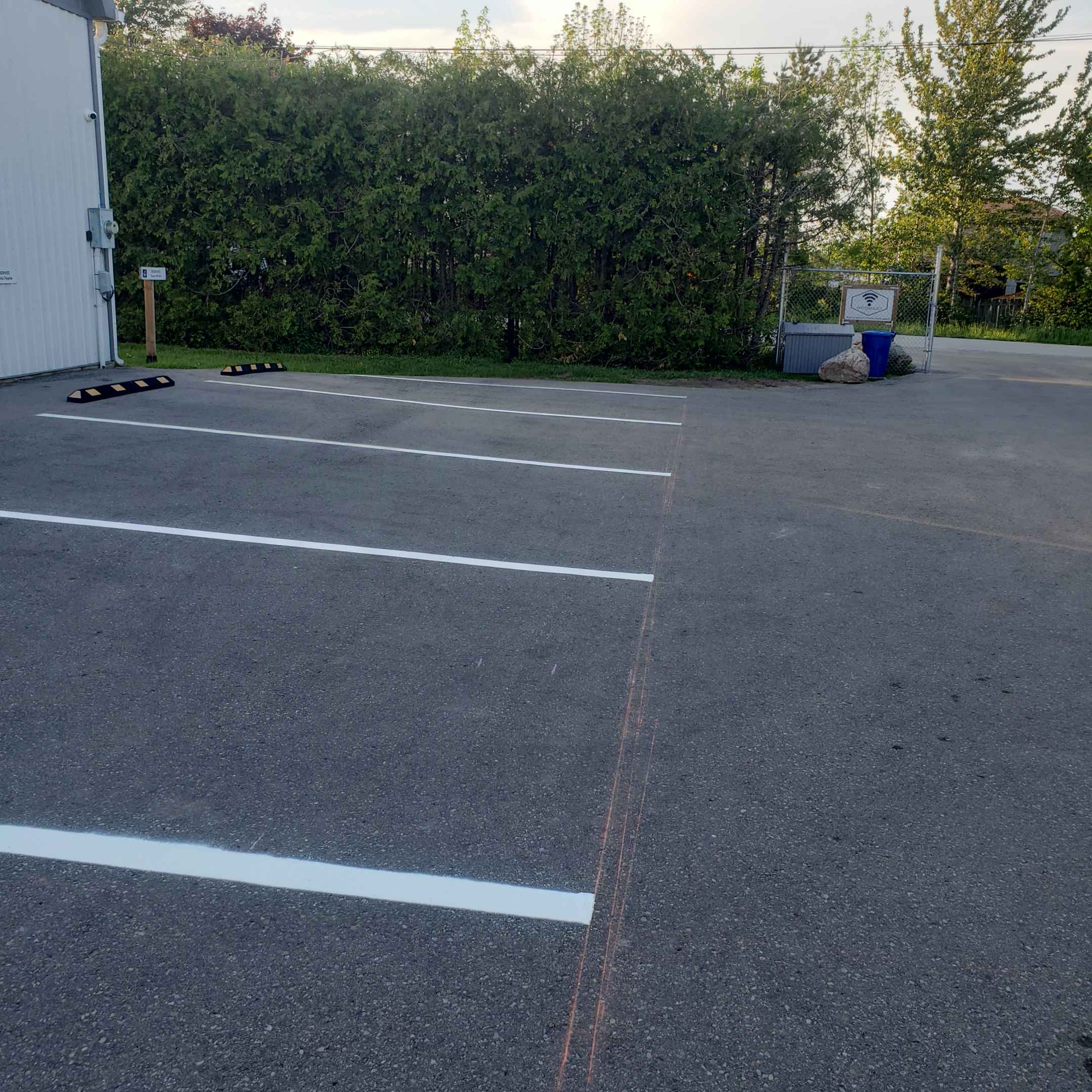
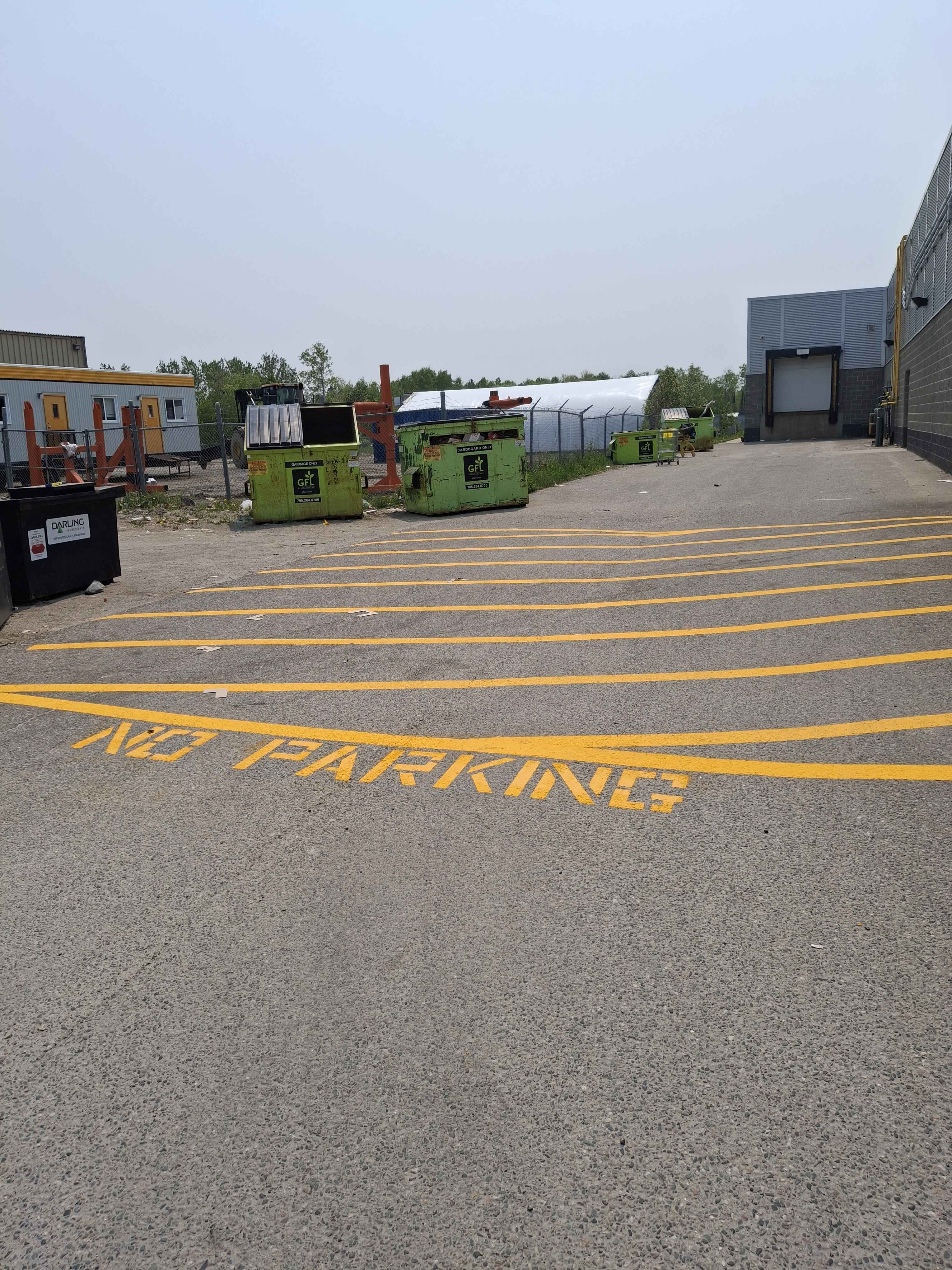
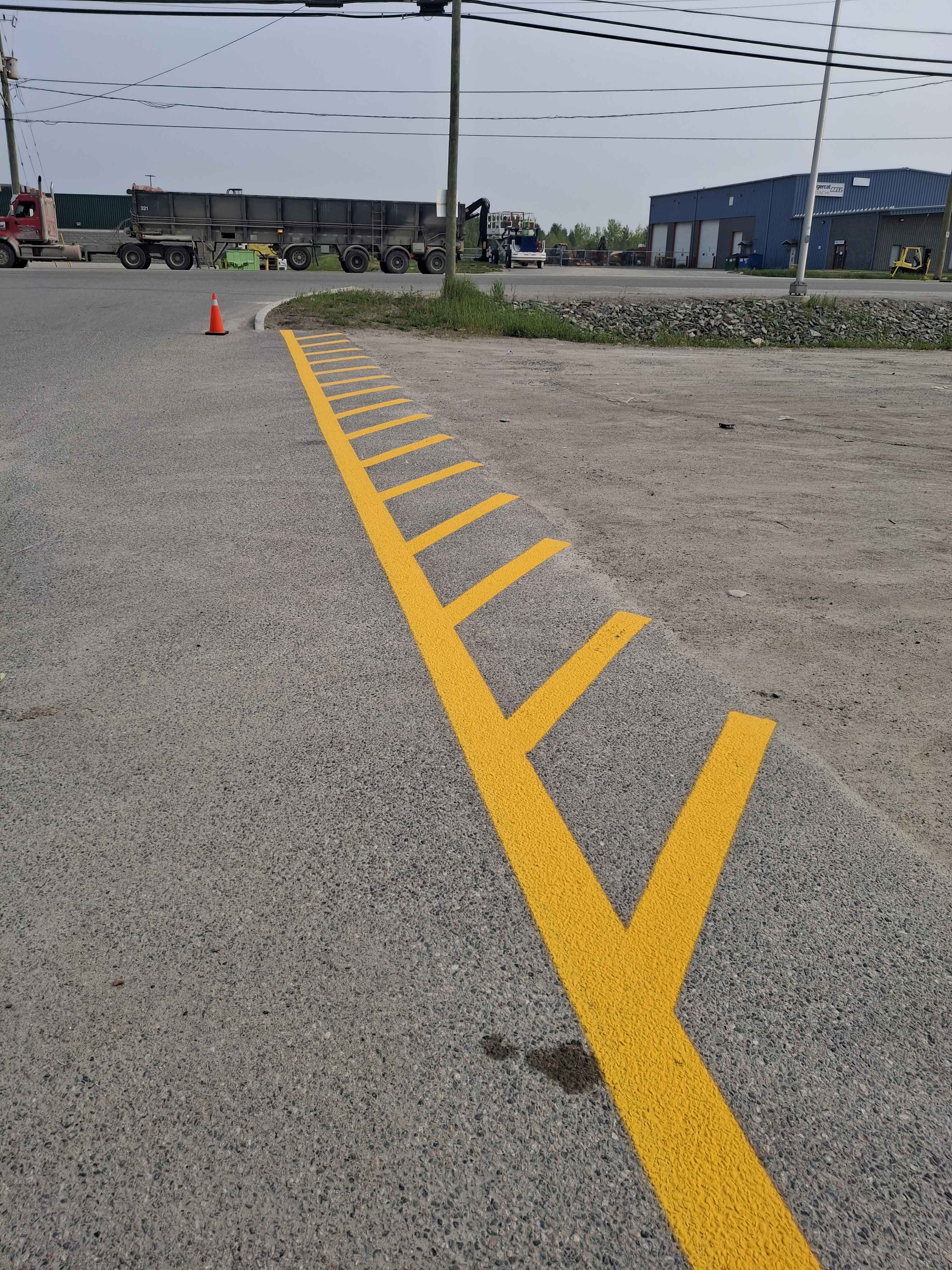
While we focus on the structural integrity of the asphalt, we must also consider the functional usability of the lot. As cracks develop and the surface ages, the visibility of your parking guides, pedestrian walkways, and directional arrows diminishes. This is where professional Line Painting becomes essential.
A cracked lot with faded markings is a liability. By integrating structural repairs with high-quality Line Marking, Capital Parking Lot Line Painting ensures that your property is not only structurally sound but also organized and safe for high-traffic use.
Summary of Best Practices
To successfully manage your asphalt lifecycle, follow these three pillars:
- Inspect Annually: Check for oxidation and hairline cracks every spring.
- Seal Regularly: Apply high-quality sealants to replenish lost oils.
- Refresh Markings: Schedule Line Painting to maintain traffic flow and compliance.