What Causes Asphalt Cracks and How to Prevent Them
Understanding the science of pavement degradation is the first step toward protecting your investment and ensuring long-term durability.
An asphalt parking lot is more than just a place to park cars; it is a vital component of your property's curb appeal and functionality. However, whether you are a business owner in North Bay or managing a large commercial complex, you have likely noticed the inevitable appearance of cracks. While small cracks might seem like a cosmetic issue, they are often the early warning signs of structural failure.
At Capital Parking Lot Line Painting, we have seen firsthand how neglected cracks can transform from minor nuisances into massive potholes. Understanding why these cracks occur is essential for implementing a proactive maintenance schedule that saves time and resources.
Common Causes of Asphalt Cracking
Asphalt is a flexible pavement, meaning it is designed to expand and contract. However, when certain stressors exceed its capacity, the surface begins to break. Here are the most common culprits:
1. Environmental and Weather Extremes
In regions like North Bay, where seasonal temperature shifts can be drastic, the freeze-thaw cycle is a primary enemy. Water seeps into tiny pores in the asphalt, freezes, expands, and pushes the pavement apart. When it thaws, it leaves behind a void, creating a crack that grows wider with every subsequent cycle.
2. Oxidation and UV Exposure
Sunlight is a silent killer of asphalt. Over time, UV rays cause the bitumen (the "glue" that holds the rocks together) to oxidize. This process makes the asphalt brittle. Brittle asphalt lacks the flexibility needed to handle weight and temperature changes, leading to "alligator cracking"—a pattern that looks like reptile skin.
3. Subgrade Failure and Poor Drainage
The strength of your asphalt is only as good as the ground beneath it. If the subgrade (the soil underneath) is not properly compacted or if water pools on the surface due to poor drainage, the foundation becomes unstable. This instability causes the asphalt to shift and crack under pressure.
4. Heavy Traffic Loads and Structural Stress
Repeated heavy vehicle traffic, especially if the vehicles are driving in the same paths every day, places immense stress on the pavement. Without regular maintenance, these loads eventually fatigue the material, causing deep structural cracks.
How to Prevent Asphalt Damage
Prevention is significantly more cost-effective than total reconstruction. By following a consistent maintenance routine, you can significantly extend the life of your pavement.
- Sealcoating: Applying a protective sealant acts as a barrier against UV rays and water penetration.
- Crack Sealing: Filling small cracks as soon as they appear prevents water from reaching the subgrade.
- Proper Drainage Management: Ensure that water flows away from the asphalt surface to prevent pooling.
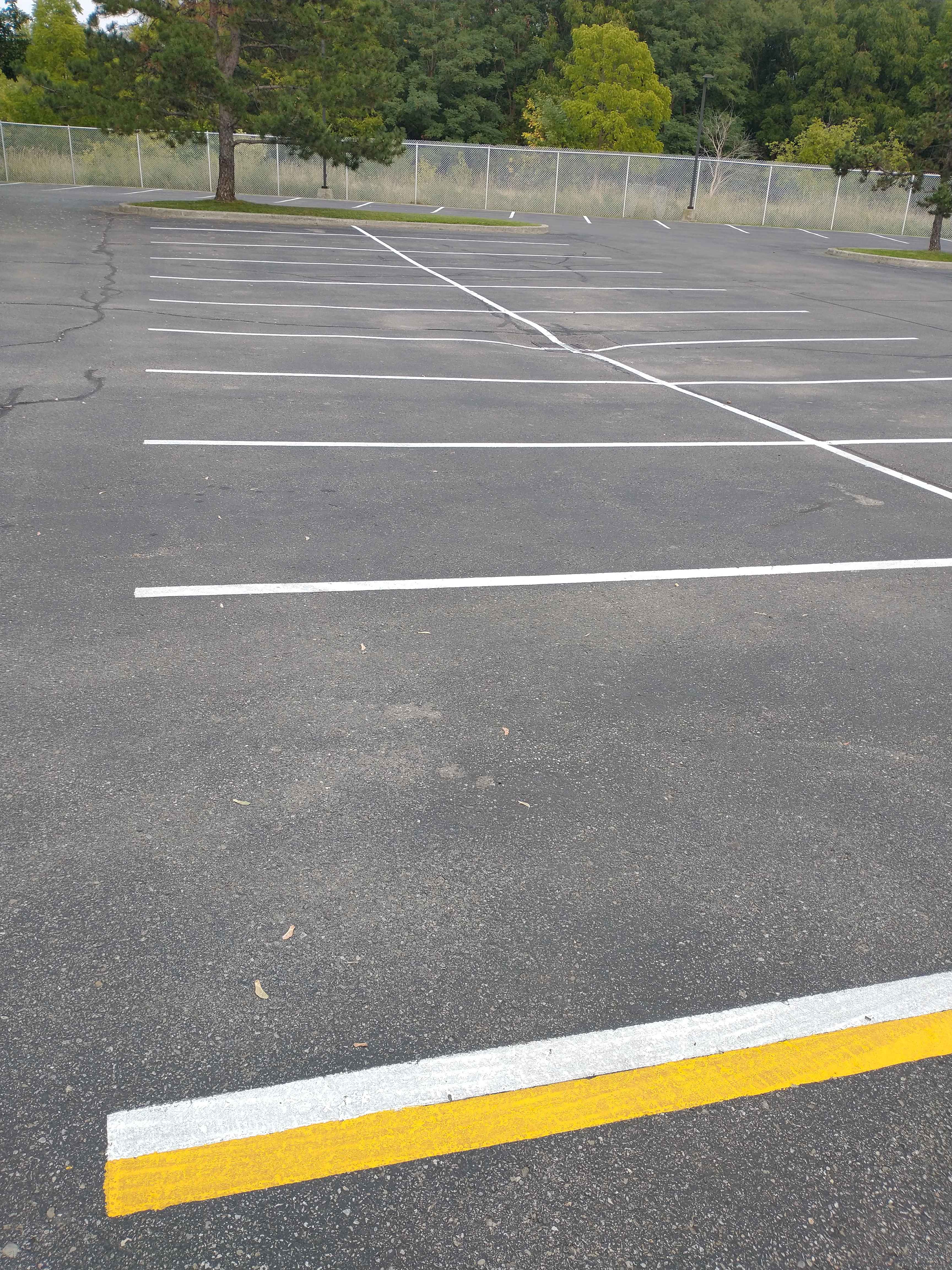
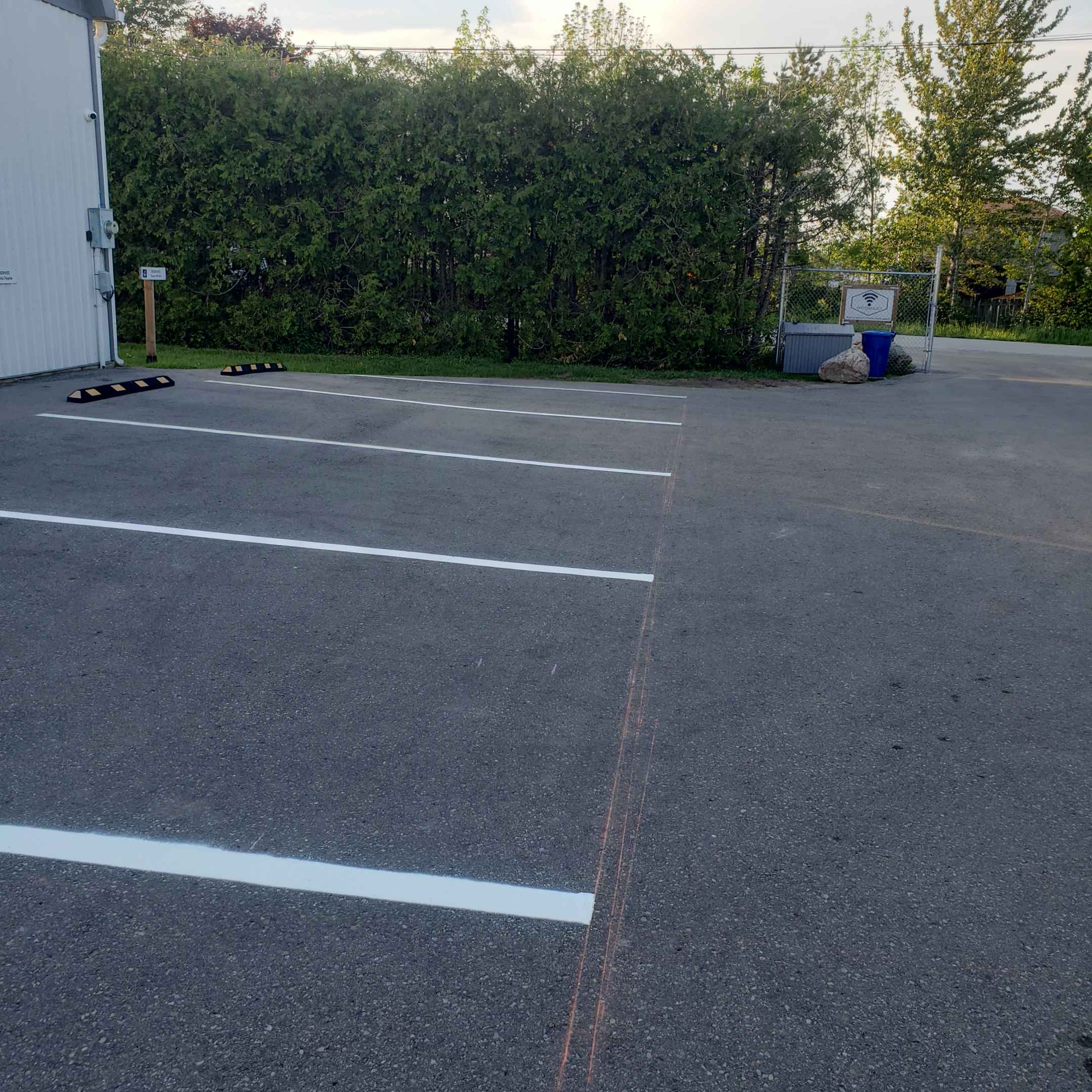
- Regular Line Marking: Keeping your Line Marking clear and visible helps direct traffic flow, preventing vehicles from driving on unreinforced edges or grass.
- Routine Inspections: Periodically walking your lot to spot early signs of wear can prevent minor issues from becoming disasters.
The Role of Professional Maintenance
While DIY solutions exist, professional intervention ensures that the materials and techniques used are appropriate for the specific climate and usage of your lot. Capital Parking Lot Line Painting specializes in comprehensive pavement care, ensuring that your surface remains durable and aesthetically pleasing.
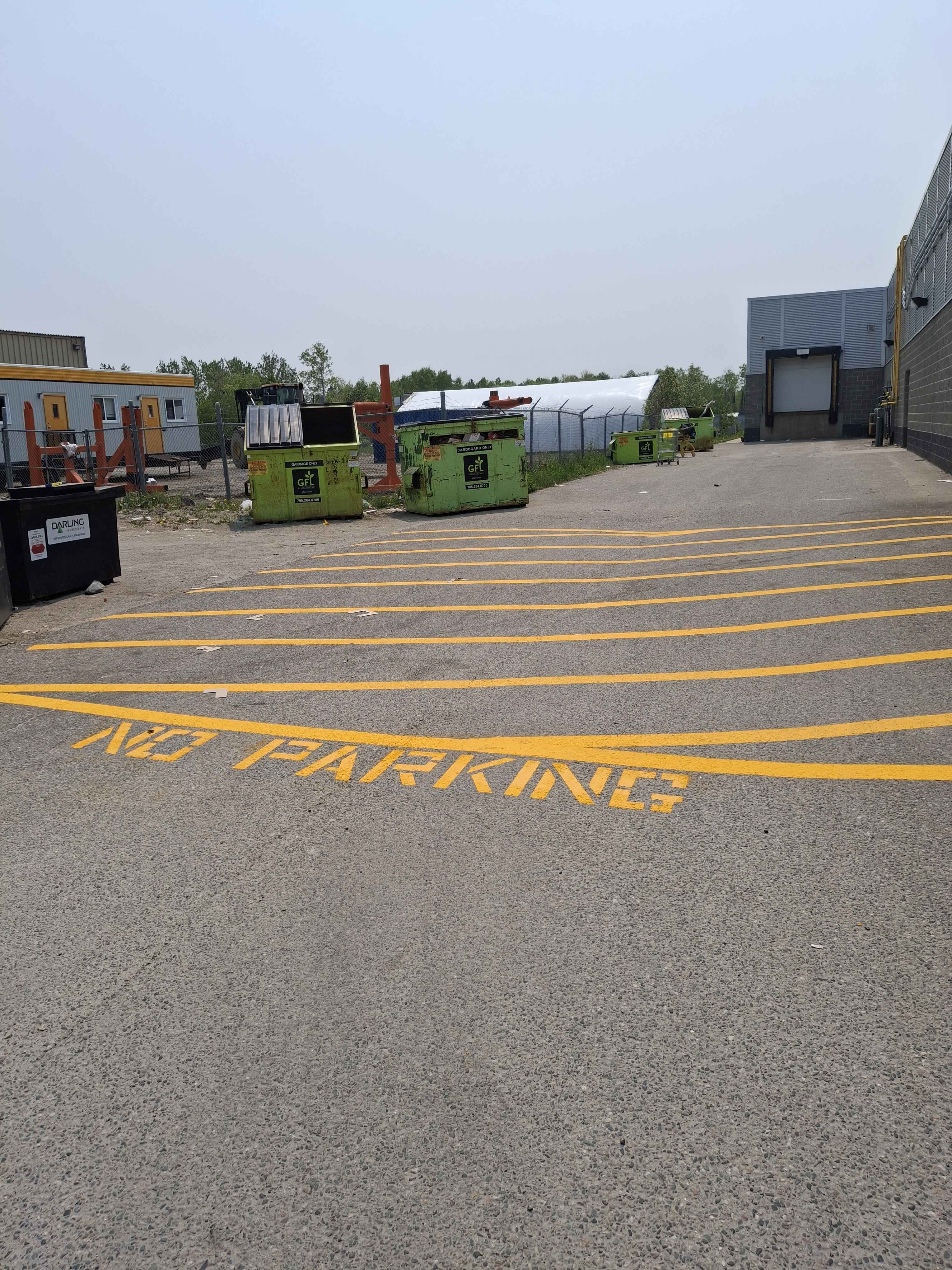
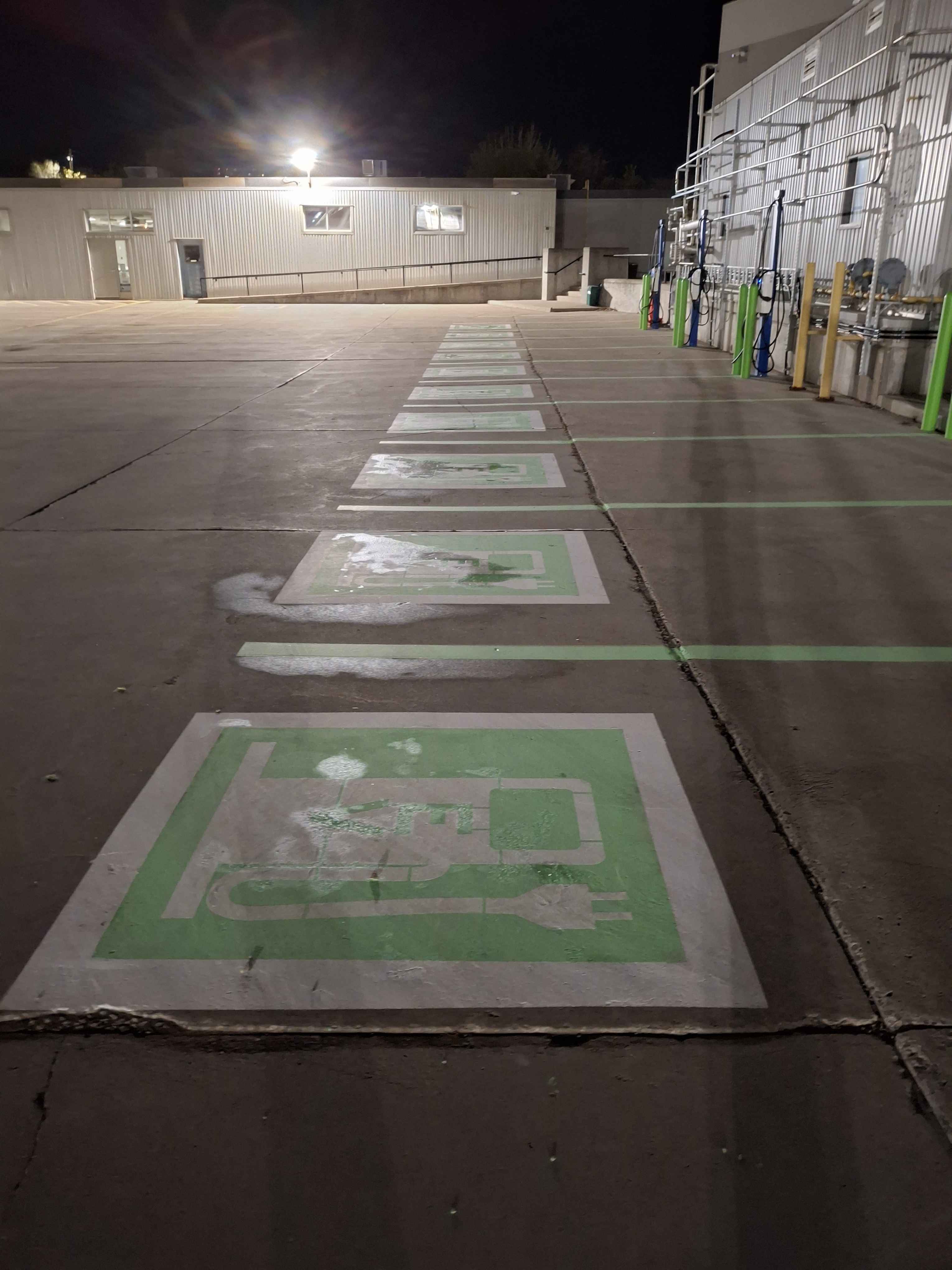
Beyond structural integrity, visual clarity is essential for safety. Our expertise in Line Painting ensures that your parking stalls, arrows, and pedestrian walkways are crisp and highly visible, reducing the risk of accidents and improving traffic management.
Ready to Protect Your Pavement?
Don't wait for the cracks to become craters. Contact Capital Parking Lot Line Painting today to schedule an inspection and learn how our professional services can revitalize your property.