What Causes Asphalt Cracks and How to Prevent Them
Maintaining a smooth, durable parking lot is essential for any commercial property owner, but asphalt is constantly under siege from environmental and physical forces. Understanding why cracks form is the first step toward effective prevention.
The Science of Asphalt Degradation
Asphalt is a flexible pavement, meaning it is designed to move slightly under load and temperature changes. However, when the stresses placed upon it exceed its structural capacity or its ability to flex, cracks begin to appear. In growing urban centers like Burlington, where traffic volume and seasonal weather shifts are significant, these issues can manifest more rapidly if not addressed early.
At Capital Parking Lot Line Painting, we see firsthand how small fissures can evolve into major structural failures if left untreated. Recognizing the different types of cracks can help you determine the urgency of your maintenance needs.
Common Causes of Asphalt Cracking
1. Environmental Factors and Temperature Fluctuations
One of the most common culprits is the freeze-thaw cycle. During the winter months, water seeps into microscopic pores in the asphalt. When this water freezes, it expands, exerting immense pressure on the pavement. As it thaws, it leaves behind voids that weaken the structure, eventually leading to cracks.
2. Water Penetration and Subgrade Issues
Water is the enemy of asphalt. If water reaches the subgrade (the soil underneath the asphalt), it can soften the foundation. Once the foundation becomes unstable, the asphalt layer above it will sag and crack under the weight of vehicles. Proper drainage is critical to preventing this cycle of decay.
3. Heavy Traffic and Loading Stress
Repeated heavy loads from vehicles, especially if they turn sharply or follow the same path repeatedly, cause fatigue in the asphalt. This leads to "alligator cracking," characterized by a pattern of interconnected cracks that resemble the skin of a reptile. This is often a sign of structural failure.
How to Prevent Asphalt Cracks
Prevention is significantly more cost-effective than total reconstruction. By implementing a proactive maintenance schedule, you can significantly extend the life of your pavement.
- Regular Sealcoating: Applying a protective sealant fills small cracks and prevents water and UV rays from penetrating the surface.
- Prompt Crack Repair: Never ignore a small crack. Filling them immediately prevents water from reaching the subgrade.
- Effective Drainage: Ensure that your parking lot is graded to allow water to flow away from the surface and into designated drains.
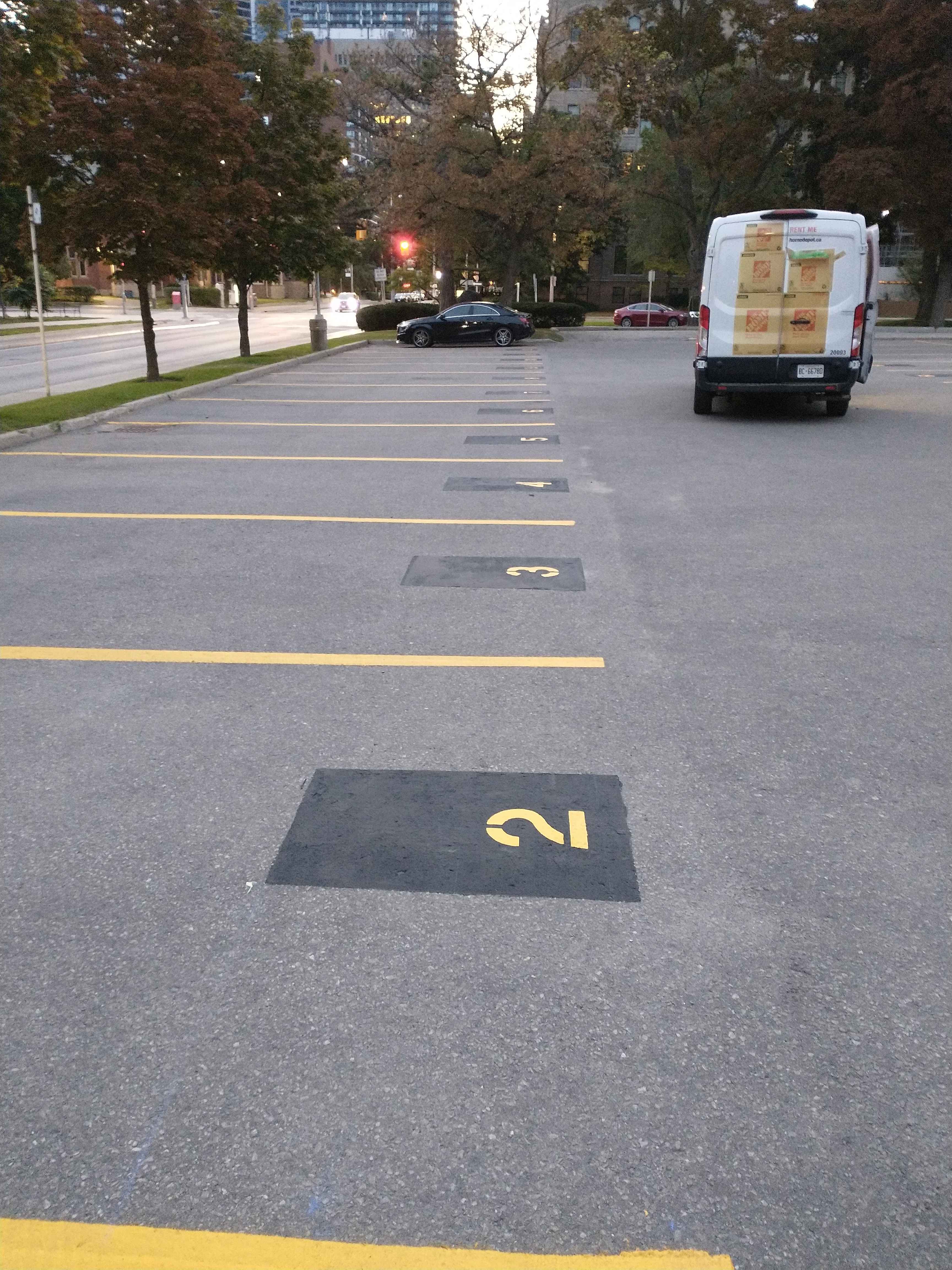
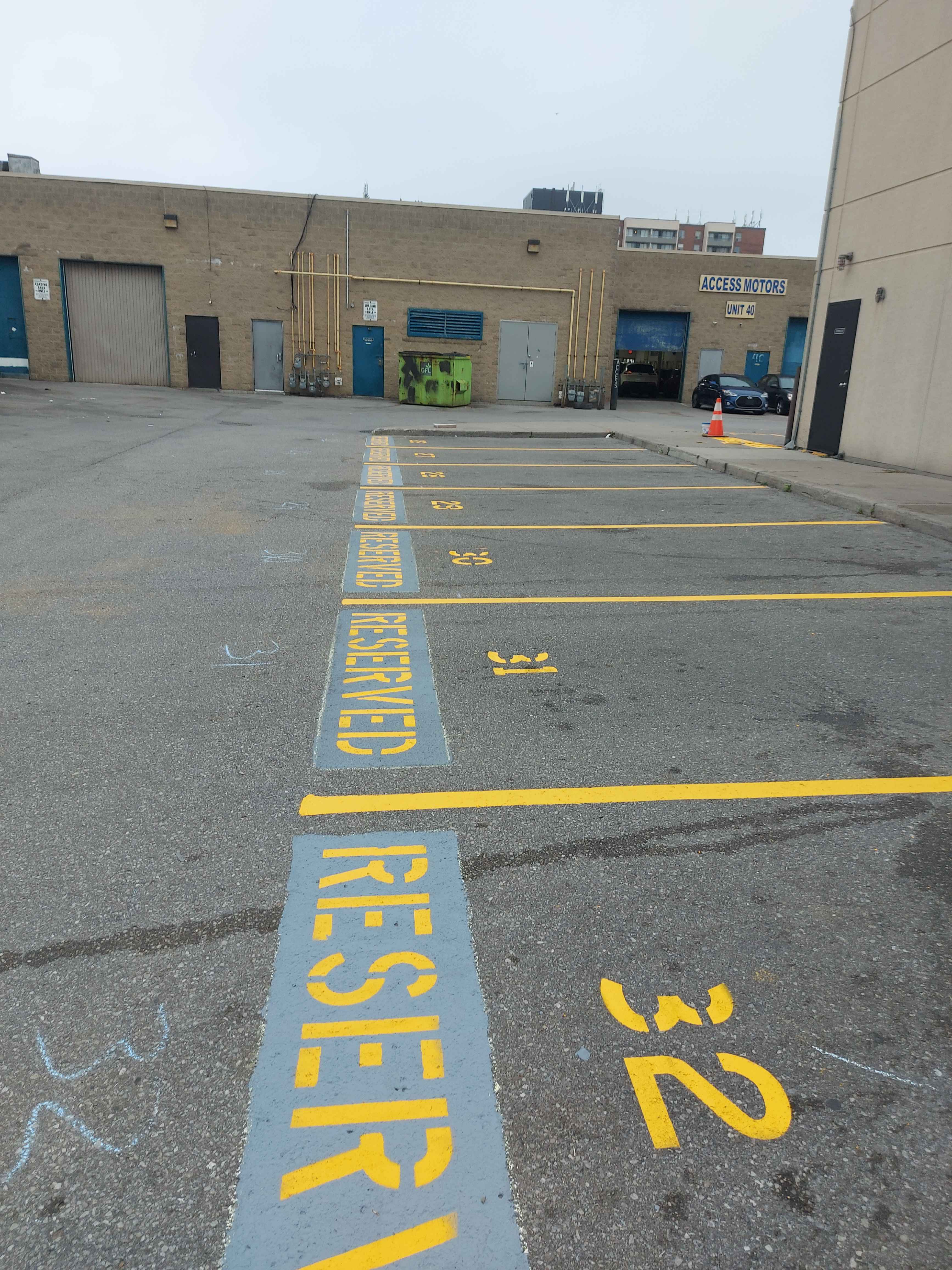
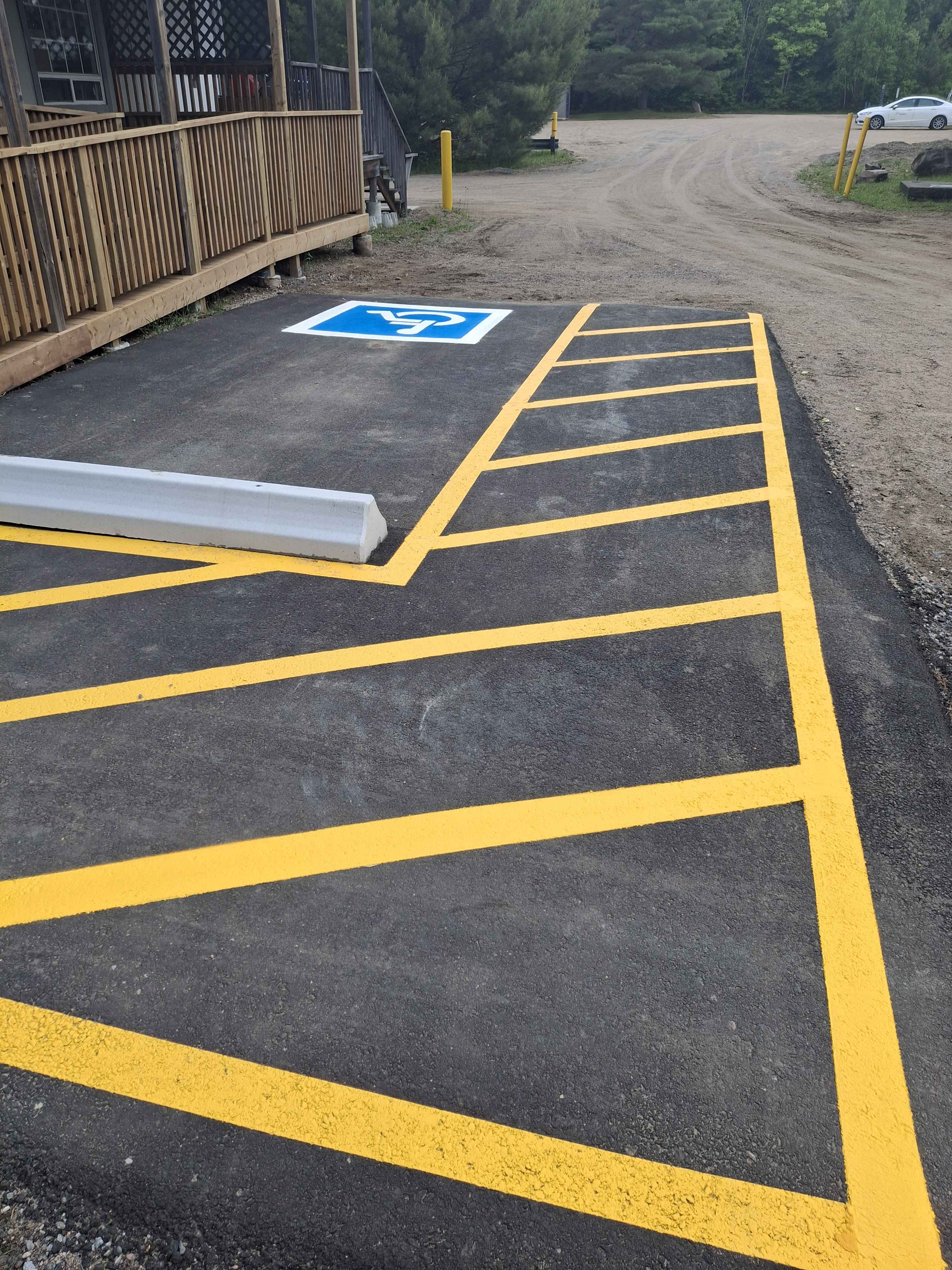
- Professional Line Marking: Maintaining clear, high-visibility lines helps direct traffic flow, reducing unnecessary vehicle stress on certain areas of the pavement.
Expert Maintenance in Burlington
For property owners in Burlington, staying ahead of the weather means being prepared. Capital Parking Lot Line Painting specializes in helping businesses maintain professional, safe, and long-lasting surfaces. Whether you need routine maintenance or professional Line Marking to improve safety and aesthetics, our team is here to help.
The Importance of Professional Care
While DIY solutions exist, they often provide only temporary fixes that can actually exacerbate the problem. Professional services ensure that the materials used are compatible with your specific asphalt type and that the application is done under optimal weather conditions.
When you partner with Capital Parking Lot Line Painting, you are investing in the longevity of your property. From deep crack filling to precision Line Painting, our expertise ensures your asphalt remains a functional asset rather than a liability.