What Causes Asphalt Cracks and How to Prevent Them
Maintaining a smooth, crack-free asphalt surface is essential for the safety, aesthetics, and longevity of any commercial property. Understanding why these cracks appear is the first step toward effective prevention.
The Hidden Culprits: Why Asphalt Cracks
Asphalt is a flexible pavement, meaning it is designed to move slightly under pressure. However, when the environmental or structural stresses exceed the material's capacity, cracks begin to form. For property owners in Windsor, these issues are often exacerbated by the dramatic seasonal shifts typical of Ontario.
1. Environmental Stress and Temperature Fluctuations
One of the most common causes of cracking is the expansion and contraction of the asphalt. In a top 30 city like Windsor, the extreme temperature swings between hot summers and freezing winters create immense thermal stress. When the asphalt contracts in the cold, it can pull apart, leading to thermal cracking.
2. Water Penetration and Freeze-Thaw Cycles
Water is the enemy of asphalt. When moisture seeps into small imperfections, it can settle in the sub-base. During the winter, this water freezes and expands, pushing the asphalt upward and creating cracks. As the ice melts, it leaves behind voids, leading to potholes and structural failure. This is why regular maintenance from professionals like Capital Parking Lot Line Painting is vital to seal these entry points.
3. Heavy Load and Traffic Stress
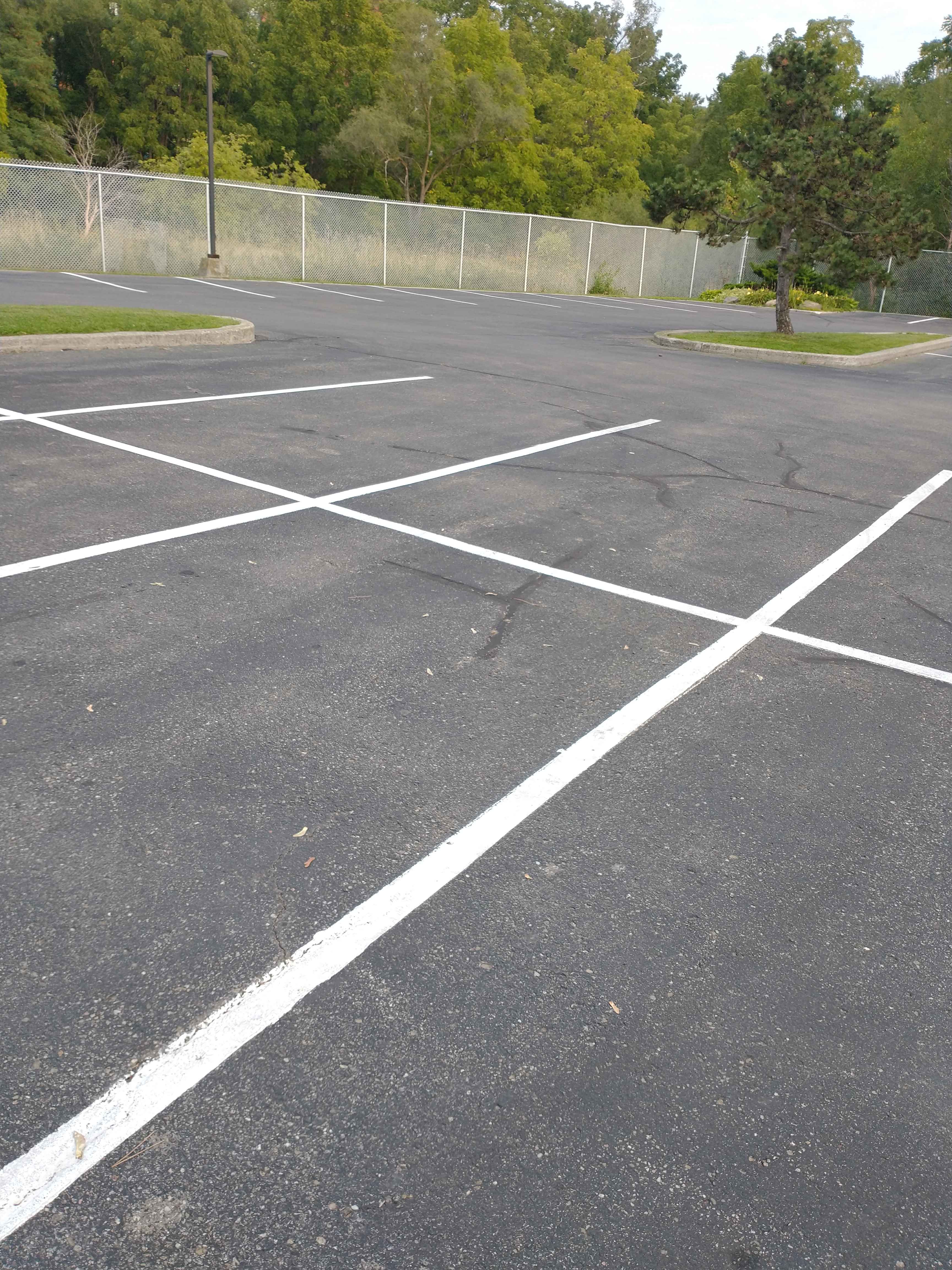
Constant heavy vehicle traffic, particularly from delivery trucks or heavy machinery, can cause fatigue cracking. This occurs when the repeated weight of vehicles causes the asphalt to lose its structural integrity over time, resulting in a web-like pattern of cracks across the surface.
Common Types of Asphalt Cracks
Not all cracks are created equal. Identifying the type of crack can help you determine the severity of the issue and the necessary course of action.
- Alligator Cracking: Small, interconnected cracks that resemble the skin of an alligator. This usually indicates a deep structural failure in the base layer.
- Longitudinal Cracking: Cracks that run parallel to the direction of travel, often caused by poor joint construction or temperature changes.
- Transverse Cracking: Cracks that run perpendicular to the direction of travel, typically caused by thermal expansion and contraction.
- Block Cracking: Large, rectangular cracks that form a pattern across the surface, often due to age and oxidation.
Proactive Prevention Strategies
The best way to manage asphalt damage is to prevent it before it becomes a costly structural issue. Capital Parking Lot Line Painting recommends a proactive approach to pavement management.
Regular Sealing and Maintenance
Applying a high-quality sealant can act as a protective barrier against UV rays, water, and oil spills. Sealing prevents the oxidation that makes asphalt brittle and keeps moisture from penetrating the sub-base. By scheduling regular inspections, you can catch small cracks before they turn into major repairs.
Professional Line Marking and Visibility
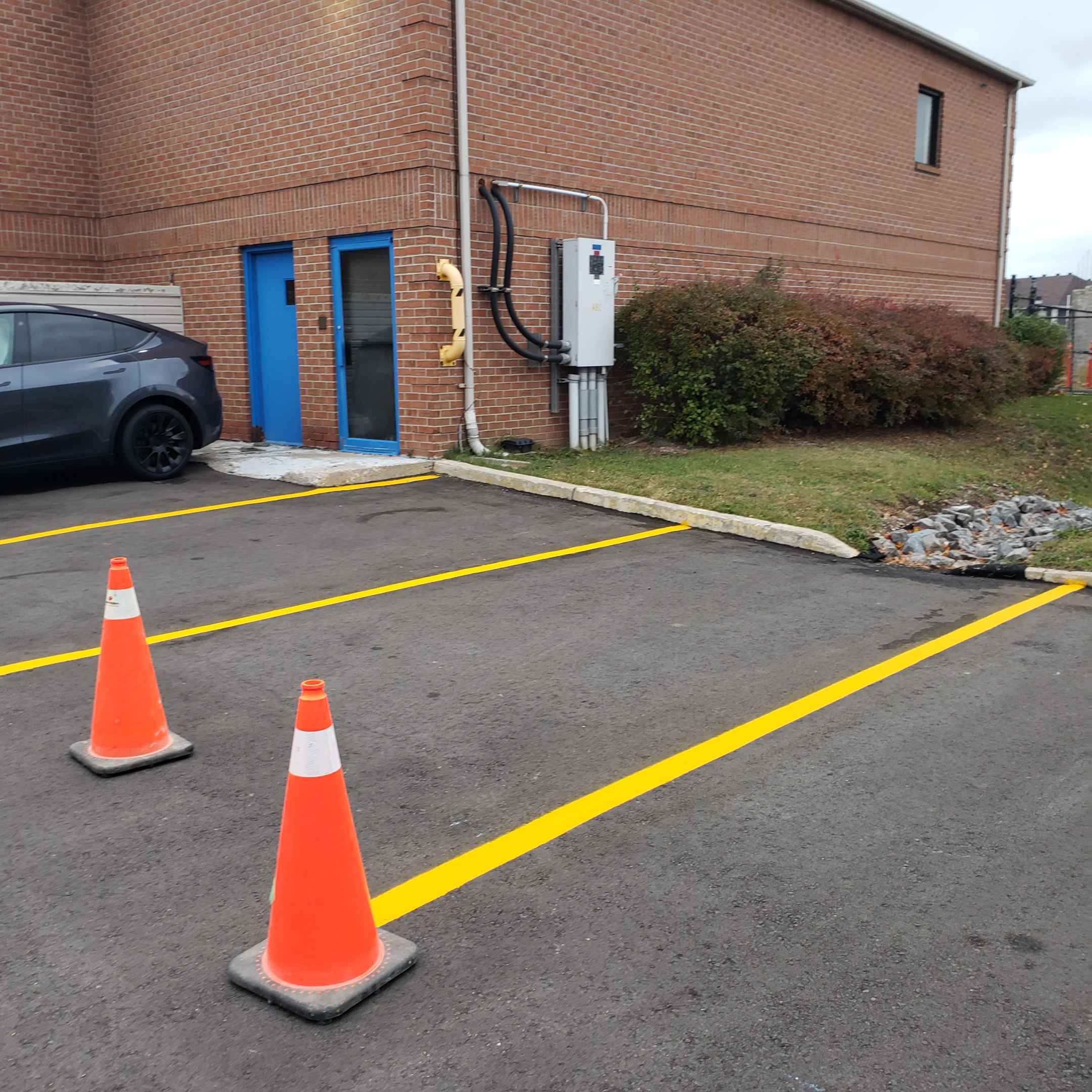
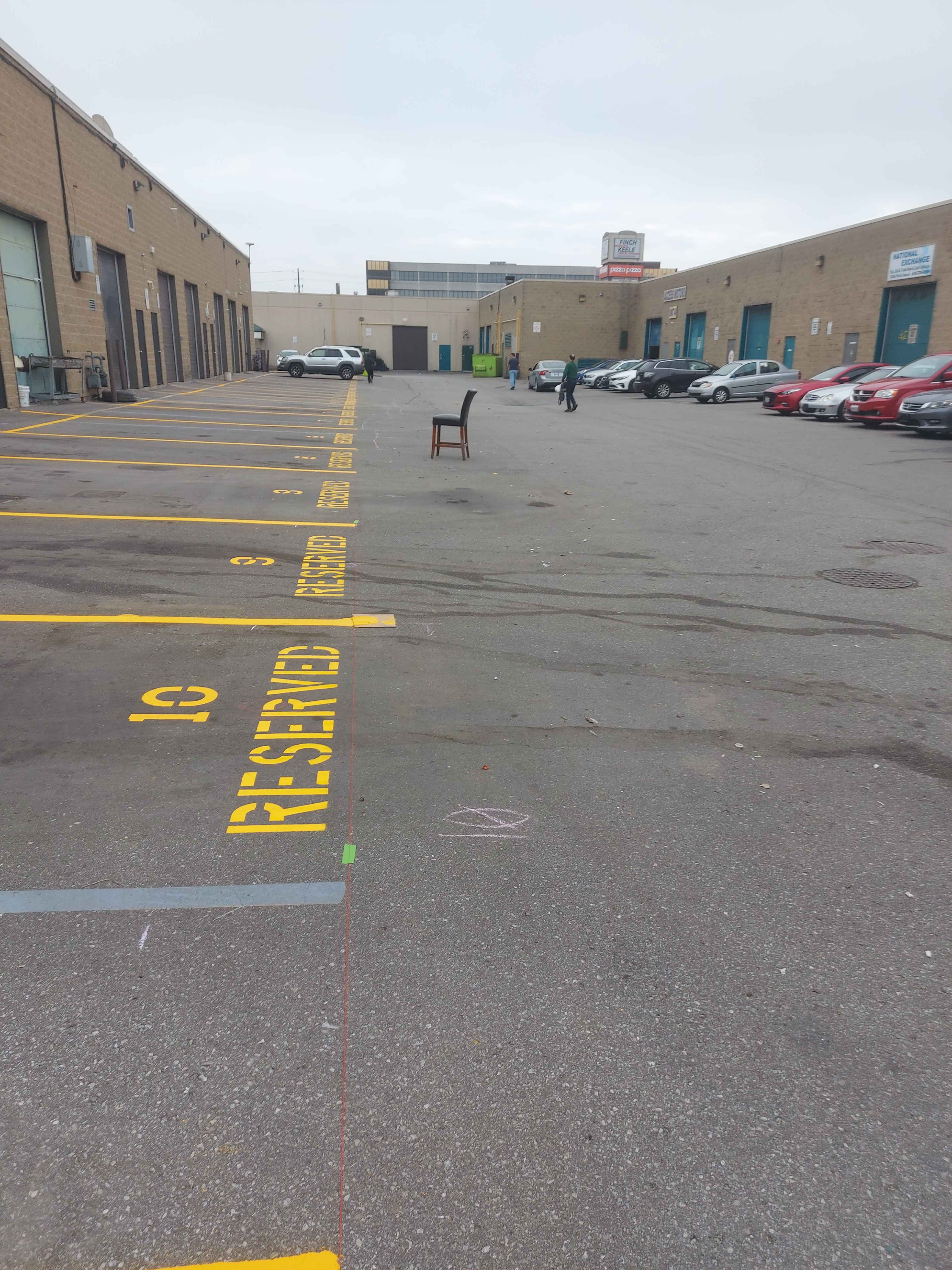
While preventing cracks is about structural integrity, maintaining the utility of your lot is just as important. Once your surface is repaired and sealed, professional Line Marking ensures that parking stalls, fire lanes, and pedestrian walkways are clearly defined. This not only improves safety but also enhances the professional appearance of your business.
Effective Drainage Management
Ensure that your parking lot is graded correctly to allow water to flow away from the surface. Standing water is a primary driver of asphalt degradation. Keeping drains clear and ensuring proper runoff will significantly extend the life of your pavement.
Summary of Prevention Steps
- Perform annual visual inspections of the entire lot.
- Sealcoat the surface every 2-3 years to prevent oxidation.
- Repair small cracks immediately to prevent water ingress.
- Maintain clear drainage paths to prevent pooling.
- Utilize professional Line Painting to maintain safety standards.
Partner with the Experts
Managing a large-scale parking lot requires specialized knowledge and equipment. Whether you need crack filling, sealcoating, or precision Line Marking, Capital Parking Lot Line Painting provides the expertise needed to keep your property in top condition. Don't wait for a small crack to become a massive pothole—invest in maintenance today to save on repairs tomorrow.