What Causes Cracks to Reappear After They’re Filled?
It is one of the most frustrating experiences for property owners: you invest time and resources into repairing your asphalt, only to see those same cracks creeping back to the surface just a few months later. Understanding why this happens is the first step toward permanent pavement health.
The Mystery of the Recurring Crack
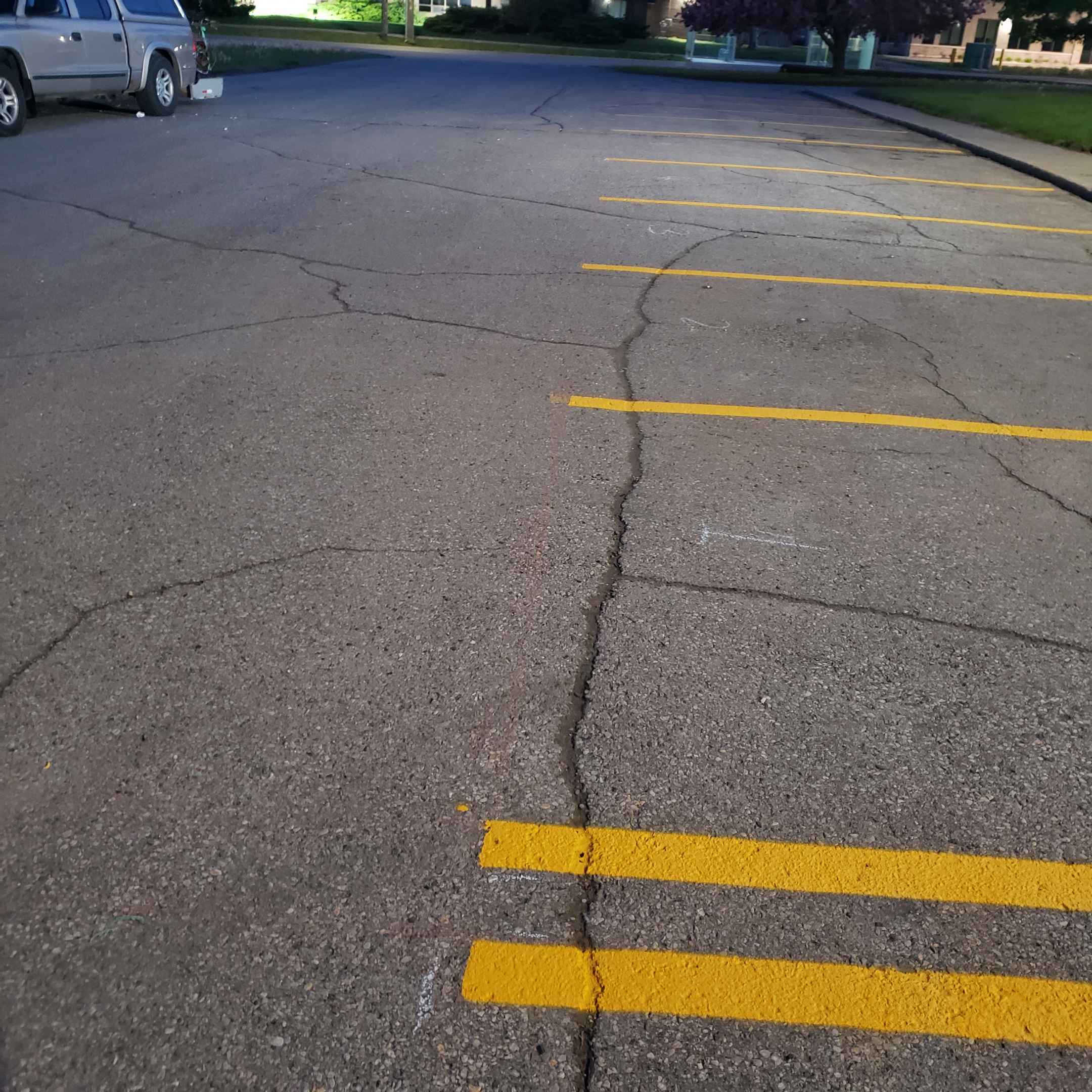
When you see a crack in your parking lot, the instinct is to fill it immediately. While crack filling is a vital maintenance step, it is often a reactive measure rather than a proactive cure. If the underlying cause of the movement isn't addressed, the patch is essentially just a temporary bandage on a much deeper wound.
At Capital Parking Lot Line Painting, we frequently see property owners in London struggling with this exact issue. The harsh Canadian climate plays a massive role in how asphalt behaves, making it a constant battle against the elements.
Primary Culprits Behind Reappearing Cracks
To fix a problem permanently, you have to understand the mechanics of why the pavement is moving. Here are the most common reasons why cracks return:
1. Thermal Expansion and Contraction
Asphalt is a flexible material, but it is also highly sensitive to temperature. In a city like London, where we experience extreme heat in the summer and freezing temperatures in the winter, the pavement is constantly expanding and contracting. This movement can cause the edges of an existing crack to shift, eventually breaking the bond of the filler material.
2. Subgrade Instability
The most significant cause of recurring cracks isn't actually the asphalt itself—it's what lies beneath it. The subgrade is the foundation of your parking lot. If the soil underneath is saturated with water, poorly compacted, or shifting due to erosion, the asphalt surface will follow that movement. No matter how much filler you apply, if the foundation is moving, the crack will return.
3. Water Infiltration and the Freeze-Thaw Cycle
Water is the enemy of asphalt. When water seeps into a small crack and then freezes, it expands. This expansion exerts immense pressure on the surrounding pavement, widening the crack. If the initial repair didn't create a completely watertight seal, the freeze-thaw cycle will quickly compromise the new patch.
4. Improper Repair Techniques
Sometimes, the method of repair is to blame. Using the wrong type of filler, applying it when the surface is too wet, or failing to clean the crack of debris can lead to immediate failure. Professional services like Capital Parking Lot Line Painting utilize specialized equipment and high-grade materials to ensure a much higher success rate than DIY methods.
Don't Let Small Cracks Become Big Problems
Ignoring small cracks or using subpar materials can lead to total pavement failure, requiring a complete resurfacing. Regular maintenance is far more cost-effective than total replacement.
How to Prevent Recurring Cracks
While you cannot control the weather, you can control the quality of your pavement maintenance. To ensure your parking lot remains smooth and functional, consider these best practices:
- Regular Inspections: Check your lot at least twice a year (spring and fall) to catch small cracks before they expand.
- Professional Cleaning: Ensure all cracks are cleaned of dirt, oil, and vegetation before any filler is applied.
- Quality Materials: Use high-quality, polymer-modified crack sealants that can withstand temperature fluctuations.
- Comprehensive Maintenance: Combine crack repair with professional Line Marking to ensure the entire lot is safe and clearly defined.
- Drainage Management: Ensure water is directed away from the pavement to prevent subgrade saturation.
The Importance of Professional Care
When you hire a specialist like Capital Parking Lot Line Painting, you aren't just paying for a patch; you are paying for expertise. Professionals can diagnose whether a crack is a surface-level issue or a sign of deep structural failure. They can also provide essential services like Line Painting to ensure your lot meets safety standards and looks professional.
A well-maintained lot not only prevents structural damage but also increases the curb appeal of your business or residential complex. Don't wait for the cracks to become potholes.