What to Expect During the Sealcoating Process
Maintaining an asphalt surface requires more than just periodic repairs; it requires a proactive approach to protection. Understanding the journey from a worn-out driveway or parking lot to a rejuvenated, jet-black surface is essential for every property owner.
The Importance of Sealcoating
Asphalt is a resilient material, but it is constantly under siege from the elements. In regions like Milton, Ontario, the cycle of freezing and thawing, combined with UV exposure and chemical runoff, can cause asphalt to oxidize, crack, and crumble. Sealcoating acts as a sacrificial barrier, absorbing the brunt of these environmental stressors so your underlying pavement doesn't have to.
When you partner with Capital Parking Lot Line Painting, you aren't just applying a coating; you are investing in the longevity of your infrastructure. A well-maintained surface prevents water from seeping into the sub-base, which is the primary cause of potholes and structural failure.
The Step-by-Step Sealcoating Journey
Many property managers ask what actually happens on the day of service. A professional application is a meticulous process that involves several distinct stages to ensure maximum adhesion and durability.
1. Surface Cleaning and Preparation
The most critical step happens before a single drop of sealant touches the ground. We begin by clearing all debris, dirt, and vegetation from the surface. Using high-powered blowers and industrial brooms, we ensure the asphalt is pristine. If there is oil or grease staining, these areas must be treated specifically to ensure the sealer can bond effectively.
2. Crack Filling and Repair
Sealcoating is not a magic fix for existing structural damage. Therefore, we identify cracks and fissures that could allow water to penetrate. We fill these gaps with a hot-applied rubberized filler. This step is vital because if you seal over an open crack, the sealant will simply sink into the void, leaving the crack unprotected.
3. The Application Process
Once the surface is clean and repaired, the sealant is applied. Depending on the area size and equipment, this is done via squeegee application for smaller residential areas or spray application for large commercial lots. Capital Parking Lot Line Painting utilizes premium-grade sealants designed to withstand the heavy traffic and weather fluctuations common in Milton.
4. Line Marking and Final Touches
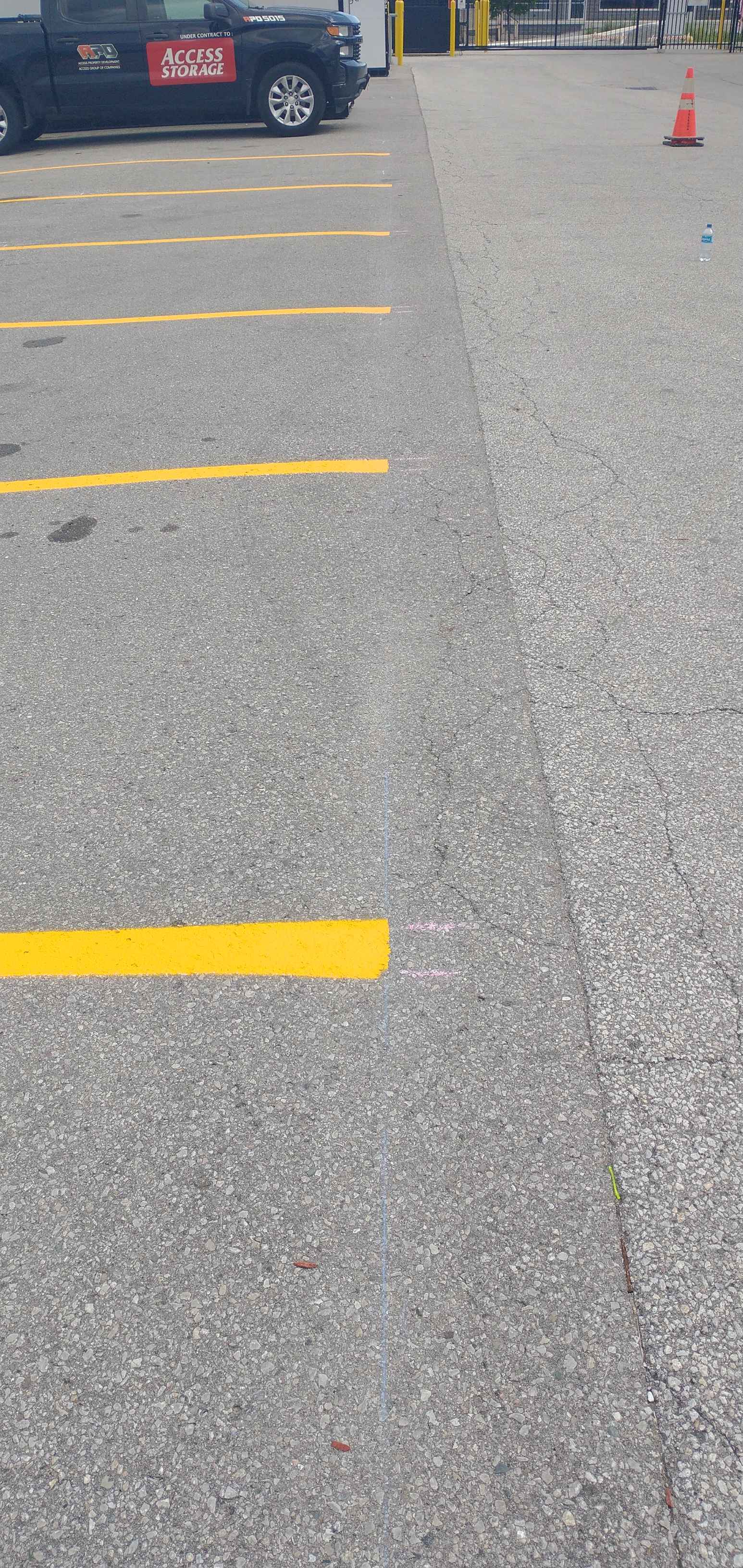
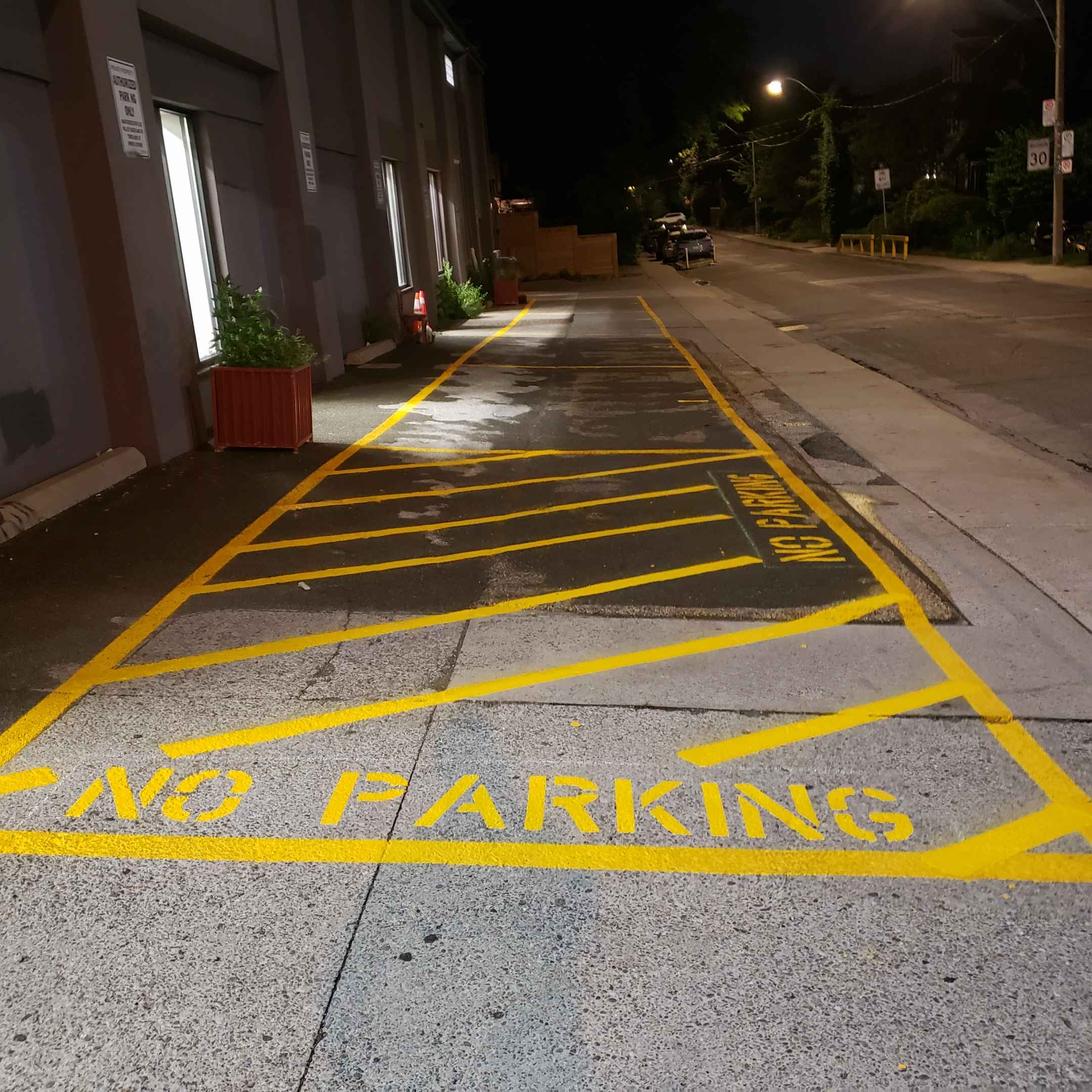
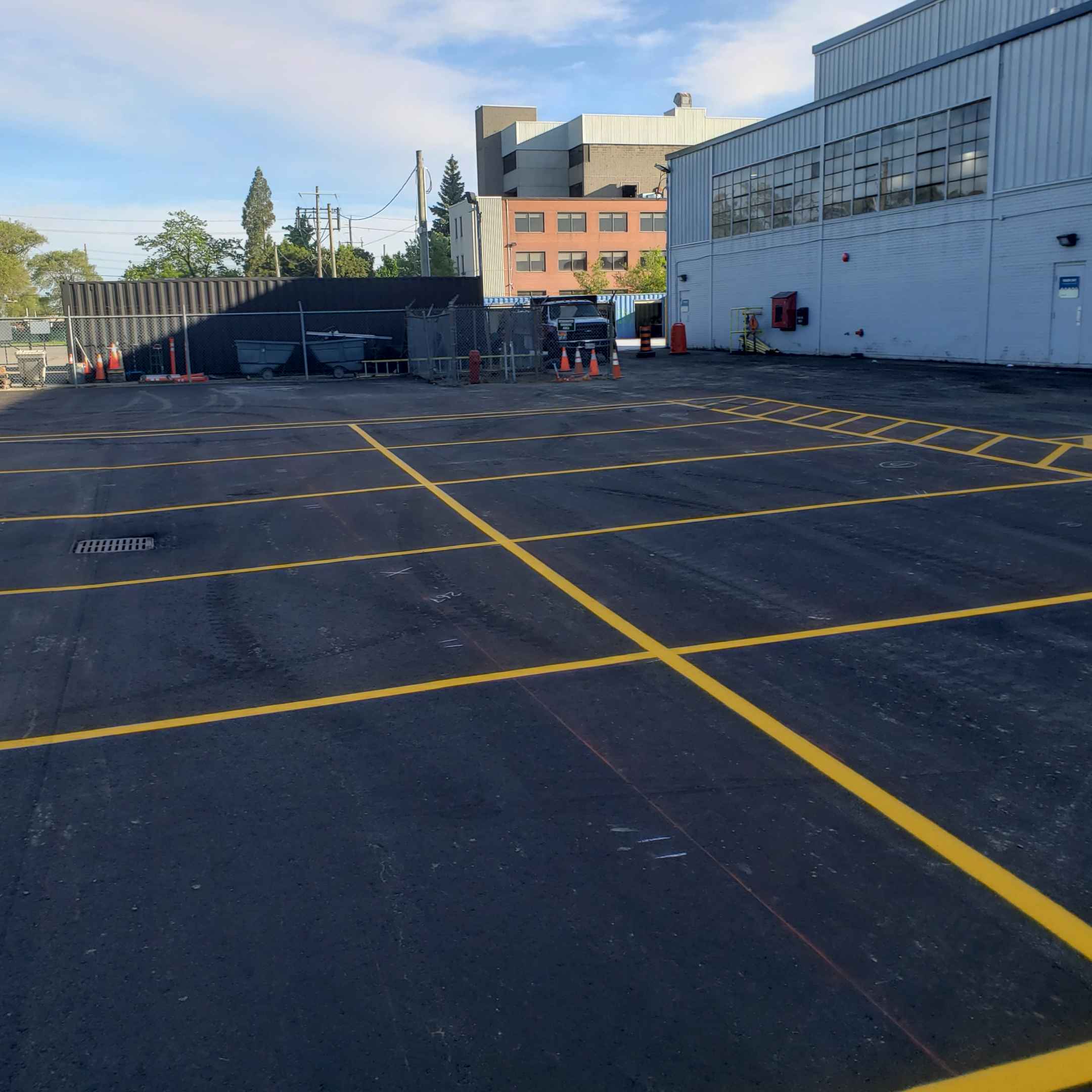
After the sealant has dried, the final aesthetic and functional step occurs: Line Marking. Freshly sealed black asphalt provides the perfect high-contrast background for bright, crisp lines. Whether it is parking stalls, ADA compliance symbols, or directional arrows, professional Line Painting ensures your lot is organized and safe.
Key Benefits of Regular Sealcoating
- Extended Asphalt Life: Delays the need for expensive resurfacing.
- Waterproofing: Prevents moisture from compromising the sub-base.
- Enhanced Curb Appeal: Provides that deep, "new" black look.
- Improved Safety: Creates a high-contrast surface for better Line Painting visibility.
- UV Protection: Prevents the sun from drying out the asphalt oils.
Common Mistakes to Avoid
Not all sealcoating jobs are created equal. To ensure you get the best results, keep an eye out for these common industry pitfalls:
- Skipping the cleaning phase: Applying sealer over dirt leads to premature peeling.
- Ignoring cracks: Sealant is a thin layer; it cannot bridge large gaps.
- Applying in improper weather: Rain or extreme cold can ruin the curing process.
- Using low-quality materials: Cheap sealants lack the solids required for long-term protection.
Ready to Protect Your Investment?
Don't wait for the cracks to become potholes. Professional maintenance is the most cost-effective way to manage your pavement. Capital Parking Lot Line Painting provides expert service tailored to the specific needs of your property.