What to Expect During the Sealcoating Process
Maintaining a pristine asphalt surface is more than just a matter of aesthetics; it is a critical component of long-term infrastructure preservation. Whether you manage a commercial complex or a residential property, understanding the lifecycle of your pavement is essential.
The Importance of Regular Sealcoating
Asphalt is a resilient material, but it is constantly under siege from environmental factors. In a bustling hub like Mississauga, your parking lot faces heavy traffic, extreme temperature fluctuations, and UV radiation. Without a protective barrier, these elements penetrate the asphalt, causing oxidation, cracking, and eventual structural failure.
Professional sealcoating acts as a sacrificial layer. By applying a high-quality sealant, you are effectively shielding the expensive asphalt underneath from the elements. At Capital Parking Lot Line Painting, we emphasize that sealcoating is not just a cosmetic upgrade—it is a preventative maintenance strategy designed to extend the life of your pavement significantly.
Step-by-Step: The Professional Sealcoating Workflow
When you hire a professional crew, the process follows a rigorous sequence to ensure maximum adhesion and durability. You can expect the following stages during a standard project:
1. Thorough Surface Cleaning
The most critical step in any sealcoating job is the preparation. We cannot apply sealant to a dirty surface. The area must be cleared of all debris, dirt, sand, and vegetation. This usually involves industrial-grade blowers and wire brushing to ensure the asphalt pores are open and ready to receive the sealant.
2. Crack Filling and Repair
Sealant alone will not fix structural issues. Before the liquid coating is applied, any significant cracks must be addressed. Using a hot-pour rubberized filler, we seal these gaps to prevent water from seeping into the sub-base, which is the primary cause of potholes.
3. Sealant Application
Once the surface is clean and repaired, the sealant is applied evenly across the entire area. Depending on the specific needs of the site, this is done using specialized squeegees or spray applicators. This ensures a consistent thickness that provides uniform protection.
4. Line Marking and Final Touches
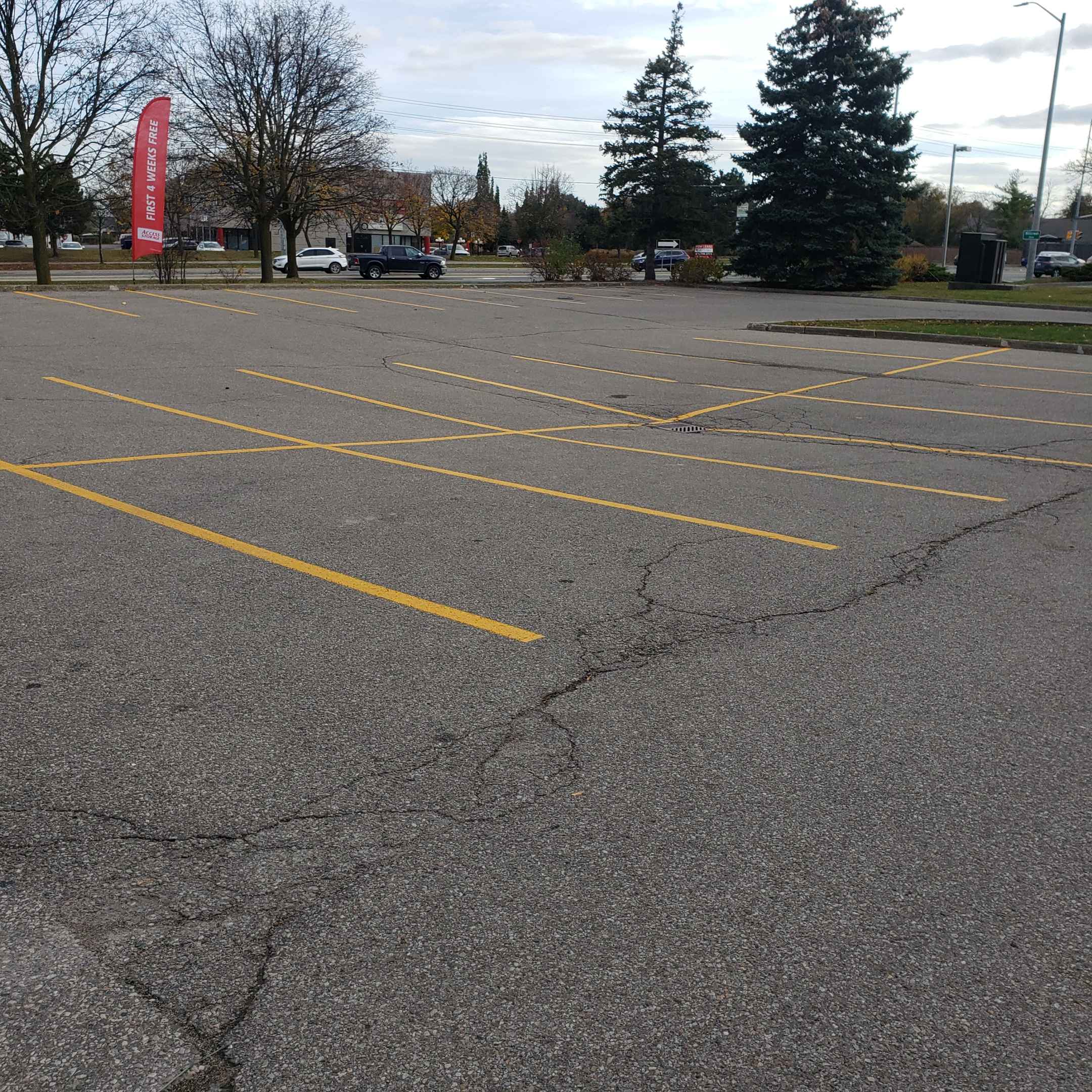
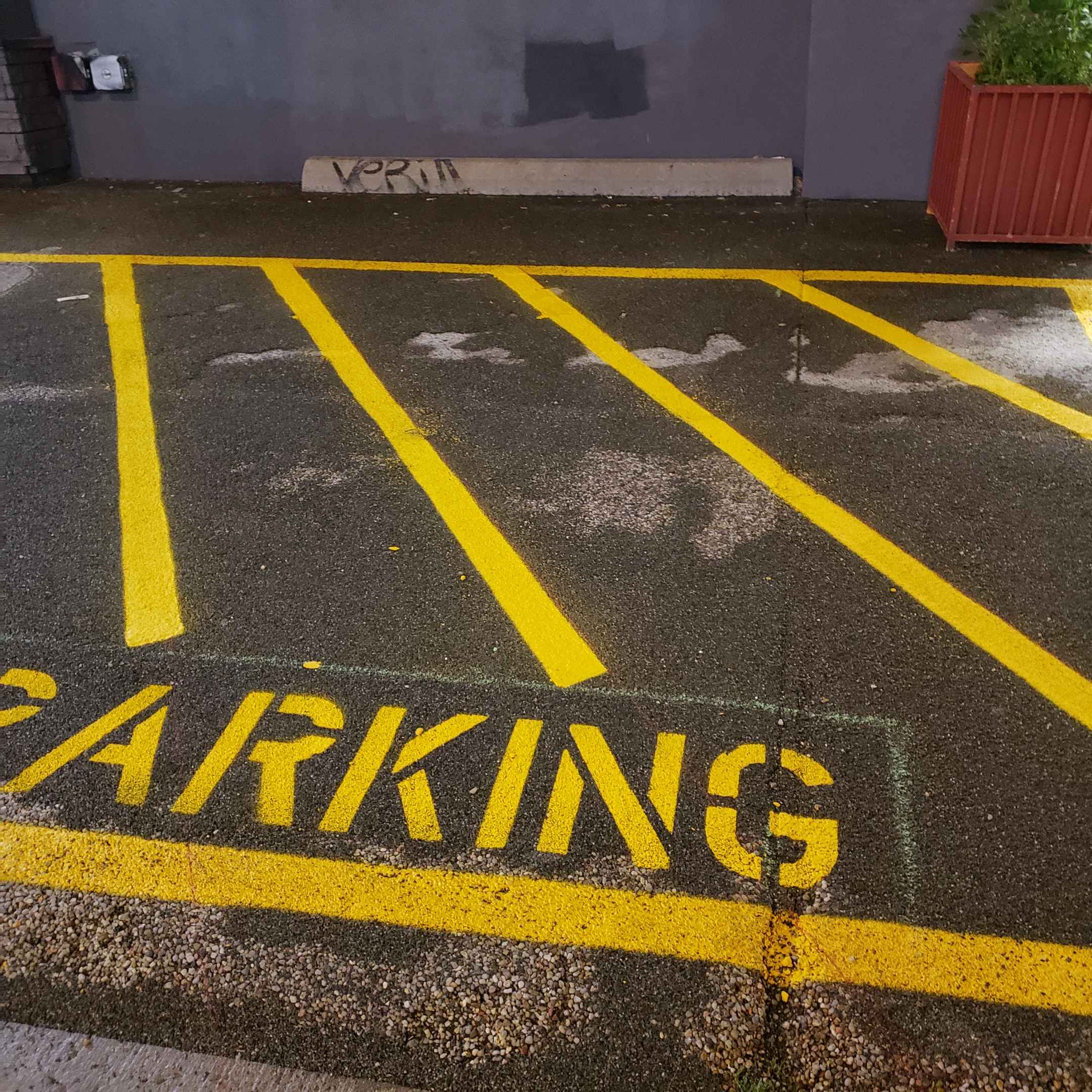
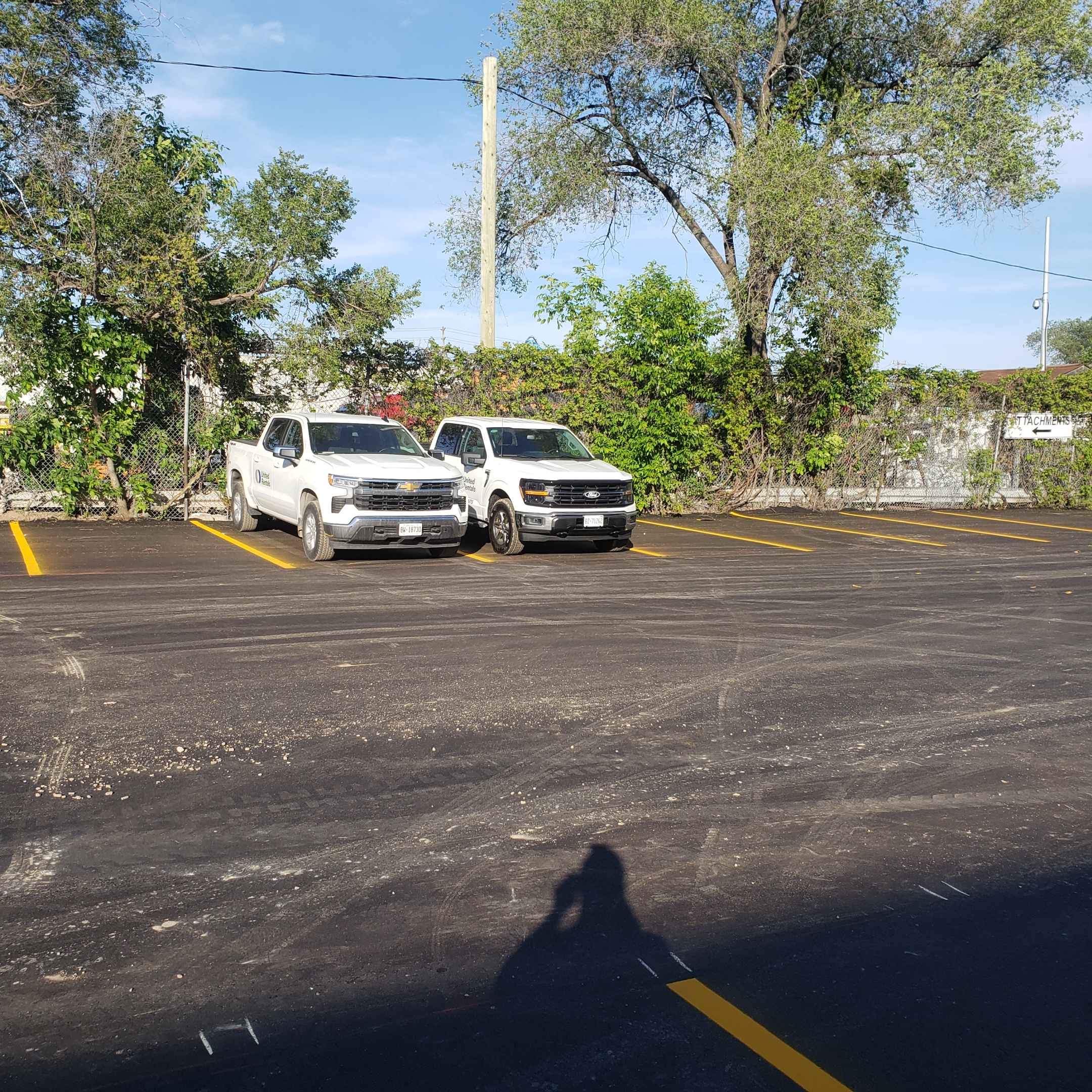
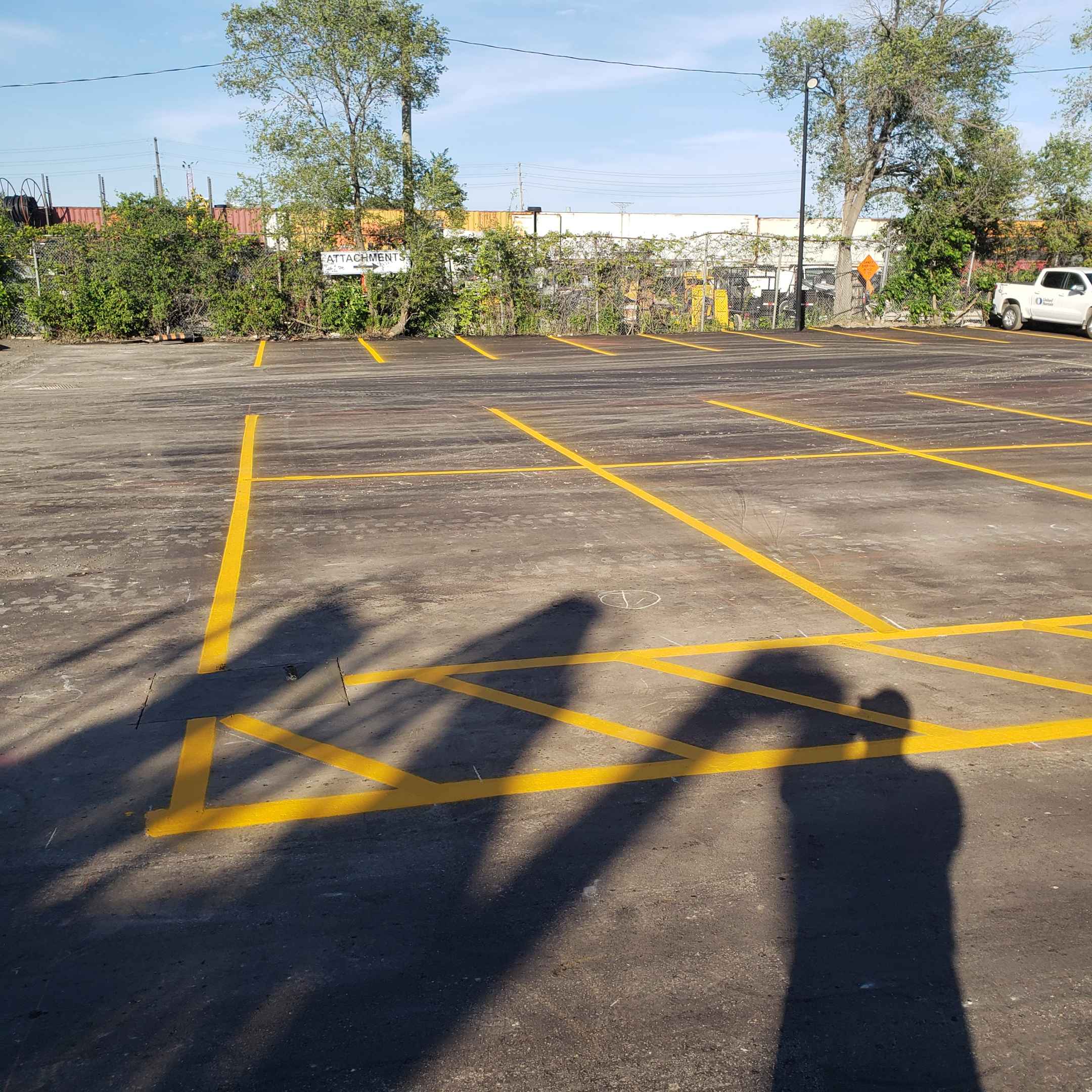
Once the sealant has cured sufficiently, the final step is often Line Marking. This defines parking stalls, pedestrian walkways, and directional arrows, ensuring your lot is both functional and compliant with local regulations. Capital Parking Lot Line Painting specializes in high-visibility markings that enhance safety and organization.
Key Benefits of Professional Maintenance
Investing in regular maintenance provides several advantages that far outweigh the initial effort:
- Enhanced Curb Appeal: A deep, black finish makes your property look well-maintained and professional.
- Waterproofing: Prevents water penetration which leads to freeze-thaw damage.
- UV Protection: Stops the sun from drying out the oils in your asphalt.
- Cost Savings: Regular sealcoating is significantly cheaper than full asphalt replacement.
- Improved Safety: Fresh Line Marking ensures clear guidance for drivers and pedestrians.
Common Mistakes to Avoid
Many property owners in Mississauga attempt to DIY their asphalt care, which often leads to premature failure. Avoid these common pitfalls:
First, applying sealant over a wet or dirty surface will result in the coating peeling off within months. Second, skipping the crack-filling stage means you are essentially "painting over" a problem rather than fixing it. Finally, using low-quality, diluted sealants can lead to a patchy, uneven finish that lacks the necessary durability for heavy traffic.
By partnering with Capital Parking Lot Line Painting, you ensure that industry-standard materials and techniques are utilized from start to finish.
Post-Application Care
After the crew has finished, patience is required. While the surface may feel dry to the touch relatively quickly, it takes time for the sealant to fully cure. We recommend keeping all vehicles and foot traffic off the treated area for at least 24 to 48 hours, depending on the weather conditions. Once cured, your asphalt will be ready to face the elements with a renewed layer of defense.
Ready to revitalize your pavement? Trust the experts to handle your next maintenance project with precision and care.