What to Expect During the Sealcoating Process
Maintaining a pristine asphalt surface requires more than just occasional cleaning; it requires a proactive approach to protection and preservation.
Asphalt is a resilient material, but it is constantly under siege from the elements. In a bustling area like Peterborough, a top 30 city in Ontario, your parking lot faces intense seasonal shifts, UV radiation, and heavy vehicular traffic. Without proper maintenance, the oils in the asphalt can oxidize, leading to cracks, potholes, and eventual structural failure.
One of the most effective ways to defend your investment is through professional sealcoating. At Capital Parking Lot Line Painting, we believe that understanding the process is the first step toward successful property management. This guide will walk you through exactly what happens from the moment our crew arrives on-site to the moment your lot is ready for traffic.
Phase 1: Thorough Surface Preparation
The most critical part of the sealcoating process happens before a single drop of sealant is applied. If the surface isn't prepared correctly, the sealant will not bond, leading to premature peeling and failure. Our team at Capital Parking Lot Line Painting follows a rigorous preparation protocol.
Cleaning and Debris Removal
We begin by sweeping the entire surface to remove loose dirt, gravel, and organic matter. For more stubborn contaminants, high-powered blowers or industrial pressure washers may be used. A clean surface ensures that the sealant makes direct contact with the asphalt pores.
Crack Filling and Repair
Sealcoating is a protective layer, not a structural fix. Therefore, we must address existing cracks before coating. We identify cracks that have expanded and fill them with a high-quality hot-applied rubberized sealant. This prevents water from seeping into the sub-base, which is the primary cause of asphalt deterioration in Ontario's climate.
Phase 2: The Application Process
Once the surface is clean and the cracks are sealed, we move to the application phase. There are various methods of application, but our goal is always a uniform, consistent thickness across the entire lot.
Depending on the size and complexity of your parking area, we may use spray application for large, open expanses to ensure an even coat, or squeegee application for more detailed areas. The sealant is designed to penetrate the asphalt pores, creating a waterproof barrier that shields against oil spills, salt, and UV rays.
Why Sealcoating is Essential:
- Extends Asphalt Lifespan: Prevents oxidation and brittleness.
- Waterproofing: Stops moisture from penetrating the sub-grade.
- Enhanced Aesthetics: Restores the deep, rich black look of new asphalt.
- Cost-Effective Maintenance: Prevents expensive full-scale repaving projects.
- Improved Safety: Provides a cleaner surface for subsequent Line Marking.
Phase 3: Line Marking and Final Touches
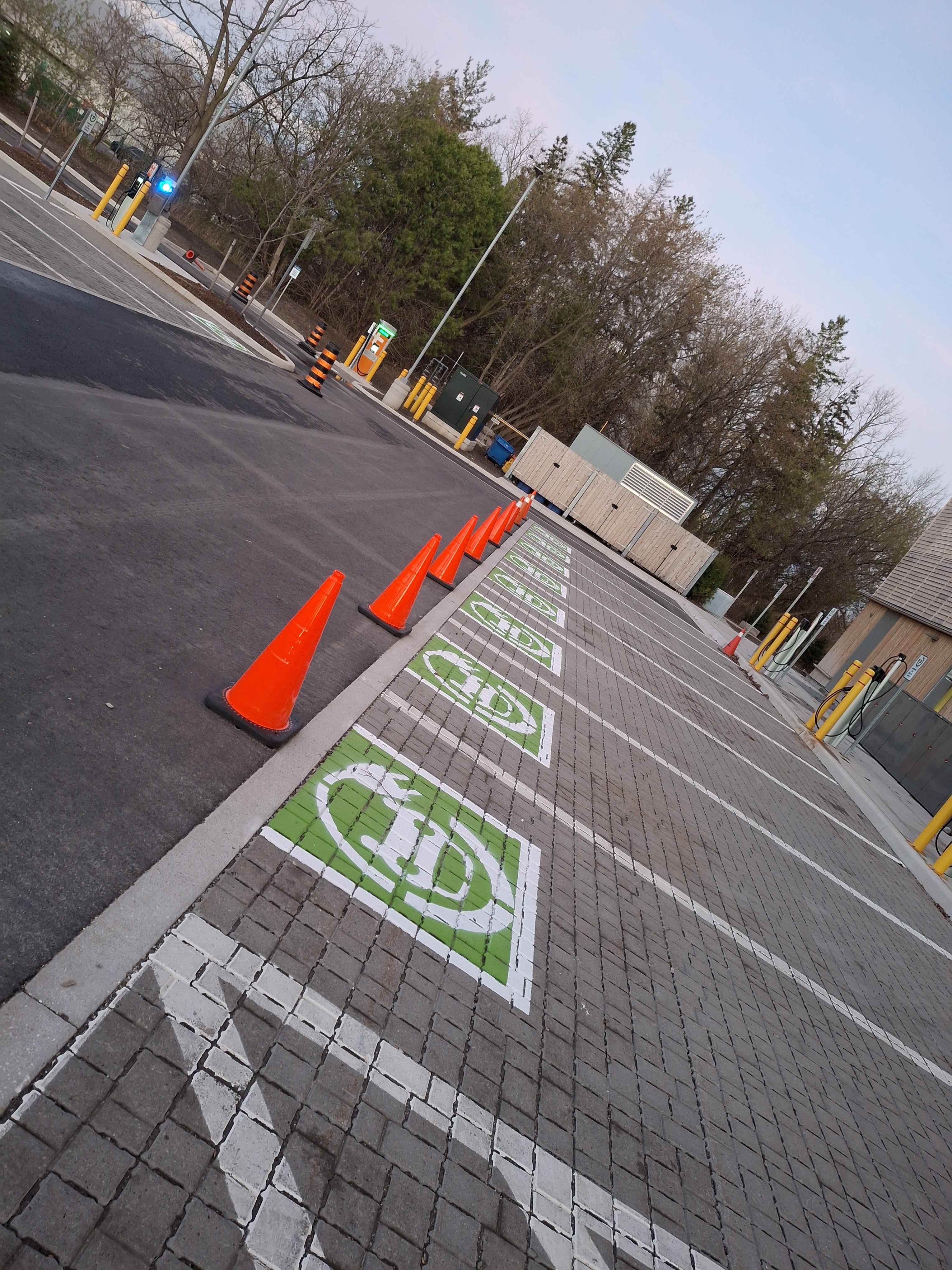
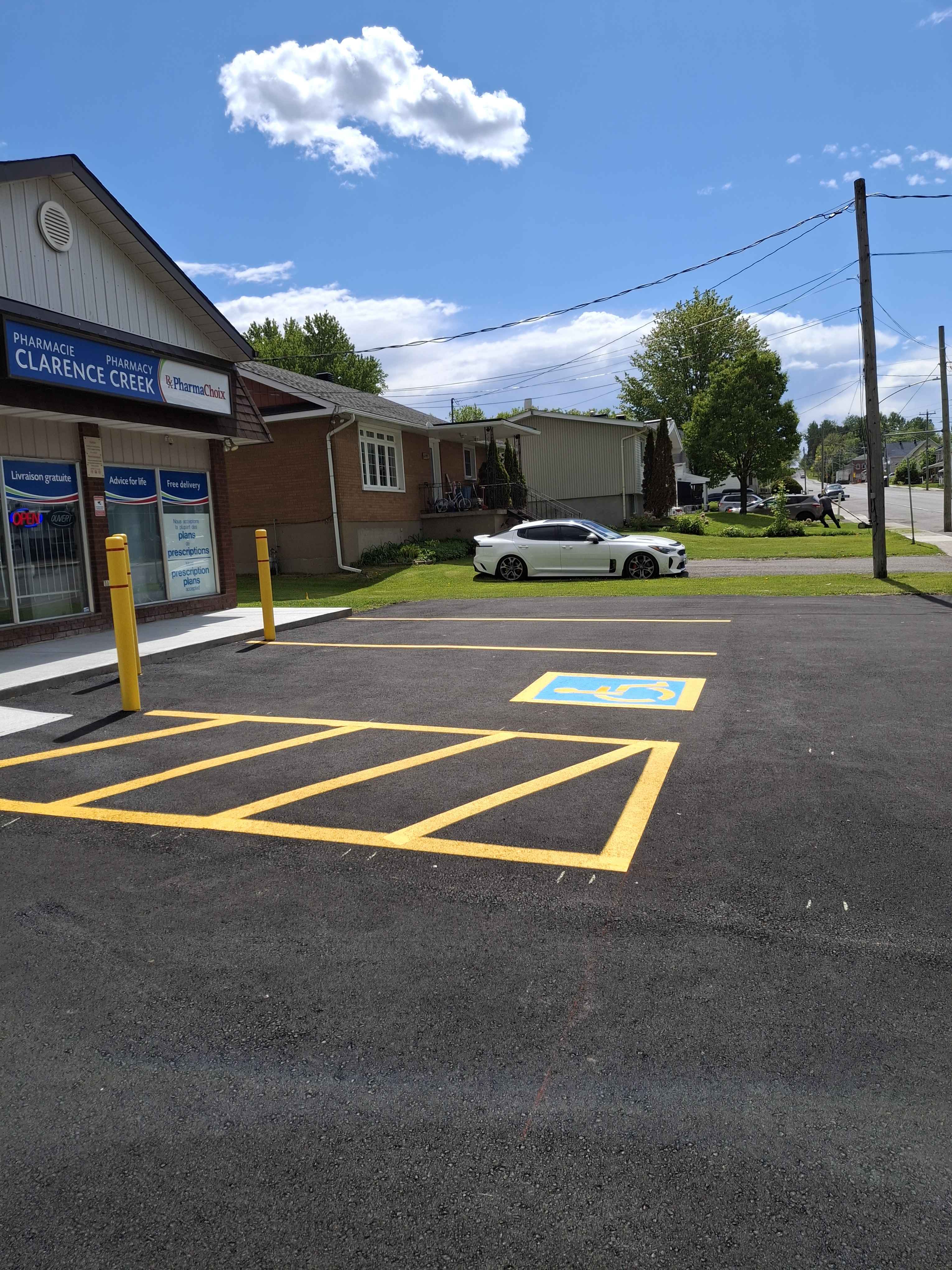
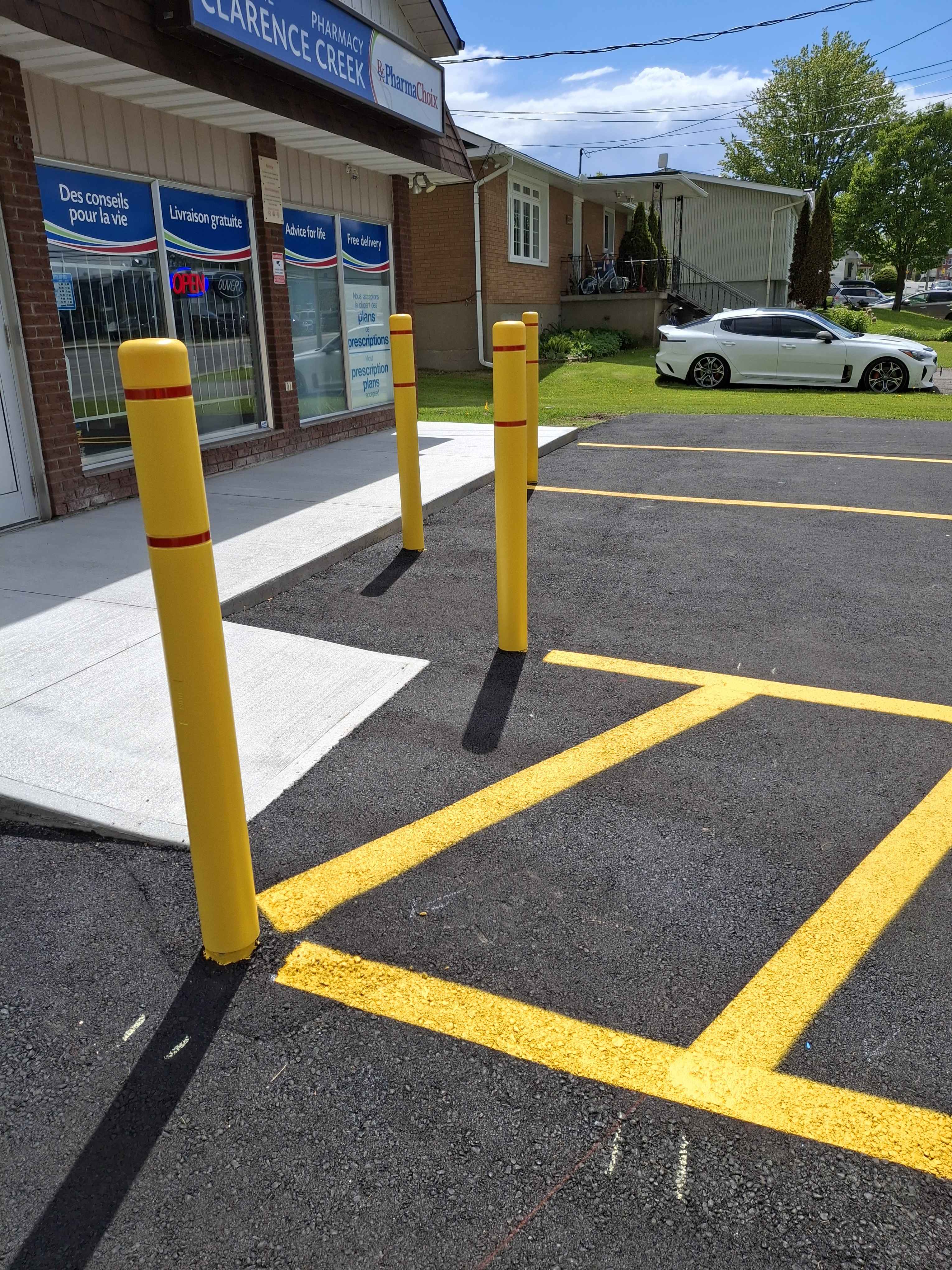
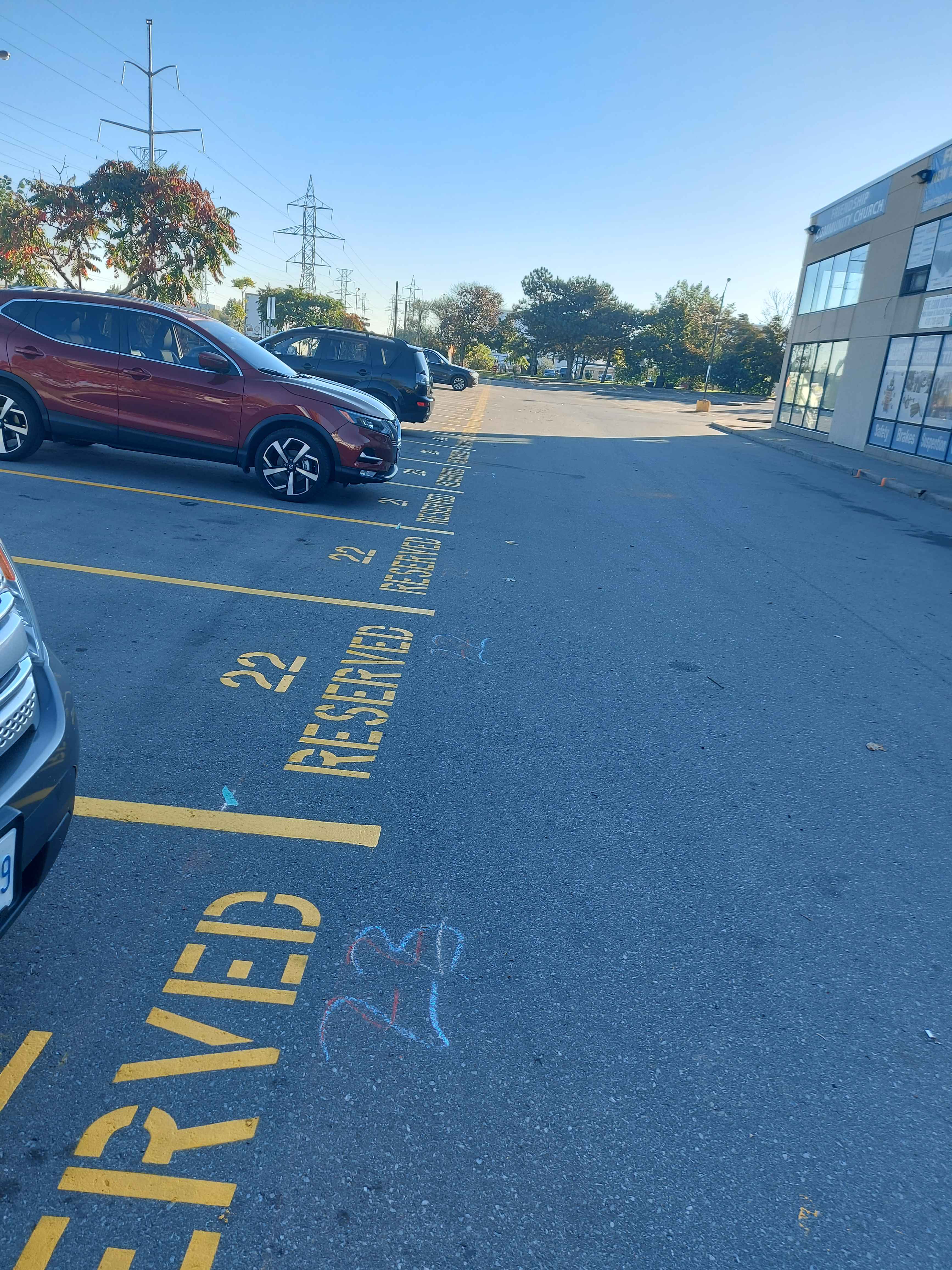
A sealcoated lot looks great, but for it to be functional and safe, it needs clear guidance. Once the sealant has reached the appropriate level of firmness, we proceed with Line Marking. This process involves applying high-visibility paint to define parking stalls, pedestrian walkways, and directional arrows.
By coordinating sealcoating and Line Marking, Capital Parking Lot Line Painting ensures a seamless transition from a dark, protected surface to a highly organized and professional-looking facility. This is especially important for commercial properties in Peterborough looking to maintain high standards of safety and organization.
Phase 4: Curing and Reopening
The final and perhaps most difficult step for property owners is the waiting period. Sealcoat requires time to cure. Depending on the weather conditions—specifically temperature and humidity—this can take anywhere from 24 to 48 hours.
During this time, the area must remain completely free of vehicle and pedestrian traffic. Moving too early can cause tracking, which ruins the finish and leaves marks on tires and vehicles. We always provide clear instructions and signage to ensure the curing process is uninterrupted.
Ready to Protect Your Asphalt?
Don't wait for cracks to become potholes. Regular maintenance is the key to a long-lasting parking lot. Contact our experts today to schedule your consultation.