What to Expect During the Sealcoating Process
A comprehensive guide to understanding the professional asphalt maintenance lifecycle.
Maintaining an asphalt surface is much like maintaining a vehicle; regular care prevents premature aging and costly replacements. For property owners in Waterloo, understanding the nuances of asphalt preservation is the first step toward long-term durability. Sealcoating is a vital preventative measure that shields your pavement from the harsh Canadian elements, including UV rays, moisture, and chemical spills.
At Capital Parking Lot Line Painting, we believe that an informed client is a happy client. When you schedule a maintenance project, knowing exactly what will happen on-site helps you prepare your staff, tenants, or customers for the temporary changes to your property layout.
The Importance of Sealcoating
Asphalt is a petroleum-based product. Over time, exposure to oxygen and sunlight causes the oils in the asphalt to evaporate, leading to a brittle, gray, and cracked surface. Sealcoating applies a protective layer that replenishes these oils and provides a barrier against oxidation.
Key Benefits of Regular Sealcoating:
- Enhanced Aesthetics: Restores the deep, rich black color of your pavement.
- Waterproofing: Prevents water from seeping into the sub-base, which causes potholes.
- Chemical Resistance: Protects against oil, gas, and salt damage.
- Extended Lifespan: Significantly delays the need for expensive full-depth asphalt reconstruction.
- Improved Safety: Creates a smoother surface that can improve traction when paired with professional Line Painting.
The Step-by-Step Process
When Capital Parking Lot Line Painting arrives at your location in Waterloo, our team follows a rigorous multi-step protocol to ensure the highest quality finish. We don't just "slap on some coating"; we prepare the surface for maximum adhesion.
1. Surface Cleaning and Preparation
The most critical step is cleaning. We use high-powered blowers, wire brooms, or pressure washers to remove dirt, debris, sand, and vegetation. If there is any loose material left on the surface, the sealant will bond to the debris rather than the asphalt, leading to premature peeling.
2. Crack Filling and Repair
Sealcoating is not a magic fix for structural damage. Before the liquid sealant is applied, we identify cracks and depressions. We use a professional-grade hot rubberized crack filler to seal these gaps. This prevents water from entering the cracks and causing "freeze-thaw" damage during the winter months.
3. Sealant Application
Once the surface is clean and repaired, we apply the sealant. Depending on the specific needs of your lot, this may be done via spray application for a uniform thin coat or squeegee application for a thicker, more durable layer. Our technicians ensure an even distribution to avoid "puddling" or thin spots.
4. Line Marking and Finishing
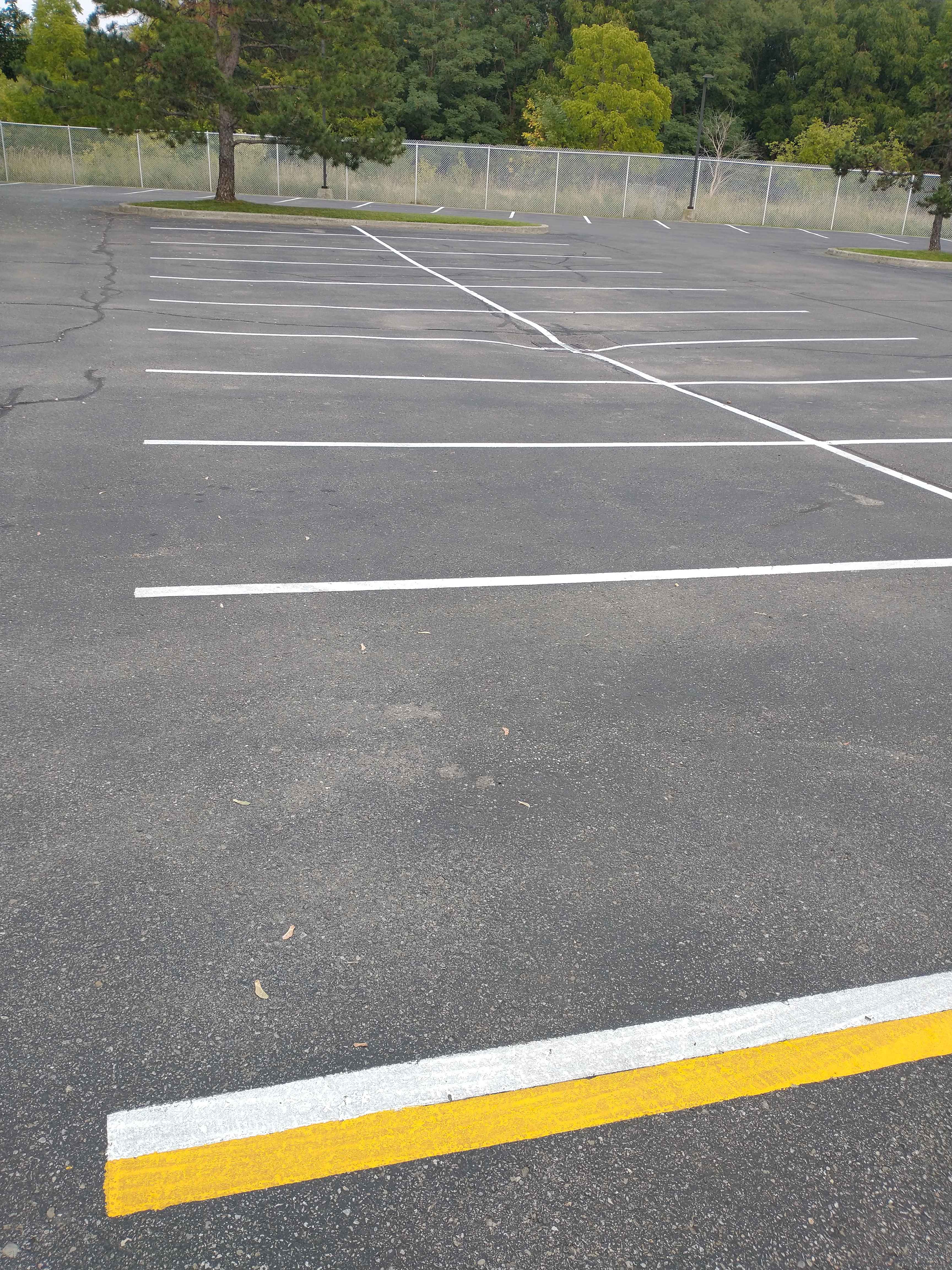
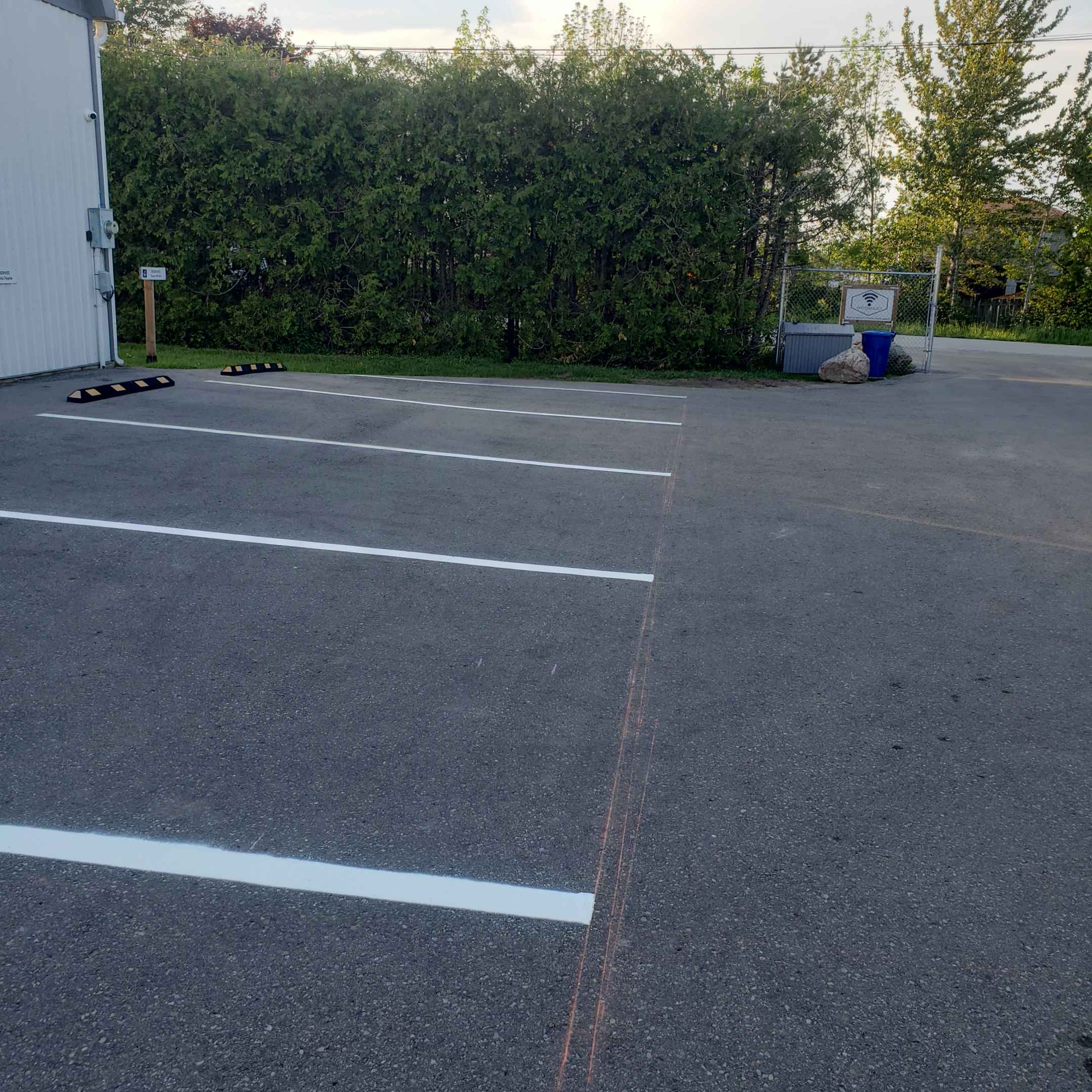
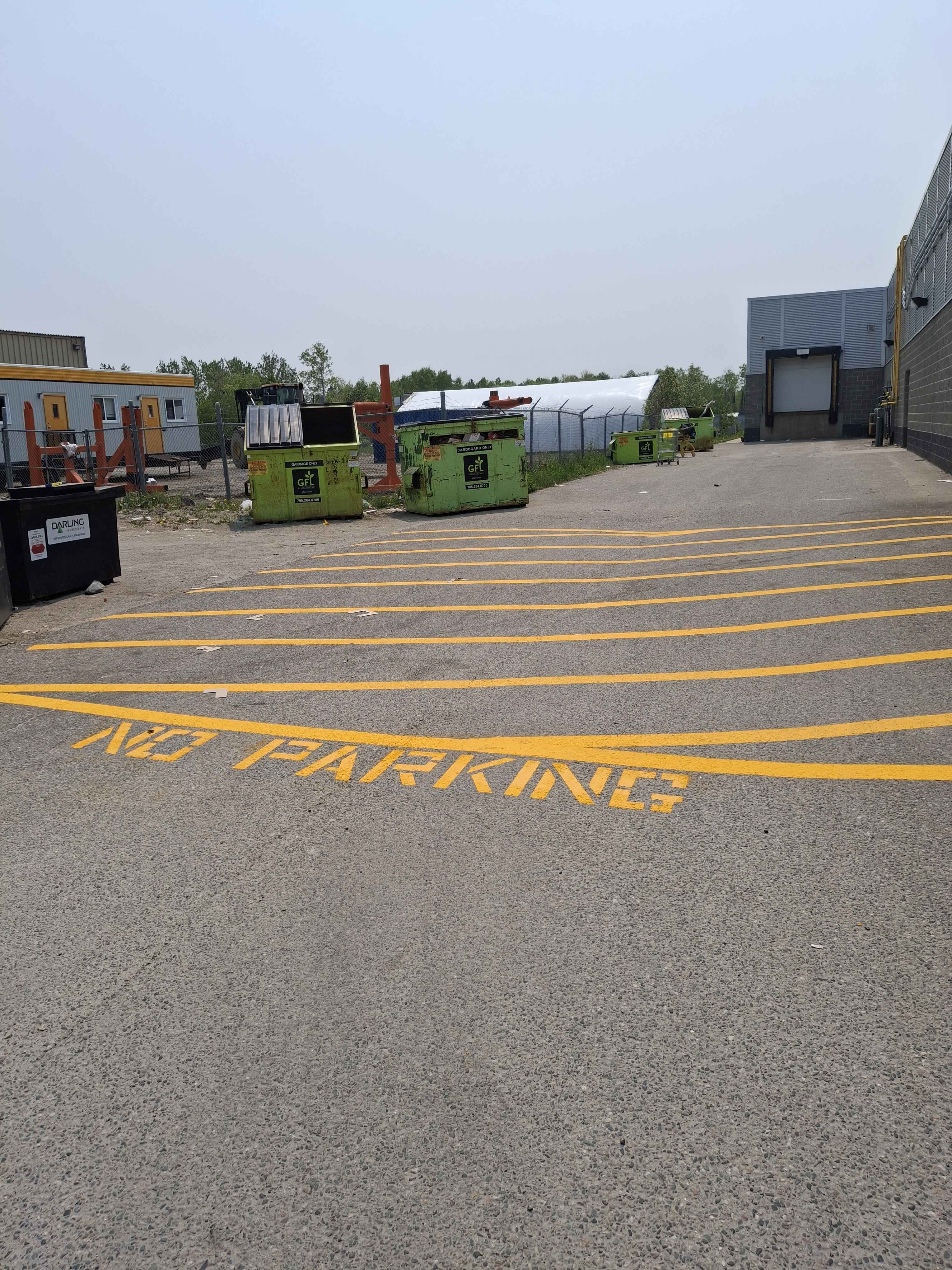
Once the sealant has cured sufficiently, the final touch is often Line Marking. This defines parking stalls, pedestrian walkways, and fire lanes, ensuring your lot is both compliant and easy to navigate. Capital Parking Lot Line Painting specializes in high-visibility markings that complement your freshly sealed surface.
What to Expect During the Curing Phase
One of the most common questions we receive is: "When can I drive on it?" Patience is required during the curing process. While the surface may look dry to the touch within a few hours, the chemical bond takes longer to stabilize.
Weather plays a massive role in this stage. We monitor local forecasts closely to ensure that rain or extreme temperature shifts do not interfere with the drying process. A dry, temperate window is essential for a perfect finish.
Common Mistakes to Avoid
Many property managers attempt DIY sealcoating to save time, but this often leads to subpar results. Here are a few mistakes we frequently see corrected:
- Applying sealant over wet or dirty asphalt.
- Neglecting to fill cracks before sealing.
- Using low-quality, diluted sealants that wash away in the first rain.
- Failing to coordinate Line Marking with the sealing schedule.
Quick Summary
Sealcoating is a proactive investment. By following a professional process of cleaning, repairing, sealing, and Line Painting, you ensure your asphalt remains a functional and beautiful asset for years to come.