Why Edge Cracking Needs Immediate Attention
Asphalt is the backbone of commercial property accessibility, yet many property managers overlook the subtle signs of deterioration until they become catastrophic failures. One of the most deceptive yet dangerous signs is edge cracking.
Understanding the Anatomy of Edge Cracking
Edge cracking occurs when the perimeter of your asphalt surface begins to separate from the underlying base material. Unlike center-line cracks, which often result from heavy vehicle loads, edge cracks are typically caused by lateral movement, poor compaction at the boundaries, or moisture infiltration.
In a bustling area like Brampton, where heavy commercial traffic and fluctuating seasonal temperatures are the norm, these cracks can expand with alarming speed. When the edges of your pavement lose their structural integrity, the entire layout of your parking facility is put at risk.
The Hidden Dangers of Delaying Repairs
It is tempting to view small cracks as mere aesthetic flaws. However, ignoring edge cracking is a recipe for expensive structural reconstruction. At Capital Parking Lot Line Painting, we have seen firsthand how a small fissure can evolve into a massive pothole within a single season.
When water enters these cracks, it seeps into the sub-base. In the harsh Ontario climate, this water undergoes freeze-thaw cycles, expanding and further destabilizing the foundation. This process leads to:
- Sub-base Erosion: Water washes away the fine materials that support the asphalt.
- Edge Spalling: The edges of the asphalt break away in chunks, widening the gap.
- Increased Liability: Large cracks and potholes create tripping hazards and vehicle damage risks.
- Compromised Line Marking: Cracks can disrupt the precision of your line marking, making parking stalls difficult to navigate.
The Connection Between Pavement Integrity and Line Marking
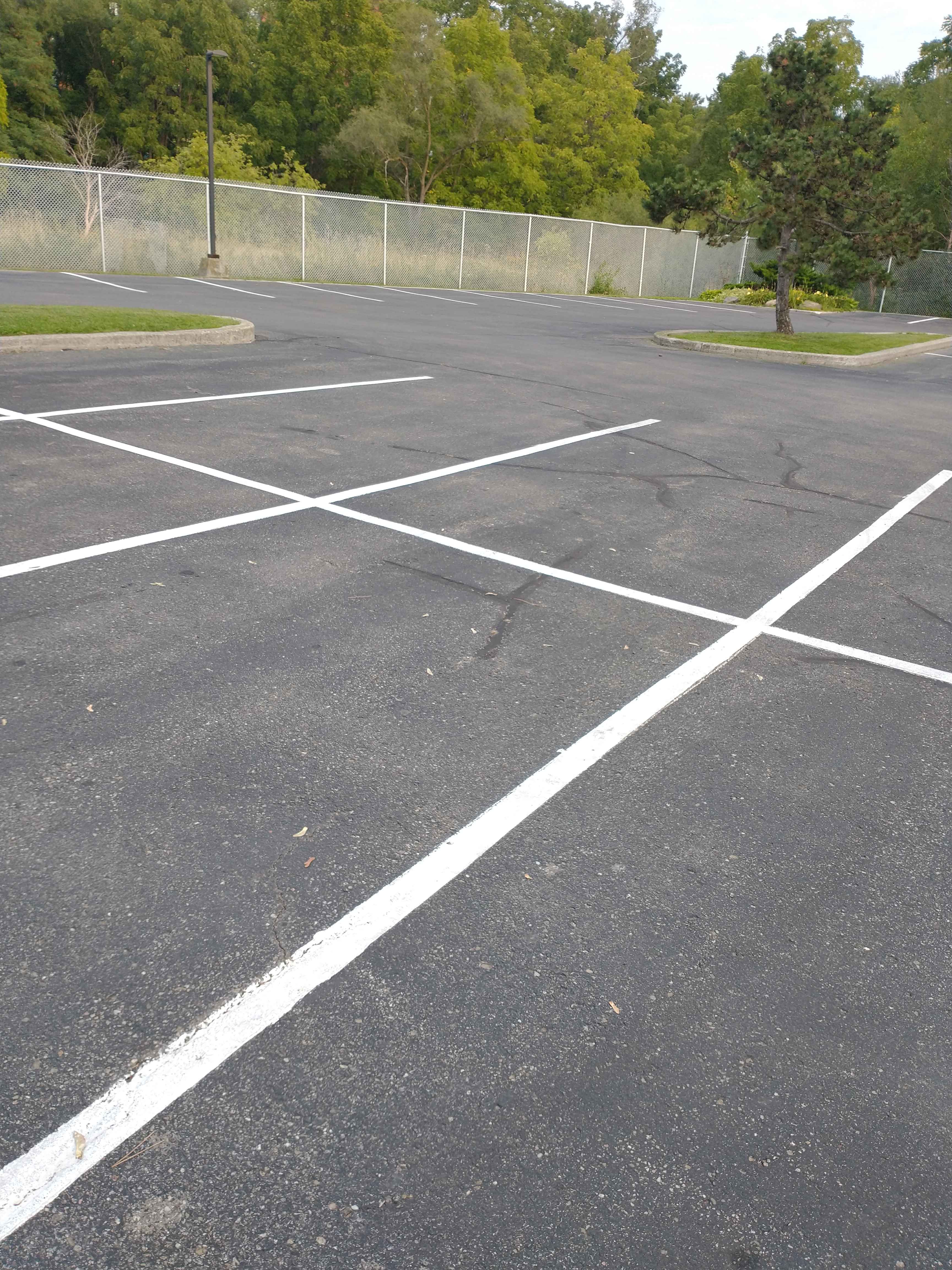
A well-maintained parking lot is defined by more than just smooth asphalt; it is defined by clarity and organization. When edge cracking is prevalent, the physical geometry of the lot changes. This makes professional line painting much more difficult to execute effectively.
If you attempt to apply new line painting over a crumbling edge, the paint will not adhere properly, and the lines will crack along with the pavement almost immediately. For property owners in Brampton, ensuring the structural health of the asphalt is a prerequisite to achieving a crisp, professional look through high-quality line marking.
Protect Your Investment Today
Don't wait for the cracks to become craters. Capital Parking Lot Line Painting specializes in identifying these early warning signs and providing solutions that extend the life of your pavement.
Proactive Maintenance Strategies
The most cost-effective way to manage a parking lot is through a proactive maintenance schedule. Instead of reacting to emergencies, property managers should implement a routine inspection process. Capital Parking Lot Line Painting recommends the following steps to maintain your lot:
- Annual visual inspections for new cracks or depressions.
- Immediate crack sealing as soon as fissures appear.
- Regular refreshing of line marking to ensure safety and compliance.
- Periodic sealcoating to protect the asphalt from UV damage and oxidation.
Conclusion
Edge cracking is a loud warning signal from your pavement. By addressing it immediately, you prevent the costly cycle of total resurfacing and ensure your property remains safe, accessible, and visually appealing. Whether you need structural repairs or fresh, high-visibility line painting, taking action now will save you significant headaches in the future.