Why Sealcoating Is Essential After Winter Freeze-Thaw Cycles
As the snow melts and the ground begins to thaw, property owners in London and across Ontario often notice something concerning: their asphalt is looking weathered, gray, and increasingly fragile. This isn't just a cosmetic issue; it's a sign of structural fatigue caused by the harsh seasonal transitions.
The Science of the Freeze-Thaw Cycle
In a top 30 Ontario city like London, our winters are characterized by extreme temperature fluctuations. The freeze-thaw cycle occurs when temperatures rise above freezing during the day, causing snow and ice to melt, and then drop below freezing at night, causing that moisture to refreeze.
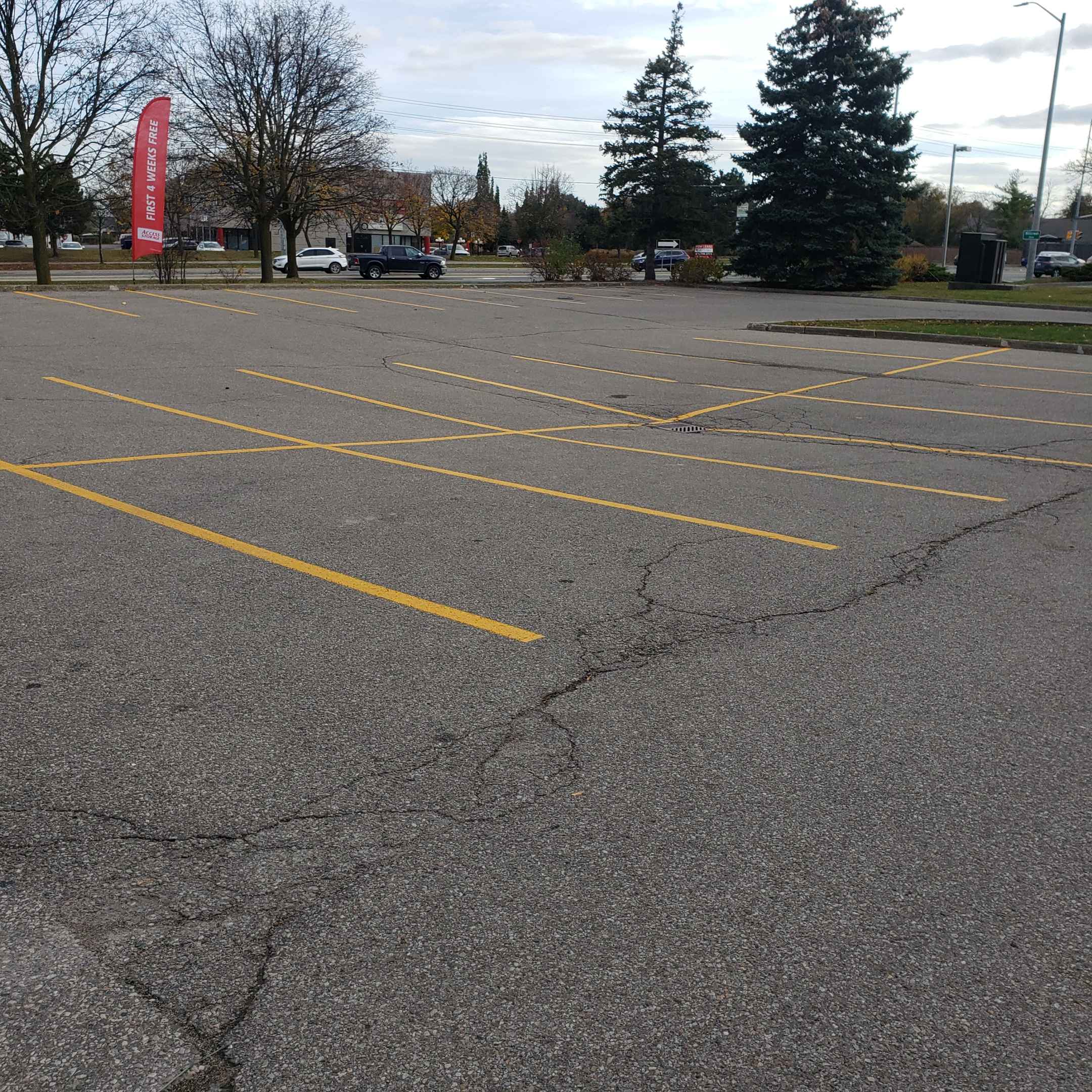
When water enters the microscopic pores and small cracks in your asphalt, it expands as it turns into ice. This expansion exerts immense internal pressure on the pavement, widening existing fissures and creating new ones. If left untreated, these small cracks evolve into potholes and deep structural failures. This is where professional intervention from Capital Parking Lot Line Painting becomes vital.
How Sealcoating Protects Your Investment
Sealcoating acts as a sacrificial barrier. It is a protective layer applied to the surface of the asphalt that shields it from the elements. Think of it like sunscreen for your parking lot; it prevents the sun's UV rays from oxidizing the bitumen, which is the "glue" that holds your asphalt together.
Key Benefits of Post-Winter Sealcoating:
- Moisture Barrier: Prevents water from penetrating the sub-base, stopping the freeze-thaw expansion from within.
- Oxidation Prevention: Protects the asphalt binder from UV degradation, keeping the surface flexible.
- Chemical Resistance: Shields the pavement from oil, gasoline, and salt spills common in winter months.
- Enhanced Aesthetics: Restores the deep, rich black color of the asphalt, improving curb appeal.
- Cost Efficiency: Regular sealcoating is significantly more economical than full asphalt resurfacing.
The Relationship Between Sealcoating and Line Marking
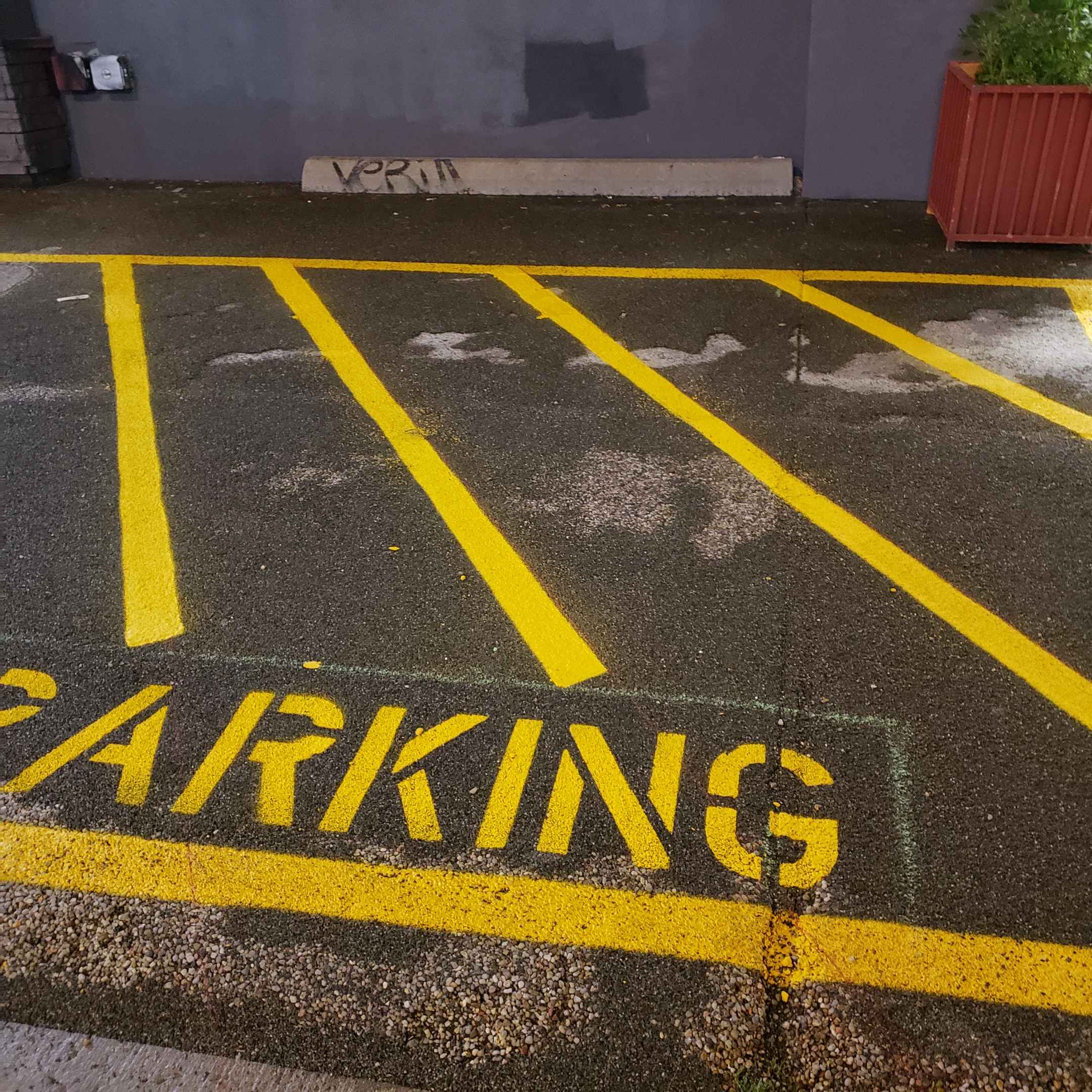
A common mistake property managers make is treating sealcoating and Line Marking as separate, unrelated tasks. In reality, they are two halves of a complete maintenance strategy. After a heavy winter, your existing lines may be faded or chipped away by snowplow blades.
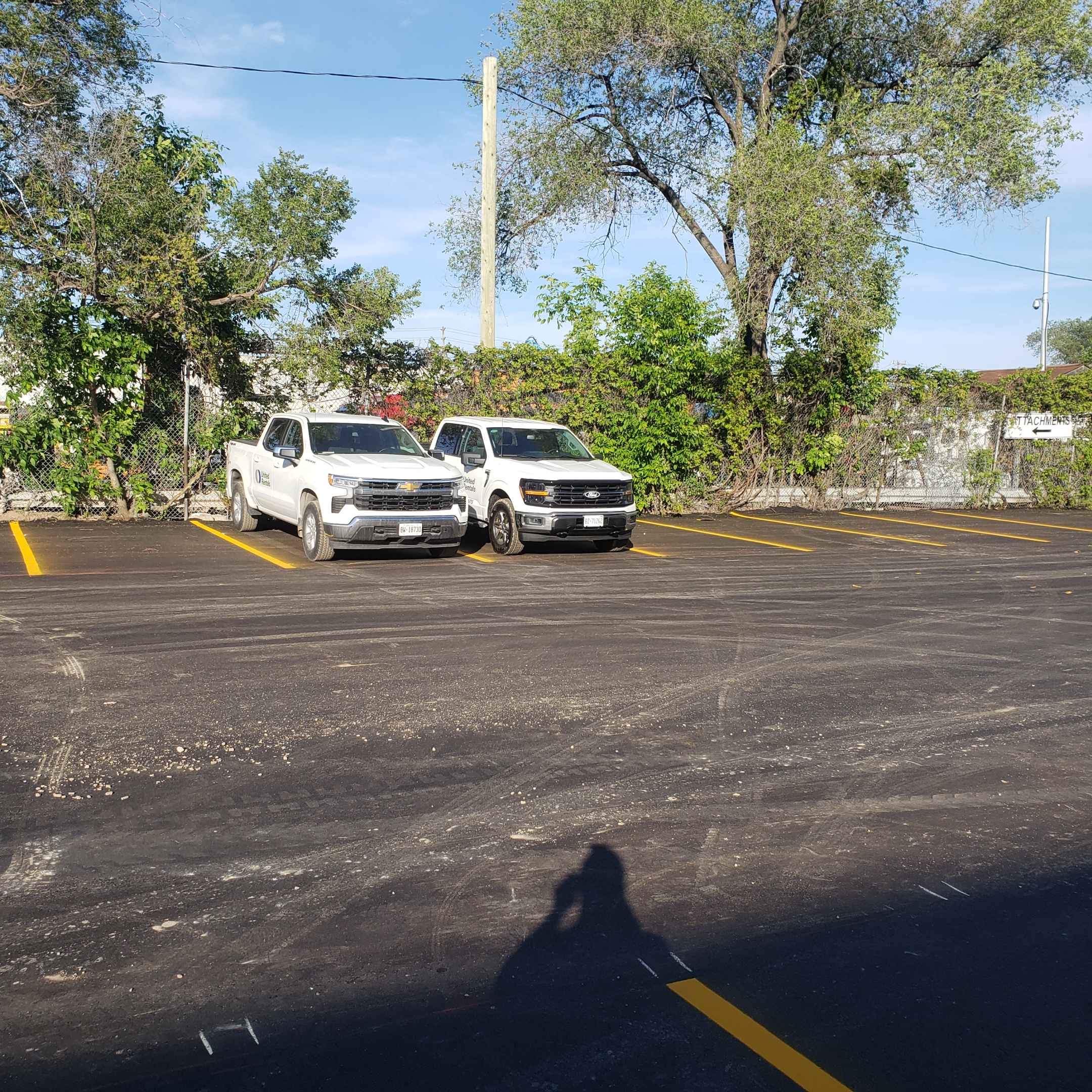
For the best results, we recommend a synchronized approach. Once Capital Parking Lot Line Painting applies a fresh sealcoat, the surface is leveled and rejuvenated. Following the drying period, fresh Line Painting can be applied to a dark, pristine background, making your parking stalls and directional arrows highly visible and compliant with safety standards.
Don't Wait for the Potholes to Appear
By the time you see large cracks or potholes, the damage to your sub-base may already be extensive. Proactive maintenance with Capital Parking Lot Line Painting ensures that your pavement remains a smooth, safe surface for vehicles and pedestrians alike.
Common Mistakes to Avoid After Winter
Many property owners attempt to "patch and go," but this often leads to uneven surfaces and premature failure. Here are a few things to avoid:
- Ignoring small cracks: A small crack today is a pothole tomorrow.
- Applying sealcoat over dirty or oily surfaces: This prevents proper adhesion.
- Using low-quality DIY sealants: These often lack the durability needed for the Ontario climate.
- Neglecting Line Painting: Faded lines increase liability and cause traffic confusion.
Conclusion: Prepare Your Property for the Next Season
The cycle of seasons in London is relentless on asphalt. By investing in professional sealcoating immediately following the winter thaw, you are not just fixing a surface; you are extending the lifecycle of your entire parking facility. A well-maintained lot reflects professionalism and ensures the safety of everyone who enters your property.
Ready to restore your pavement? Contact the experts at Capital Parking Lot Line Painting to schedule your spring assessment and maintenance plan.