What Causes Asphalt Cracks and How to Prevent Them
Maintaining a pristine parking lot is essential for any commercial property, yet asphalt is constantly under siege from environmental and physical forces.
A well-maintained parking lot is the first thing a customer notices when they arrive at your business. However, as time passes, even the highest quality asphalt begins to show signs of wear. Cracks might seem like minor cosmetic issues at first, but if left unaddressed, they can evolve into significant structural failures that are costly to repair. For property owners in Windsor, understanding the science behind these cracks is the first step toward long-term pavement health.
At Capital Parking Lot Line Painting, we have seen firsthand how small fissures can transform into potholes if the underlying causes aren't addressed early in the maintenance cycle.
Common Causes of Asphalt Cracking
Asphalt is a flexible pavement, meaning it is designed to move slightly under pressure. However, when certain stressors exceed its capacity, the material breaks. Here are the most frequent culprits:
1. Thermal Expansion and Contraction
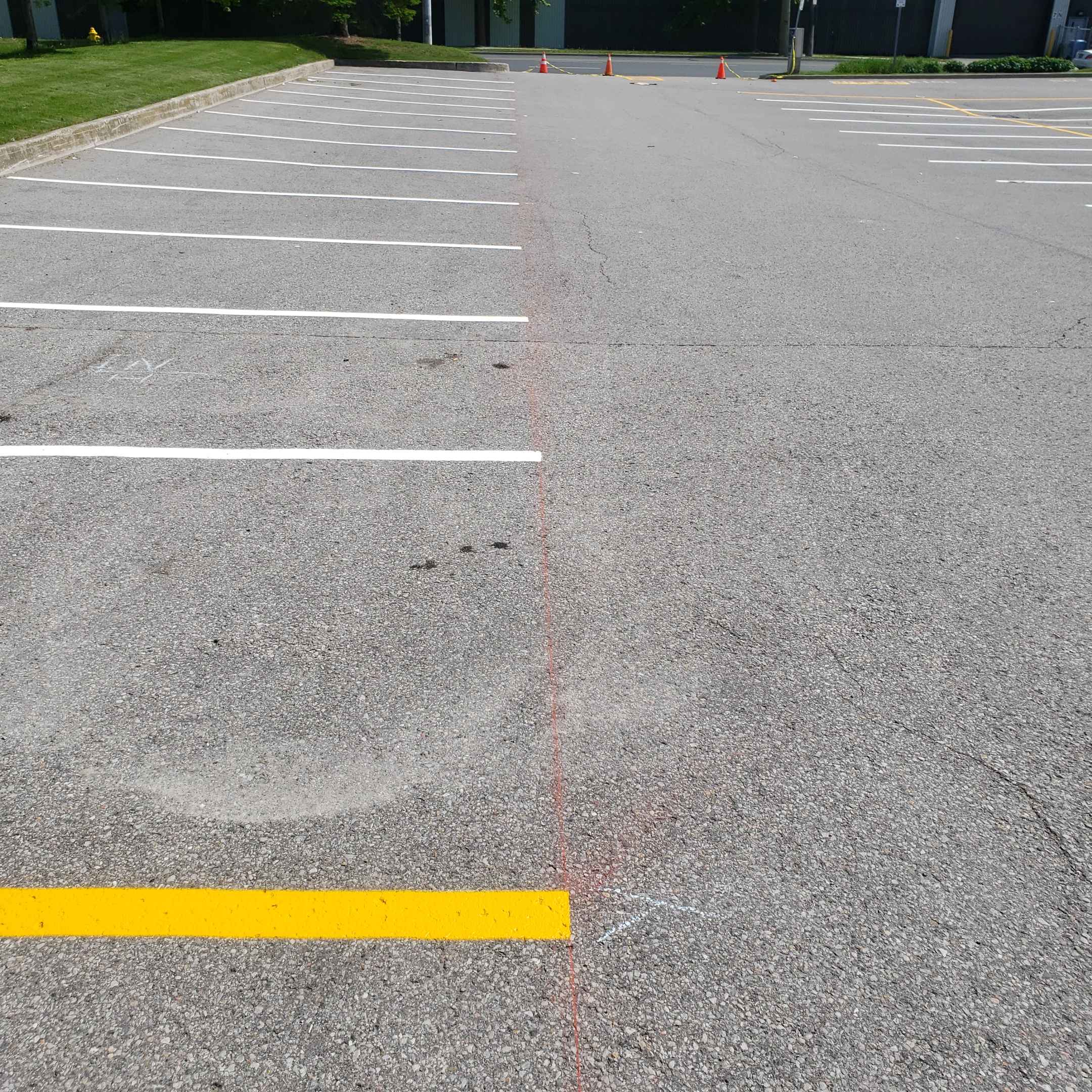
In regions like Windsor, where seasonal temperature swings can be extreme, thermal stress is a major factor. During hot summer months, asphalt expands; during freezing winters, it contracts. This constant movement creates tension that eventually leads to "alligator cracking" or longitudinal cracks.
2. Water Penetration and Freeze-Thaw Cycles
Water is the enemy of asphalt. When moisture seeps into tiny imperfections in the surface, it begins to weaken the subgrade. When that water freezes, it expands, widening the cracks and pushing the asphalt apart. This cycle repeats annually, rapidly accelerating the deterioration of the surface.
3. Heavy Load Stress and Traffic Patterns
Parking lots are designed to handle specific weight limits. When heavy vehicles or high volumes of traffic traverse the same path repeatedly, the structural integrity of the asphalt is compromised. This often results in rutting and deep cracks in high-traffic lanes.
4. Oxidation and UV Damage
Sunlight breaks down the chemical bonds in the asphalt binder. As the binder oxidizes, the asphalt becomes brittle and loses its ability to flex. This brittleness makes it highly susceptible to cracking under even minor pressure.
How to Prevent Asphalt Failure
Prevention is always more effective—and more affordable—than total reconstruction. By implementing a consistent maintenance schedule, you can significantly extend the life of your pavement.
- Regular Sealcoating: Applying a high-quality sealant protects the surface from UV rays and prevents water from penetrating the cracks.
- Crack Filling: Filling small cracks as soon as they appear prevents water from reaching the base layers.
- Optimized Traffic Flow: Directing heavy vehicles to specific paths can help distribute weight more evenly.
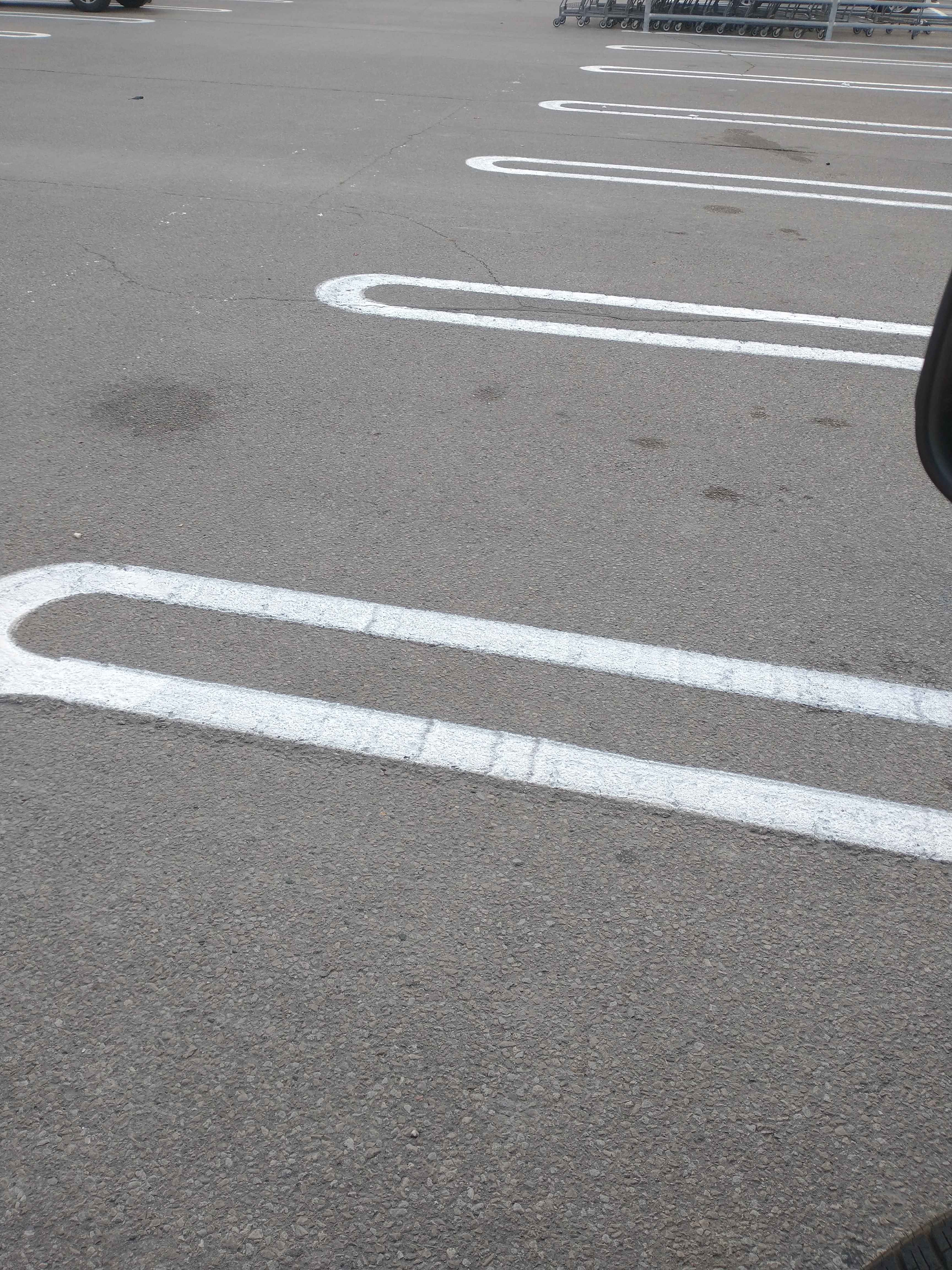
- Professional Line Marking: Keeping your parking lot organized with clear Line Marking ensures vehicles stay within designated areas, reducing edge wear and structural stress.
- Routine Inspections: Identifying issues early allows for minor repairs before they become major catastrophes.
The Importance of Professional Maintenance
While DIY solutions exist, they often lack the durability required for commercial-grade surfaces. Professional services ensure that the materials used are compatible with your specific asphalt type and local climate conditions.
When you work with Capital Parking Lot Line Painting, you aren't just getting a quick fix; you are investing in a professional assessment of your property's needs. From precision Line Painting to comprehensive crack repair, our team focuses on longevity and safety.
Ready to Protect Your Investment?
Don't wait for a pothole to disrupt your business operations. Proactive maintenance is the key to a safe, professional-looking parking lot. Contact Capital Parking Lot Line Painting today to schedule a consultation and ensure your pavement stays in peak condition for years to come.