Best Pavement Marking Layouts for Industrial Facilities
Maximize safety, efficiency, and compliance through strategic industrial line marking design.
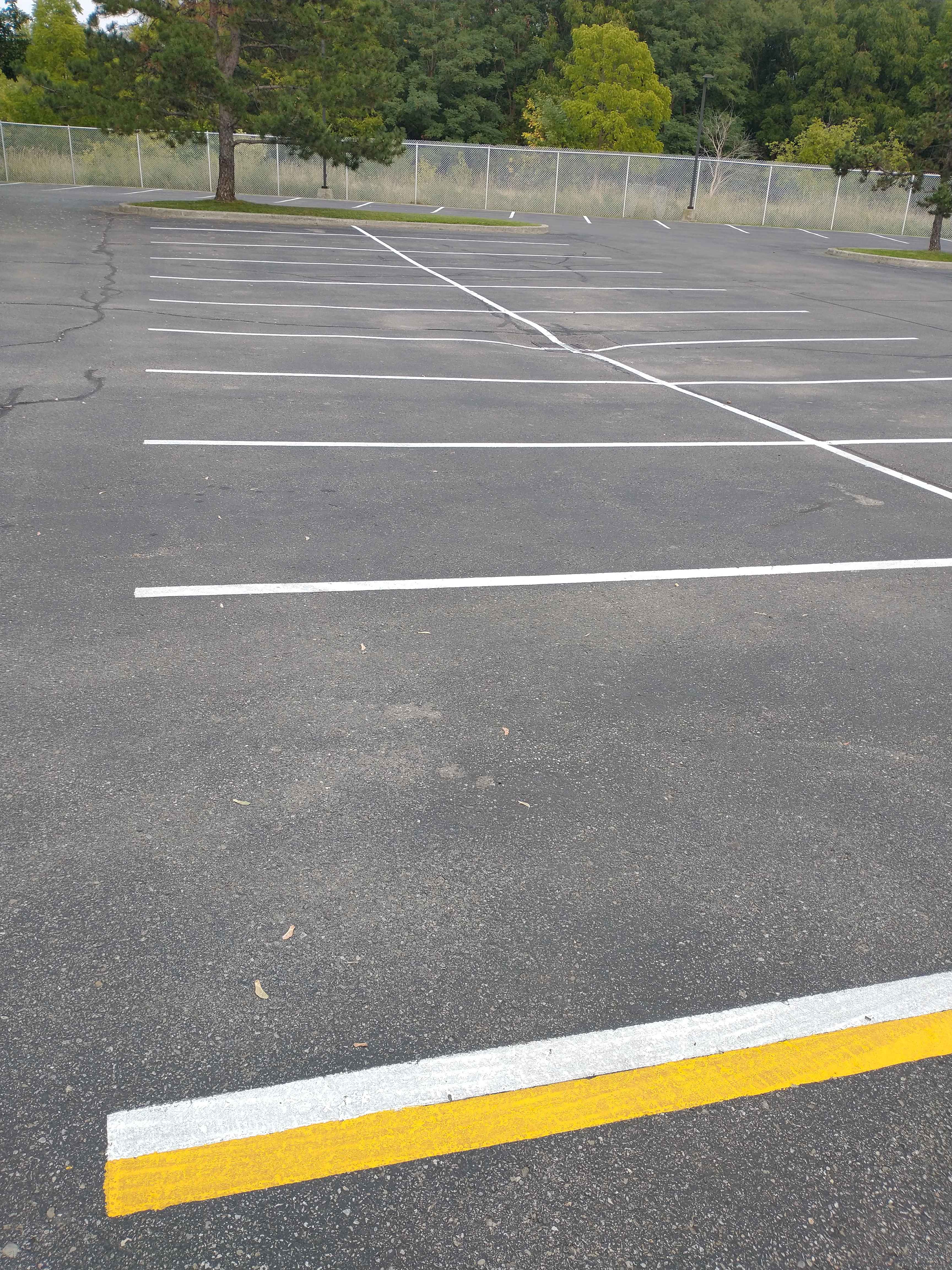
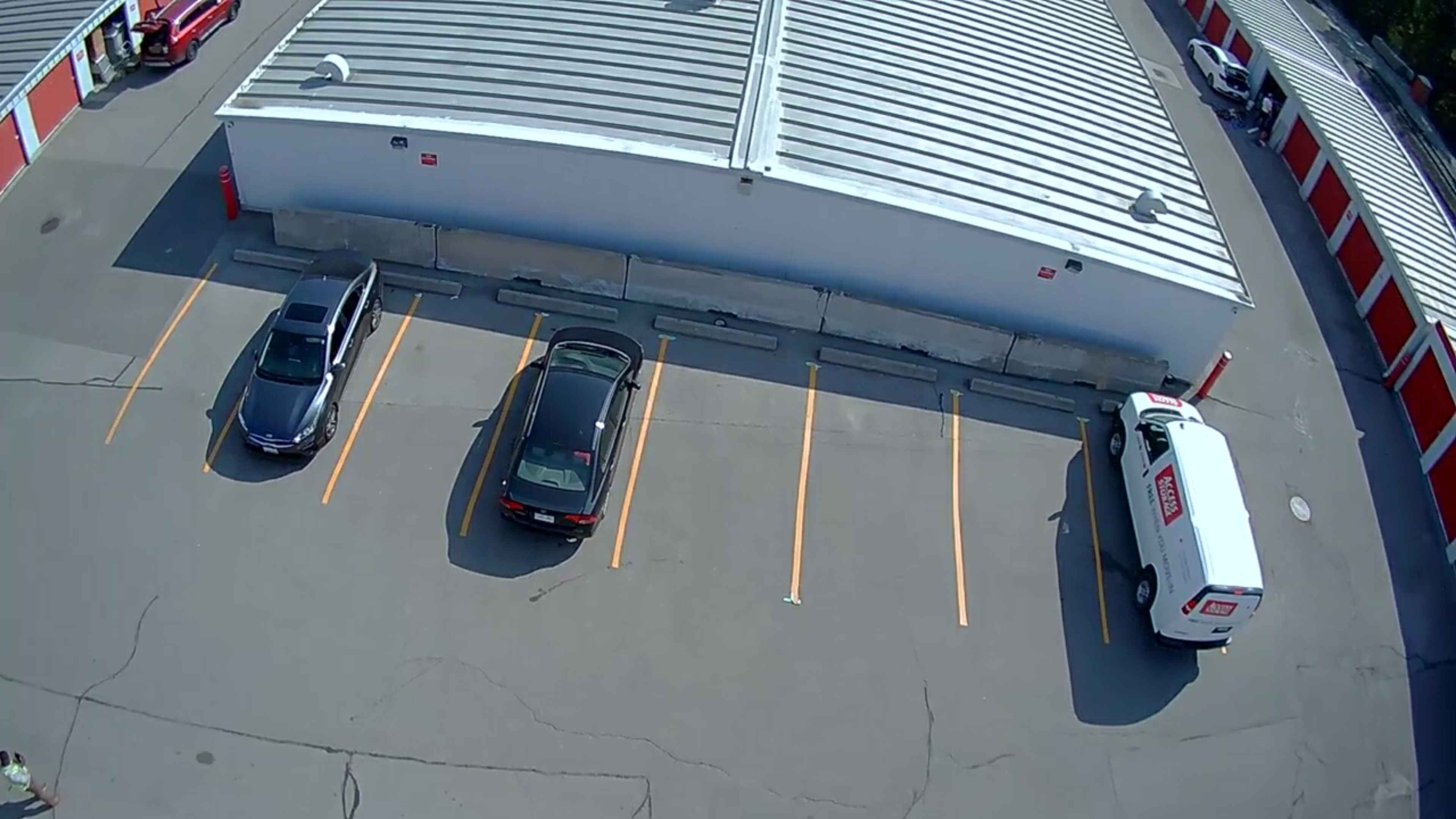
In the high-stakes environment of an industrial facility, clarity is everything. Whether you are managing a massive distribution center, a manufacturing plant, or a heavy machinery warehouse, the way your floor space is organized can make or break your operational efficiency. Professional line marking is not just about aesthetics; it is a fundamental component of occupational health and safety.
At Capital Parking Lot Line Painting, we understand that industrial layouts must serve two masters: the flow of heavy machinery and the safety of human personnel. A well-planned layout reduces the risk of collisions, prevents bottlenecks, and ensures that your facility remains compliant with local safety regulations. For businesses operating in high-growth hubs like Markham, maintaining a top-tier facility layout is essential to staying competitive in the Ontario industrial sector.
Core Components of an Industrial Layout
A successful industrial floor plan relies on several distinct zones. Each zone requires specific colors and widths to communicate its purpose effectively to drivers and pedestrians alike.
1. Pedestrian Walkways and Safety Corridors
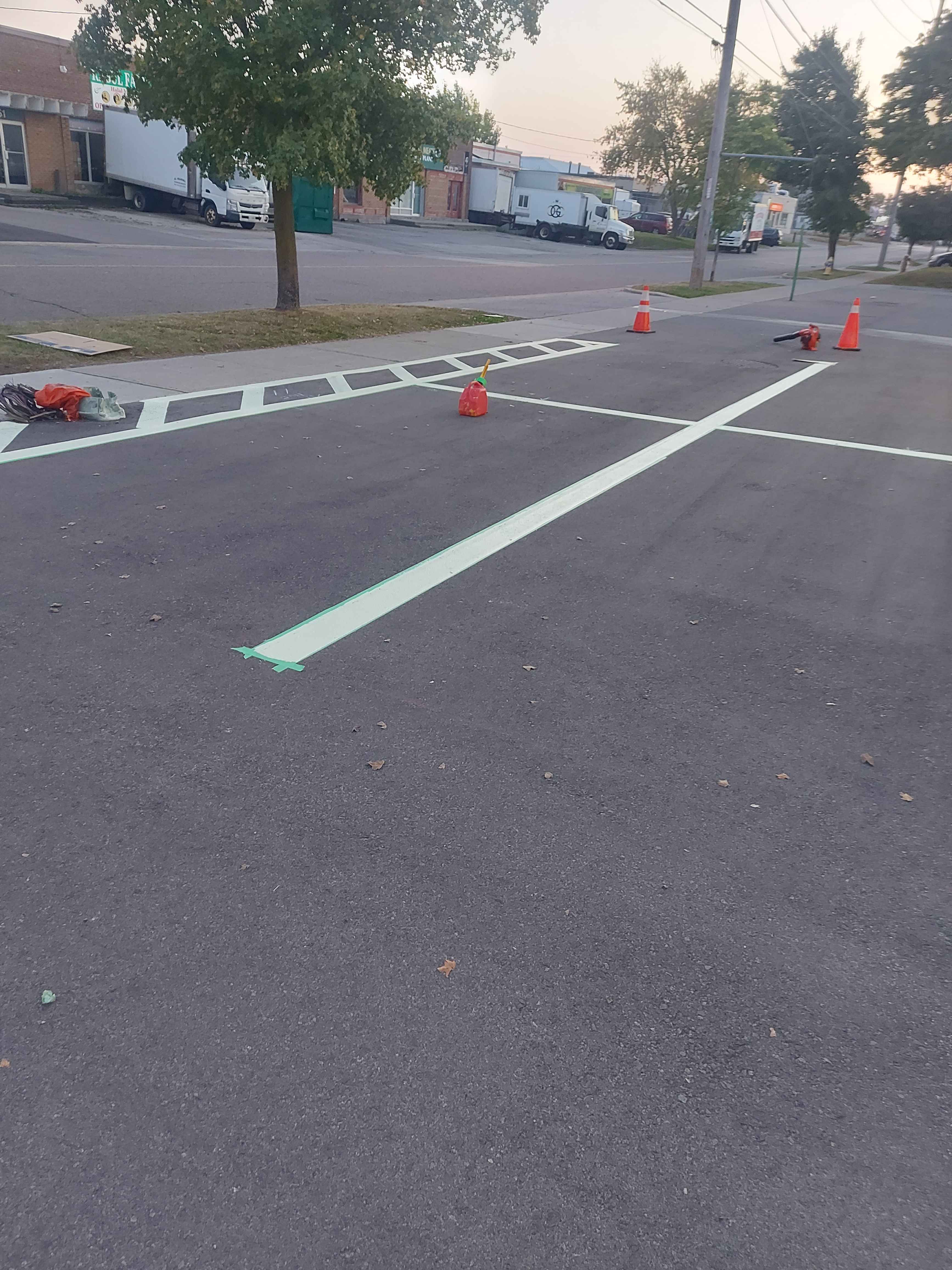
The most critical element of any industrial facility is the separation of people from vehicles. Pedestrian walkways should be clearly defined with high-visibility line painting. These paths should be wide enough for two people to pass comfortably and should lead directly to exits, breakrooms, or workstations without crossing heavy vehicle paths unnecessarily.
2. Vehicle and Forklift Lanes
Forklifts and heavy transport vehicles require dedicated lanes to prevent erratic movement. These lanes should be marked with continuous lines that guide drivers through high-traffic intersections. In many facilities, using directional arrows is a vital part of the line marking strategy to prevent head-on collisions in narrow aisles.
3. Loading Docks and Staging Areas
The loading dock is often the most chaotic area of a facility. Clear markings for trailer positioning, staging zones for incoming goods, and "keep clear" areas around fire extinguishers and electrical panels are non-negotiable. Capital Parking Lot Line Painting specializes in creating these high-precision zones to minimize downtime during loading cycles.
Key Benefits of Professional Line Marking
- Enhanced Safety: Drastically reduces the likelihood of forklift-pedestrian accidents.
- Operational Efficiency: Streamlines the movement of goods and reduces congestion in narrow aisles.
- Regulatory Compliance: Helps meet OSHA and local Ontario safety standards.
- Improved Organization: Clearly defines storage areas, preventing clutter and maximizing floor space.
- Reduced Liability: Well-marked facilities provide a clear defense in the event of an inspection or accident.
Color Coding Standards in Industrial Settings
Consistency is the key to intuitive navigation. While specific facility needs may vary, following standard color conventions for line painting helps employees react instinctively to markings.
Yellow Markings
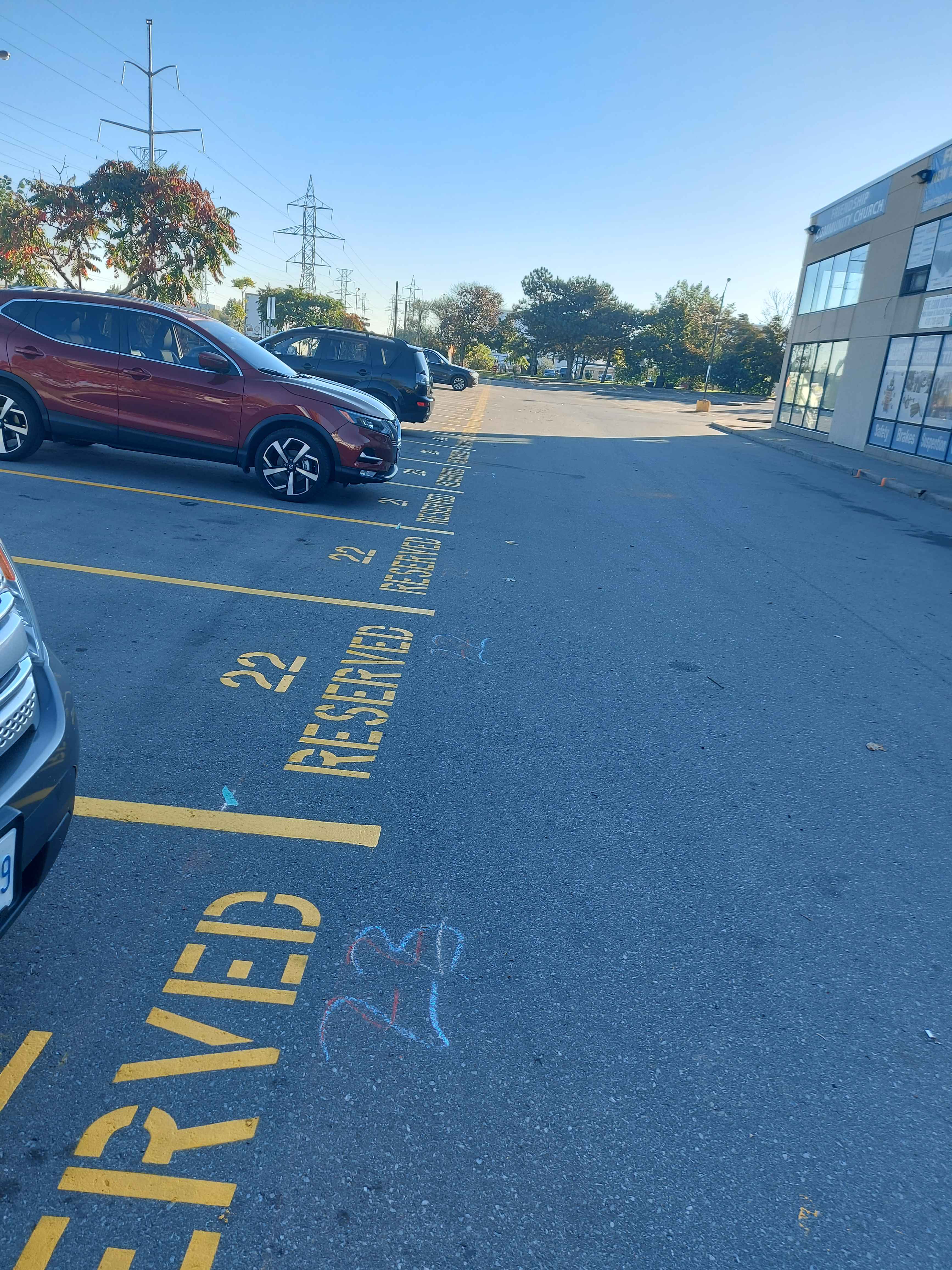
Typically used for traffic lanes, aisle boundaries, and general caution zones. Yellow is the universal color for movement and caution.
Green Markings
Commonly used for designated pedestrian walkways and safe zones. Green signals "go" or "safety" to the human eye.
Red Markings
Reserved for danger zones, fire equipment access, and "No Parking" or "No Entry" areas. Red demands immediate attention.
White/Black Markings
Often used for staging areas, pallet positions, or general organizational boundaries.
Common Mistakes to Avoid
When planning your facility's floor layout, avoid these common pitfalls that can lead to confusion and safety hazards:
- Faded Markings: Allowing line painting to wear away due to heavy traffic. Regular maintenance is essential.
- Inconsistent Widths: Using varying line widths for the same type of zone, which confuses drivers.
- Poor Lighting: Even the best line marking will fail if the facility lighting doesn't allow the colors to pop.
- Overcrowded Layouts: Trying to cram too many zones into one area, leading to "visual noise" where nothing stands out.
If you are located in Markham or the surrounding GTA, it is important to partner with experts who understand the specific industrial requirements of the region. Capital Parking Lot Line Painting provides professional assessments to ensure your layout is both functional and safe.
Ready to Optimize Your Facility?
Don't leave your facility safety to chance. Professional line marking is an investment in your team and your productivity. Contact Capital Parking Lot Line Painting today to discuss your customized industrial layout needs.