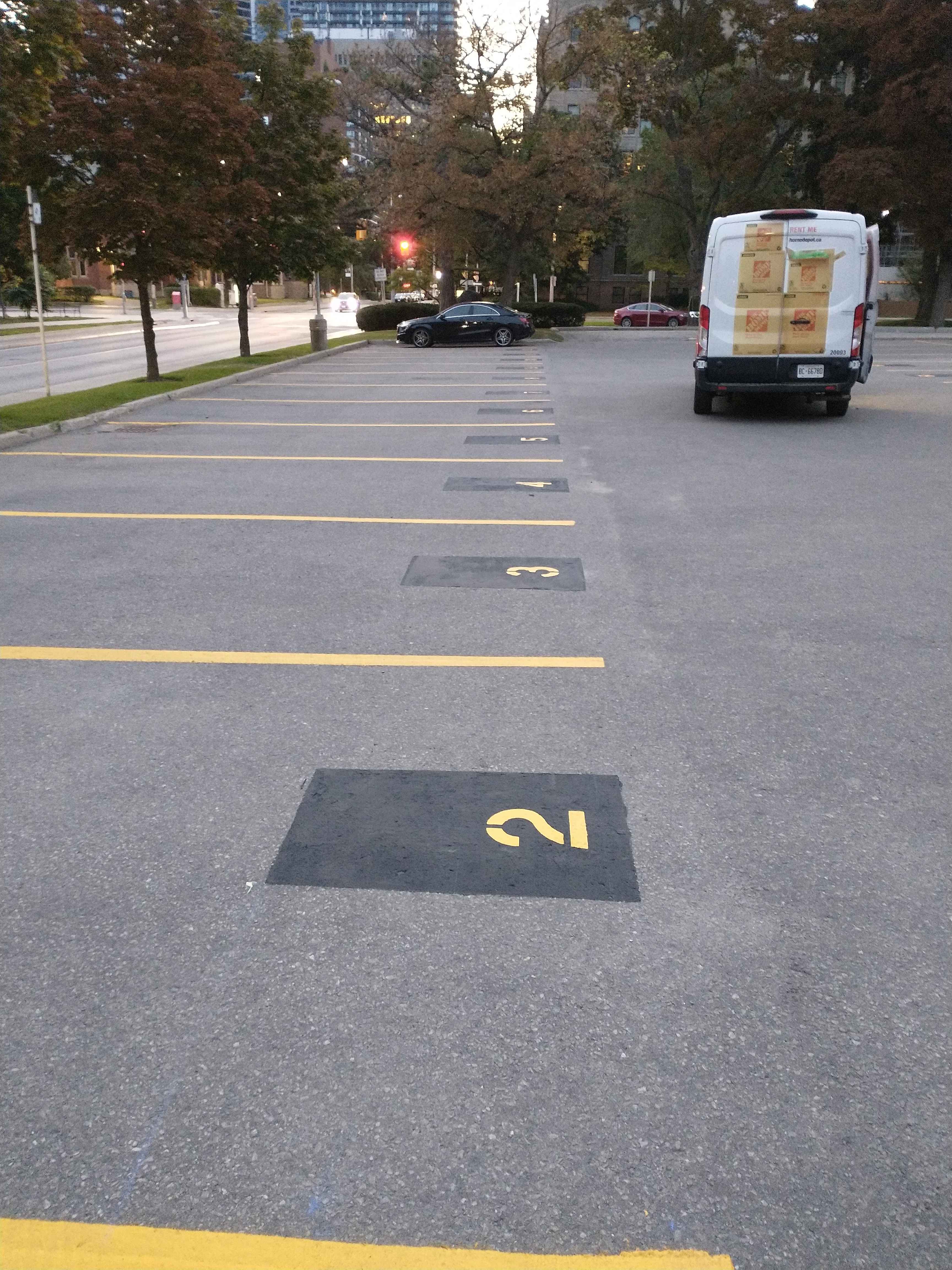
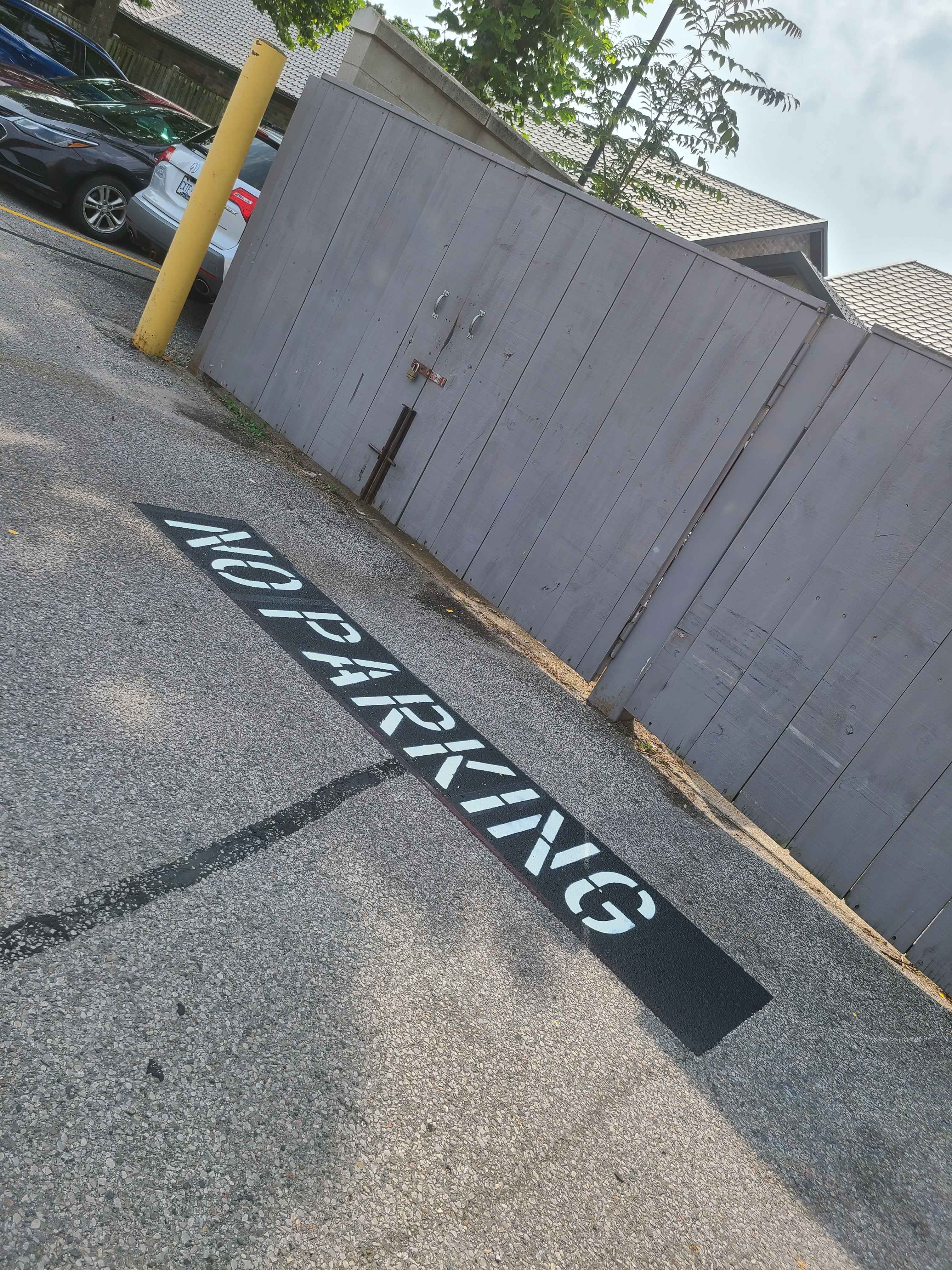
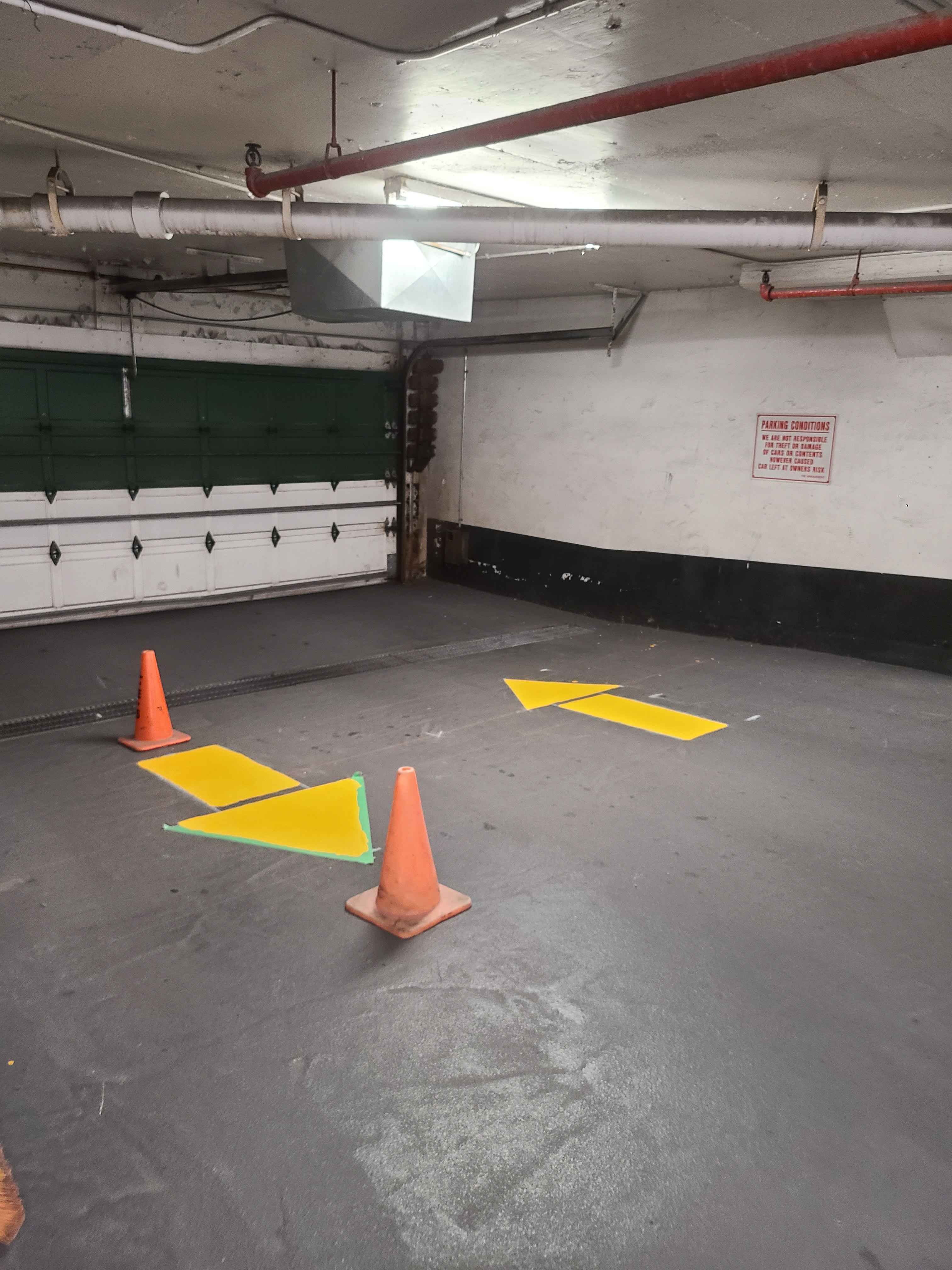
Best Practices for Painting Loading Zones and Fire Lanes
Maintaining clear, visible, and compliant markings is critical for the safety and logistical flow of any commercial property.
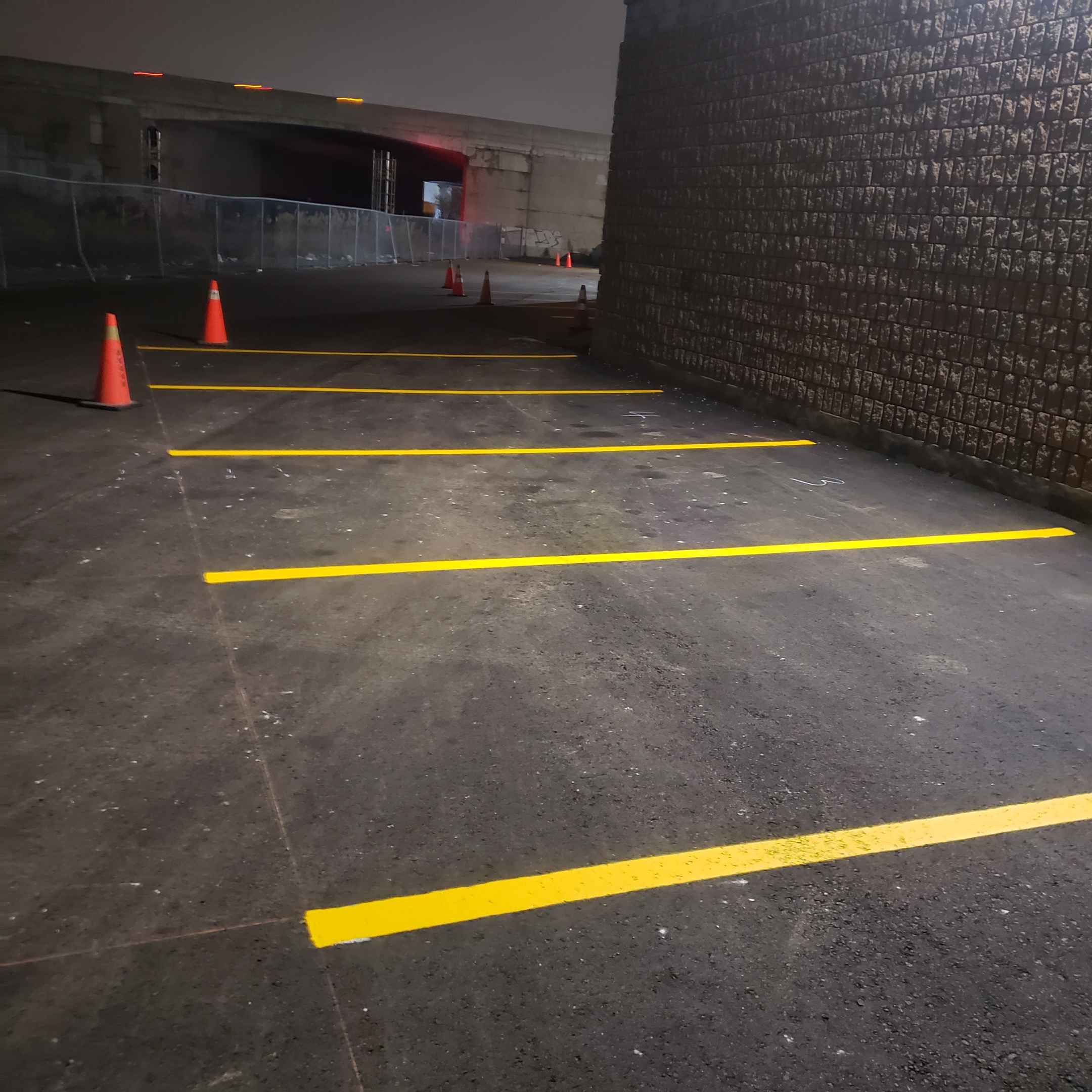
In the high-traffic environments of commercial hubs, especially in a growing top 30 Ontario city like Burlington, the organization of pavement markings is not just about aesthetics—it is about safety, legal compliance, and operational efficiency. Improperly marked loading zones can lead to delivery delays and traffic congestion, while faded fire lanes can pose a significant risk to life and property during emergencies.
Professional line marking is the backbone of a well-managed parking lot. When these specific zones are executed with precision, they dictate the flow of heavy vehicles and ensure that emergency responders have the unobstructed access they require. At Capital Parking Lot Line Painting, we understand that these markings serve as the silent directors of your property's daily movement.
The Critical Importance of Fire Lane Clarity
Fire lanes are designated paths that must remain clear at all times to allow fire trucks, ambulances, and other emergency vehicles to reach a building. Because these zones are strictly regulated by municipal fire codes, the quality of your line painting is paramount.
In Burlington, local authorities take fire safety seriously. If a fire lane is obscured by worn-out paint or incorrect markings, your property could face significant liability or even fines. Effective fire lane marking typically involves high-visibility colors—often red—to provide an immediate visual cue to drivers that parking is strictly prohibited.
Optimizing Loading Zones for Logistics
For retail centers, warehouses, and large office complexes, loading zones are the lifeblood of business operations. These areas must be clearly delineated to prevent unauthorized vehicles from occupying spaces meant for heavy-duty delivery trucks.
Effective line marking for loading zones should include:
- Clear Boundaries: Sharp, crisp lines that define exactly where a vehicle can and cannot sit.
- Textual Markings: Using stenciled words like "LOADING ZONE ONLY" to remove any ambiguity.
- Directional Arrows: Guiding heavy vehicles into the zone to prevent chaotic turns and collisions.
- Color Contrast: Using high-contrast colors against the asphalt to ensure visibility during rain or low-light conditions.
Best Practices for Long-Lasting Results
Achieving a professional finish requires more than just applying paint to the ground. To ensure your investment lasts, Capital Parking Lot Line Painting recommends following these industry best practices:
1. Surface Preparation is Key
The most common reason for premature paint failure is poor preparation. Before any line marking begins, the surface must be cleaned of dirt, oil, grease, and loose debris. If the asphalt is too smooth or too oily, the paint will not bond correctly, leading to peeling and chipping.
2. Choosing the Right Materials
Not all paints are created equal. For high-traffic loading zones, heavy-duty traffic paint or thermoplastic materials are often preferred due to their durability and resistance to the weight of heavy trucks. Selecting the appropriate material ensures that your markings can withstand the friction of constant vehicle movement.
3. Precision and Alignment
Crooked lines suggest a lack of professionalism and can confuse drivers. Using professional-grade equipment ensures that every line is straight and every stencil is perfectly centered. This level of precision is what sets Capital Parking Lot Line Painting apart from DIY attempts.
Ready to Refresh Your Property?
Don't wait for a compliance issue or an accident to realize your markings are outdated. Regular maintenance and professional line marking can save you time, stress, and potential legal headaches.
Common Mistakes to Avoid
When managing your property's maintenance, keep an eye out for these common pitfalls:
- ❌ Ignoring Faded Markings: Once visibility drops below a certain threshold, the markings are no longer legally or practically effective.
- ❌ Incorrect Color Usage: Using standard white for fire lanes can lead to confusion and non-compliance.
- ❌ Poor Timing: Attempting line marking during wet weather or on overly hot asphalt can ruin the application.
- ❌ Inconsistent Widths: Varying line widths can make a parking lot look disorganized and unprofessional.