How to Organize Accessible Parking with Line Markings
Creating an inclusive environment begins the moment a visitor pulls into your parking lot. Proper organization through professional line marking is essential for accessibility, safety, and legal compliance.
The Importance of Accessible Parking Design
Accessibility is more than just a legal requirement; it is a commitment to inclusivity. For businesses located in growing hubs like Burlington, providing easy access for individuals with disabilities is a cornerstone of excellent customer service. When a parking lot is poorly organized, it creates barriers that can prevent people from accessing your establishment entirely.
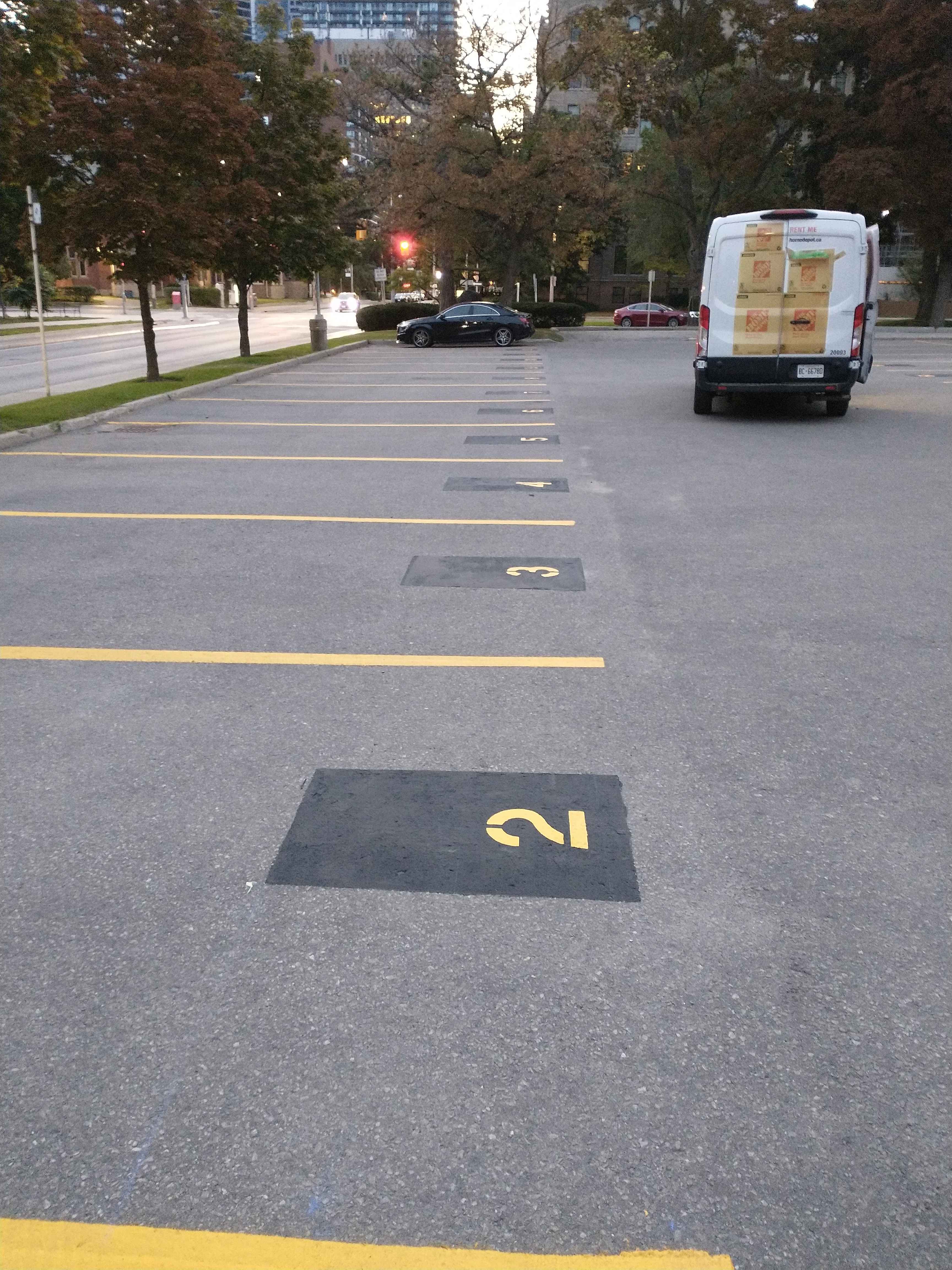
Effective line marking serves as the visual guide that directs traffic and designates specific zones. Without clear, high-contrast markings, the distinction between a standard stall and an accessible one becomes blurred, leading to confusion, safety hazards, and potential violations of accessibility standards. This is where the expertise of Capital Parking Lot Line Painting becomes invaluable, ensuring that every inch of your pavement serves its intended purpose.
Key Elements of Accessible Line Marking
Organizing accessible parking requires more than just a single blue square. There is a specific geometry and set of visual cues required to make a space truly functional.
1. The Accessible Stall
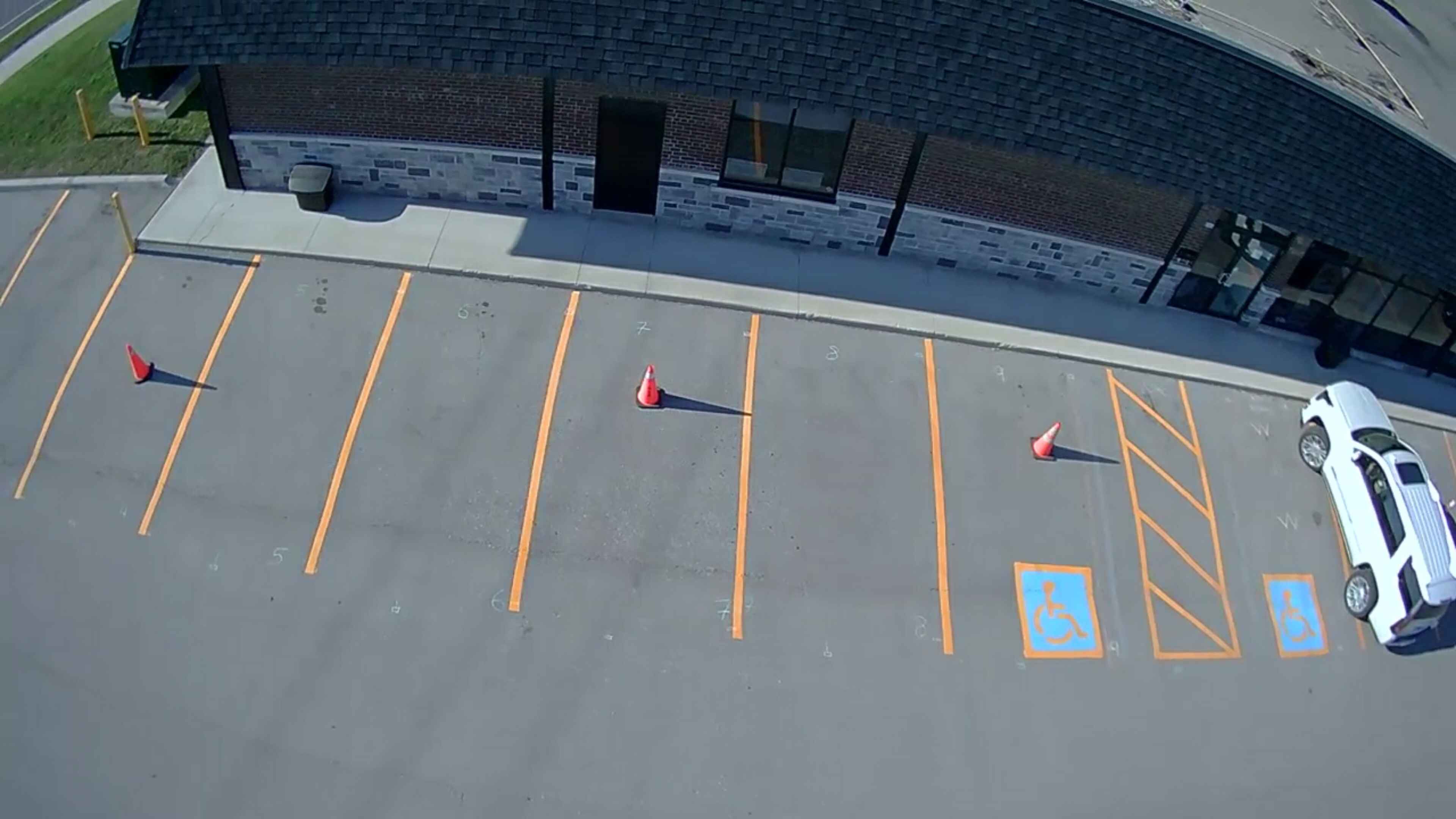
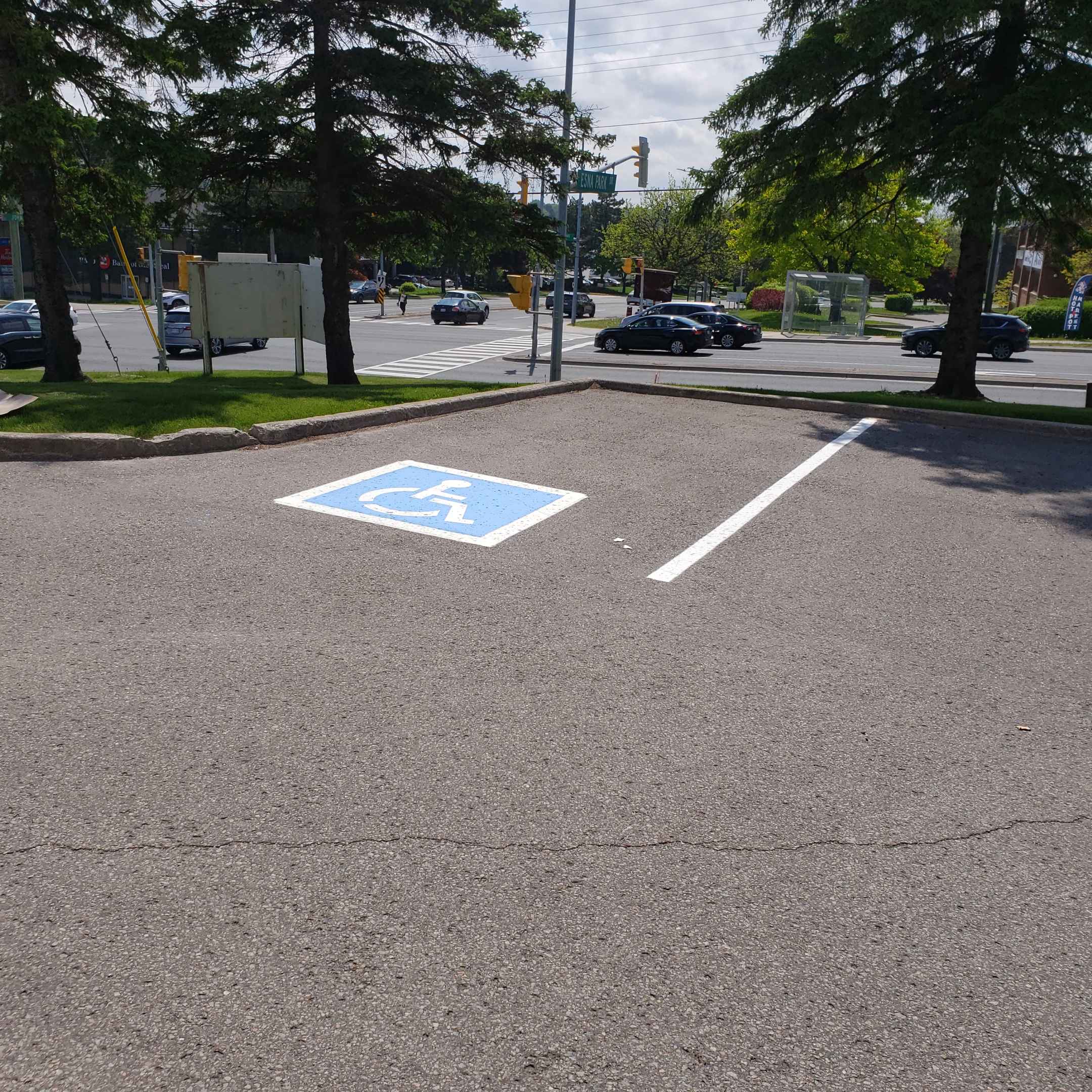
The primary stall must be clearly defined with crisp, bright line marking. These lines must be wide enough to be visible from a distance, helping drivers identify the correct area before they begin their maneuver.
2. The Access Aisle
One of the most critical components is the access aisle—the striped area adjacent to the parking stall. This space provides the necessary room for wheelchair ramps to deploy and for individuals to transfer from a vehicle to a mobility device. Proper line painting ensures this aisle is clearly demarcated so that standard vehicles do not encroach upon it.
3. International Symbols
The use of the International Symbol of Access (the wheelchair icon) is mandatory. This symbol should be painted within the stall or on the ground to provide immediate, non-verbal communication regarding the space's purpose.
Common Mistakes in Parking Lot Organization
Even well-intentioned property managers can run into issues if they do not follow strict organizational protocols. Avoid these frequent errors:
- Insufficient Aisle Width: Failing to provide enough space for mobility aids to navigate safely.
- Faded Markings: Using old or worn-out paint that lacks the contrast necessary for visibility, especially at night.
- Incorrect Placement: Placing accessible spots too far from building entrances or in high-traffic zones that create danger.
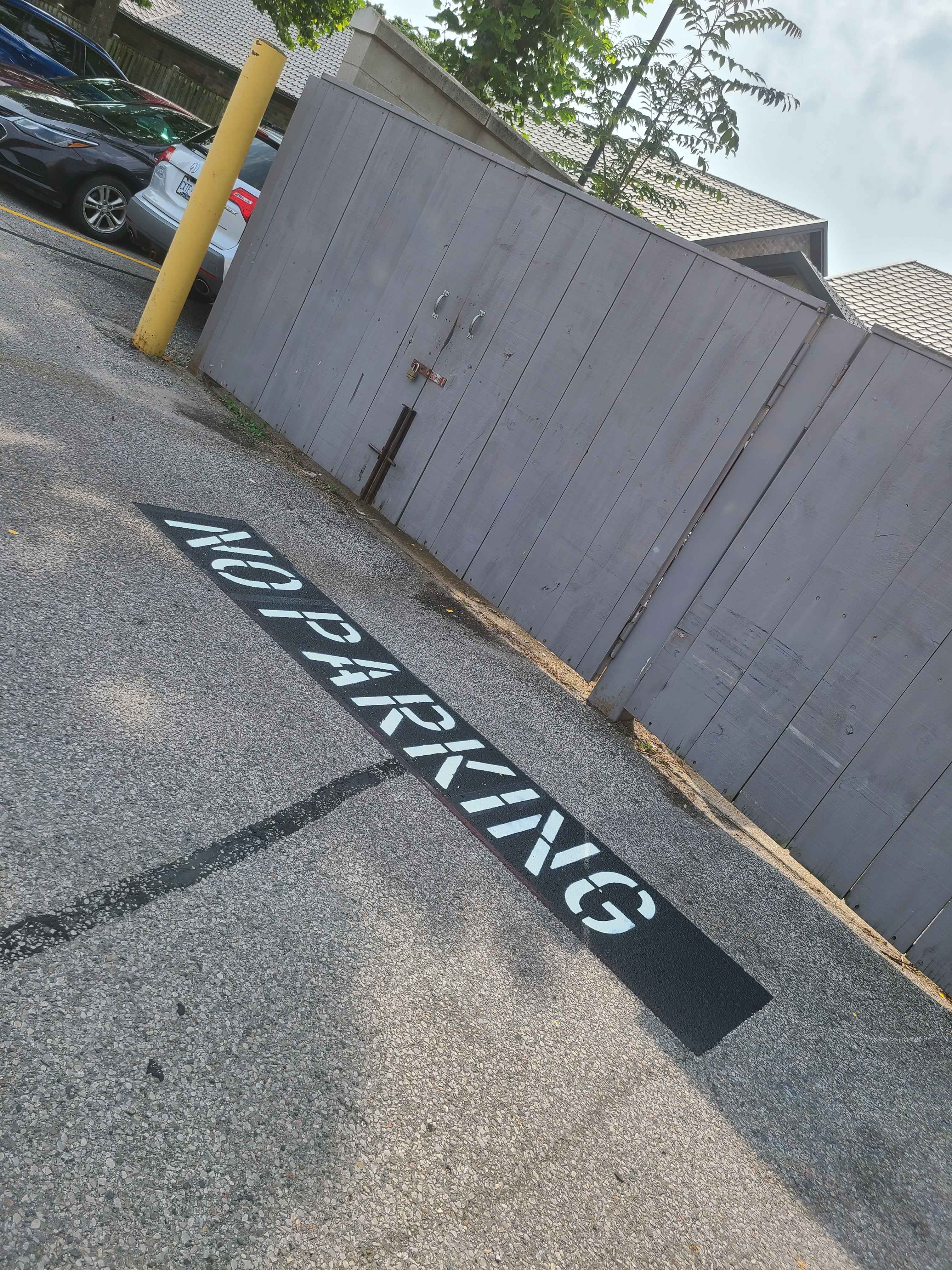
- Lack of Directional Cues: Not using arrows or directional line marking to guide drivers toward the designated accessible zone.
Why Professional Line Marking Matters
While it may be tempting to attempt DIY solutions, professional line marking is a specialized skill. Capital Parking Lot Line Painting utilizes high-grade materials designed to withstand the heavy friction of vehicle tires and the harsh weather conditions found in Burlington and across Ontario.
Professional application ensures:
- Durability: Paint that won't peel or fade after a single season.
- Precision: Perfectly straight lines that comply with local municipal codes.
- Visibility: High-contrast colors that ensure safety during heavy rain or snow.
By partnering with Capital Parking Lot Line Painting, you are investing in the long-term functionality and aesthetic appeal of your property.
Ready to Upgrade Your Parking Lot?
Don't wait for a compliance issue or a safety incident to occur. Organize your space today with professional line marking services that prioritize accessibility and longevity.