How to Use Color Coding in Line Marking for Better Organization
Master the art of visual communication through strategic color application in your facility management.
In any high-traffic environment—whether it is a sprawling commercial parking lot in Brampton or a high-speed industrial warehouse—organization is the key to safety and efficiency. While many property managers view floor markings as mere boundaries, the most successful operations treat them as a sophisticated communication system. This is where the power of color coding in line marking becomes an invaluable asset.
When you implement a thoughtful color strategy, you aren't just painting lines; you are creating an intuitive roadmap for drivers, pedestrians, and heavy machinery operators. Professional services like Capital Parking Lot Line Painting specialize in turning these visual cues into seamless operational workflows.
The Psychology of Color in Line Marking
Human beings are hardwired to react to color before they even process shapes or text. In the context of line marking, utilizing specific hues can trigger immediate, subconscious responses that prevent accidents and guide movement.
Standard Color Interpretations
While specific facility requirements may vary, there are industry-standard color associations that help maintain consistency across different environments:
- Yellow: The universal symbol for caution. Used for hazard zones, physical barriers, or warning boundaries.
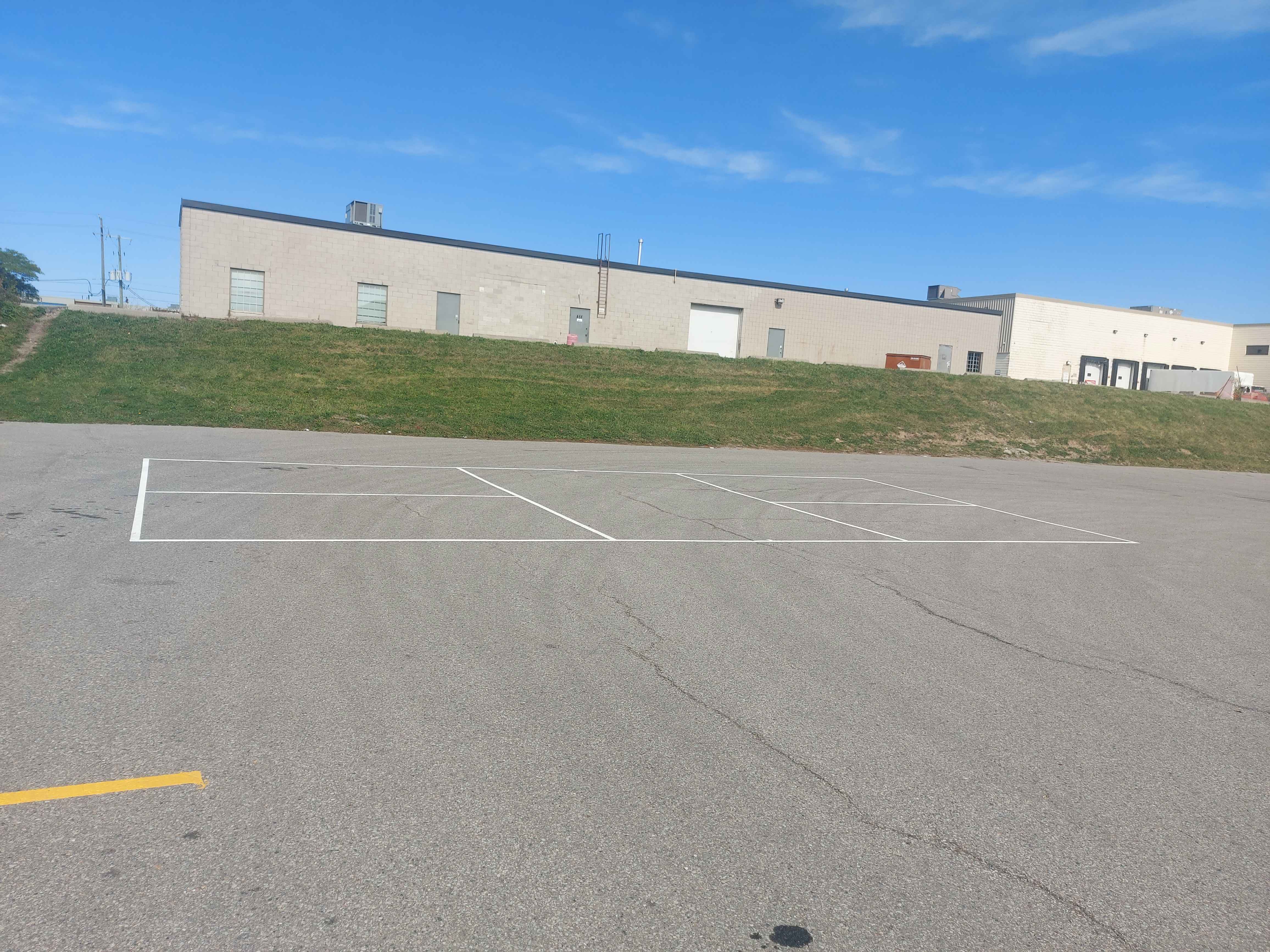
- White: The standard for general organization. Ideal for parking stalls, lane dividers, and directional arrows.
- Blue: Frequently used for accessibility. It clearly designates ADA-compliant parking spaces and accessible walkways.
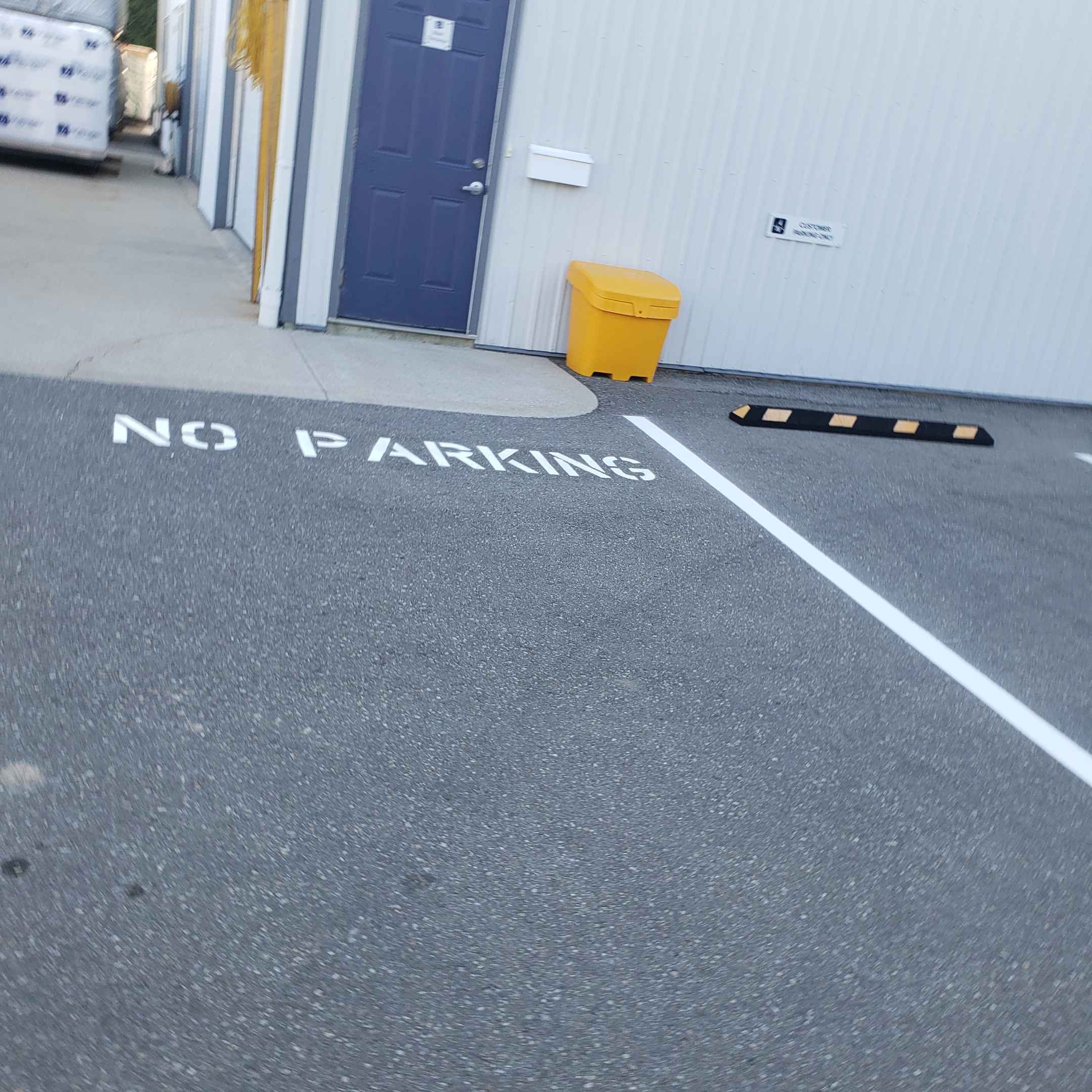
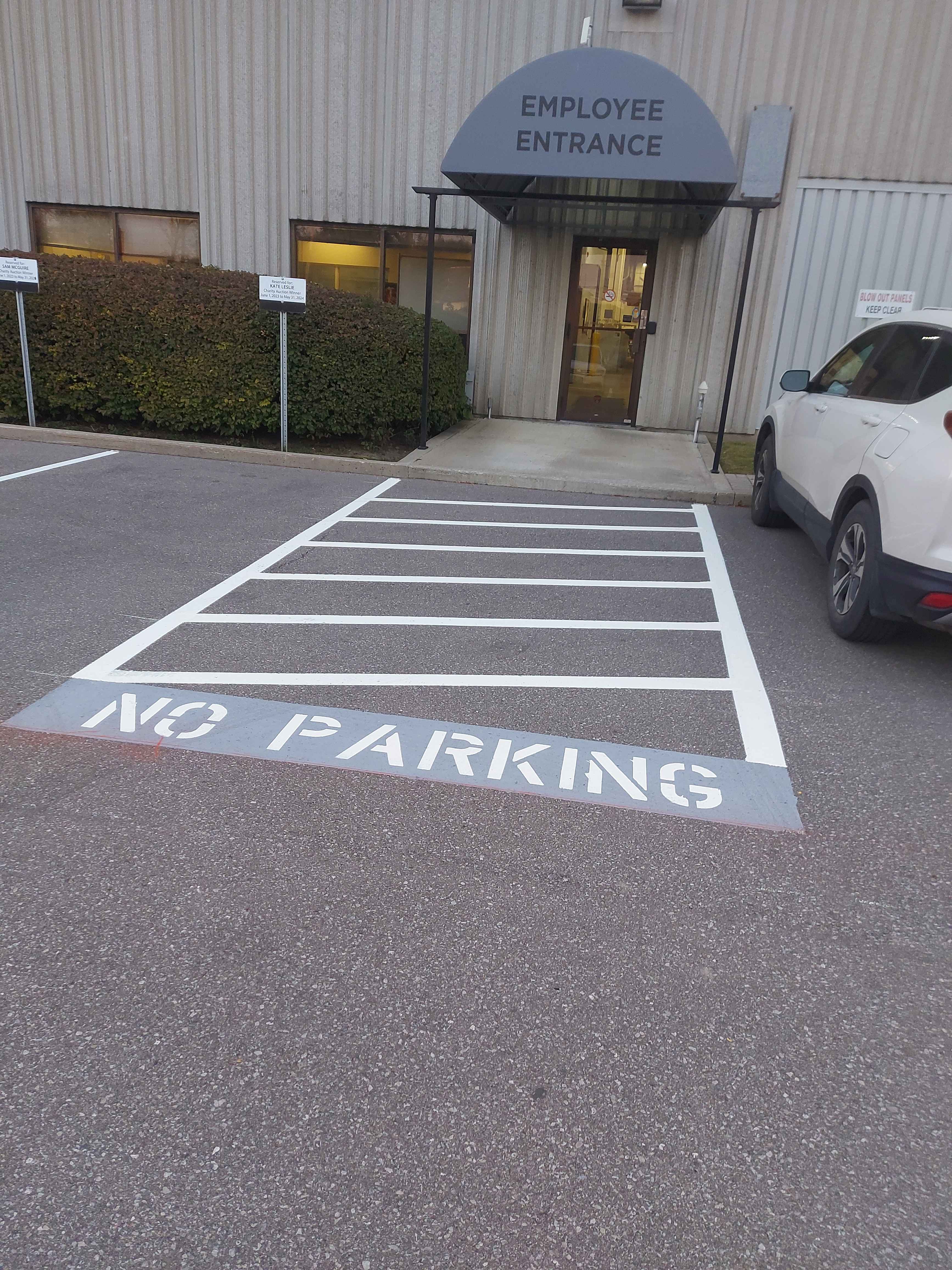
- Red: The color of urgency and prohibition. Used for fire lanes, emergency exits, and "No Parking" zones.
- Green: Often signifies safety or designated pathways, such as pedestrian-only zones or eco-friendly staging areas.
Applications: From Parking Lots to Warehouses
The application of color-coded line marking extends far beyond the asphalt. Depending on your industry, the implementation strategies differ significantly.
Commercial Parking Lots
For businesses in a busy hub like Brampton, managing vehicle flow is a constant challenge. By using color coding, you can separate customer parking from employee parking, designate loading zones with high-visibility red markings, and ensure handicap accessibility is instantly recognizable via blue markings. Capital Parking Lot Line Painting can help design a layout that minimizes congestion and maximizes space utility.
Industrial and Warehouse Environments
In a warehouse, a mistake in movement can lead to catastrophic injury. Color-coded line marking creates "lanes of travel" for forklifts, separating them from pedestrian walkways. This visual segregation is the first line of defense in workplace safety protocols.
Optimize Your Facility Today
Don't leave your organization to chance. Professional line marking ensures that your colors are vibrant, durable, and applied with precision. Contact the experts at Capital Parking Lot Line Painting to upgrade your facility's visual communication.
Common Mistakes to Avoid
Even with the best intentions, improper line marking can lead to confusion rather than clarity. Avoid these common pitfalls:
Over-Complication
Using too many different colors can overwhelm the eye and negate the purpose of the coding. Stick to a consistent, limited palette.
Poor Contrast
A color is only effective if it stands out. Using dark colors on dark asphalt without proper preparation or high-quality paint will lead to invisibility.
Conclusion
Color coding is more than an aesthetic choice; it is a functional necessity for any modern facility. By implementing a strategic line marking plan, you improve safety, enhance organization, and provide a professional appearance that benefits both your staff and your visitors. Whether you are managing a retail lot or an industrial complex, investing in high-quality, color-coded markings is a decision that pays dividends in operational efficiency.