Common Myths About Parking Lot Sealcoating Debunked
Don't let misinformation lead to costly asphalt repairs. Learn the truth about protecting your pavement investment.
Maintaining an asphalt surface can feel like a daunting task for property managers and business owners alike. In a bustling hub like Kitchener, where weather shifts can be extreme, the integrity of your parking lot is vital for safety and curb appeal. However, much of the advice circulating about asphalt maintenance is rooted in myth rather than science. At Capital Parking Lot Line Painting, we believe that an educated client is a successful client. By debunking these common misconceptions, we can help you make informed decisions that extend the lifespan of your pavement.
Myth #1: Sealcoating is Only for Aesthetics
Many property owners believe that sealcoating is simply a "cosmetic fix" designed to make an old, gray parking lot look black and new again. While it certainly improves the visual appeal of your property, its primary function is protective.
Asphalt is a petroleum-based product. Over time, UV rays from the sun, water penetration, and chemical spills (like oil and gasoline) oxidize the binder that holds the aggregate together. Without a protective layer, the asphalt becomes brittle and begins to crack. Sealcoating acts as a sacrificial barrier, absorbing these environmental stresses so your actual pavement doesn't have to. When you work with Capital Parking Lot Line Painting, you aren't just buying a color change; you are buying structural longevity.
Myth #2: You Can Skip Sealcoating if Your Lot Looks "Fine"
This is perhaps the most dangerous misconception in the industry. Asphalt degradation is often invisible to the naked eye until it reaches a critical stage. By the time you see large cracks or potholes, the damage is often deep within the sub-base, making repairs significantly more complex.
Proactive maintenance is the key to avoiding full repaving projects. Regular sealcoating cycles ensure that small micro-cracks are sealed before they turn into structural failures. For businesses in Kitchener, staying ahead of the seasonal freeze-thaw cycles is essential for preventing rapid deterioration.
Myth #3: Sealcoating and Line Marking are the Same Thing
We often see confusion between surface protection and surface organization. While they are frequently performed during the same maintenance visit, they serve two entirely different purposes:
- Sealcoating: A liquid coating applied to the asphalt to protect against weather and chemicals.
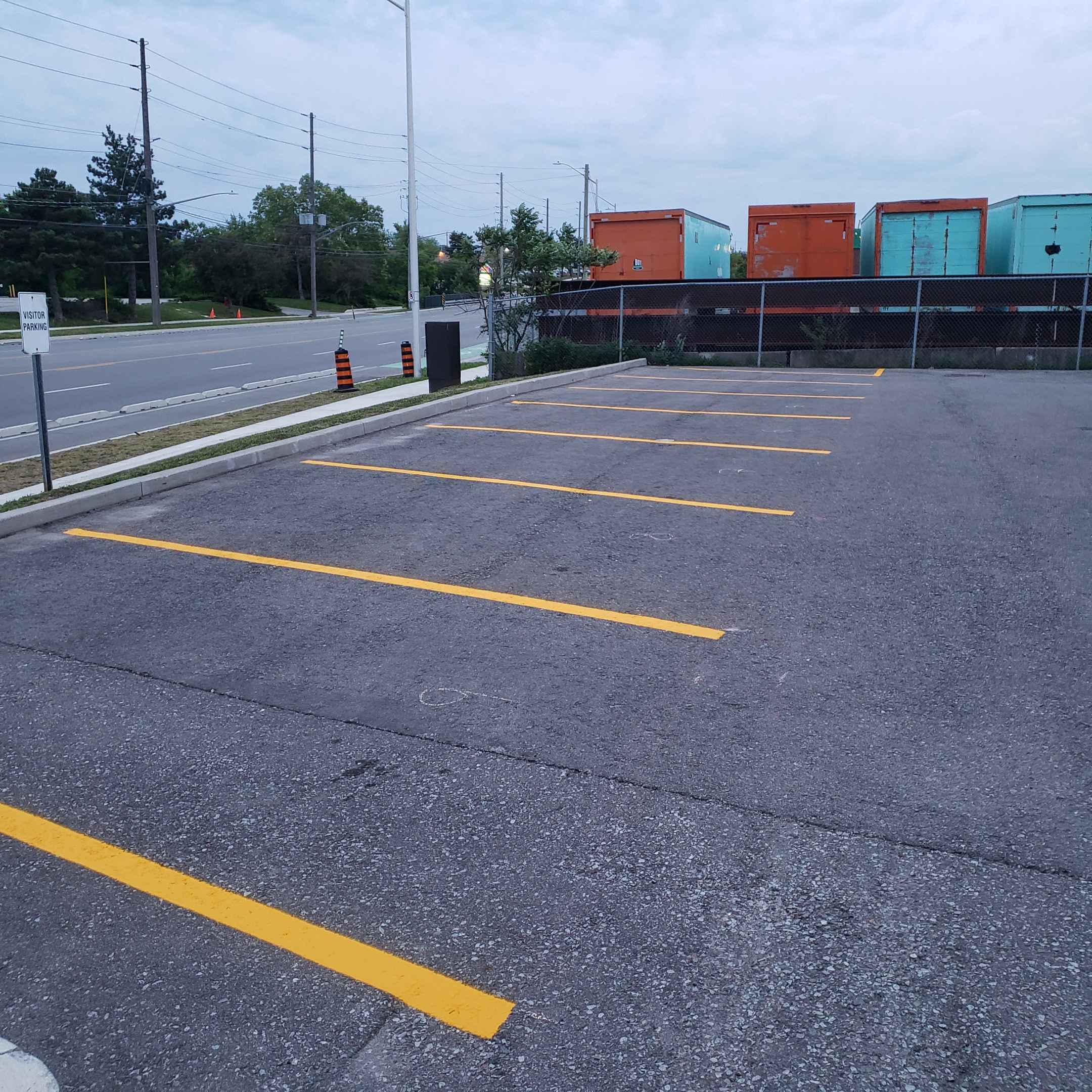
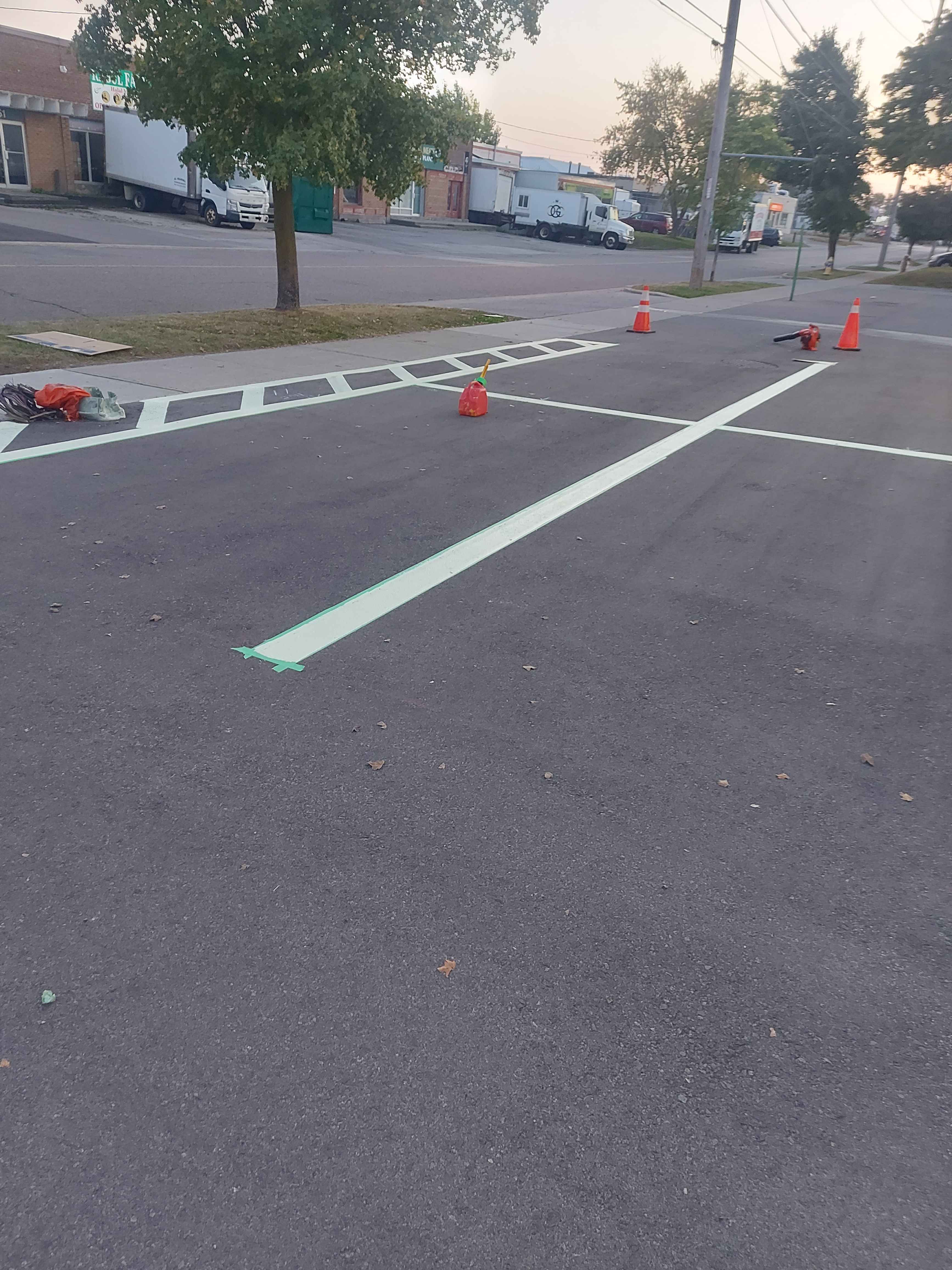
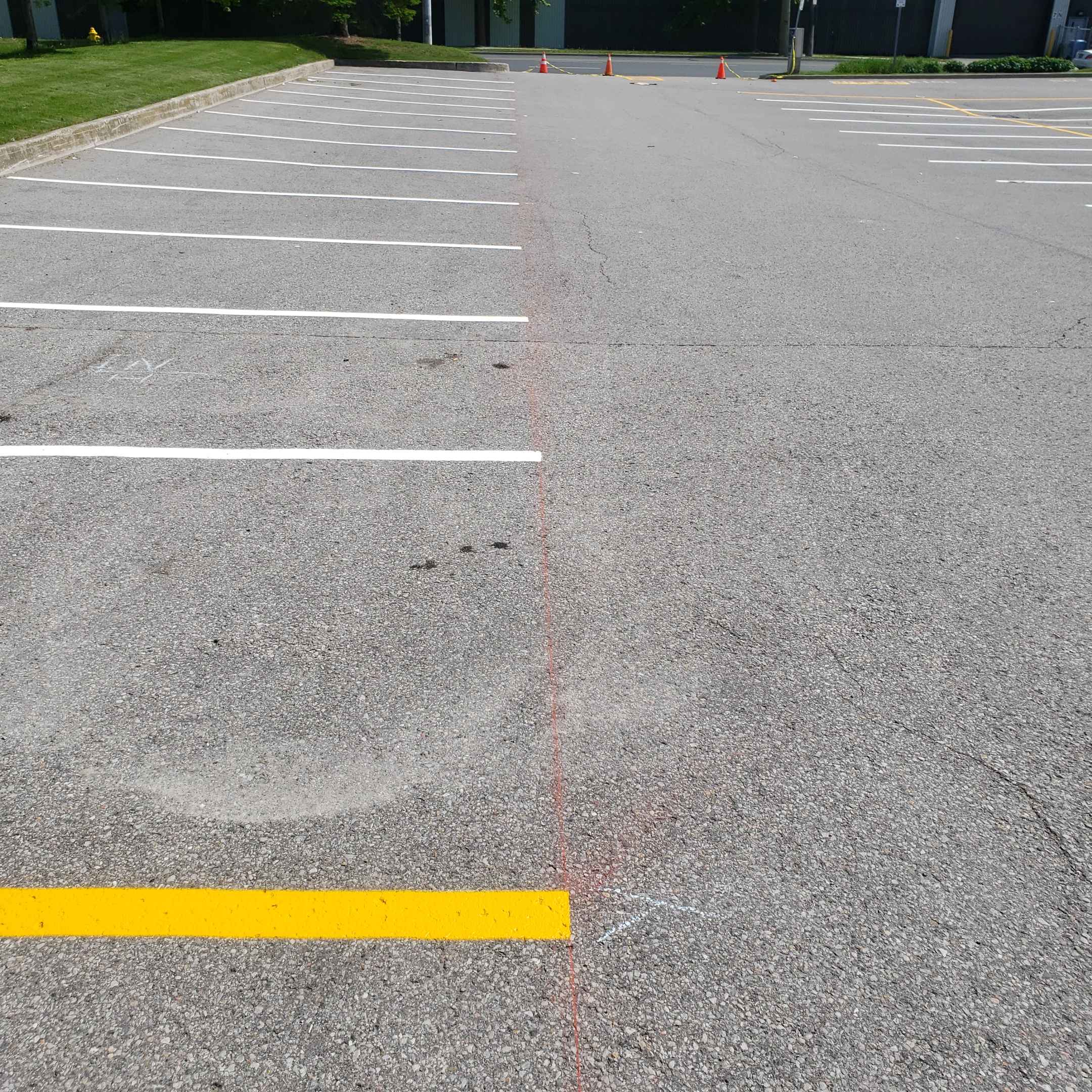
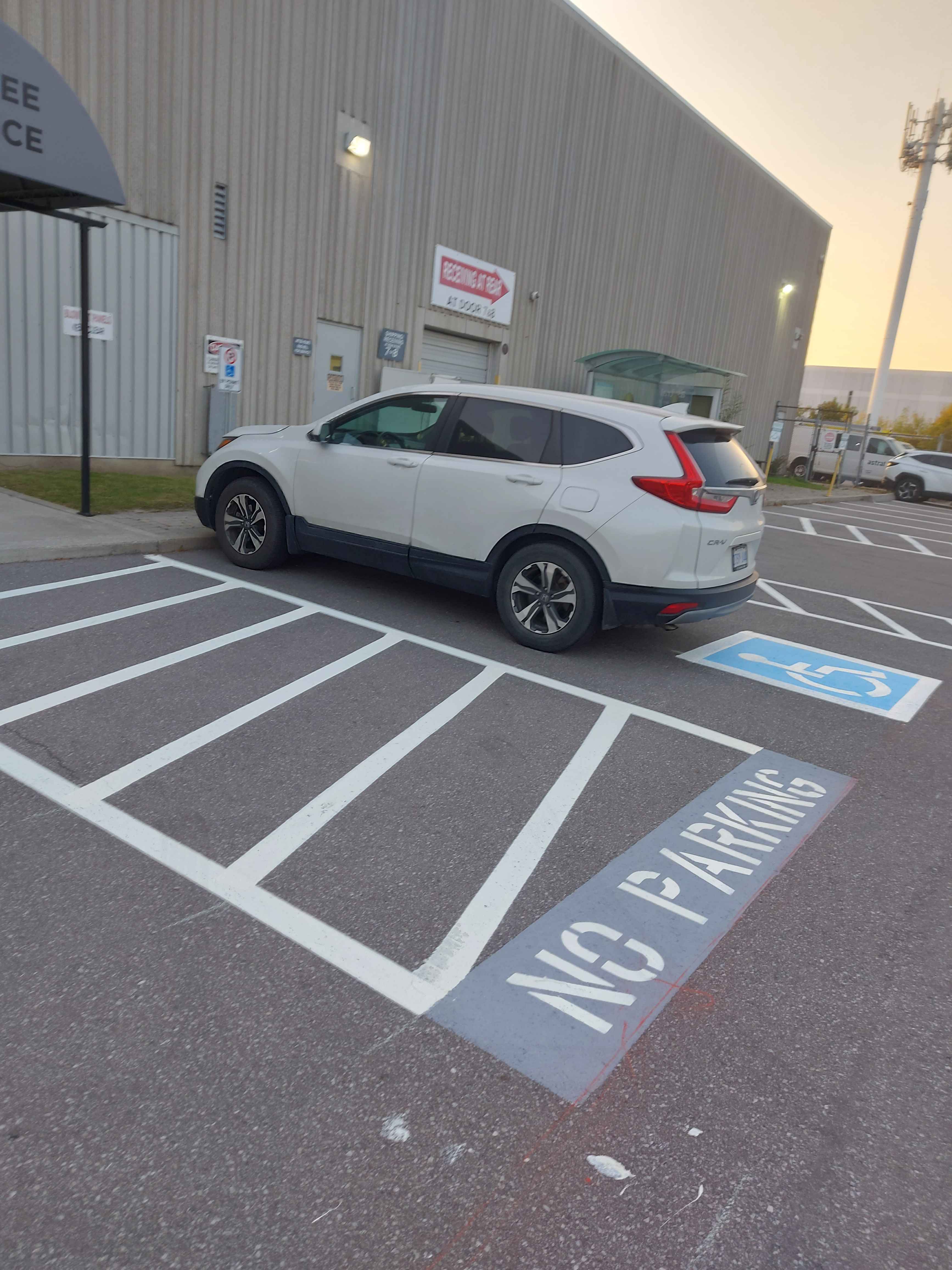
- Line Marking: The application of high-visibility paint to define parking stalls, ADA access aisles, and directional arrows.
- Line Painting: The professional process of ensuring all markings are crisp, compliant, and visible for traffic safety.
For a complete professional finish, Capital Parking Lot Line Painting recommends coordinating both services to ensure the paint adheres perfectly to the newly sealed surface.
Myth #4: Sealcoating Fixes Major Cracks and Potholes
It is important to manage expectations: sealcoating is a preventative maintenance tool, not a structural repair tool. If your parking lot has significant depressions, large structural cracks, or potholes, applying sealcoat over them will not solve the underlying issue. In fact, attempting to "hide" these problems with sealcoat can lead to even faster failure.
A professional assessment is required first. Proper maintenance usually follows this hierarchy:
- Crack filling and pothole repair (Structural)
- Sealcoating (Protective)
- Line Painting (Organizational/Safety)
Ready to Protect Your Asset?
Don't wait for the cracks to appear. Contact the experts at Capital Parking Lot Line Painting to schedule a professional inspection and maintenance plan tailored to your property's specific needs.