Crackfilling for Newly Paved vs. Aged Asphalt Surfaces
Maintaining the integrity of your asphalt surface requires more than just a watchful eye; it requires a strategic approach tailored to the age and condition of the pavement.
Asphalt is a resilient material, but it is not invincible. Whether you are managing a commercial parking lot in Whitby or a private driveway, the way you treat cracks depends entirely on when your last paving project occurred. At Capital Parking Lot Line Painting, we see firsthand how different maintenance schedules can mean the difference between a surface that lasts decades and one that fails in a few years.
Cracks are the primary entry point for water, salt, and debris. Once moisture penetrates the sub-base, the structural integrity of the entire lot is compromised. This is why understanding the nuance between treating new asphalt and aged asphalt is vital.
The New Asphalt Paradigm: Preventative Sealing
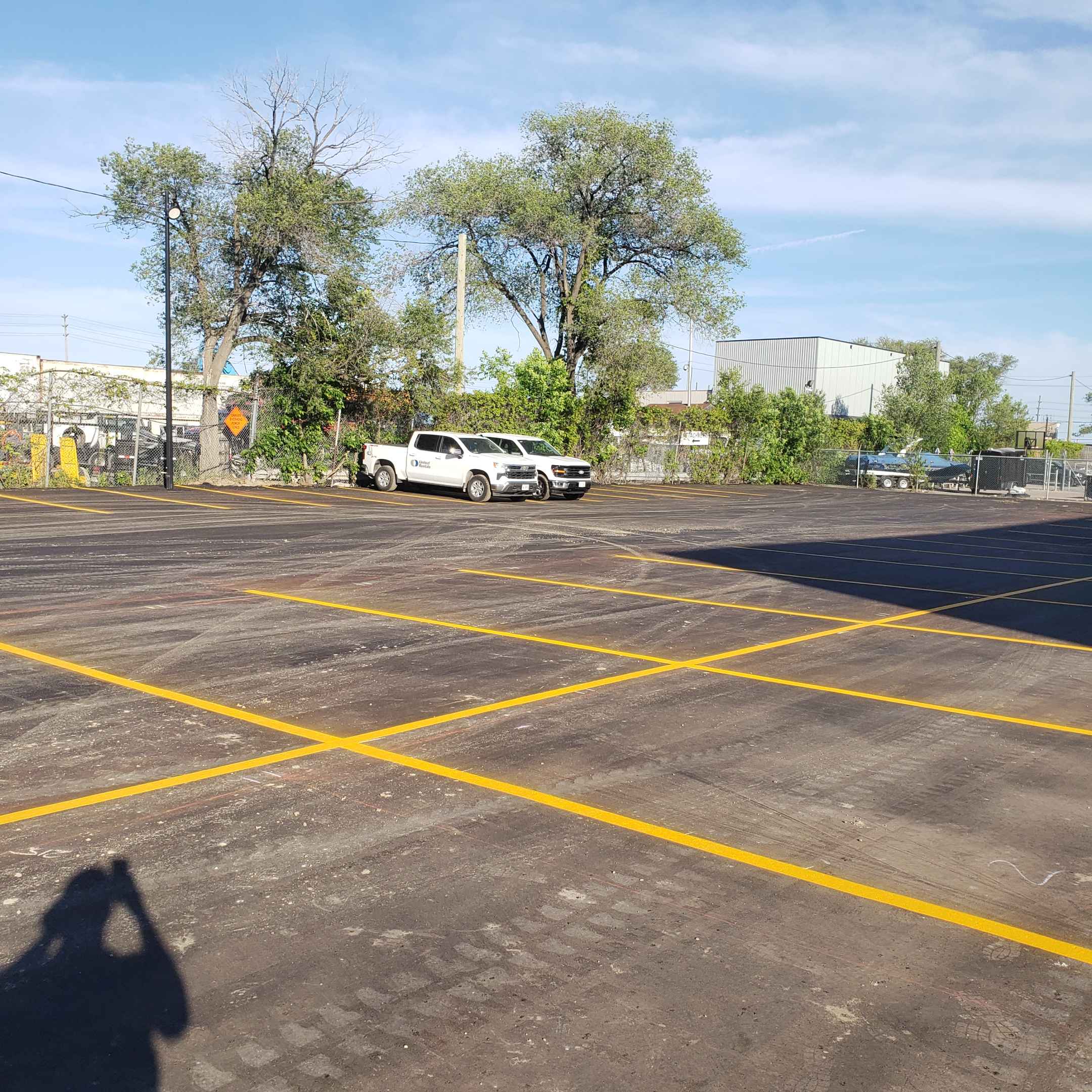
When asphalt is newly laid, it undergoes a process of curing. During this time, the oils within the bitumen begin to stabilize. However, even the most expertly laid surface will experience minor shrinkage cracks as it settles and reacts to temperature fluctuations.
Why Early Intervention Matters
For new surfaces, crackfilling is not about "repairing" damage, but rather about "preventing" it. By sealing tiny hairline cracks early, you prevent water from reaching the aggregate base. In a climate like Ontario's, where freeze-thaw cycles are aggressive, this early step is non-negotiable.
Capital Parking Lot Line Painting recommends that property owners in Whitby perform a preventative assessment shortly after the initial curing period. This ensures that the seal remains intact before the heavy seasonal shifts begin.
The Aged Asphalt Challenge: Remedial Repair
Aged asphalt tells a different story. Over years of heavy traffic and UV exposure, the bitumen becomes brittle. This leads to wider, deeper cracks and, eventually, potholes. When dealing with aged surfaces, the goal shifts from prevention to stabilization.
Dealing with Deep Fractures
Unlike the hairline cracks found in new pavement, aged cracks often require deep-cleaning and specialized hot-pour rubberized fillers. These fillers are designed to expand and contract with the pavement, bridging the gap created by years of wear and tear. If you ignore these wider cracks, the edges of the asphalt will begin to ravel, leading to much more expensive reconstruction needs later.
Key Differences at a Glance
- New Asphalt: Focuses on hairline cracks and shrinkage prevention.
- Aged Asphalt: Focuses on structural stabilization and preventing pothole formation.
- Material Use: New surfaces use lighter sealants; aged surfaces require heavy-duty hot-pour rubberized fillers.
- Frequency: Preventative care is periodic; remedial care is reactive to visible damage.
- Goal: Extend the life of the initial investment vs. delaying total resurfacing.
The Role of Professional Maintenance
It is easy to assume that crackfilling is a simple "DIY" task, but professional application is essential for long-term success. Professionals use industrial-grade equipment to heat the filler to the exact temperature required for optimal adhesion. Furthermore, a professional service often includes Line Marking to ensure your parking lot remains organized and safe after the repairs are complete.
At Capital Parking Lot Line Painting, we combine crackfilling expertise with high-quality Line Painting to provide a complete aesthetic and functional overhaul for your property. This holistic approach ensures that your lot looks new and functions perfectly under heavy traffic.
Common Mistakes to Avoid
Even with the best intentions, improper maintenance can cause more harm than good. Avoid these common pitfalls:
- Filling cracks without cleaning: Dirt and debris prevent the sealant from bonding to the edges of the crack.
- Using the wrong material: Using cold-applied liquids on large, deep cracks will result in the material simply falling out within weeks.
- Ignoring the sub-base: If the ground beneath the asphalt is shifting, crackfilling is only a temporary bandage.
- Waiting too long: By the time you see a pothole, the damage is already extensive.
Ready to Protect Your Investment?
Don't wait for the cracks to become craters. Whether your asphalt is fresh or weathered, professional care is the best way to ensure longevity and curb appeal.