Crackfilling vs. Patching: Which Should You Do First?
Understanding the fundamental differences between preventative maintenance and structural repair is the key to long-term asphalt durability.
If you manage a commercial property, you know that asphalt is a living, breathing surface. It expands in the heat, contracts in the cold, and bears the heavy weight of constant traffic. Over time, this movement results in cracks and potholes that can compromise the integrity of your entire lot. For property owners in Barrie, a top 30 city in Ontario, the harsh freeze-thaw cycles make these issues even more prevalent.
When you notice damage, you are often faced with two primary solutions: crackfilling and patching. While they might look similar to the untrained eye, they serve very different purposes. Choosing the wrong one, or performing them in the wrong order, can lead to wasted resources and accelerated deterioration. At Capital Parking Lot Line Painting, we believe that education is the first step toward effective pavement management.
What is Crackfilling?
Crackfilling is a preventative maintenance technique. It involves cleaning out existing cracks and filling them with a specialized, flexible rubberized sealant. This sealant is designed to move with the asphalt as temperatures change, preventing water from seeping into the sub-base.
Think of crackfilling as the "sealant" for your parking lot. It is not meant to fix structural failures, but rather to stop them before they start. By preventing water penetration, you prevent the freeze-thaw cycle from expanding those cracks into massive potholes.
What is Asphalt Patching?
Patching is a corrective maintenance technique. It is used when the damage has already progressed beyond a simple crack. Patching is required when the base layer of the asphalt has been compromised, leading to depressions, potholes, or large areas of crumbling pavement.
Unlike crackfilling, which sits on the surface, patching involves removing the failed material and replacing it with new asphalt, often requiring compaction to ensure it integrates with the surrounding surface. If you ignore the need for patching, your repair costs will only escalate as the holes grow larger.
The Golden Rule: Which Comes First?
The short answer is: Patching must come before crackfilling.
It is a common mistake to attempt to fill cracks in an area that is already structurally unstable. If you apply crackfill over a section that requires a patch, the sealant will eventually fail because the underlying ground is moving too much. You cannot "seal" a hole; you must fill the hole first.
The Correct Maintenance Workflow:
- Step 1: Assessment. Identify areas of structural failure (potholes/depressions) versus surface cracks.
- Step 2: Patching. Repair all potholes and structural depressions to create a level, stable surface.
- Step 3: Crackfilling. Seal all remaining linear cracks to prevent water intrusion.
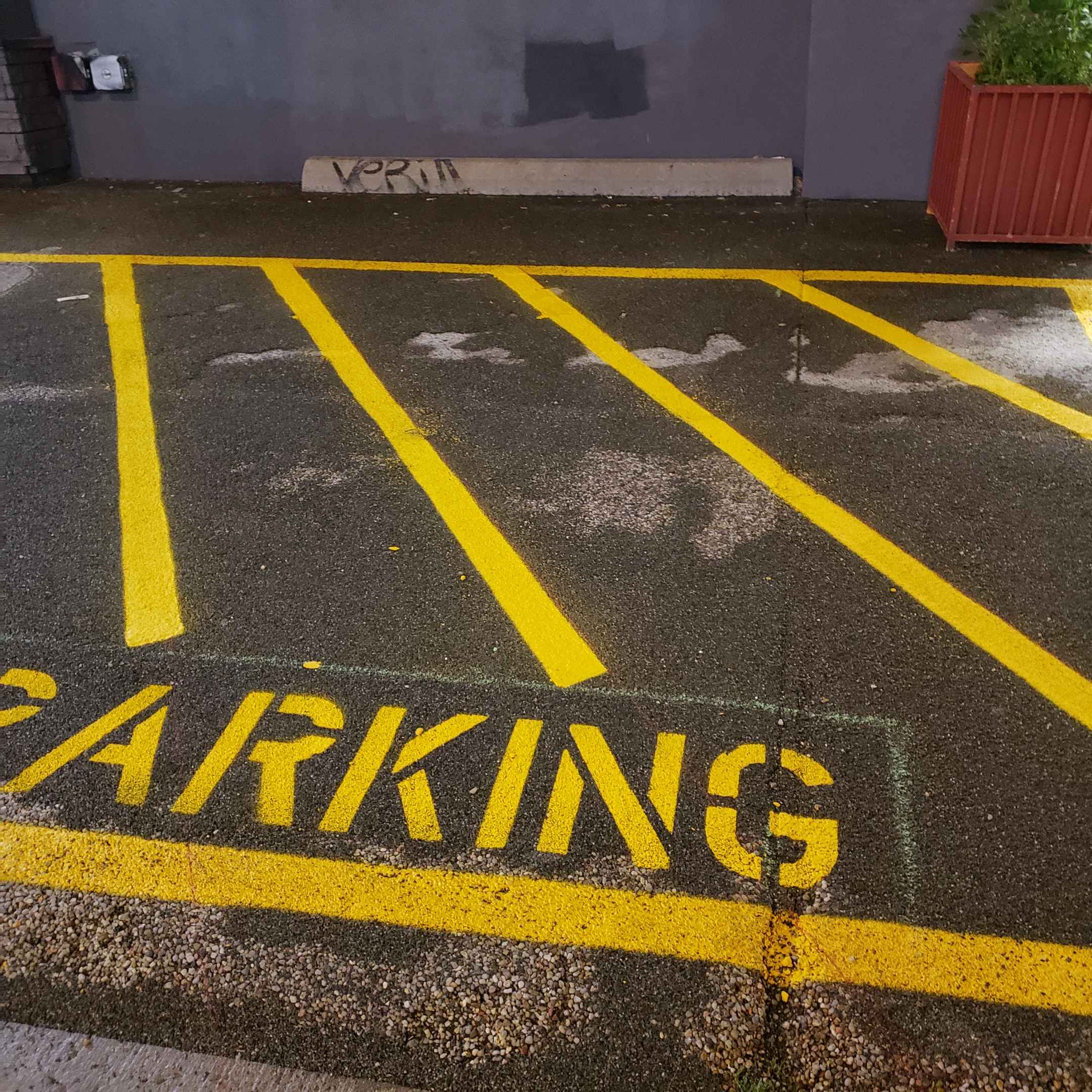
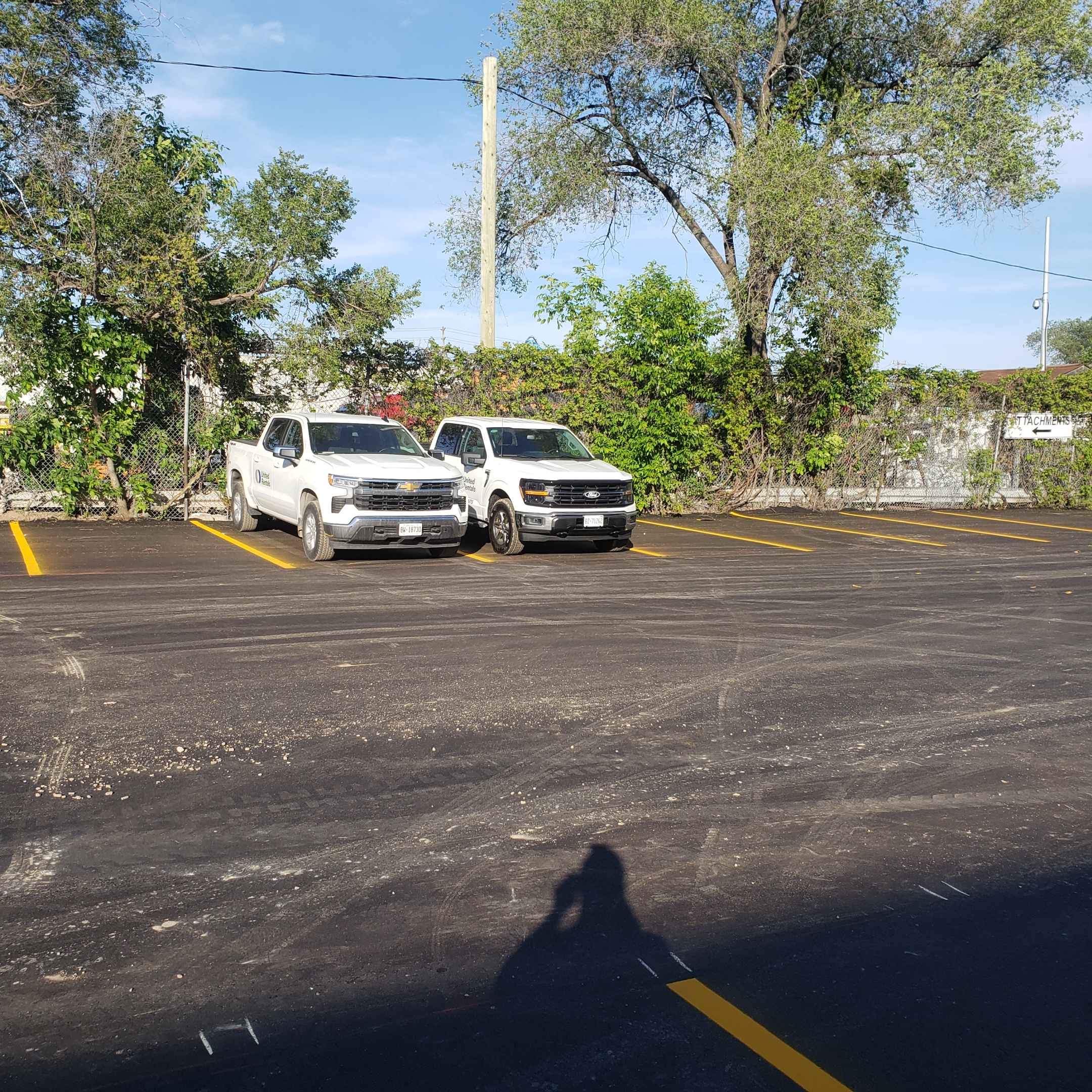
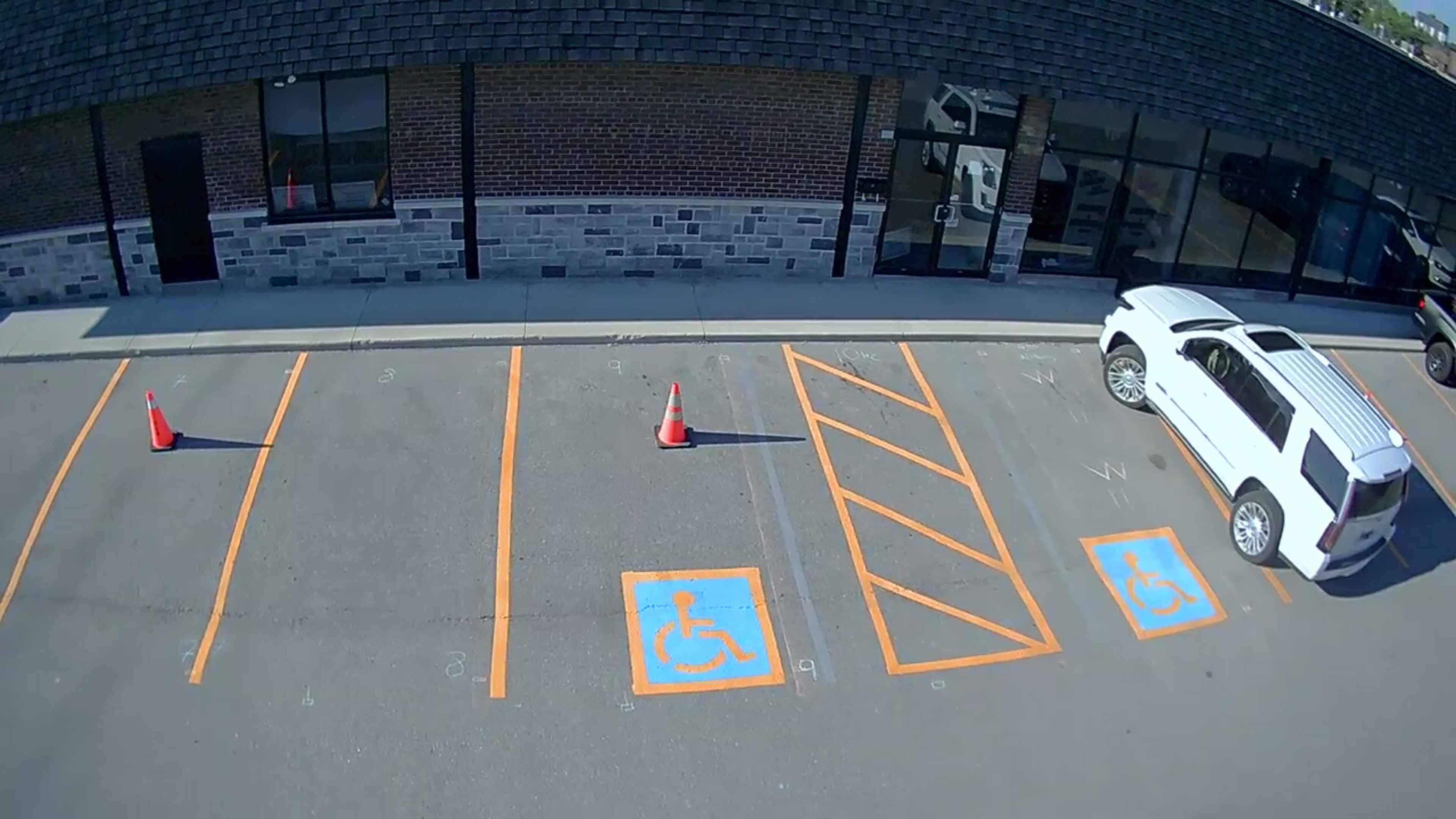
- Step 4: Line Marking. Once the surface is stable and sealed, apply fresh Line Marking to restore visibility and organization.
- Step 5: Sealcoating. Apply a final protective layer to the entire surface.
Why Order Matters for Your Bottom Line
At Capital Parking Lot Line Painting, we see many property owners in Barrie try to skip the patching phase to save time. However, this often results in "re-work." When a crackfill fails because it was applied to a failing base, you end up paying for the same repair twice.
By following the proper sequence, you ensure that each layer of maintenance supports the next. Patching stabilizes the foundation, crackfilling protects the seams, and Line Marking ensures your lot is safe and compliant for drivers. This systematic approach is the only way to truly extend the life of your asphalt.
Ready to Restore Your Lot?
Don't wait for a small crack to become a major liability. Whether you need professional patching, crackfilling, or high-visibility Line Painting, Capital Parking Lot Line Painting has the expertise to handle your project from start to finish.