Crackfilling vs. Patching: Which Should You Do First?
Maintaining a professional-looking parking lot requires more than just a fresh coat of paint; it requires a strategic approach to structural repairs.
If you own a commercial property or manage a large residential complex, you know that asphalt is a living, breathing surface. It expands in the heat and contracts in the cold. In a climate like Greater Sudbury, where seasonal shifts are dramatic, these movements can lead to visible wear and tear. When you look down at your pavement, you likely see two distinct problems: thin, hair-like lines and deep, gaping holes. These require two different solutions: crackfilling and patching.
The big question most property managers ask us at Capital Parking Lot Line Painting is: "Which one do I do first?" If you get the order wrong, you might find yourself wasting money on repairs that won't last through the next winter thaw.
Understanding Crackfilling
Crackfilling is a preventative maintenance technique. It is designed to seal small cracks (typically less than an inch wide) before they turn into something much more expensive. When water enters a small crack and freezes, it expands, pushing the asphalt apart and creating a larger void. This is the cycle that destroys parking lots.
The Benefits of Timely Crackfilling:
- Waterproofing: Prevents moisture from reaching the sub-base.
- Structural Integrity: Keeps the asphalt layers bonded together.
- Cost Efficiency: It is significantly cheaper to fill a crack than to replace a section of pavement.
- Aesthetic Appeal: A well-sealed lot looks much cleaner and more professional.
Understanding Asphalt Patching
Patching is a corrective maintenance technique. While crackfilling deals with the "veins" of the asphalt, patching deals with the "wounds." Patching is necessary when the sub-base has already failed or when the asphalt has crumbled away entirely, creating potholes or deep depressions.
At Capital Parking Lot Line Painting, we often see properties in Greater Sudbury that have ignored small cracks for years, eventually resulting in massive potholes that require heavy-duty patching. Patching involves removing the loose debris, preparing the base, and applying new hot-mix asphalt to level the surface.
The Golden Rule: Which Comes First?
The short answer: Patching must almost always come before crackfilling.
It may seem counterintuitive, but you cannot effectively seal cracks if the surrounding area is structurally unsound. If you attempt to crackfill a surface that has active potholes or crumbling edges, the movement of the failing sections will simply tear the new sealant away. You would essentially be "painting over a broken foundation."
The proper workflow for a long-lasting parking lot should follow this hierarchy:
- Deep Repair (Patching): Fix the holes, stabilize the sub-base, and level the depressions.
- Surface Preparation: Clean the entire surface of debris, oil, and loose gravel.
- Preventative Sealing (Crackfilling): Fill the remaining cracks to prevent future water intrusion.
- Surface Protection (Sealcoating): Apply a protective layer over the entire lot.
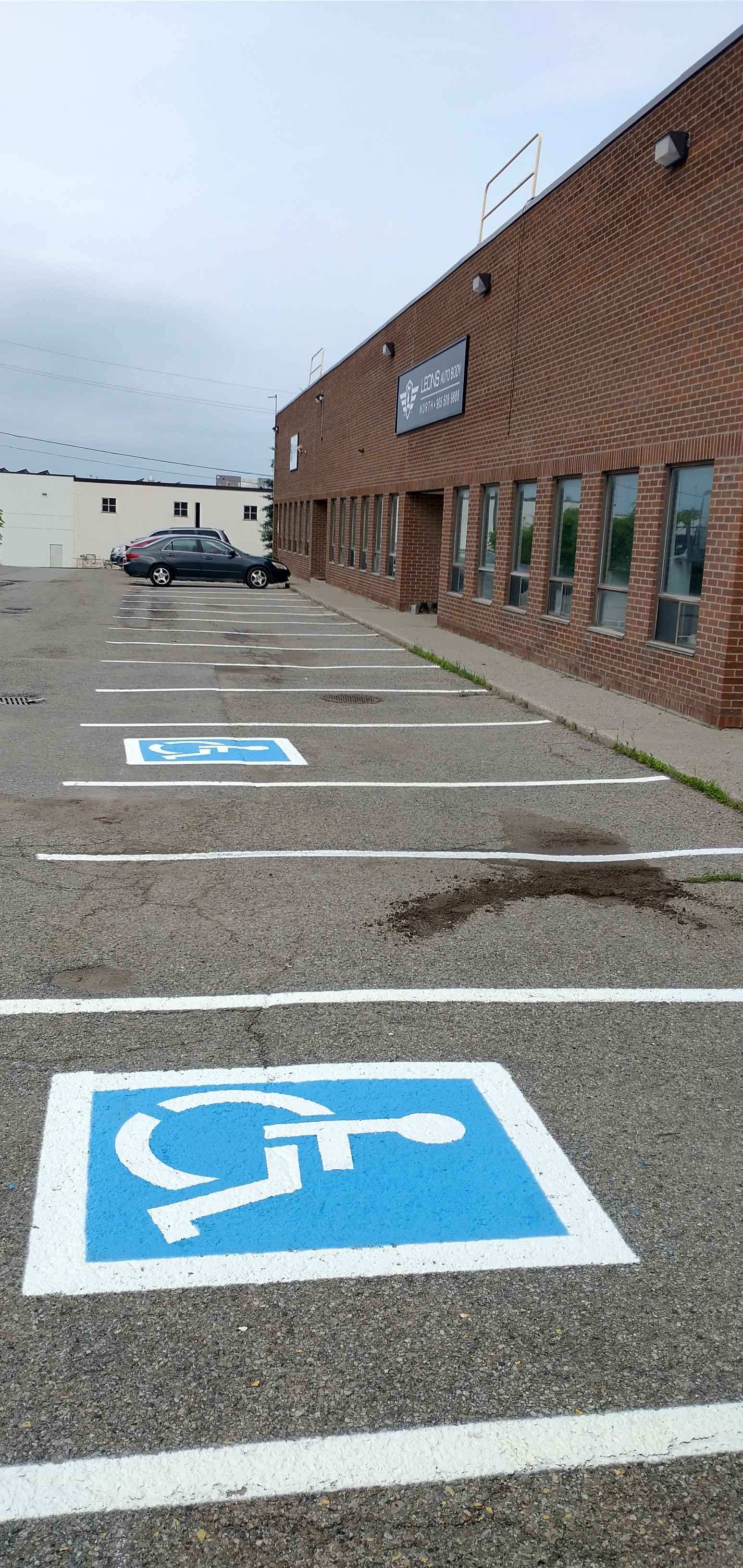
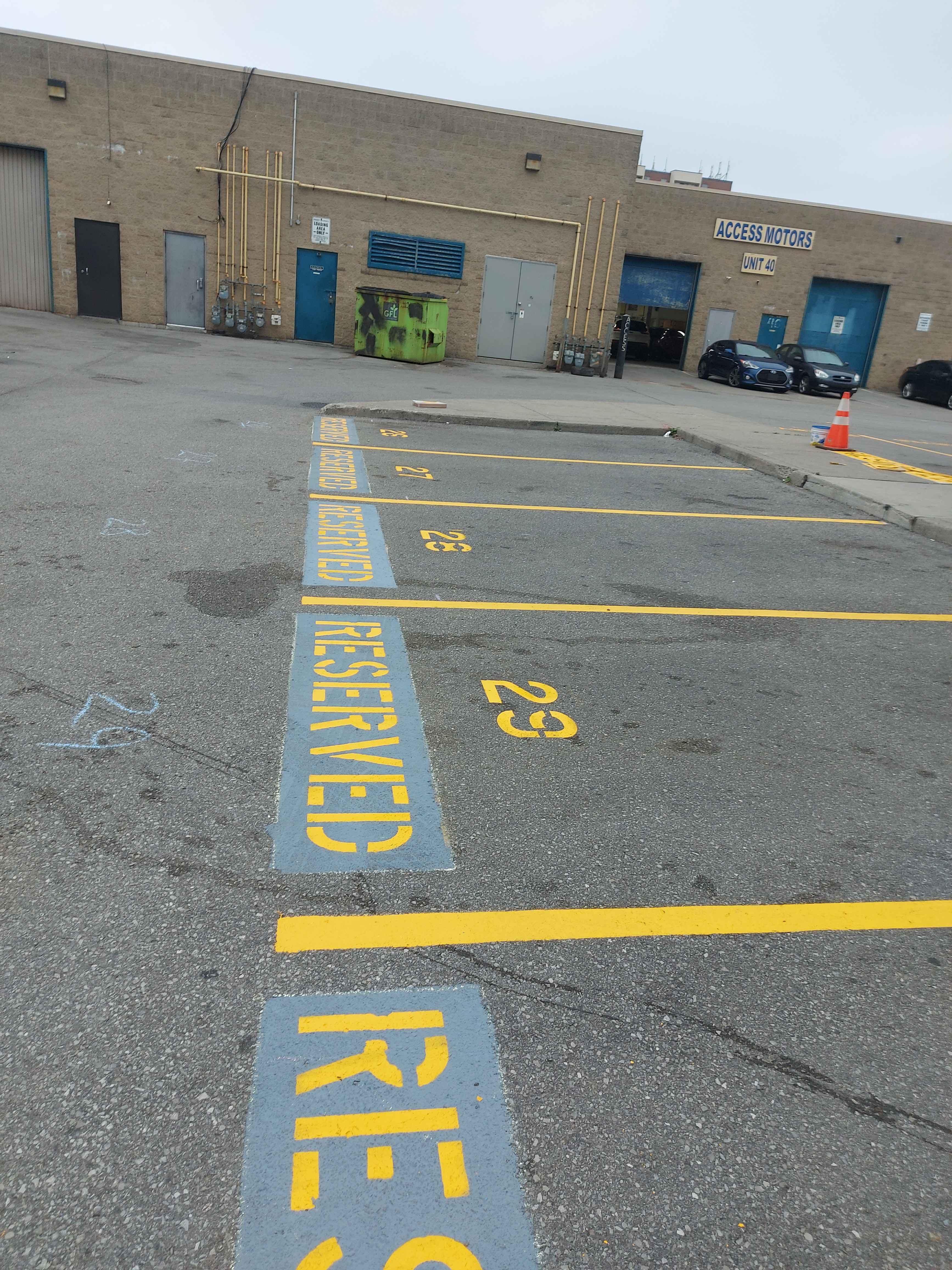
- Visual Clarity (Line Marking): Once the surface is cured, apply fresh Line Marking to define stalls and safety zones.
Common Mistakes to Avoid
Many property owners attempt to save money by DIY-ing these repairs or skipping steps. Here are the most common errors we see in the industry:
1. Filling Potholes with Liquid Sealant
Liquid sealant is meant for cracks, not for filling deep voids. Using it in a pothole is a temporary fix that will wash away in the first heavy rain.
2. Ignoring the Sub-base
If the ground underneath the asphalt is soft or saturated, no amount of patching will fix the problem. The repair will simply sink again.
The Final Touch: Line Marking
Once your structural repairs are complete and your surface is sealed, the final step in restoring your property's professional appearance is Line Marking. Fresh, crisp lines not only guide traffic and ensure safety, but they also signal to your customers that the property is well-maintained and cared for.
Working with professionals like Capital Parking Lot Line Painting ensures that your repairs are structurally sound and your aesthetic updates are precise and durable.
Don't Wait for the Damage to Spread
Regular maintenance is the difference between a simple crackfill and a complete parking lot reconstruction. Contact our experts today to schedule an assessment.