Crackfilling vs. Patching: Which Should You Do First?
Understanding the hierarchy of asphalt maintenance is the key to preventing costly structural failures in your parking lot.
Maintaining a commercial parking lot can feel like a never-ending battle against the elements. Between the freeze-thaw cycles in North Bay and the constant weight of vehicular traffic, asphalt inevitably begins to show signs of wear. As a property owner, you likely face two common repair scenarios: cracks appearing in the surface or deep potholes forming in the pavement. This leads to a vital question: Should you focus on crackfilling or patching first?
At Capital Parking Lot Line Painting, we believe that proactive maintenance is the difference between a minor repair and a full resurfacing project. To make the right decision, you must understand that these two processes serve entirely different purposes in the lifecycle of your pavement.
What is Crackfilling?
Crackfilling is a preventative maintenance technique designed to seal small fissures in the asphalt surface. These cracks are often hairline or slightly wider, but they haven't yet compromised the structural base of the parking lot. The goal is to create a waterproof seal that prevents water from seeping into the sub-base.
When water enters a crack and then freezes—a common occurrence in a top 30 city like North Bay—it expands. This expansion forces the crack to widen, eventually leading to more significant damage. By utilizing professional crackfilling, you are essentially "armoring" your asphalt against the weather.
What is Asphalt Patching?
Patching is a corrective maintenance technique. Unlike crackfilling, which is preventative, patching is used to repair areas where the asphalt has already failed. This usually manifests as potholes, alligator cracking (a pattern of interconnected cracks resembling reptile skin), or sunken sections of the lot.
Patching involves removing the damaged material and replacing it with new asphalt to restore the structural integrity of the surface. If you ignore a patchable area, the underlying base will continue to erode, making the repair significantly larger and more complex over time.
The Golden Rule: Which Comes First?
The short answer is: Address the structural failures (patching) before the preventative measures (crackfilling).
If you attempt to crackfill a lot that has significant potholes or deep structural depressions, you are simply putting a bandage on a broken bone. The sealant will not bridge the gap of a pothole, and the instability of the ground will cause the new sealant to fail almost immediately.
The ideal workflow for a healthy parking lot follows this hierarchy:
- Structural Repairs (Patching): Fix the potholes and sunken areas to ensure a stable base.
- Surface Stabilization: Ensure all patches are properly compacted and leveled.
- Preventative Sealing (Crackfilling): Fill the remaining cracks to prevent new water infiltration.
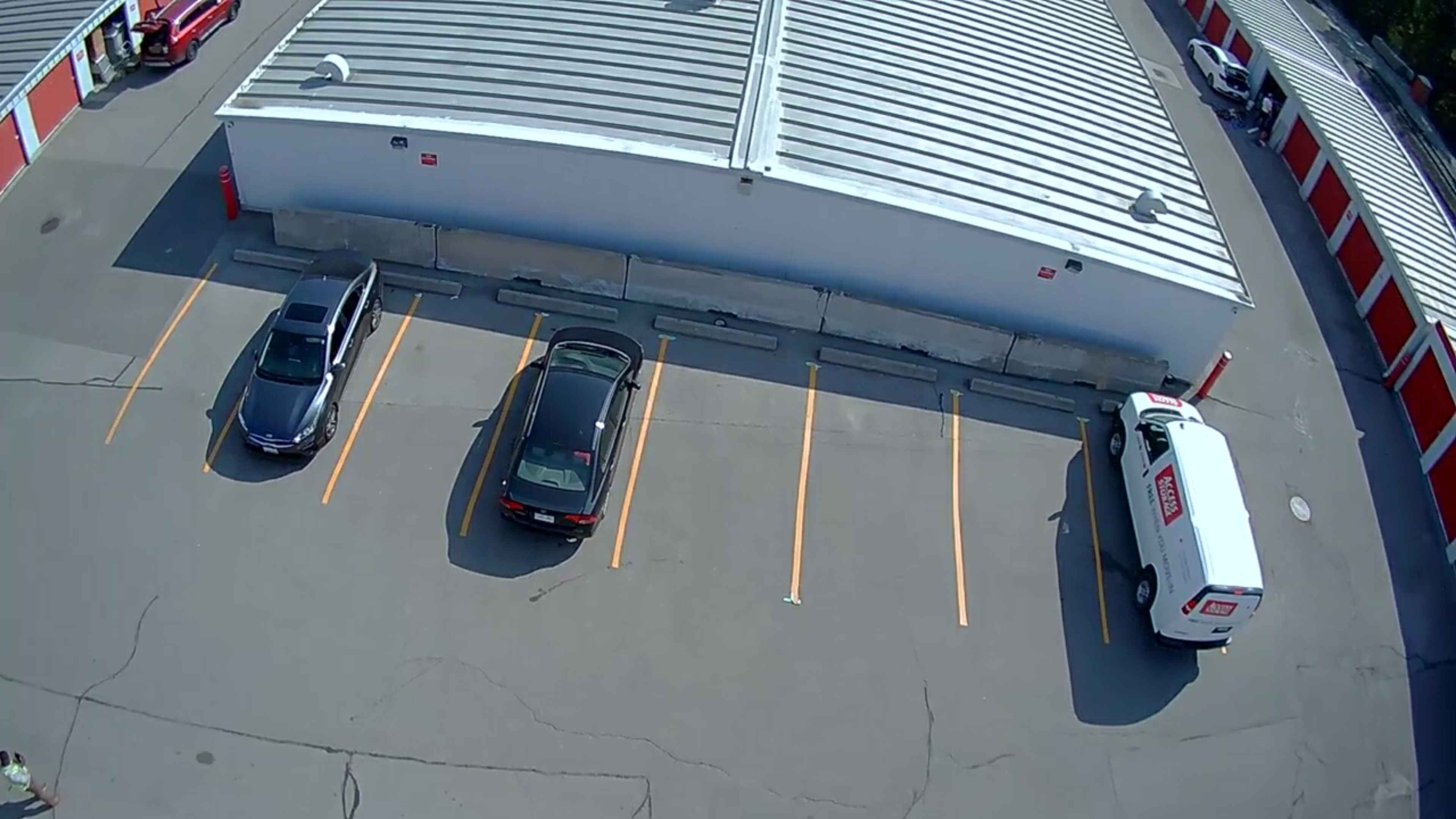
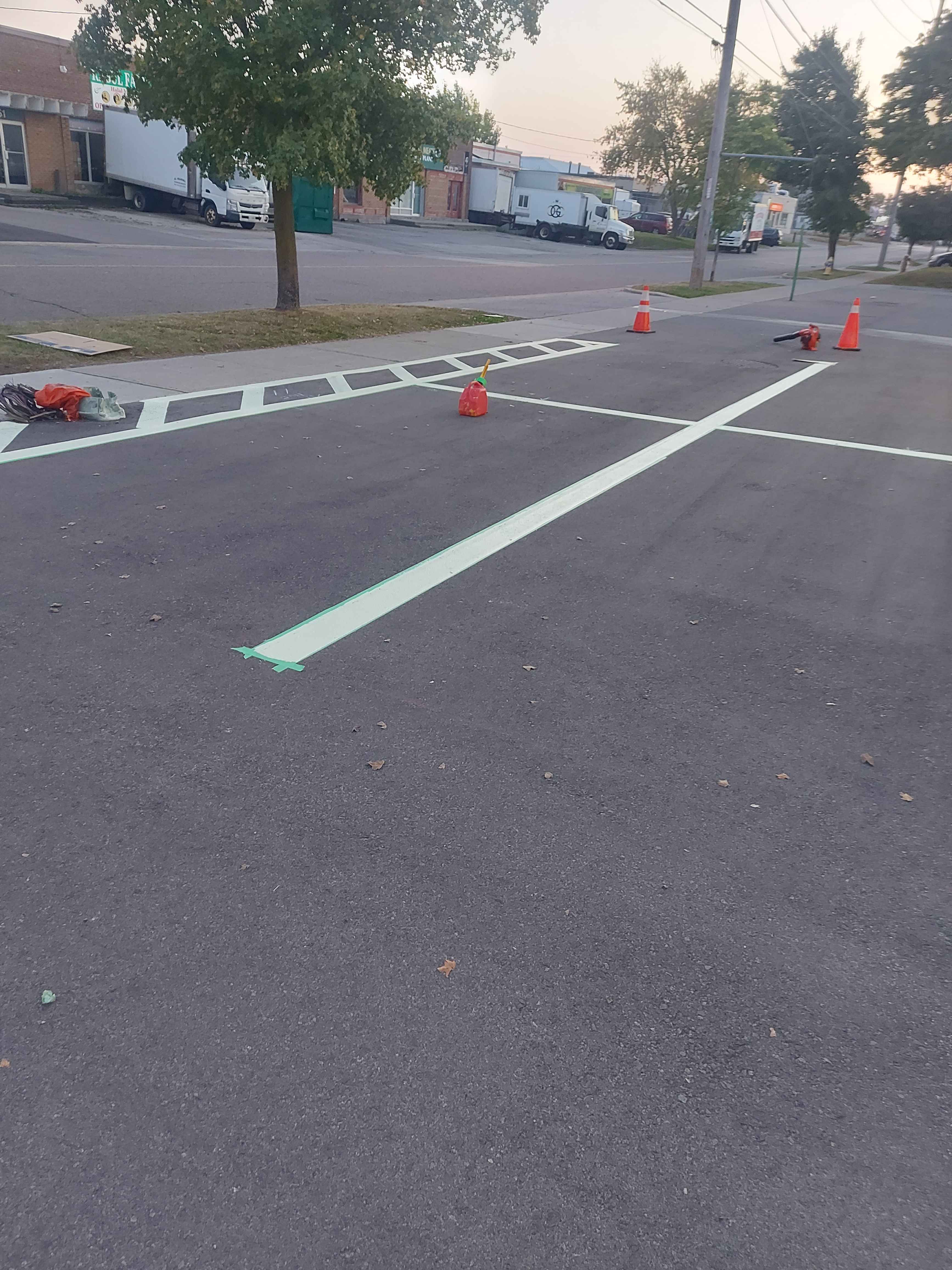
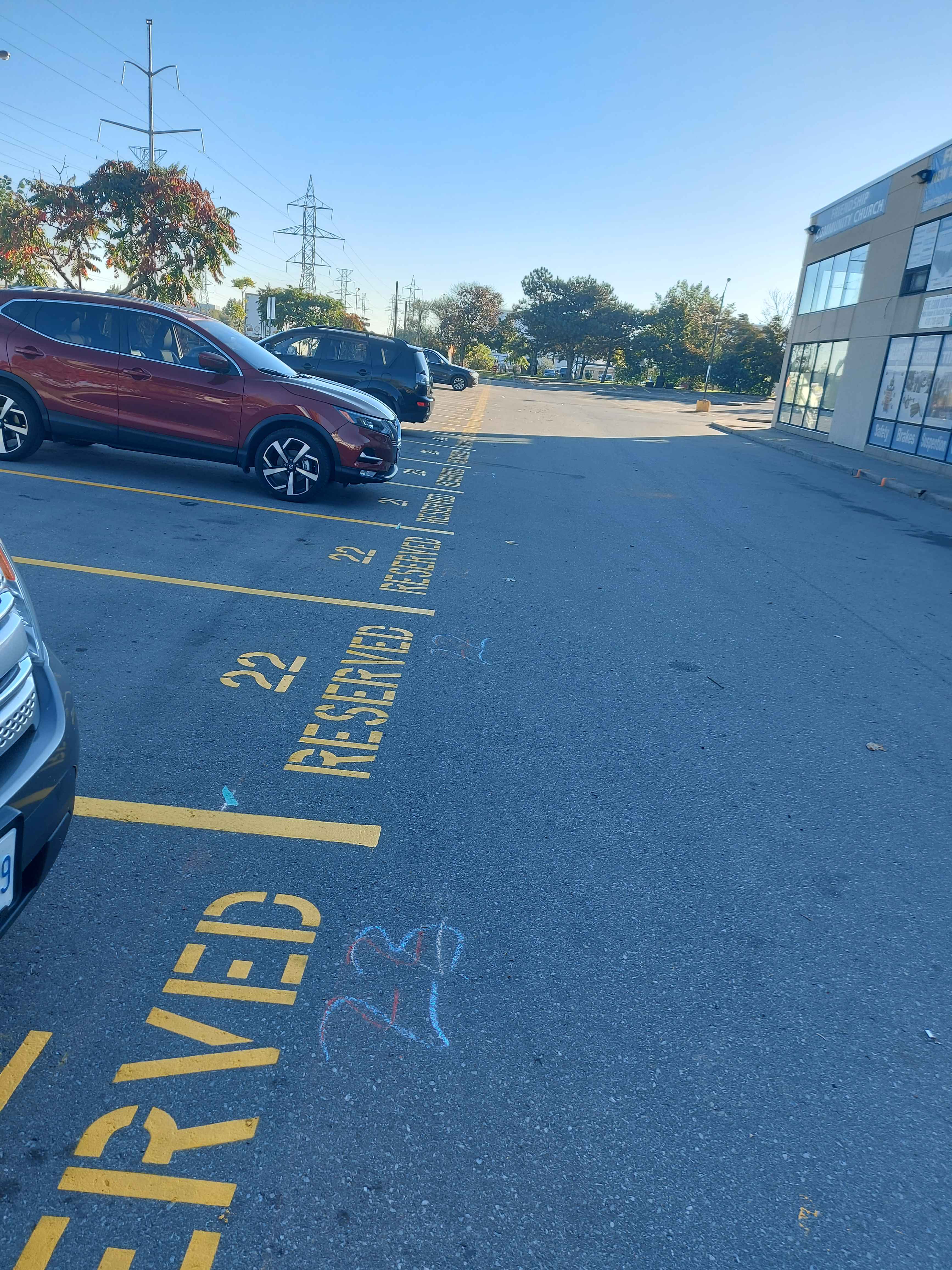
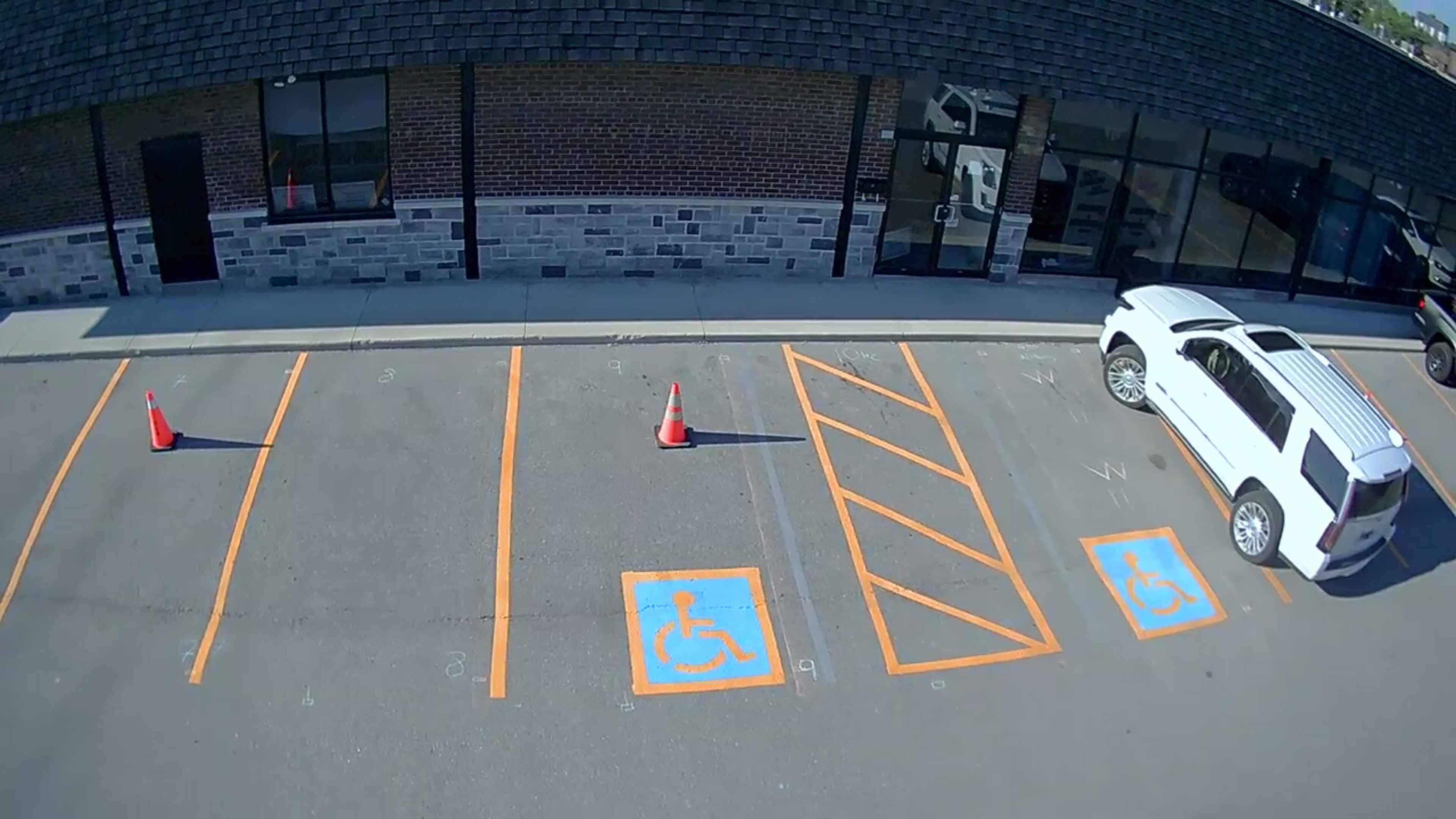
- Aesthetic & Safety Upgrades: Perform Line Marking or Line Painting to ensure traffic flow and compliance.
Common Maintenance Mistakes to Avoid
Many property managers attempt to save time by skipping steps, but this often results in wasted resources. Capital Parking Lot Line Painting has observed several recurring mistakes in the industry:
- Filling cracks that are too wide: If a crack is too wide for standard crackfiller, it likely requires a patch.
- Ignoring "Alligator Cracking": This is a sign of base failure. Filling these cracks is a temporary fix that will fail within weeks.
- Neglecting Line Marking: While it seems cosmetic, clear Line Painting is essential for safety and directing traffic away from newly repaired areas.
- Applying sealant over wet cracks: Moisture trapped under the sealant will cause it to pop out during the next freeze.
Why Professional Expertise Matters
Asphalt is a complex material that reacts to temperature, weight, and moisture. Professionals like Capital Parking Lot Line Painting bring the specialized equipment necessary to ensure that patches are compacted correctly and that crackfillers bond deeply with the existing pavement.
When you invest in the correct order of operations, you aren't just fixing a surface; you are extending the life of your entire investment. Proper maintenance ensures that your parking lot remains safe for customers and visually appealing for your business.
Ready to restore your pavement?
Don't wait for the potholes to become a liability. Contact the experts to assess your lot and create a maintenance plan tailored to your needs.