Crackfilling vs. Patching: Which Should You Do First?
Understanding the hierarchy of asphalt maintenance is the key to preventing total pavement failure and saving your property from premature deterioration.
If you own a commercial property or manage a large residential complex, you have likely noticed the inevitable signs of wear and tear on your asphalt surfaces. From tiny hairline fractures to gaping potholes that threaten vehicle tires, asphalt degradation is a constant battle. One of the most frequent questions we receive at Capital Parking Lot Line Painting is: "Do I need to fill the cracks first, or should I focus on patching the holes?"
While it might seem like both tasks are equally urgent, there is a specific strategic order that property managers in St. Catharines should follow to maximize the lifespan of their investment. Getting this sequence wrong can lead to wasted resources and a surface that continues to crumble despite your best efforts.
Defining the Terms: Crackfilling vs. Patching
Before we dive into the "when," we must understand the "what." These two processes serve very different purposes in the lifecycle of an asphalt surface.
What is Crackfilling?
Crackfilling is a preventative maintenance technique. It involves cleaning out existing cracks in the asphalt and filling them with a specialized, flexible rubberized sealant. This sealant acts as a waterproof barrier, preventing water from seeping into the sub-base of your parking lot. In a climate like Ontario's, where freeze-thaw cycles are brutal, this step is vital to stop water from expanding beneath the surface and causing upheaval.
What is Asphalt Patching?
Patching is a corrective maintenance technique. Patching is used when the damage has already progressed beyond a simple crack and has become a pothole or a significant area of structural failure. This involves removing the failed asphalt, preparing the base, and installing new hot or cold mix asphalt to restore the surface integrity. If crackfilling is about prevention, patching is about repair.
The Golden Rule: Patch First, Crackfill Second
The short answer to our main question is: You should always perform patching before crackfilling.
Imagine you have a large pothole in the middle of a crack network. If you attempt to crackfill the area first, you are essentially trying to seal a broken vessel. The movement and instability caused by the pothole will likely cause your new crack sealant to pull away or fail almost immediately. Furthermore, you would be wasting expensive sealant on an area that actually requires a structural asphalt replacement.
At Capital Parking Lot Line Painting, we recommend a systematic approach to ensure your maintenance budget is used effectively. By addressing the deep structural issues (patching) first, you create a stable, level surface. Once the structural integrity is restored, you can then proceed to seal the remaining cracks to protect that new work and the surrounding old asphalt.
Why Sequence Matters: The Risks of Improper Maintenance
Skipping the proper order or neglecting these services altogether can lead to a rapid decline in your property's appearance and safety. For businesses in St. Catharines, a well-maintained lot is a sign of professionalism and care.
Common Mistakes to Avoid:
- Filling cracks over potholes: This leads to immediate sealant failure and wasted material.
- Ignoring small cracks: Small cracks are the precursors to large potholes. Delaying crackfilling increases the need for expensive patching later.
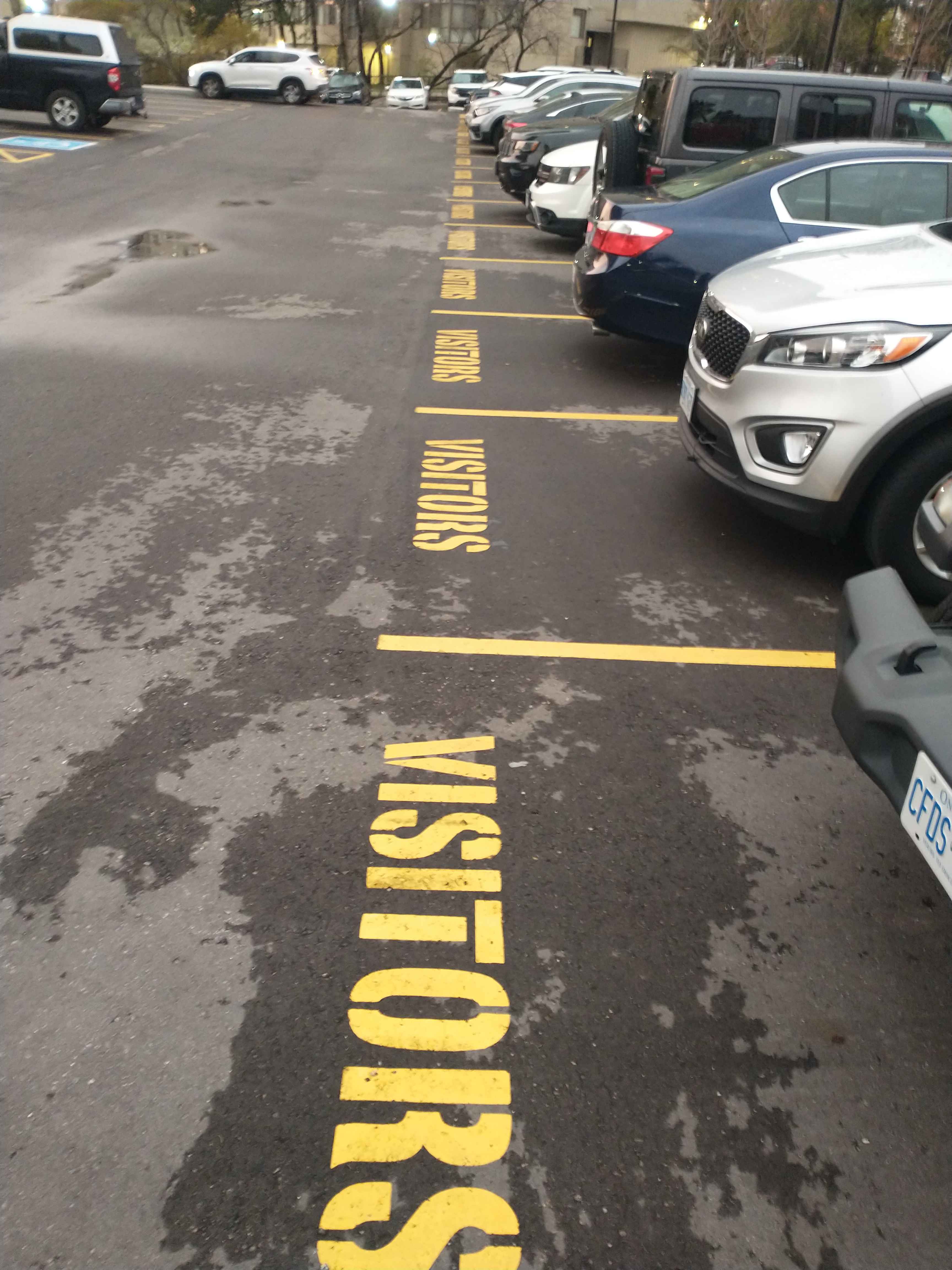
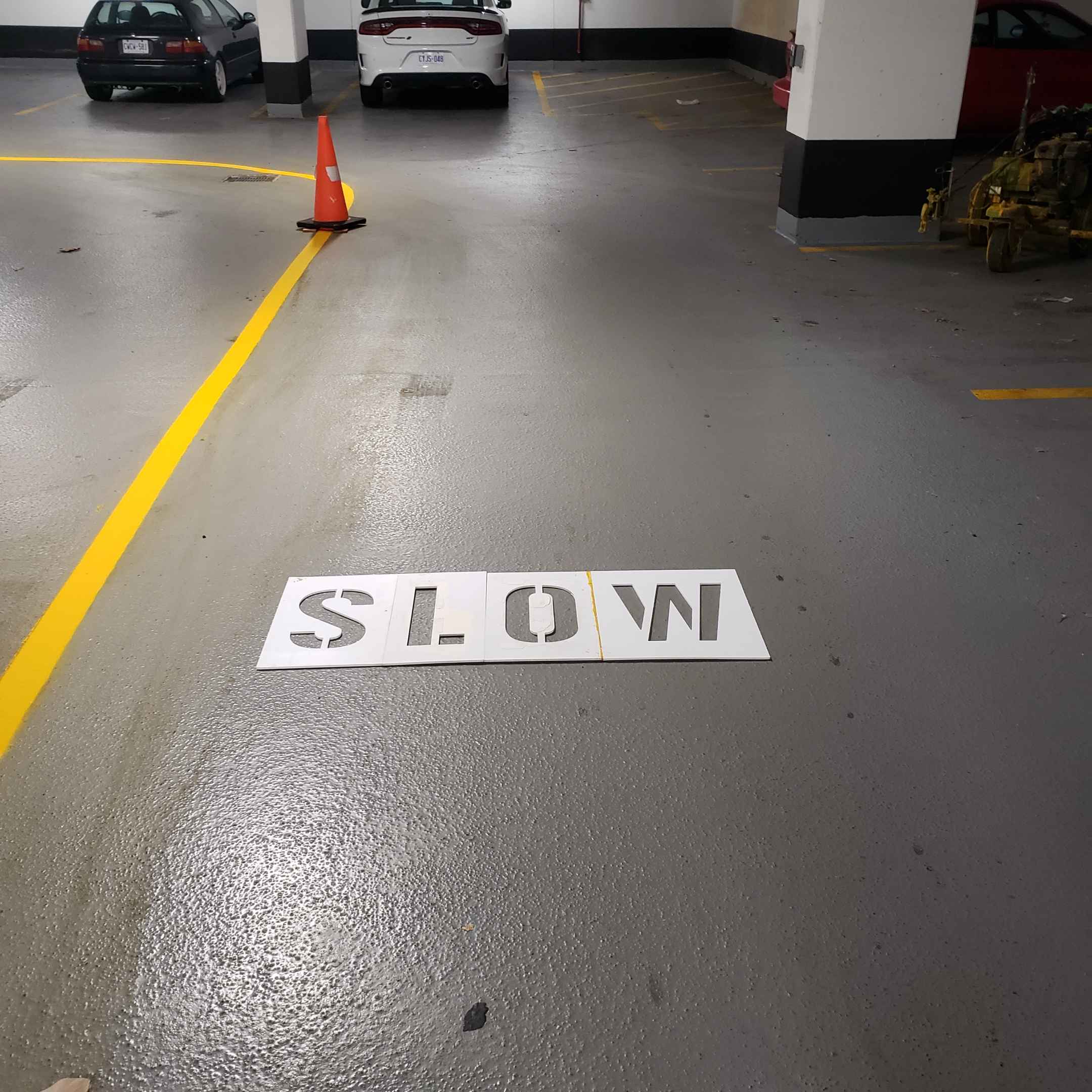
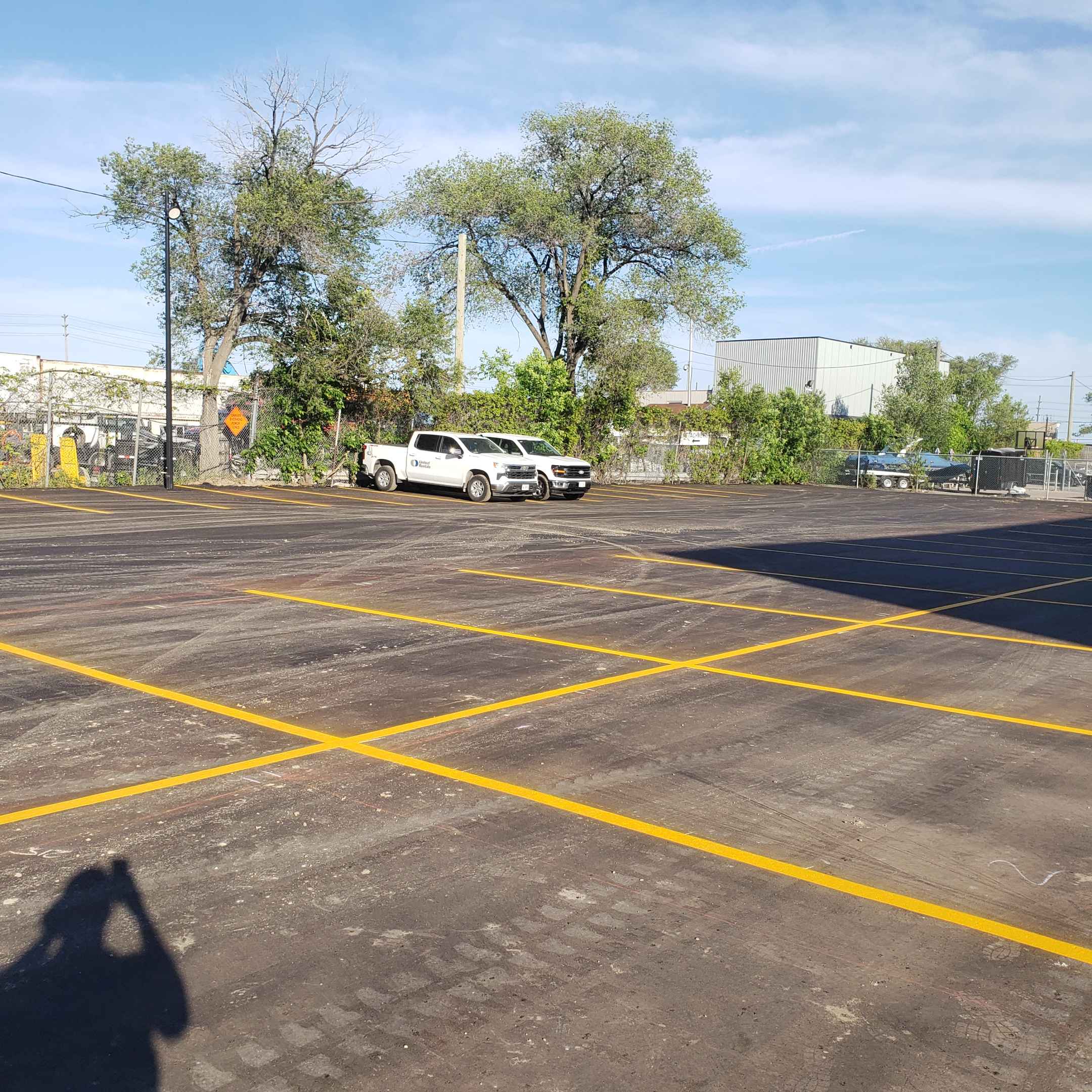
- Neglecting Line Marking: Once repairs are complete, failing to refresh your Line Marking can lead to traffic confusion and safety hazards.
- Applying sealant to dirty cracks: If the crack isn't cleaned of debris, the sealant won't bond, rendering the repair useless.
A Comprehensive Maintenance Checklist
To keep your parking lot in peak condition, consider this ideal workflow:
- Inspection: Conduct a thorough walk-through to identify potholes, cracks, and faded markings.
- Patching: Repair all potholes and structural depressions to level the surface.
- Crackfilling: Seal all cracks to prevent water infiltration into the base.
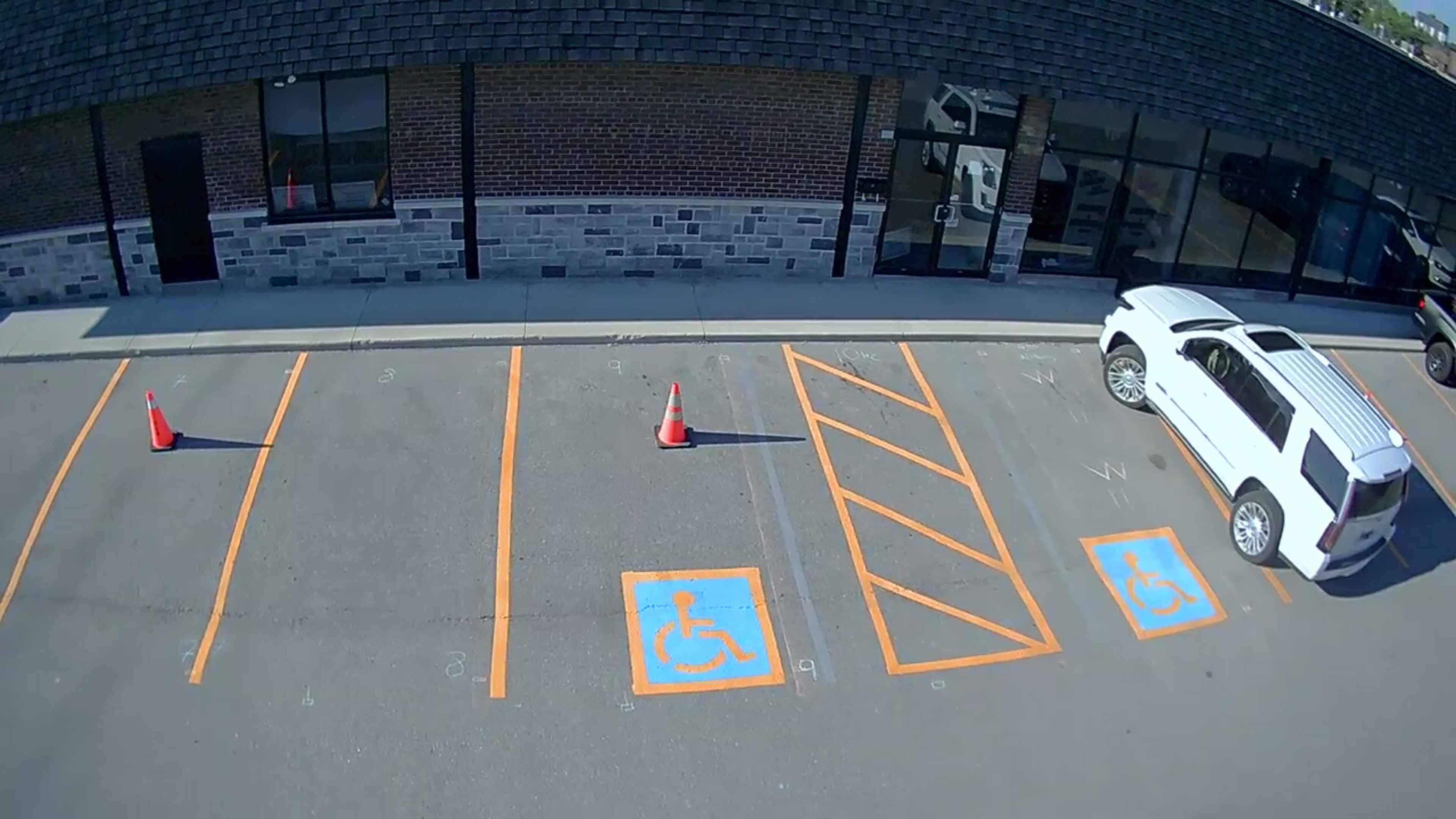
- Line Marking: Apply fresh Line Painting to ensure clear parking stalls, ADA compliance, and traffic flow.
- Sealcoating: (Optional but recommended) Apply a protective coating over the entire surface to extend life.
Conclusion
Maintaining an asphalt surface is not just about aesthetics; it is about protecting your property's foundation. By prioritizing patching to fix structural issues and following up with crackfilling to prevent water damage, you ensure a much longer lifespan for your pavement. If you are unsure where your parking lot stands, the experts at Capital Parking Lot Line Painting are here to help you develop a maintenance plan that works.
Ready to restore your lot?
Don't wait for a small crack to become a massive pothole. Contact our professional team today to schedule an inspection and ensure your parking lot remains safe and functional for years to come.