How to Design Parking Lot Layouts That Maximize Capacity
Mastering the art of spatial efficiency to turn every square foot into a functional asset.
For property owners and developers, a parking lot is more than just a slab of asphalt; it is the first impression of a business and a critical component of operational efficiency. Whether you are managing a retail complex in Burlington or a large industrial site, the way you organize your space directly impacts customer satisfaction and revenue potential. A poorly designed lot leads to congestion, frustrated drivers, and wasted real estate.
Maximizing capacity isn't just about cramming more cars into a space. It is about finding the perfect balance between the number of stalls, the ease of maneuverability, and the safety of pedestrians. To achieve this, professional guidance from experts like Capital Parking Lot Line Painting is essential to ensure that your design translates perfectly from paper to pavement.
Understanding Stall Angles: The Key to Efficiency
One of the most significant decisions in parking lot design is choosing the angle of the parking stalls. This choice dictates how much space is required for aisles and how easily vehicles can enter and exit their spots.
1. 90-Degree Parking (Perpendicular)
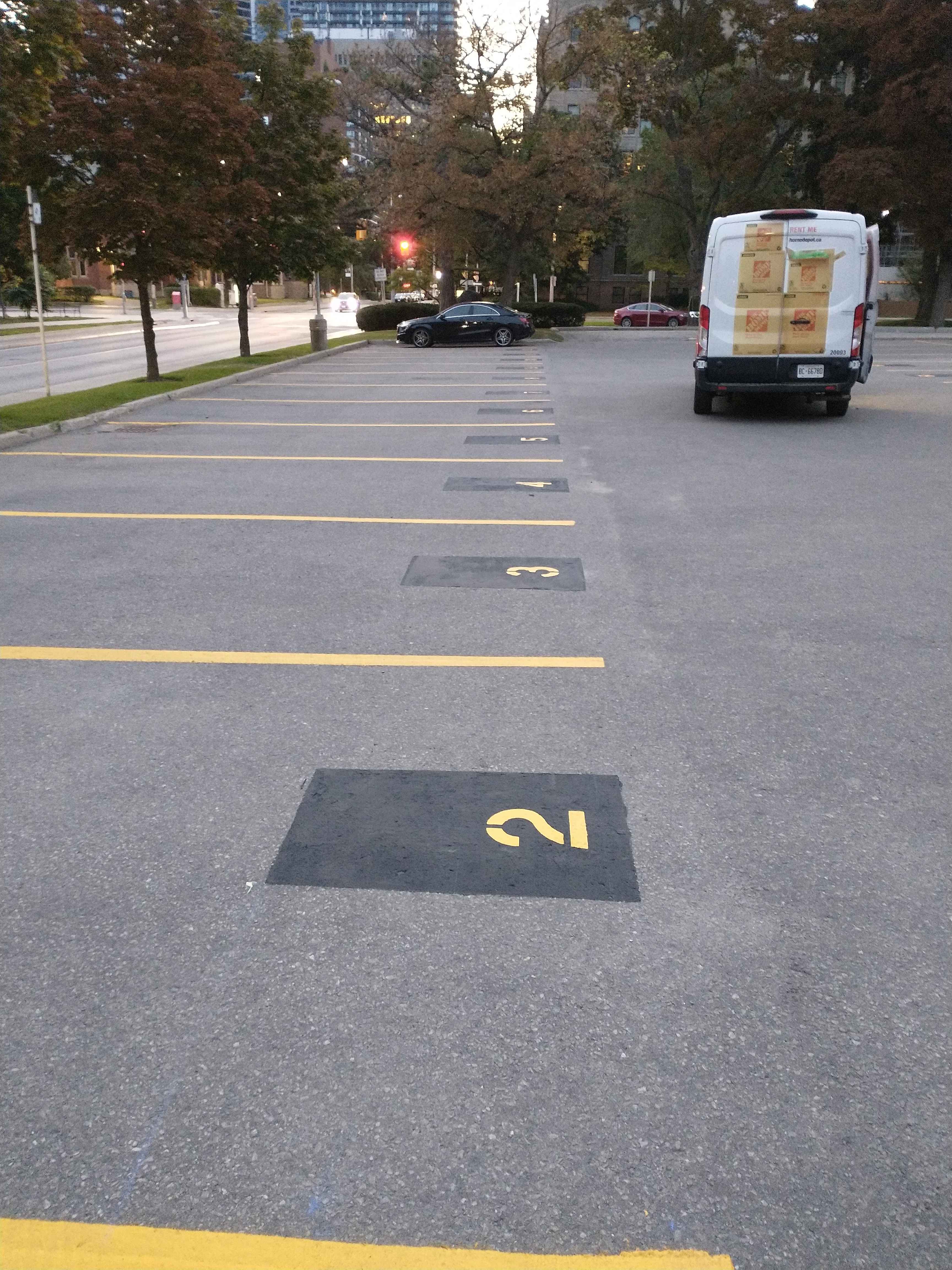
Perpendicular parking is the gold standard for maximizing the absolute number of vehicles in a rectangular area. Because the cars are parked at a right angle to the driving aisle, you can fit more rows into a given space. However, this requires wider aisles to allow for the turning radius needed to enter the spot. This is often the preferred choice for large shopping centers in high-traffic areas like Burlington.
2. Angled Parking (45 to 60 Degrees)
Angled parking is often superior for smaller lots or one-way driving aisles. While you might fit fewer cars per row compared to 90-degree layouts, the aisles can be significantly narrower. This often results in a net gain of space in tighter, more constrained environments. Additionally, angled parking is generally easier for drivers to navigate, reducing the likelihood of minor collisions.
The Importance of Precise Line Marking
Even the most brilliant architectural layout will fail if the execution on the ground is sloppy. This is where professional Line Marking becomes the backbone of your facility's organization. Clear, crisp, and accurately placed lines guide drivers into their intended spaces, preventing them from taking up two spots at once.
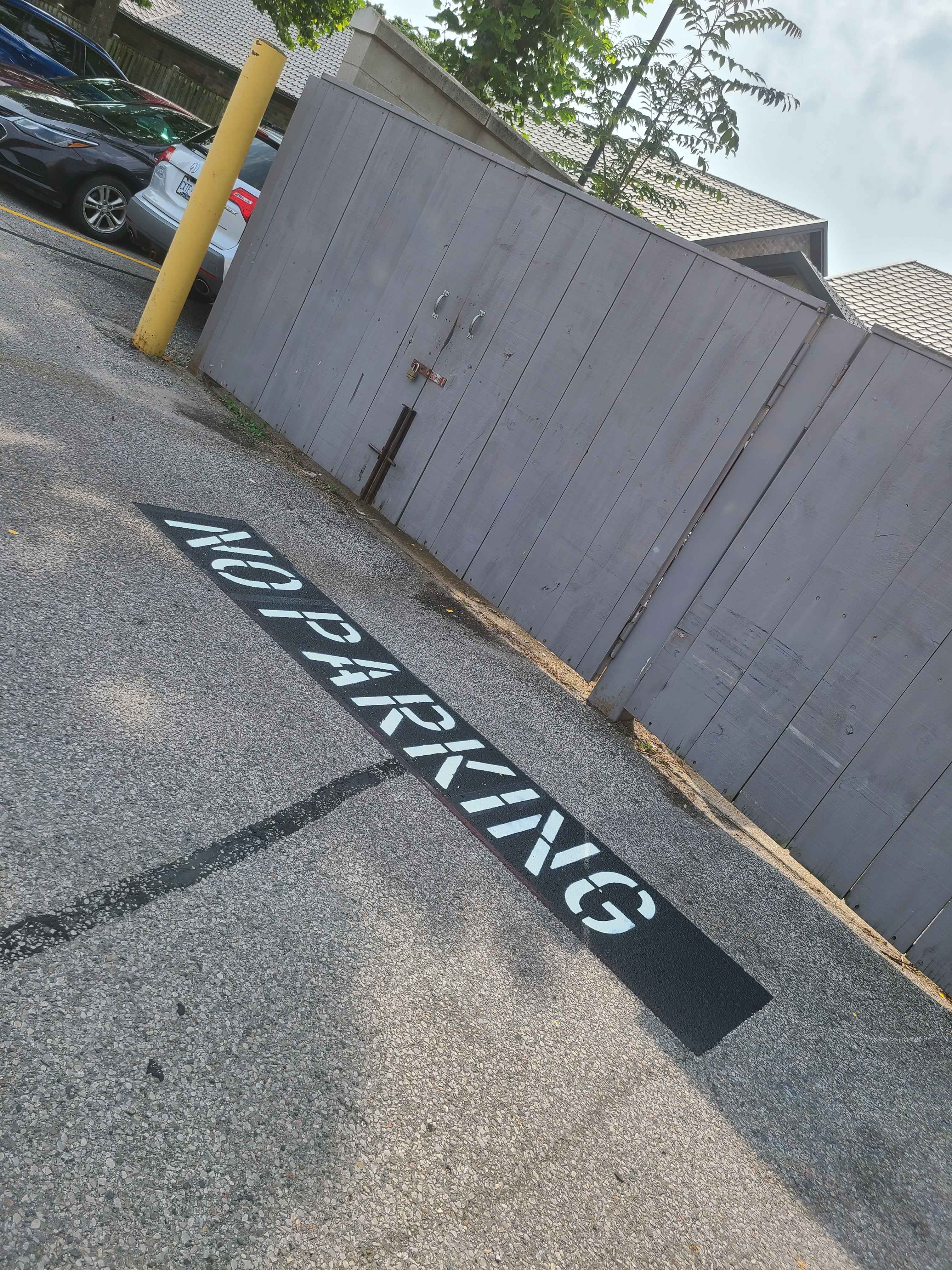
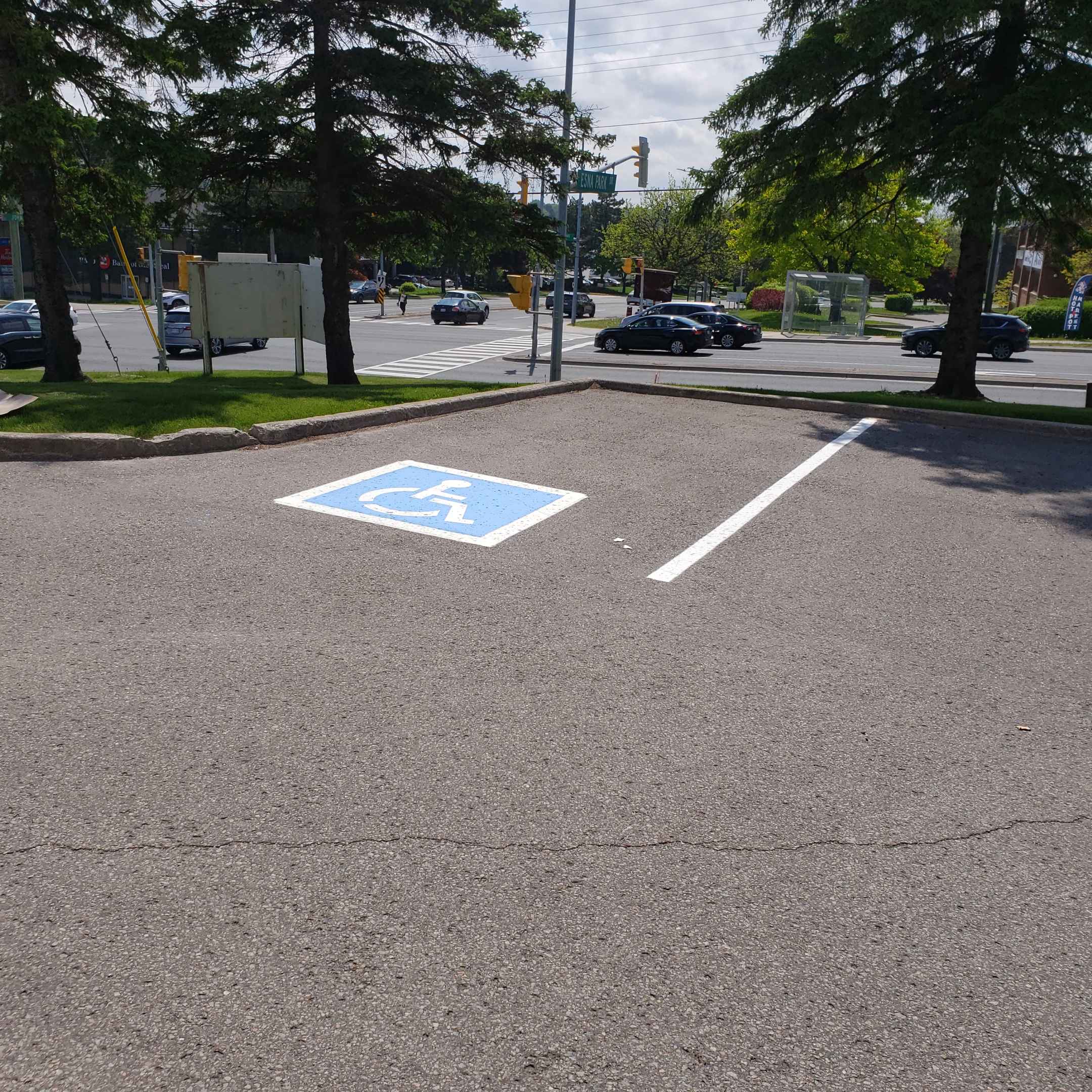
When Capital Parking Lot Line Painting executes a project, we don't just follow a pattern; we ensure that every measurement aligns with the intended capacity goals. High-visibility Line Painting ensures that handicap stalls, loading zones, and fire lanes are unmistakable, which is vital for both legal compliance and safety.
Common Mistakes That Kill Capacity
Many property managers inadvertently lose space through design oversights. Avoid these common pitfalls:
- Ignoring Turning Radii: Designing aisles that are too narrow for the vehicles expected to use them, leading to drivers hitting curbs or other cars.
- Inconsistent Stall Widths: Failing to standardize stall sizes, which creates "dead zones" of unusable asphalt.
- Poor Pedestrian Integration: Not allocating space for safe walking paths, which forces pedestrians into the driving lanes and slows down vehicle flow.
- Neglecting Maintenance: Allowing faded or cracked lines to confuse drivers, effectively reducing the usable number of spots.
Optimizing Traffic Flow and Safety
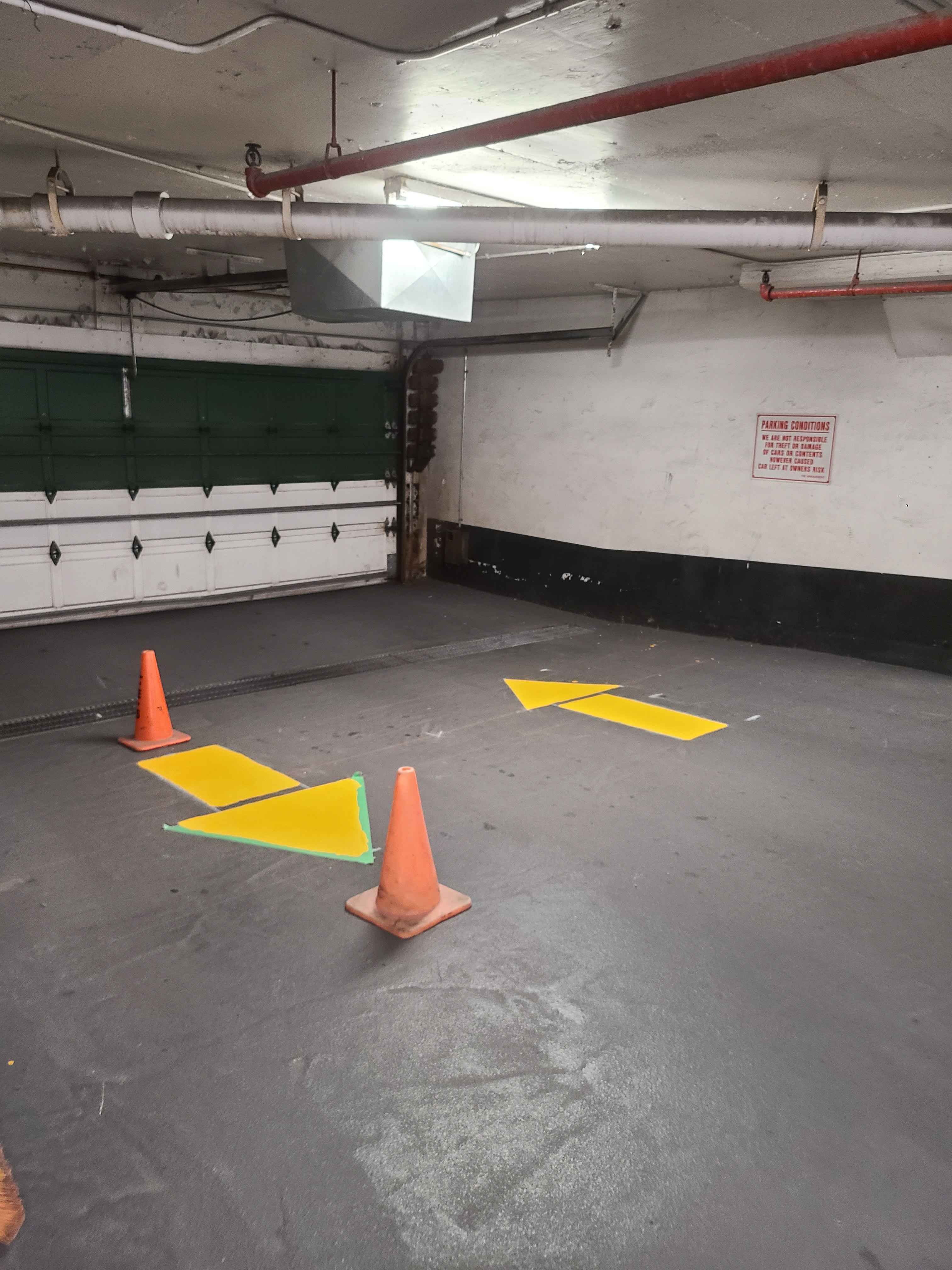
Capacity is useless if the lot is constantly gridlocked. A high-capacity lot must also have a logical flow of movement. This includes clear entry and exit points, well-defined one-way directions, and designated areas for high-turnover traffic (like pick-up/drop-off zones).
By utilizing strategic Line Marking, you can direct traffic through the lot in a way that prevents bottlenecks. For instance, using directional arrows and specialized markings for pedestrian crossings helps separate human movement from vehicular movement, increasing the overall "throughput" of the lot.
If you are looking to revitalize your existing space, Capital Parking Lot Line Painting can help audit your current layout and recommend improvements that maximize your footprint without requiring a complete reconstruction.
Ready to Maximize Your Space?
Don't let wasted asphalt be a drain on your business. Whether you need a brand-new layout design or a fresh application of professional Line Painting, our team is ready to assist. Contact us today to ensure your parking facility is efficient, safe, and high-capacity.