The Environmental Impact of Sealcoating Done Right
While often viewed solely through the lens of aesthetics and asset protection, professional sealcoating plays a critical role in the environmental stewardship of our urban infrastructure.
Understanding the Lifecycle of Asphalt
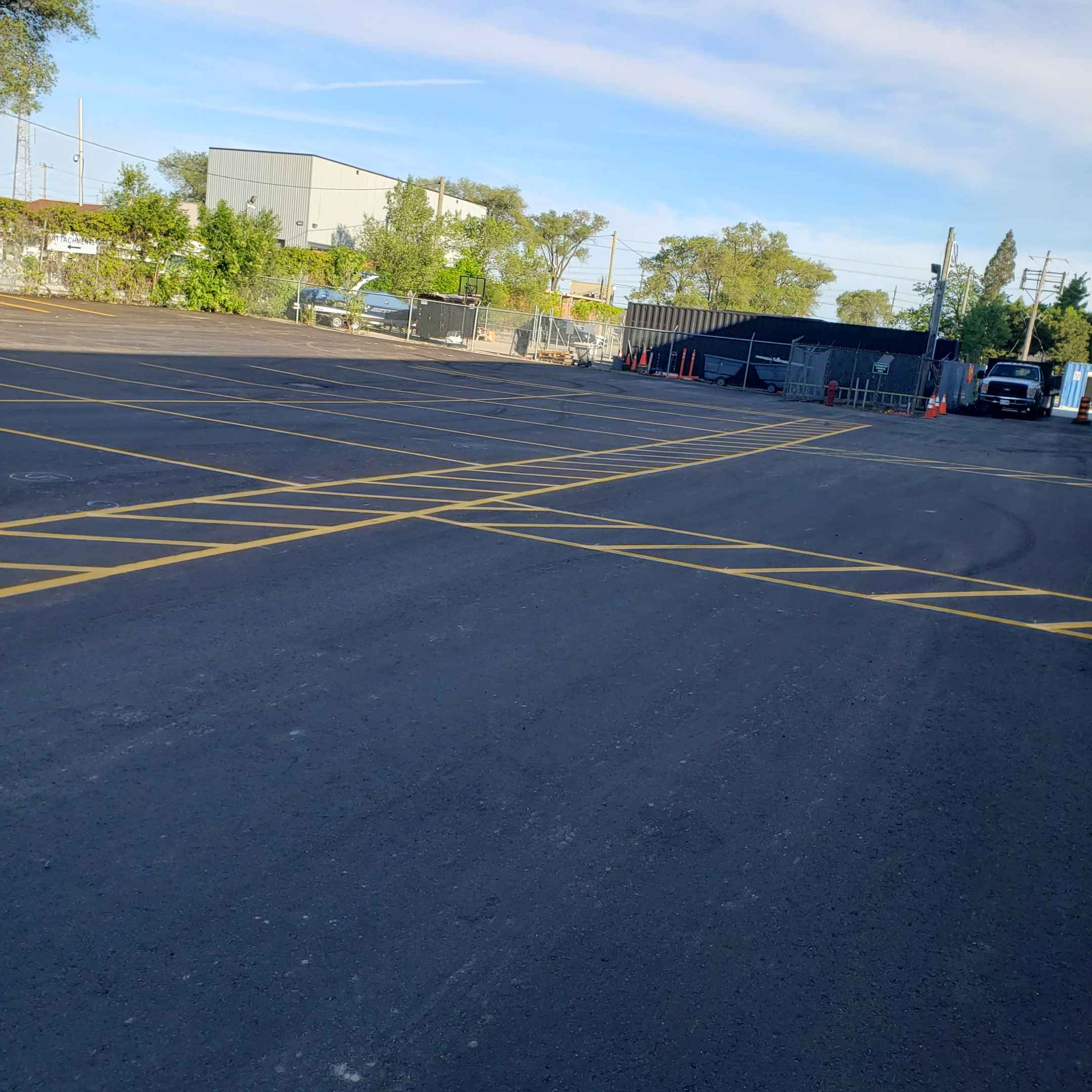
Asphalt is a vital component of modern infrastructure, especially in a growing industrial and residential hub like Hamilton. However, asphalt is susceptible to the elements. UV rays, water penetration, and oxidation can cause asphalt to crack and degrade prematurely. When asphalt fails, the environmental consequences are significant.
The production of new asphalt is an energy-intensive process involving high temperatures and heavy machinery. By implementing a proactive maintenance schedule with Capital Parking Lot Line Painting, property owners can significantly extend the life of their existing surfaces, thereby reducing the frequency of full-scale repaving projects and the carbon footprint associated with them.
How Proper Sealcoating Protects the Ecosystem
Sealcoating serves as a sacrificial barrier. It is a thin layer applied to the surface that takes the brunt of environmental wear and tear so the underlying asphalt doesn't have to. When done correctly, this process offers several environmental advantages:
- Reduction in Runoff: Well-maintained, sealed asphalt prevents water from seeping into the sub-base, which helps maintain the structural integrity of the ground and reduces uncontrolled water runoff.
- Prevention of Oil Seepage: Sealcoating helps prevent automotive fluids, such as oil and gasoline, from penetrating the asphalt pores and leaching into the surrounding soil.
- Resource Conservation: By delaying the need for complete resurfacing, we conserve the raw materials required for new asphalt production.
- Mitigation of Oxidation: High-quality sealants protect against UV degradation, keeping the bitumen flexible and preventing the brittle cracking that leads to debris.
The Role of Precision Line Marking
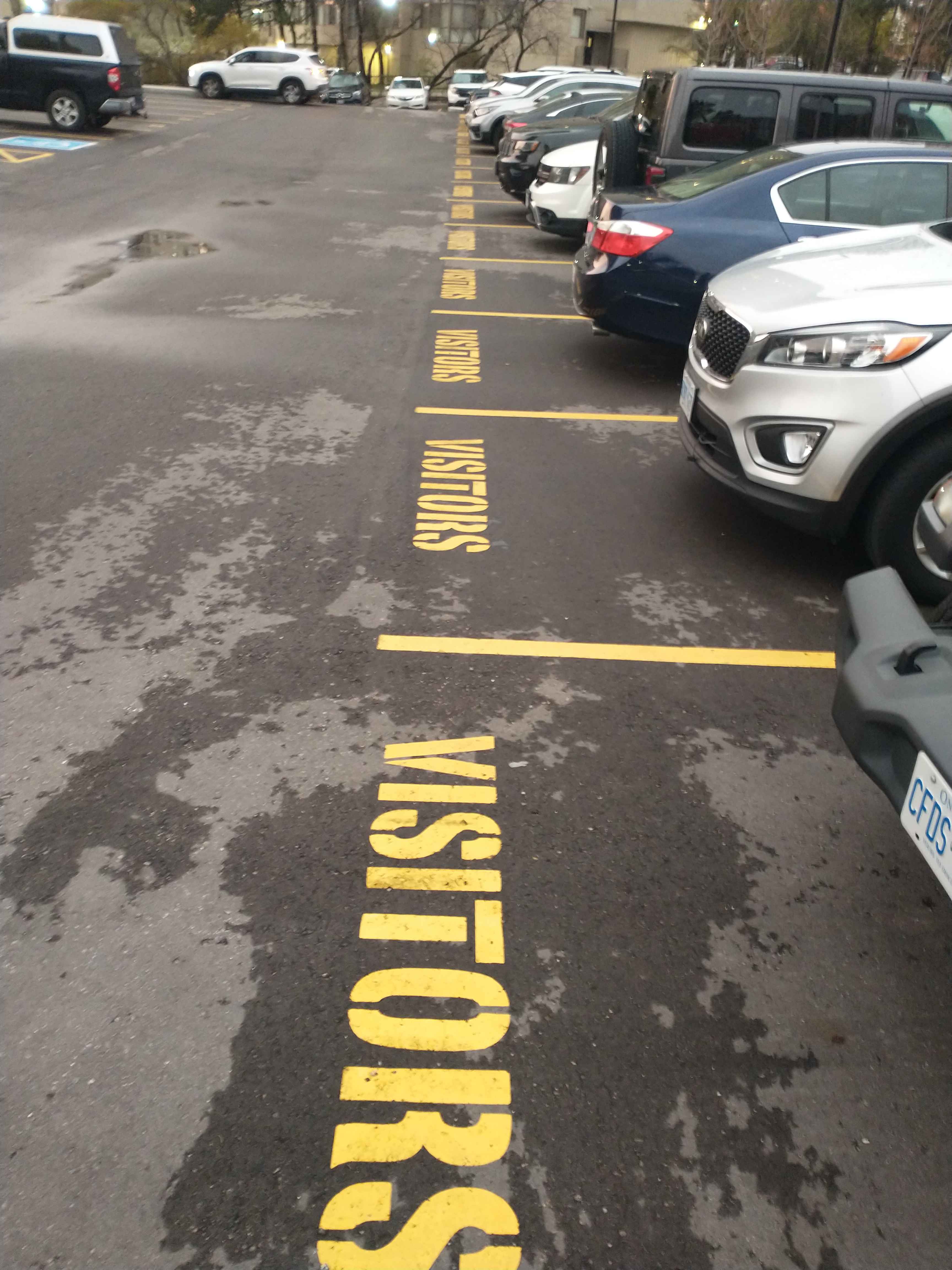
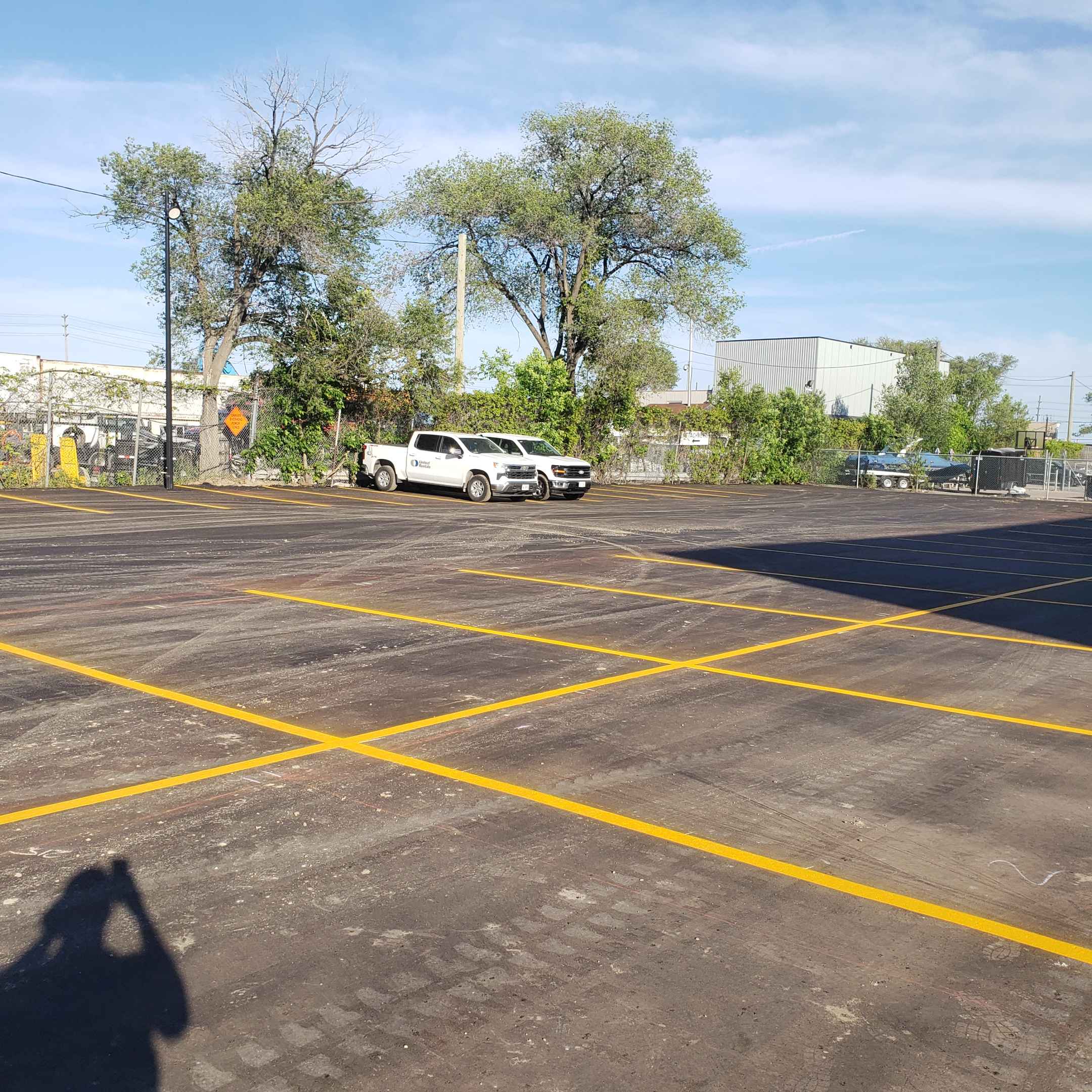
Beyond the surface protection of sealcoating, the visual organization of a parking lot is essential for safety and efficiency. At Capital Parking Lot Line Painting, we recognize that line marking is more than just paint on the ground; it is a tool for managing traffic flow and reducing idling times.
When parking lots are clearly marked with precise line painting, drivers can navigate spaces more efficiently. This reduces the time vehicles spend searching for spots, which directly lowers localized emissions. In a top 30 city like Hamilton, where traffic density can be high, optimized parking lot layouts contribute to smoother urban movement.
Best Practices for Eco-Friendly Maintenance
Not all sealcoating is created equal. To ensure that maintenance remains a net positive for the environment, certain standards must be met. Capital Parking Lot Line Painting adheres to industry best practices to minimize environmental disruption.
Material Selection
Using high-quality, durable sealants that require less frequent application.
Proper Application
Ensuring even coverage to prevent waste and excess chemical runoff.
Site Preparation
Thorough cleaning to ensure the sealant adheres perfectly without needing excess product.
Conclusion: A Sustainable Choice
Investing in professional sealcoating and high-visibility line painting is a decision that benefits both your bottom line and the planet. By extending the lifespan of your pavement, you are actively participating in a circular economy of maintenance rather than a cycle of replacement.
Trust the experts at Capital Parking Lot Line Painting to handle your asphalt needs with precision, professionalism, and a commitment to quality that respects both your property and the environment.