How Often Should Temporary Construction Zones Be Repainted?
Ensuring safety in high-traffic construction areas requires more than just cones and barriers; it requires clear, visible guidance for drivers.
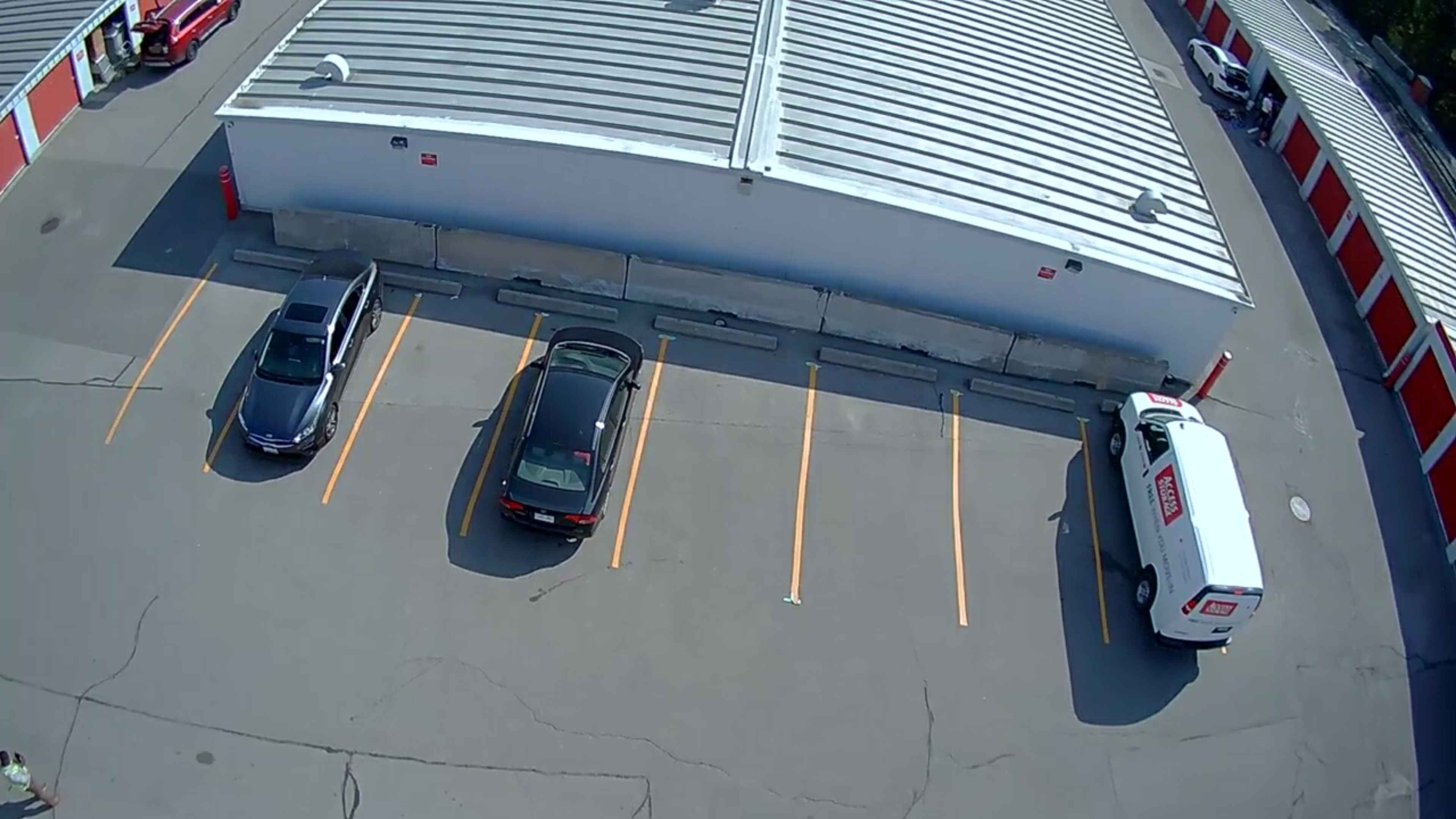
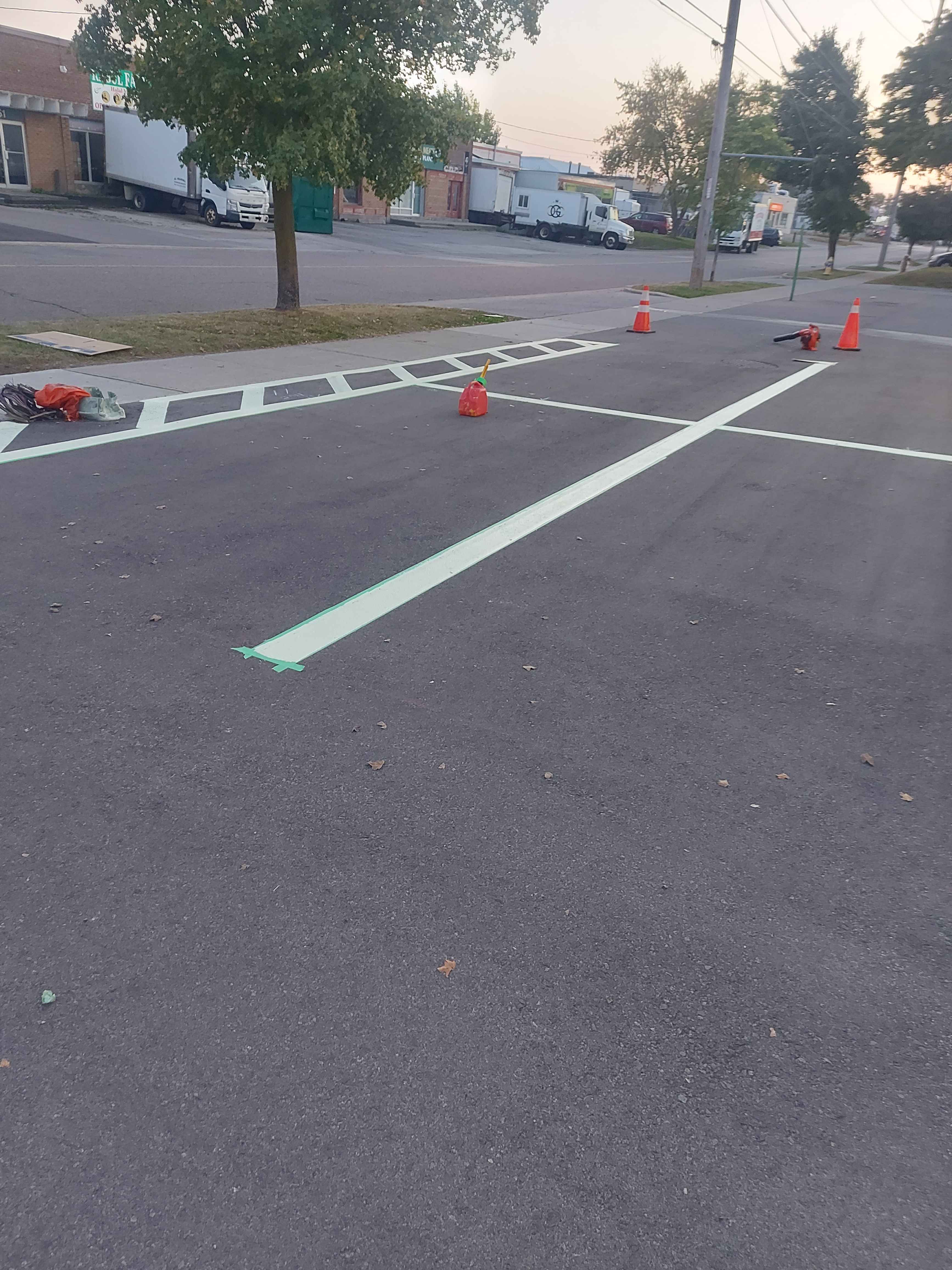
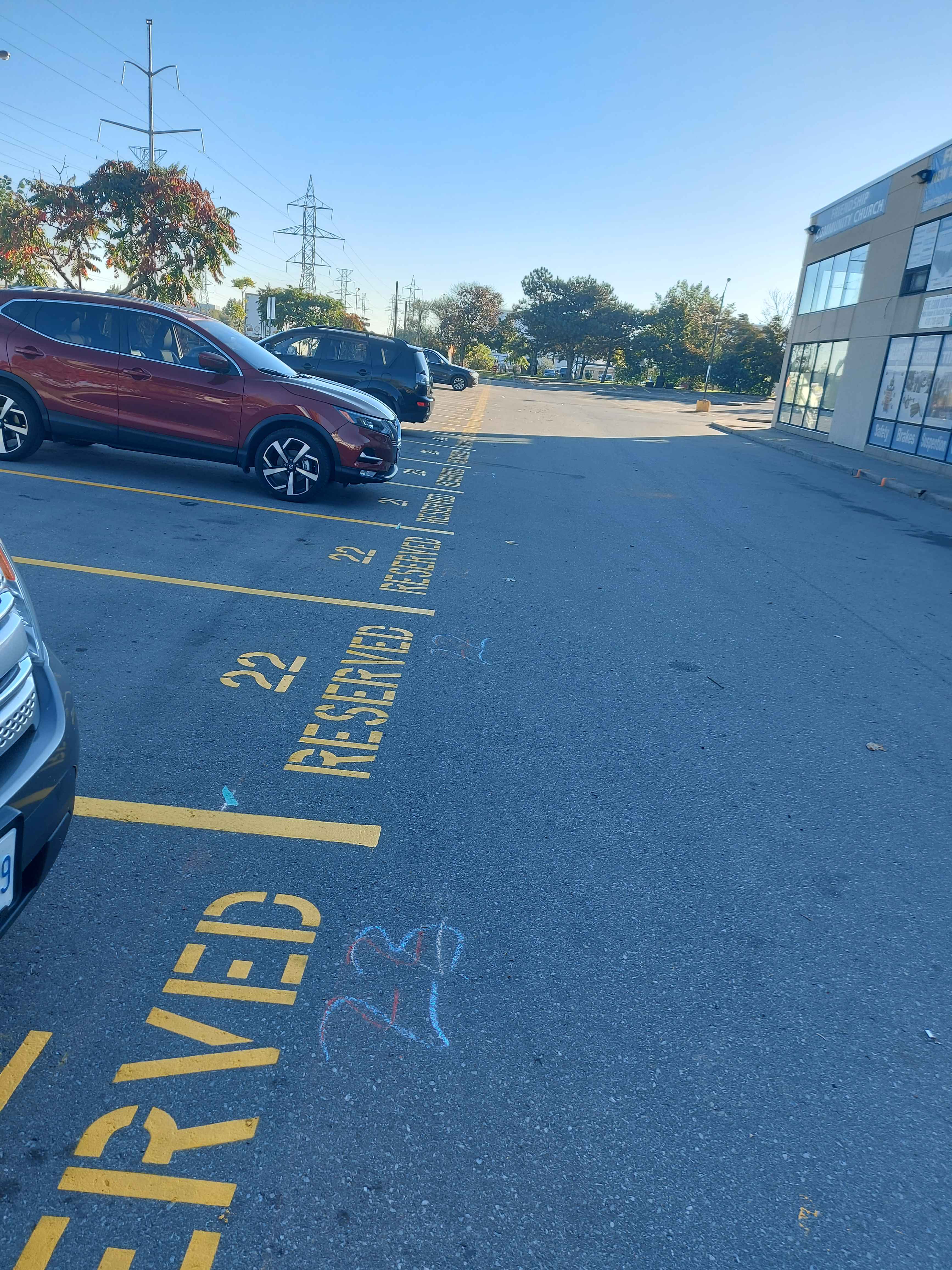
In the fast-paced urban environments of major hubs like Hamilton, construction projects are a constant fixture of the landscape. While these projects are essential for infrastructure growth, they introduce significant variables into traffic flow. One of the most overlooked aspects of managing these zones is the maintenance of temporary markings. When temporary lane shifts, detours, or buffer zones are established, the clarity of the line marking determines whether a driver navigates the hazard smoothly or reacts with dangerous sudden movements.
At Capital Parking Lot Line Painting, we understand that temporary markings face much harsher conditions than permanent ones. Because they are often applied to uneven surfaces or near active heavy machinery, their lifespan is significantly shorter. This leads to a critical question for project managers: How often should these zones be repainted?
Factors Influencing Repainting Frequency
There is no "one-size-fits-all" answer to how often line marking should be refreshed. The frequency is dictated by a combination of environmental, mechanical, and temporal factors.
1. Traffic Volume and Weight
The more vehicles that pass through a temporary zone, the faster the pigment wears away. In a top 30 city like Hamilton, where heavy commercial vehicles and transit buses are frequent, the sheer weight and friction of tires will accelerate the degradation of temporary paint. High-volume zones may require inspection every few weeks, whereas low-traffic side streets might last months.
2. Environmental Exposure
Weather is a primary antagonist to effective line marking. Rain, snow, and the subsequent use of road salt in Ontario can quickly erode temporary coatings. If a construction zone is exposed to heavy seasonal shifts, the integrity of the markings will diminish rapidly, necessitating more frequent intervention from Capital Parking Lot Line Painting professionals.
3. Surface Condition
Temporary zones are often marked on asphalt that is undergoing repair or on surfaces that are not perfectly smooth. The lack of a stable substrate means the bond between the paint and the road is weaker, leading to chipping and fading much sooner than standard permanent markings.
The Risks of Neglecting Line Marking Maintenance
Failing to refresh markings in a timely manner is not just an aesthetic issue; it is a significant liability. When markings become illegible, the following risks increase:
- Increased Accident Risk: Drivers may miss lane shifts, leading to collisions within the construction zone.
- Worker Safety Hazards: If traffic does not follow the designated paths, workers within the zone are placed in direct danger.
- Regulatory Non-Compliance: Municipalities have strict standards for road safety; faded markings can lead to project delays or fines.
- Driver Confusion: Indecision caused by poor visibility leads to erratic driving behavior.
Best Practices for Project Managers
To maintain a safe site, project managers should implement a proactive maintenance schedule rather than a reactive one. Instead of waiting for the lines to disappear entirely, schedule regular inspections. We recommend the following steps for maintaining site safety:
- Weekly Visual Audits: Conduct a walkthrough of the construction zone every week to check for fading or chipping.
- Weather-Based Scheduling: Plan for a fresh application of line marking immediately following extreme weather events like heavy storms or snow removal.
- Use High-Visibility Materials: Ensure that the initial application uses high-quality, temporary-grade materials designed for high visibility.
- Consult Professionals: Partner with experts like Capital Parking Lot Line Painting to ensure the materials used are appropriate for the specific traffic load of your site.
Conclusion
In summary, the frequency of repainting temporary construction zones depends on the intensity of use and the local climate. However, the golden rule is simple: if the markings are no longer crisp and clearly visible, they must be refreshed. Prioritizing regular line marking maintenance protects your workers, your drivers, and your project's reputation.
Quick Reference Thumbnail
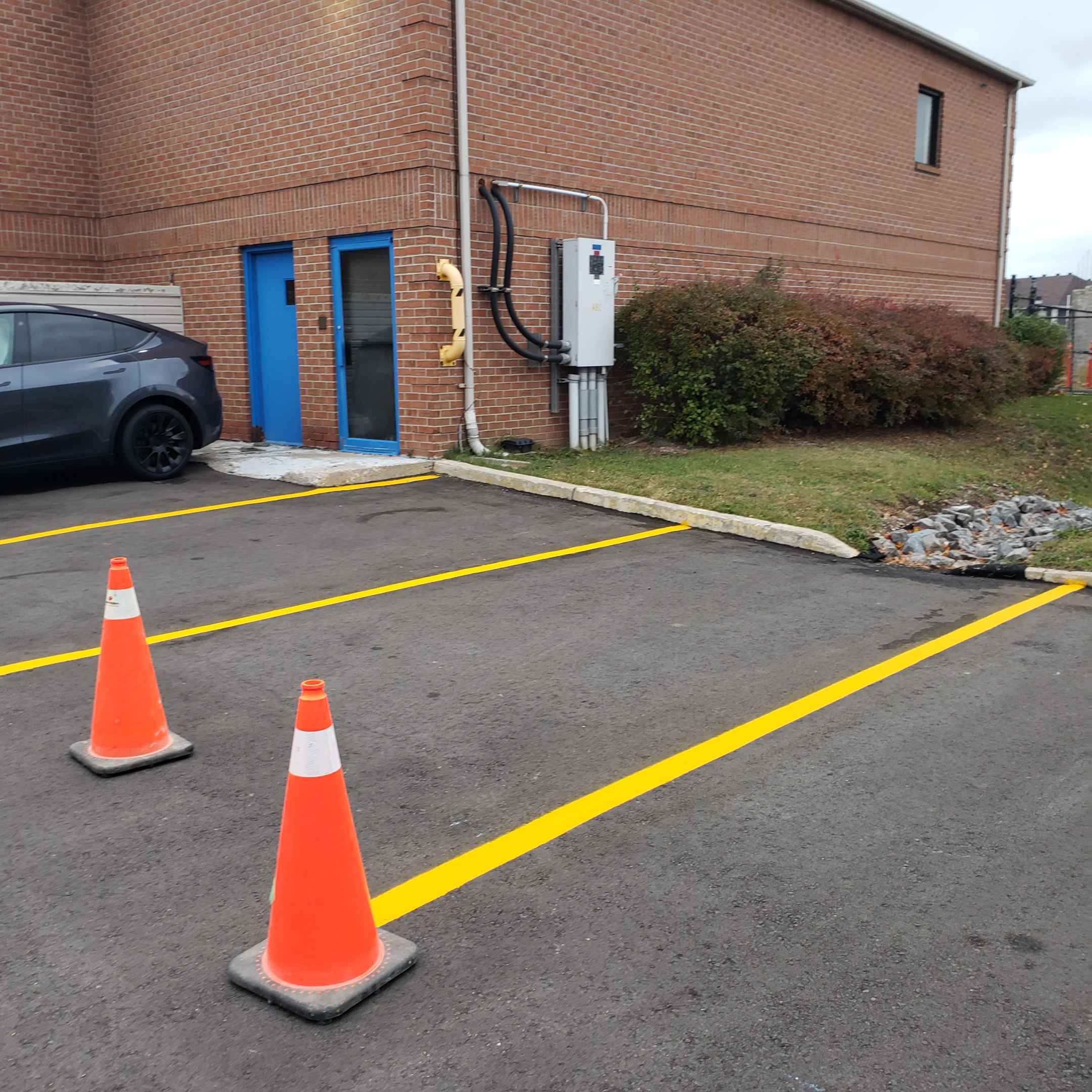
Regularly maintained markings are the backbone of construction site safety. Ensure your site stays compliant and visible with professional line marking services.