How Often Should Temporary Construction Zones Be Repainted?
Ensuring visibility and safety in high-traffic construction areas requires more than just temporary barriers; it requires clear, well-maintained markings.
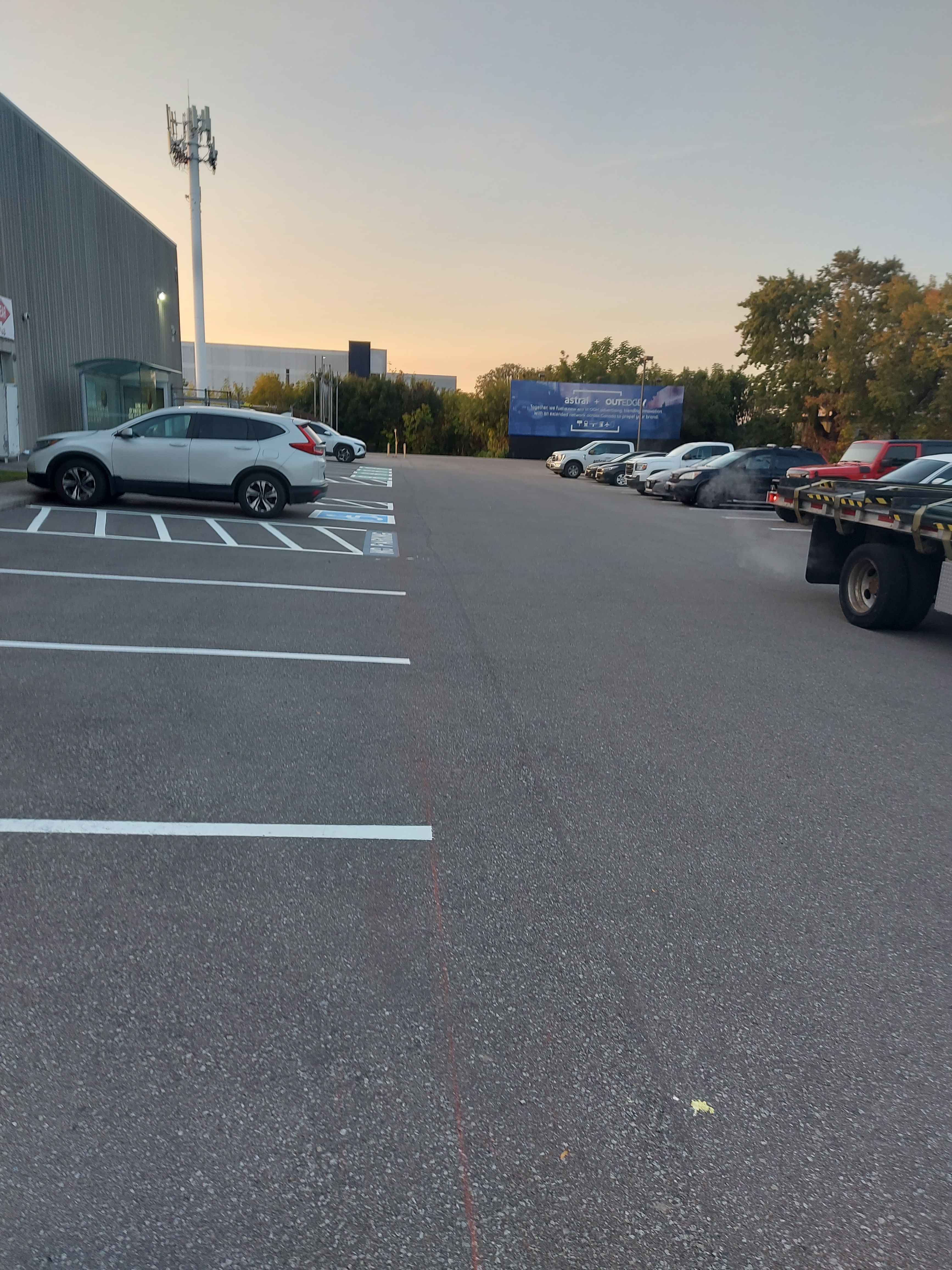
In the fast-paced world of urban development, temporary construction zones are a constant presence. Whether it is a road repair project or a new commercial building development, these zones introduce significant variables into traffic patterns. One of the most overlooked aspects of managing these sites is the maintenance of visual cues. When line marking begins to fade, the risk of accidents increases, and the efficiency of the construction site decreases.
For professionals managing projects in a busy hub like Windsor, keeping up with these changes is not just a matter of aesthetics; it is a matter of legal compliance and public safety. This is where the expertise of Capital Parking Lot Line Painting becomes invaluable, ensuring that every temporary lane and detour is clearly defined.
The Role of Line Marking in Construction Safety
Temporary construction zones are, by definition, fluid. Paths change, lanes shift, and pedestrian walkways are often rerouted. Line marking serves as the silent conductor of this chaos, guiding drivers and workers through potentially hazardous environments. Without crisp, bright lines, the margin for error narrows significantly.
Why Visibility Matters
High-visibility markings provide immediate psychological cues to drivers. When a driver sees a clear, painted boundary, they are more likely to adhere to speed limits and stay within designated lanes. In contrast, faded or smeared markings can lead to hesitation, sudden braking, or lane drifting—all of which are recipe for disaster in a construction zone.
Factors That Determine Repainting Frequency
There is no "one-size-fits-all" answer to how often a zone should be repainted. However, several key variables influence the lifespan of your line painting. Understanding these can help project managers in Windsor and surrounding areas plan their maintenance schedules more effectively.
- Traffic Volume: High-density areas with heavy truck traffic will wear down paint significantly faster than low-traffic zones.
- Weather Conditions: Extreme temperature fluctuations, heavy rain, and snow removal activities can strip paint from the asphalt.
- Paint Quality: The type of material used during the initial application dictates how long it will withstand friction.
- Surface Condition: Rough or uneven asphalt provides less adhesion for line marking compared to smooth surfaces.
- Construction Activity: Dust, debris, and heavy machinery movement within the zone can physically abrade the markings.
Signs It Is Time to Call for Professional Line Painting
Waiting for a line to disappear completely before repainting is a dangerous mistake. Proactive maintenance is the hallmark of a well-managed site. You should consider scheduling a service with Capital Parking Lot Line Painting if you notice any of the following:
Fading and Discoloration
When the bright yellow or white of your markings turns a dull grey, visibility is already compromised, especially during night shifts or inclement weather.
Cracking and Chipping
Physical degradation of the paint film indicates that the bond between the marking and the substrate is failing.
Smearing
If heavy tires are dragging paint across the lane, it creates a visual blur that can confuse drivers regarding lane boundaries.
Incomplete Markings
If gaps appear in dashed lines, the driver's ability to judge distance and speed is diminished.
Best Practices for Temporary Markings
To maximize the longevity of your temporary markings, consider these industry best practices:
- Use High-Durability Materials: Opt for heavy-duty coatings designed to withstand the rigors of construction equipment.
- Regular Inspections: Conduct weekly walkthroughs of the construction site to assess the condition of all traffic control markings.
- Clean the Surface: Ensure the area is free of dust and oil before applying new line painting to ensure maximum adhesion.
- Partner with Experts: Working with a specialist like Capital Parking Lot Line Painting ensures that the application meets local safety standards and uses professional-grade equipment.
Don't let faded lines compromise your site safety.