How Small Cracks Can Turn into Major Asphalt Failures
To the untrained eye, a hairline fracture in a parking lot might seem like a cosmetic nuisance. However, in the world of pavement management, those tiny lines are the early warning signs of a much larger structural crisis.
The Deceptive Nature of Asphalt Cracking
Asphalt is a flexible pavement material, meaning it is designed to expand, contract, and move slightly under the weight of vehicles and changing temperatures. This flexibility is its strength, but it also means that the surface is constantly under stress. When that stress exceeds the material's limits, cracks begin to form.
In high-traffic areas like those found in Brampton, the constant movement of heavy vehicles accelerates this wear and tear. What starts as a thin, superficial crack can quickly become a gateway for environmental elements to wreak havoc on your sub-base.
The Domino Effect: From Crack to Pothole
Understanding the progression of asphalt failure is crucial for property owners. It is rarely a sudden event; rather, it is a slow, destructive process known as the "domino effect." Here is how a minor crack evolves into a major failure:
1. Water Infiltration
The primary enemy of asphalt is water. Once a crack forms, rainwater, melted snow, and ice seep into the gap. This water travels deep into the pavement, reaching the aggregate and soil layers underneath.
2. The Freeze-Thaw Cycle
In Ontario, we deal with extreme temperature shifts. When water trapped in cracks freezes, it expands by approximately 9%. This expansion exerts immense pressure on the surrounding asphalt, widening the crack and pushing the material apart.
3. Sub-Base Erosion and Potholes
As the water continues to penetrate, it begins to wash away the fine particles in the sub-base. This creates voids—empty pockets of air beneath the surface. Eventually, the asphalt surface loses its foundation. When a vehicle drives over these weakened areas, the surface collapses, resulting in a pothole. By the time you see a pothole, the damage is already deep and widespread. This is why Capital Parking Lot Line Painting recommends addressing cracks long before they become holes.
Common Types of Asphalt Cracks
Not all cracks are created equal. Identifying the type of crack can help professionals determine the best course of action.
- Hairline Cracks: Very thin cracks that are often the first sign of aging or minor thermal movement.
- Alligator Cracking: A series of interconnected cracks that look like reptile skin. This is a sign of severe structural failure and base instability.
- Longitudinal Cracks: Cracks that run parallel to the direction of travel, often caused by poor joint construction or heavy loads.
- Transverse Cracks: Cracks that run perpendicular to the direction of travel, typically caused by temperature changes.
Proactive Maintenance: The Key to Longevity
The most cost-effective way to manage a parking lot is to prevent failure rather than reacting to it. Regular maintenance schedules can extend the life of your pavement by years. At Capital Parking Lot Line Painting, we emphasize a holistic approach to pavement care.
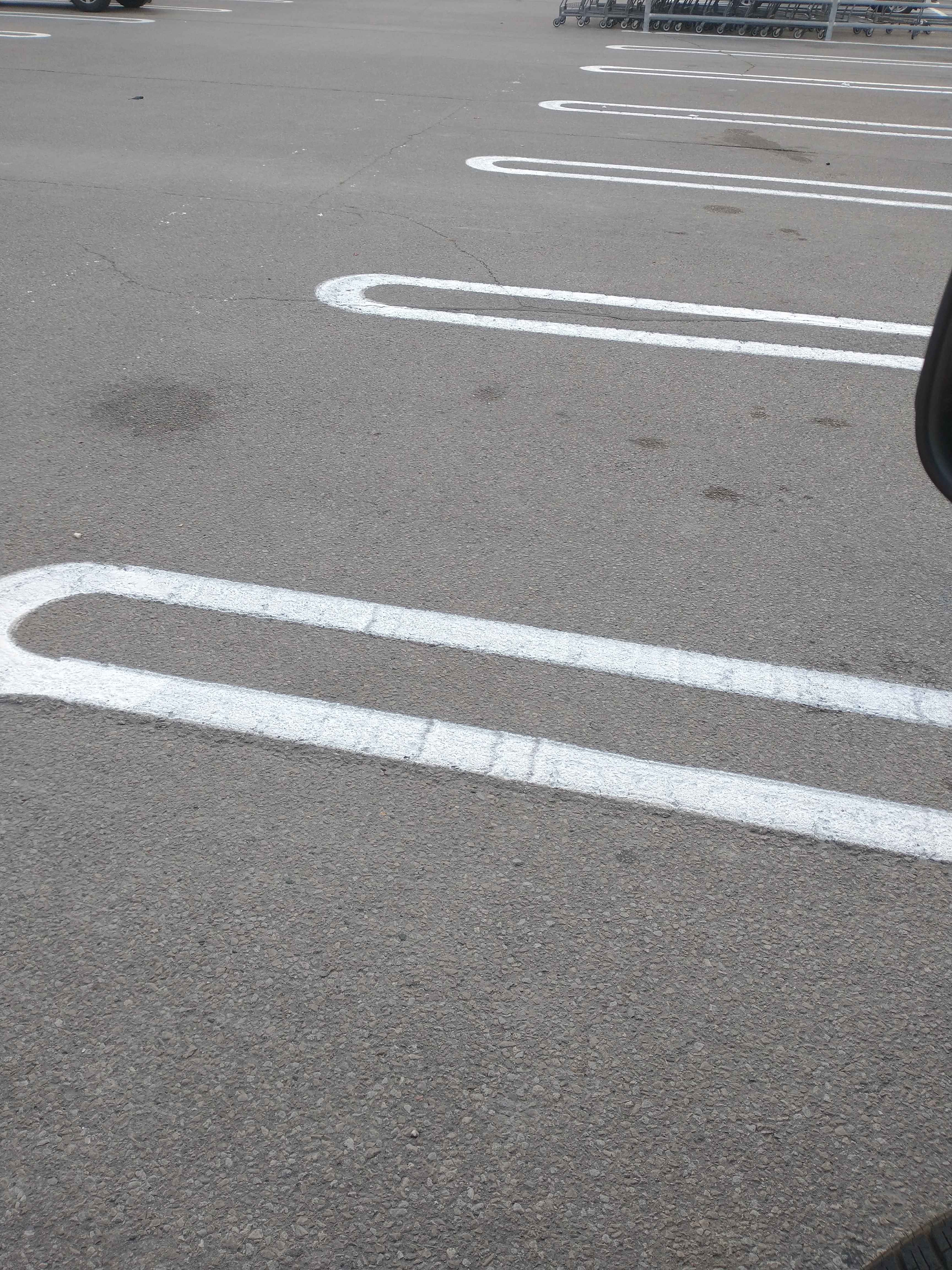
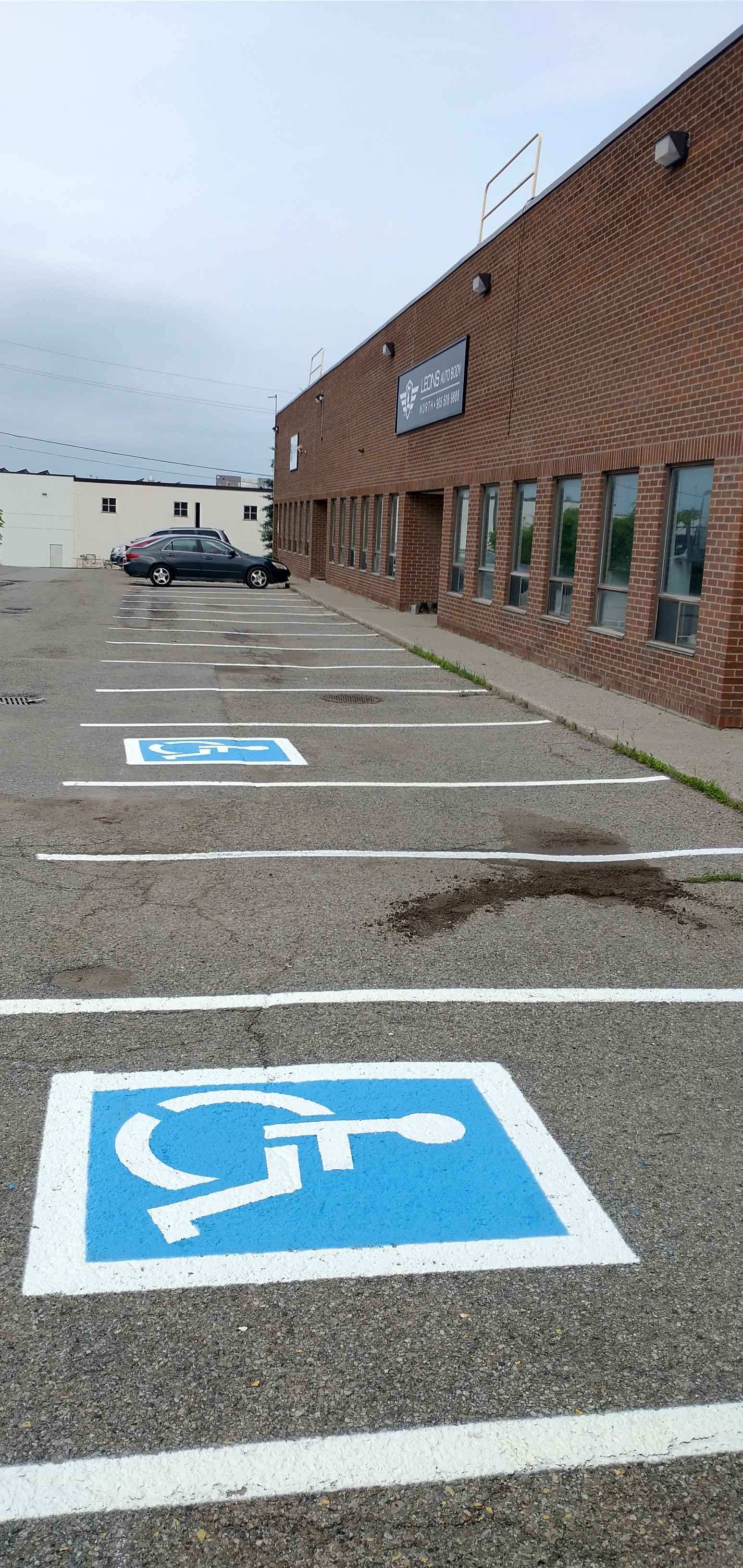
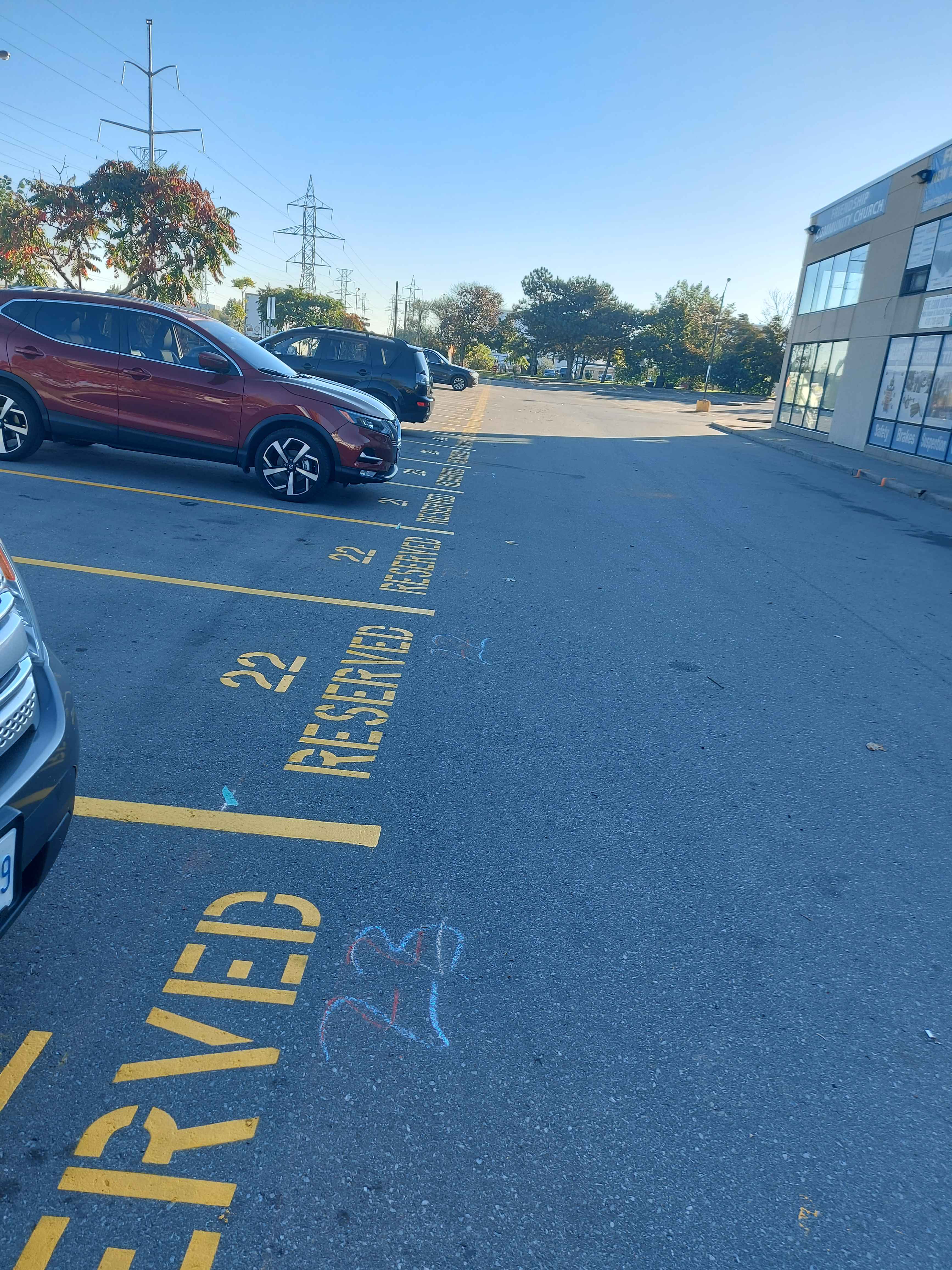
Maintenance isn't just about sealing cracks; it's about ensuring the entire environment is safe and organized. For example, ensuring your line marking is crisp and visible is vital for traffic flow and accident prevention. When cracks are present, they can also obscure your line painting, leading to confusion and potential liability issues for business owners in Brampton and beyond.
Why Professional Intervention Matters
While DIY crack filling kits exist, they often fail to provide a long-term seal. Professional-grade sealants are designed to bond with the asphalt and withstand the harsh Canadian climate. Capital Parking Lot Line Painting utilizes industry-leading materials to ensure that repairs are not just temporary bandages, but long-term solutions.
A professional assessment will look at the entire ecosystem of your parking lot, including drainage, surface integrity, and the clarity of your line marking, ensuring a cohesive and durable result.
Summary of Best Practices
Inspect Regularly
Walk your lot seasonally to spot new cracks early.
Seal Promptly
Don't wait for potholes; seal cracks while they are small.
Refresh Markings
Keep your line painting bright for safety and aesthetics.
Visual Reference