How to Plan Your Parking Lot Pavement Marking for EV and Future Needs
The landscape of transportation is shifting beneath our feet. As electric vehicles (EVs) become a staple on the roads of Brampton and across Ontario, property owners must rethink how they manage their asphalt real estate. It is no longer just about defining where a car sits; it is about defining how a vehicle powers up.
The Shift Toward Electric Mobility
For decades, parking lot design followed a predictable pattern: standard stalls, clear aisles, and designated handicap spaces. However, the rapid integration of EV technology means that a portion of your parking lot must now serve as a fueling station. This requires more than just installing a charger; it requires thoughtful line marking to ensure these high-demand areas are used correctly.
When you work with professionals like Capital Parking Lot Line Painting, you realize that EV stalls are not just standard spots with a different color. They require specific dimensions to accommodate charging cables and specialized markings to prevent non-EV drivers from occupying the space.
Key Considerations for EV Stall Design
Planning for EVs requires a forward-thinking approach to pavement marking. If you are located in a bustling hub like Brampton, a top 30 city in Ontario, you likely deal with high turnover and diverse vehicle types. Your markings must be clear, durable, and intuitive.
1. Spatial Requirements and Cable Management
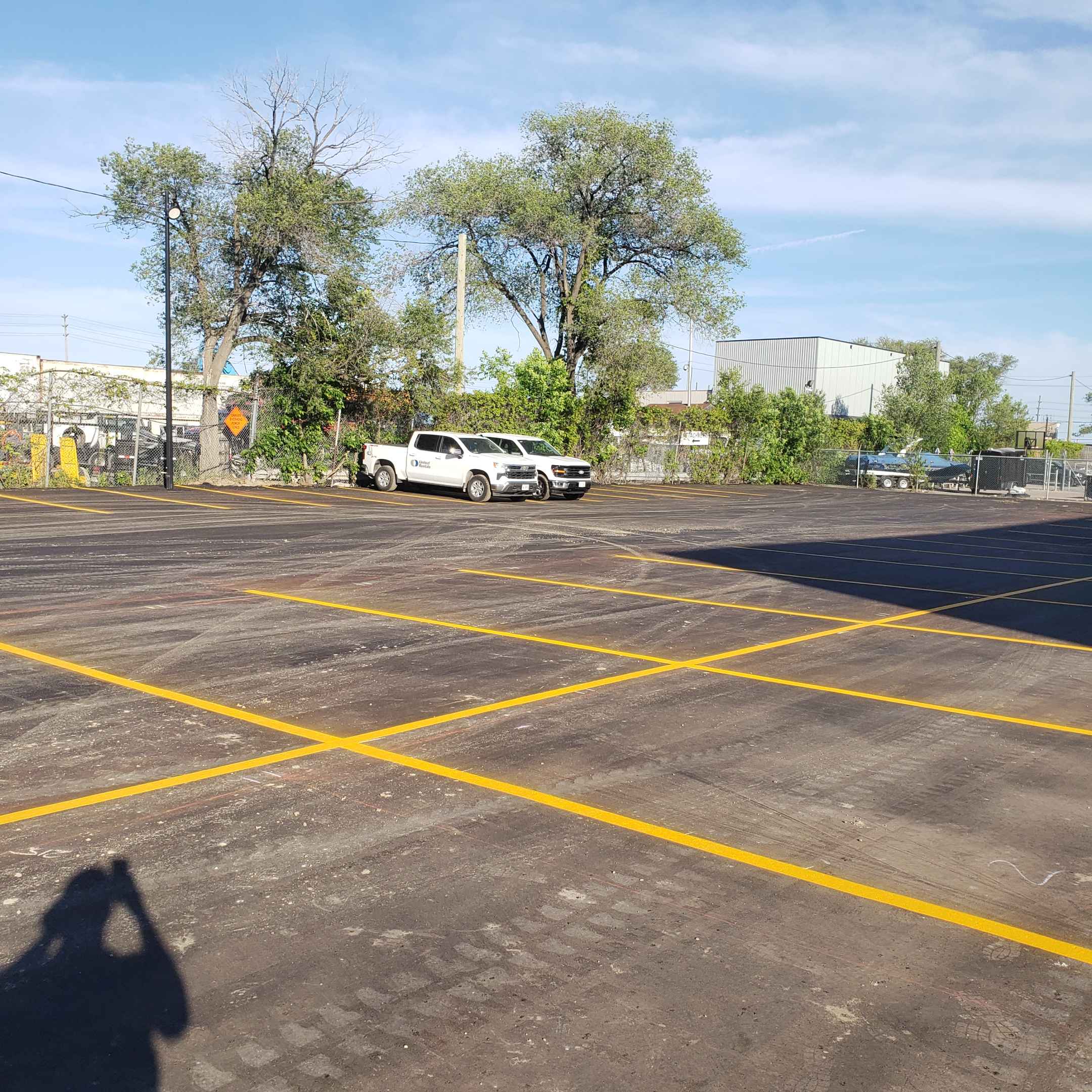
EV charging cables can be cumbersome. If your line marking is too tight, drivers may struggle to maneuver or inadvertently park over the lines, obstructing the charging process. We recommend wider stalls or specific markings that account for the "cable swing area." This ensures that the charging equipment remains accessible and undamaged.
2. Color Coding and Visual Cues
Standard white or yellow line marking is often insufficient for specialized zones. To prevent confusion, many facilities are moving toward high-contrast colors or incorporating icons directly into the line marking process. Using distinct colors for EV-only zones helps signal to drivers that these spots are reserved for specific purposes.
Future-Proofing Your Asphalt Infrastructure
Don't just plan for today; plan for the next decade. As technology evolves, the way we interact with our vehicles will change. A proactive approach to your facility's maintenance and design can save significant time and effort in the long run.
Steps to a Future-Ready Parking Lot
- Audit Current Capacity: Assess how much of your lot can be converted to EV-ready stalls without impacting general parking availability.
- Incorporate Modular Design: Use line marking strategies that allow for easy reconfiguration as more chargers are added.
- Prioritize High-Visibility Markings: Use premium materials that withstand heavy use and environmental changes.
- Consult the Experts: Engage with Capital Parking Lot Line Painting early in your planning phase to ensure compliance with local accessibility standards.
Ready to Upgrade Your Facility?
Whether you are looking to add new EV zones or simply refresh your existing layout, Capital Parking Lot Line Painting provides the expertise needed to keep your property functional and modern. Proper line marking is the foundation of a well-organized, high-functioning parking environment.
Common Mistakes to Avoid
When managing a large-scale facility in a major city like Brampton, mistakes in pavement marking can lead to congestion and frustration. Avoid these common pitfalls:
- Ignoring Accessibility: Ensure EV stalls are placed in proximity to accessible routes, following all provincial guidelines.
- Using Low-Quality Paint: Cheap line marking fades quickly under heavy traffic, leading to confusion and lost revenue.
- Underestimating Space: Failing to account for the extra width needed for charging equipment can lead to constant line encroachment.
Conclusion
The transition to electric mobility is inevitable. By integrating smart line marking strategies today, you ensure that your property remains a destination for modern drivers. Investing in high-quality pavement marking is not just an aesthetic choice; it is a strategic business decision that prepares your facility for the future of transportation.