How to Spot Structural Cracks in Commercial Lots
A well-maintained parking lot is often the first impression a customer has of your business. Ignoring the subtle signs of pavement fatigue can lead to significant liabilities and expensive reconstruction projects.
The Importance of Pavement Inspection
For business owners in growing hubs like Oshawa, maintaining commercial real estate is a constant balancing act. A parking lot isn't just a slab of asphalt; it is a dynamic surface that reacts to temperature fluctuations, heavy vehicle loads, and water infiltration. When cracks begin to form, they are more than just eyesores—they are warning signs of underlying structural issues.
At Capital Parking Lot Line Painting, we have seen firsthand how minor neglect can escalate into major structural failures. Identifying these issues early allows for proactive maintenance rather than reactive, high-cost emergency repairs.
Types of Cracks: Cosmetic vs. Structural
Not every crack requires an immediate overhaul, but knowing the difference is critical for effective asset management. Understanding these distinctions can save you significant time and resources.
1. Hairline and Surface Cracks
These are typically thin, shallow cracks that affect only the top layer of the asphalt. They are often caused by oxidation or minor thermal expansion. While they don't threaten the integrity of the lot immediately, they can allow water to seep in, eventually leading to larger issues. This is the perfect time to schedule professional Line Marking or sealcoating to prevent deeper penetration.
2. Alligator Cracks (Fatigue Cracking)
Perhaps the most dangerous sign, alligator cracking looks like the scales of a reptile. These cracks occur when the base layer of the lot is failing. This is usually due to heavy traffic loads or poor drainage. If you see this pattern, the structural integrity of your lot is compromised, and you should contact Capital Parking Lot Line Painting immediately for an assessment.
3. Longitudinal and Transverse Cracks
Longitudinal cracks run parallel to the direction of travel, while transverse cracks run perpendicular to it. While common, if they widen significantly, they indicate that the subgrade is shifting or that the pavement is experiencing excessive stress from heavy commercial vehicles.
Common Red Flags to Watch For
- Water Pooling: Standing water near cracks indicates poor drainage and potential sub-base erosion.
- Uneven Surfaces: Potholes or "dipping" areas suggest the ground beneath the asphalt is settling.
- Widening Gaps: Cracks that grow wider over a single season are a sign of active movement.
- Edge Cracking: Cracks along the perimeter of the lot often signal insufficient support at the edges.
The Role of Maintenance and Line Marking
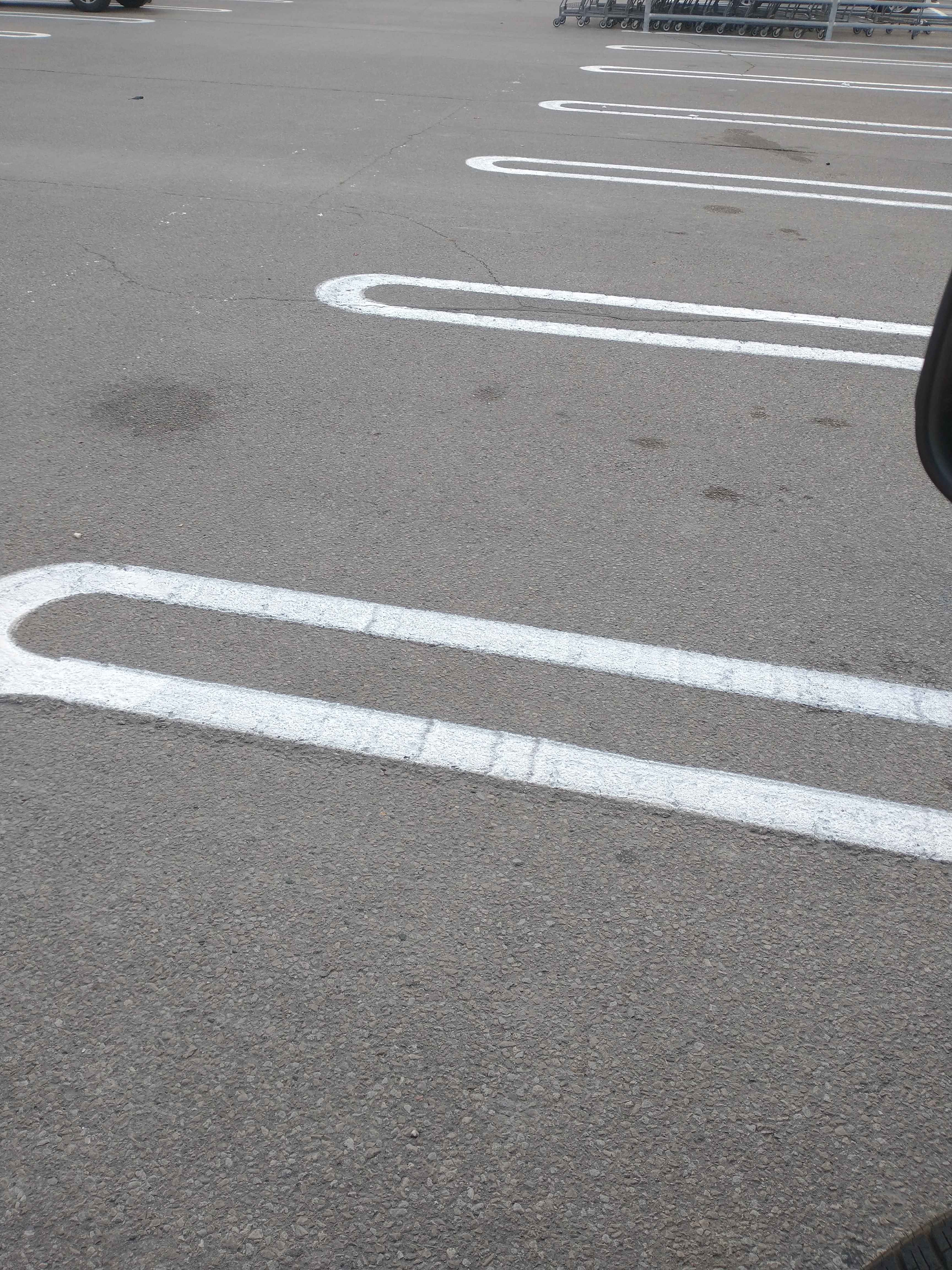
Maintenance is not just about fixing holes; it is about preserving the surface. Regular Line Painting ensures that traffic flow is optimized, reducing the chance of vehicles driving over sensitive or weakened areas of the lot. Furthermore, clear Line Marking helps direct heavy vehicles to reinforced sections of the pavement, extending the overall lifespan of the lot.
In a bustling city like Oshawa, where commercial activity is high, the wear and tear on asphalt is accelerated. Keeping your lines crisp and your surface sealed is a fundamental part of property management.
Expert Solutions for Your Commercial Property
Don't wait for a pothole to become a liability. Capital Parking Lot Line Painting provides comprehensive inspections and maintenance services to keep your lot safe, functional, and visually appealing. From professional Line Painting to structural assessments, we help you protect your investment.
Conclusion
Regularly walking your lot and looking for the signs of fatigue can save you thousands in the long run. By identifying alligator cracking, monitoring water drainage, and ensuring your Line Marking is up to code, you maintain a safe environment for both customers and employees.