Why Ignoring Small Cracks Can Lead to Full Surface Replacement
The deceptive nature of asphalt decay: How minor imperfections signal major structural risks.
To the untrained eye, a small hairline crack in a parking lot might seem like a cosmetic nuisance—something that can be ignored for another season. However, in the world of pavement management, these tiny fissures are the early warning signs of a much larger structural catastrophe. For property owners in Brampton, understanding the lifecycle of asphalt is the difference between a routine maintenance visit and a massive capital expenditure for a complete overhaul.
At Capital Parking Lot Line Painting, we have seen firsthand how a neglected crack can transform into a pothole, and eventually, into a failed surface that requires total demolition and replacement.
The Science of Asphalt Decay
Asphalt is a flexible pavement, meaning it is designed to expand and contract with temperature changes. In a climate like Ontario's, where seasons shift drastically, this movement is constant. When a crack forms, the integrity of the entire pavement structure is compromised.
The Role of Water Infiltration
The primary enemy of your parking lot isn't actually the cars driving over it; it is water. Once a crack opens up, even slightly, water begins to seep into the sub-base layers of your lot. This leads to several destructive processes:
- Sub-grade Erosion: Water washes away the fine particles in the soil beneath the asphalt, creating hollow pockets.
- Freeze-Thaw Cycles: In Brampton, winter temperatures cause trapped water to freeze and expand, widening the cracks significantly within a single night.
- Structural Weakening: As the base becomes saturated, it loses its ability to support weight, leading to heavy vehicle damage and surface sinking.
From Minor Fissures to Major Failures
Ignoring these signs creates a domino effect. What starts as a simple crack evolves through several stages of degradation. If you miss the window for crack sealing, you move into the territory of more intensive repairs.
Stage 1: Hairline Cracks
Small, narrow gaps that are primarily a cosmetic concern but indicate the beginning of the expansion process.
Stage 2: Alligator Cracking
Interconnected cracks that resemble the skin of an alligator. This is a sign that the base layer is failing and the surface is no longer structurally sound.
Once alligator cracking sets in, simple crack filling is no longer an option. This is where Capital Parking Lot Line Painting recommends immediate professional intervention to prevent the total collapse of the asphalt section.
The Hidden Costs of Neglect
While many property managers delay maintenance to save on immediate costs, this strategy is mathematically flawed. The cost of repairing a crack is a fraction of the cost of replacing a surface. When you delay, you aren't saving money; you are accumulating "maintenance debt" that will eventually come due with heavy interest.
Furthermore, a deteriorating lot presents significant liabilities. Uneven surfaces and potholes can lead to trip-and-fall accidents or damage to customer vehicles, potentially leading to legal complications for your business.
A Proactive Approach to Longevity
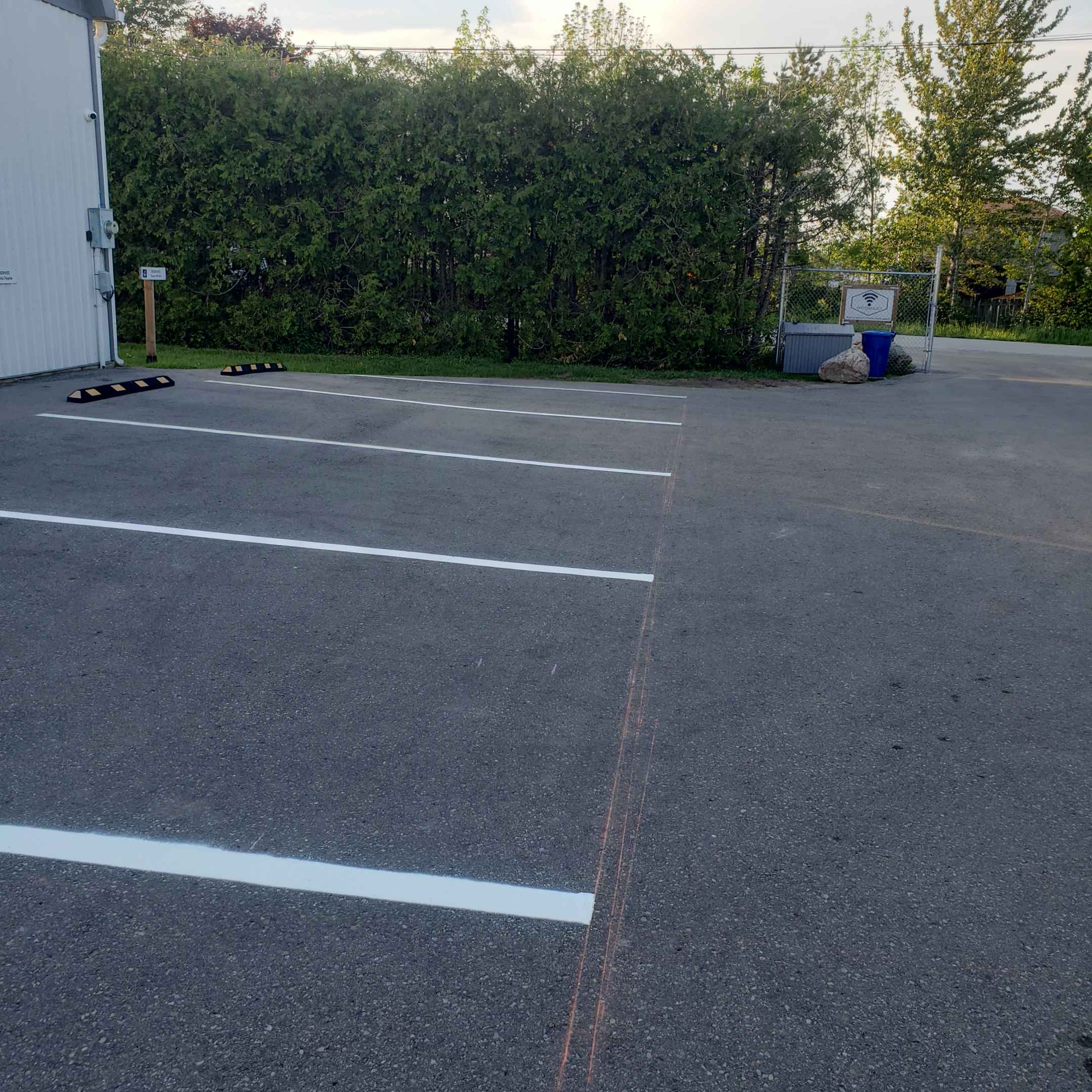
The key to a long-lasting parking lot is a consistent maintenance schedule. This includes more than just fixing holes; it involves ensuring the entire lot is visually clear and structurally sound. This is where professional line marking and surface treatments become essential.
Regular line painting does more than just guide traffic; it helps define the boundaries of the lot and ensures that vehicles are not driving over damaged or soft areas of the asphalt, which further extends the life of the pavement. By partnering with Capital Parking Lot Line Painting, you ensure that your property remains professional, safe, and cost-effective over the long term.
Summary of Maintenance Best Practices
How to Protect Your Investment:
- Perform annual inspections of the entire asphalt surface.
- Seal cracks as soon as they become visible to prevent water ingress.
- Ensure line marking is crisp and visible to manage traffic flow effectively.
- Schedule periodic seal coating to protect the asphalt from UV damage and oxidation.
- Address potholes immediately before they expand into larger craters.
Don't Wait for the Collapse
The best time to fix a crack was yesterday; the second best time is today. Protect your property and your budget by staying ahead of the damage.